Something Fresh in the State of Denmark
October 06, 2026







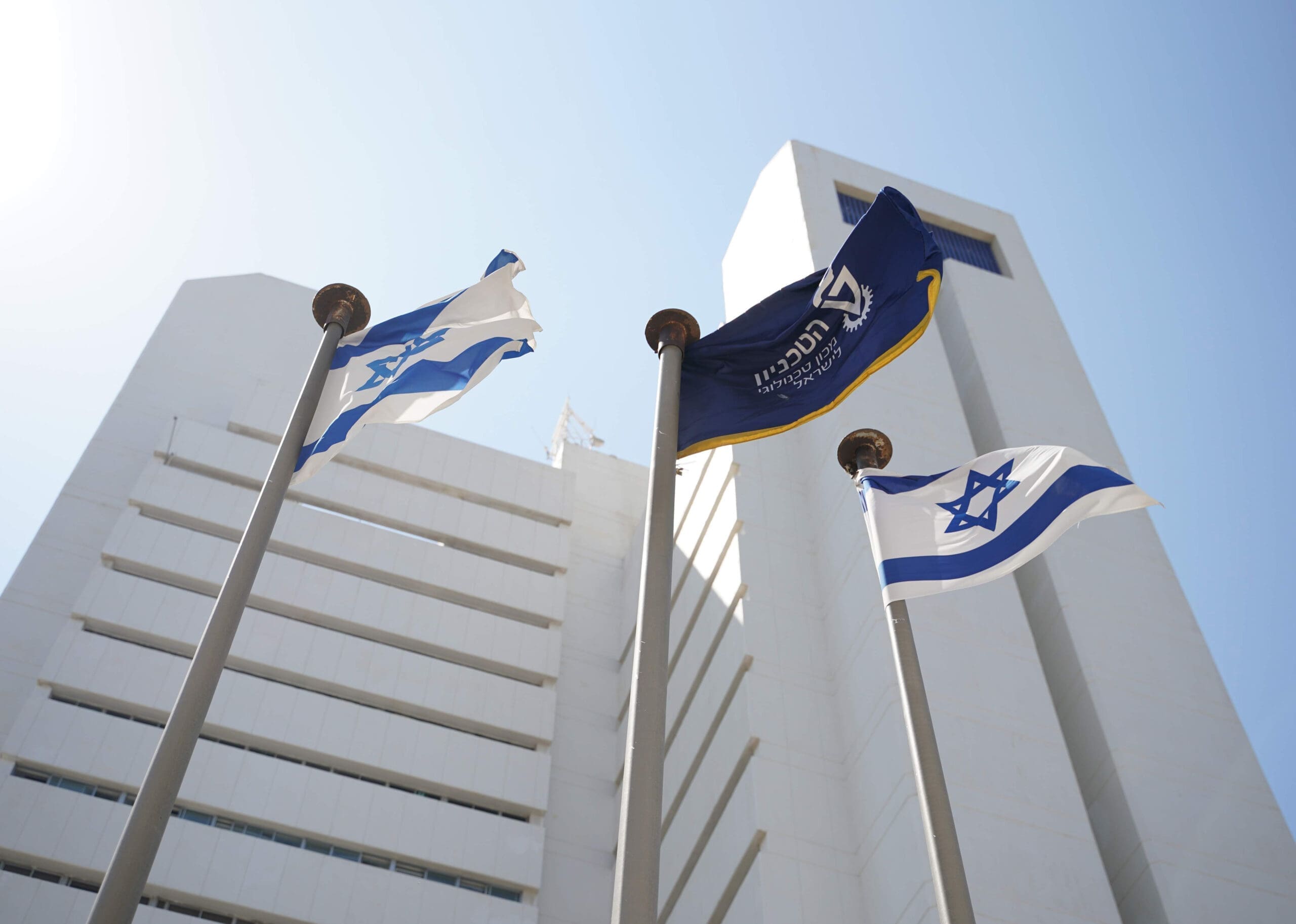

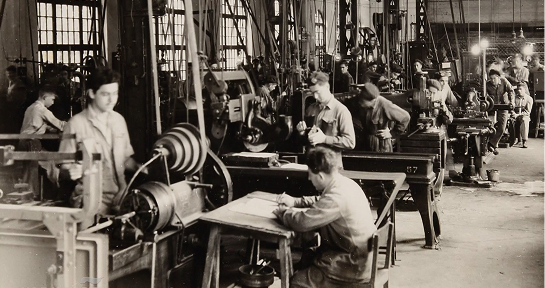
The Technion’s story has been intertwined with Israel’s for more than a century, from laying the foundations for a new nation to shaping its future.
Step inside Israeli innovation at the David and Janet Polak Visitors Center. Experience our 360° immersive movie and tech exhibition. Open to individuals and groups.
Learn More
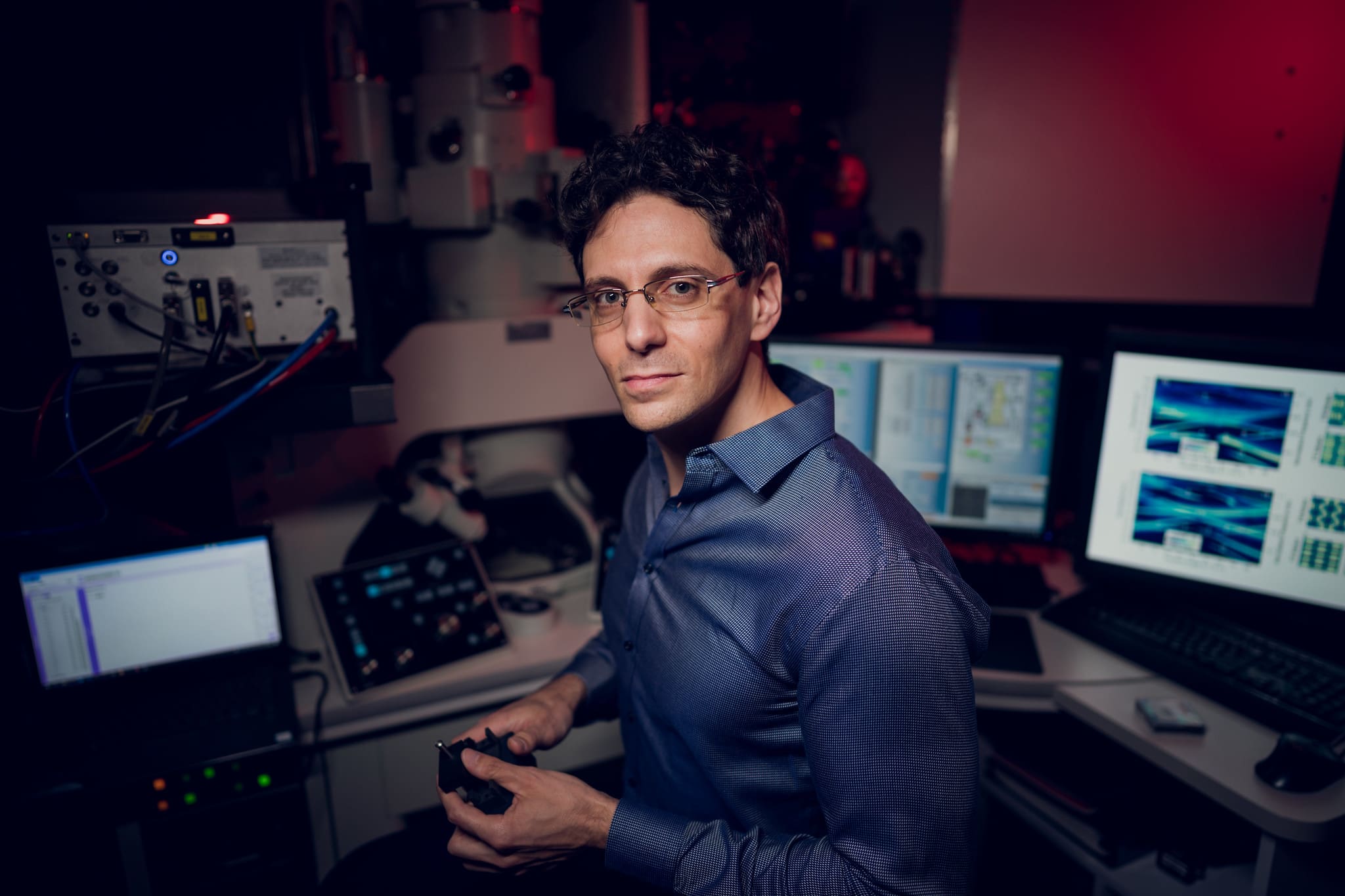
A computer that stores and processes data in a single chip is able to tell apart different people’s handwriting. Professor Shahar Kvatinsky, of the Technion, in Haifa, says combining its RAM and CPU allows it to function much more like a human brain, and opens up a whole new world of opportunities. To demonstrate its capabilities, he and his team presented the chip with different examples of handwritten letters. The chip learned which one was which with each example, and achieved a 97 per cent accuracy in recognition. “We like to describe a computer as a ‘brain’, but entirely separate…
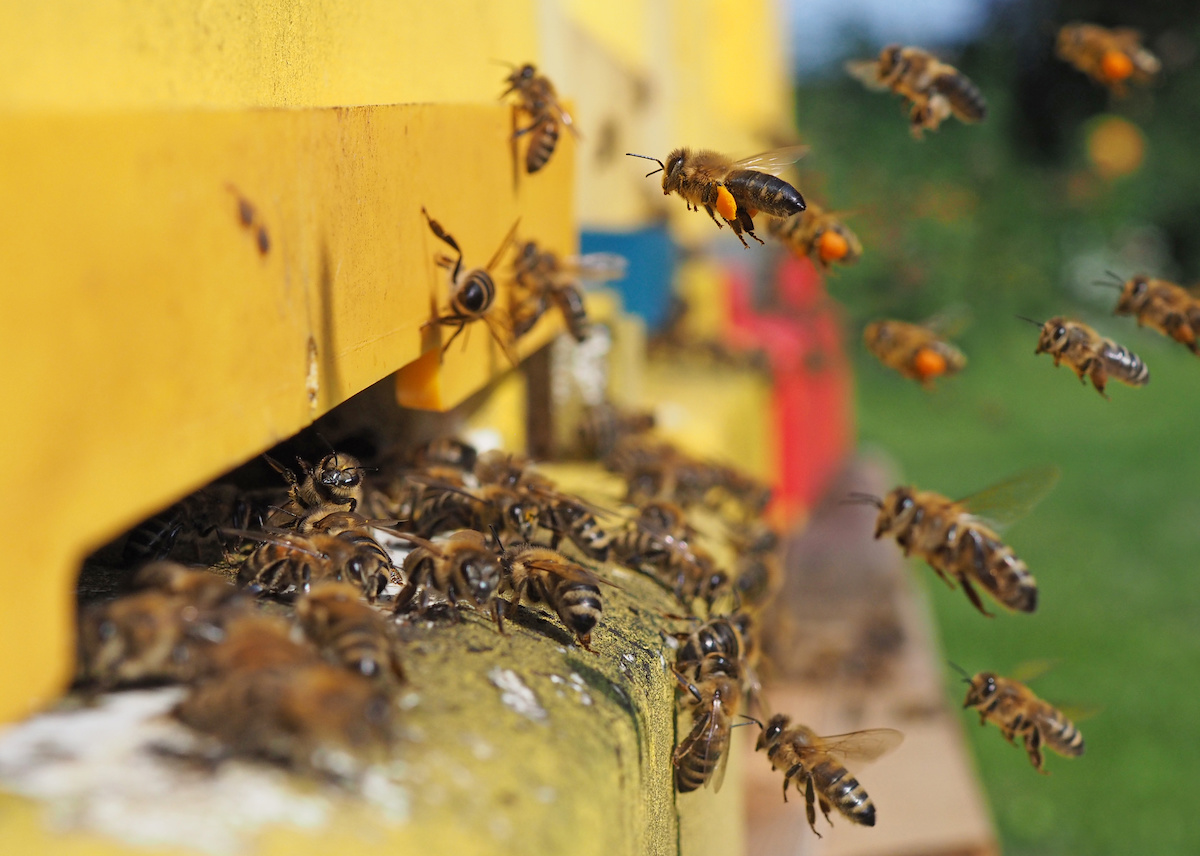
Bees are crucial to our survival. Did you know they pollinate one in every three bites of food we eat? Or that without bees, more than 100,000 species of plants would become extinct? But bees are in danger, as more than half of just North America’s native bee species are declining in size with a quarter of the 4,000 species at risk of extinction. In the hopes of combating this global problem, Israeli startup BeeHero – led in part by Co-founder, CTO, and Technion alumnus Yuval Regev – is using sensors to monitor beehive health and conducting bee-related research. BeeHero’s…
Historical letters were often written in code in order to secretly send messages to people to prevent the information from falling into the wrong hands. Decoding these pieces of history can prove to be difficult, as there are no instructions on how to reveal the message’s true meaning. Recently, Israeli computer scientist and Technion alumnus Dr. George Lasry led a team of international code breakers that successfully deciphered 57 letters written by Mary, Queen of Scots between 1578 and 1584 – the most significant find on the queen in more than 100 years. The letters were written a few years…
What if computers could process information like humans do? New research conducted at the Technion shows that such a device could be a part of our not-so-distant future. Led by Professor Shahar Kvatinsky of the Andrew and Erna Viterbi Faculty of Electrical and Computer Engineering, researchers combined a computer’s random-access memory (RAM) and central processing unit (CPU) functions into one chip, which allows the device to operate more like a human brain. It could provide future opportunities for using devices to process information differently. Prof. Kvatinsky and his team tested their chip’s capabilities by showing it different examples of handwriting….

Have you ever wondered what you would have looked like living in Ancient Greece? Or even how you’d change in a high-tech future? Now, thanks to a new artificial intelligence (AI)-powered “time machine” from MyHeritage, you can see yourself throughout the past – and even in the future. Led by Technion alumnus, Founder, and CEO Gilad Japhet, the platform provides AI-generated images depicting you in different eras. Users need only upload about 10 photos of themselves taken from different angles, pay around $12 – $18 depending on the package chosen, and then wait for 90 minutes or less for results….
Used in many aspects of everyday life, programmable logic controllers (PLCs) control systems such as transportation services, factories, power stations, smart buildings, traffic lights, and more. Since such systems control automatic responses to changing environmental stimuli within frequently encountered structures, preventing them from being hacked into by those with nefarious intentions is of the utmost importance. Siemens, a multinational industrial manufacturer, is known across the industry to have the top security measures in place for their controller firmware systems. But a team of researchers from the Technion’s Henry and Marilyn Taub Faculty of Computer Science recently found a way to…
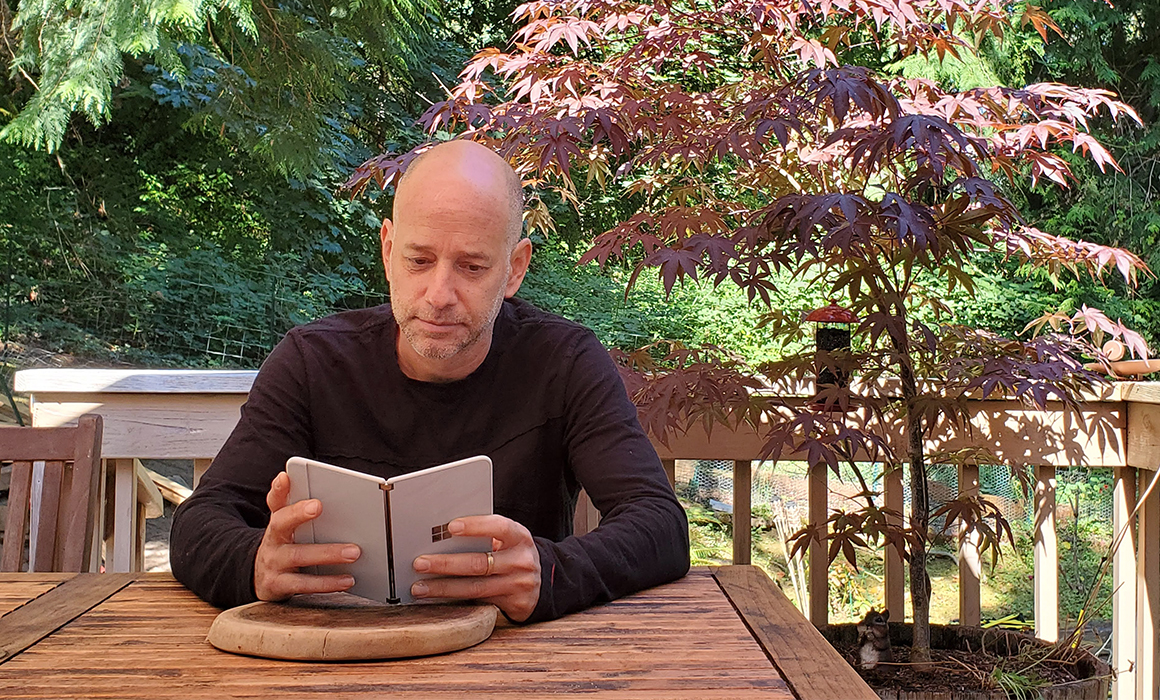
The Journey of One Technion Alum The 1983 Cold War science fiction techno-thriller WarGames was a box-office hit that garnered three Academy Award nominations. The film about a young hacker who unwittingly accesses a Pentagon supercomputer also made its mark on then 12-year-old Guy Merin. “I went straight from the theater to K-Mart and bought my first computer,” he recalled. “I started my journey there.” It’s a journey that took him from earning a bachelor’s degree in computer science at the Technion to Microsoft, where he played a key role in the recent release of Surface Duo 2 — the…
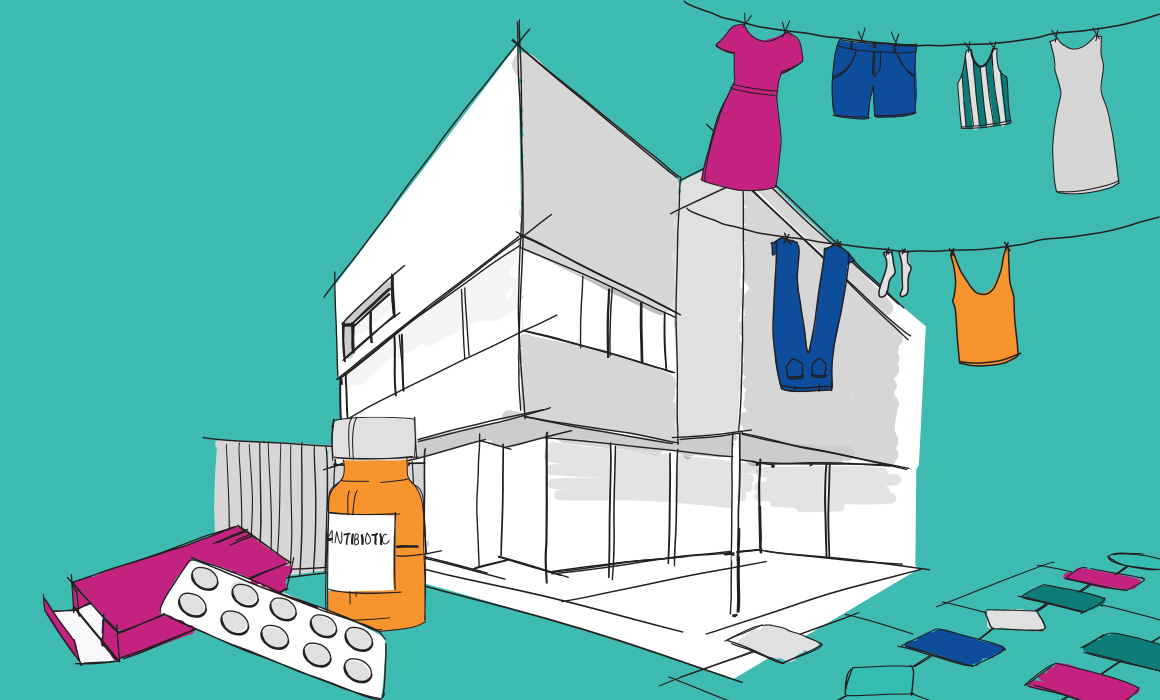
Have you filled a prescription for antibiotics recently? Used a virtual fitting room to try on clothes at home? Admired a new building going up in your community? You have computer science to thank — yes, even for that virtual fitting room! Computer science has improved almost every aspect of our modern lives, even for the Luddites among us. Researchers at the Technion are taking it one step further, pushing the boundaries of computer science to deliver useful, innovative solutions to complex problems plaguing our society. Minimizing Antibiotic Resistance … with Computers The use of antibiotics, while essential to curing…
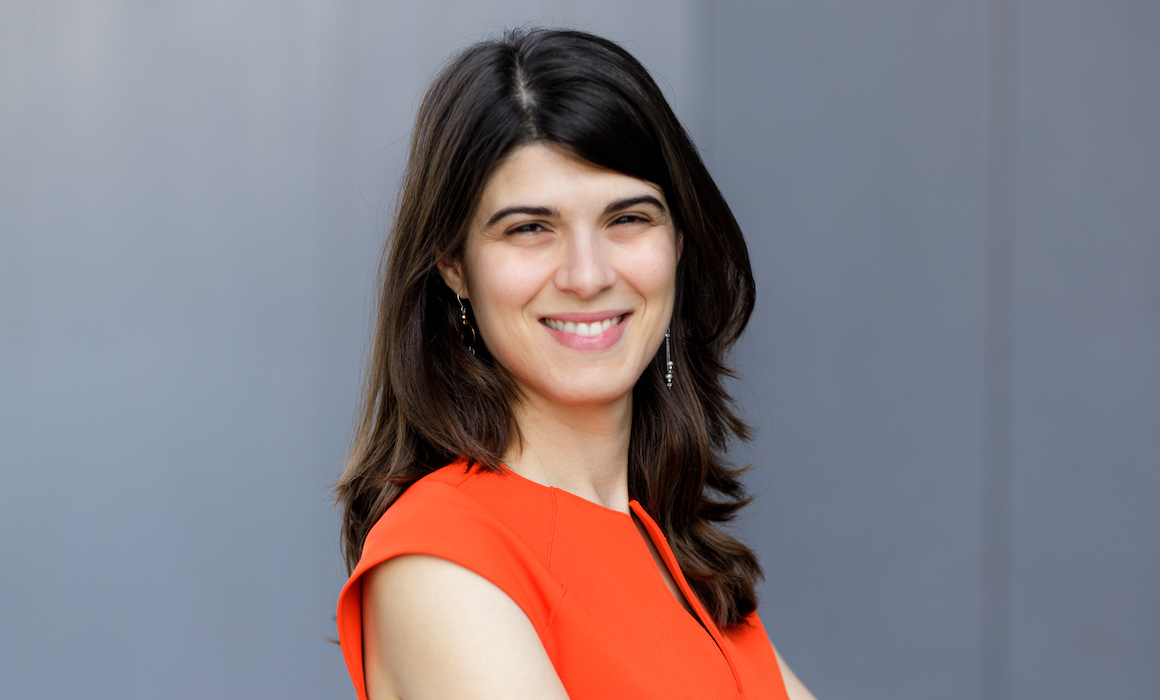
Pictured Above / Dr. Kira Radinksy / Photo credit: Omer Hacohen The last step in developing a drug or medical treatment is the clinical trial, which confirms the treatment’s efficacy in humans and its safety. While a long and expensive process, a successful clinical trial is essential to receiving approval from the FDA or other regulating authorities. Yet clinical trials have long underrepresented women, leading to misdiagnosed diseases and adverse drug reactions. A new article in the Journal of the American Medical Informatics Association (JAMIA) by researchers at the Henry and Marilyn Taub Faculty of Computer Science at the Technion…
Plenty of good news came out of coronavirus research. Scientists got a jump on developing mRNA vaccines, treatment for viruses moved quickly past Tamiflu, and researchers realized the critical importance of making findings available to the public. These were just some of the conclusions to come out of a Technion webinar moderated by Professor Roy Kishony, the Marilyn and Henry Taub Professor of Life Sciences in the Technion Faculty of Biology. Stressing the importance of an interdisciplinary approach in tackling COVID-19, Prof. Kishony called on M.D.-Ph.D. candidate Matan Levine, mathematician Associate Professor Nir Gavish, and biomedical data scientist Assistant Professor…
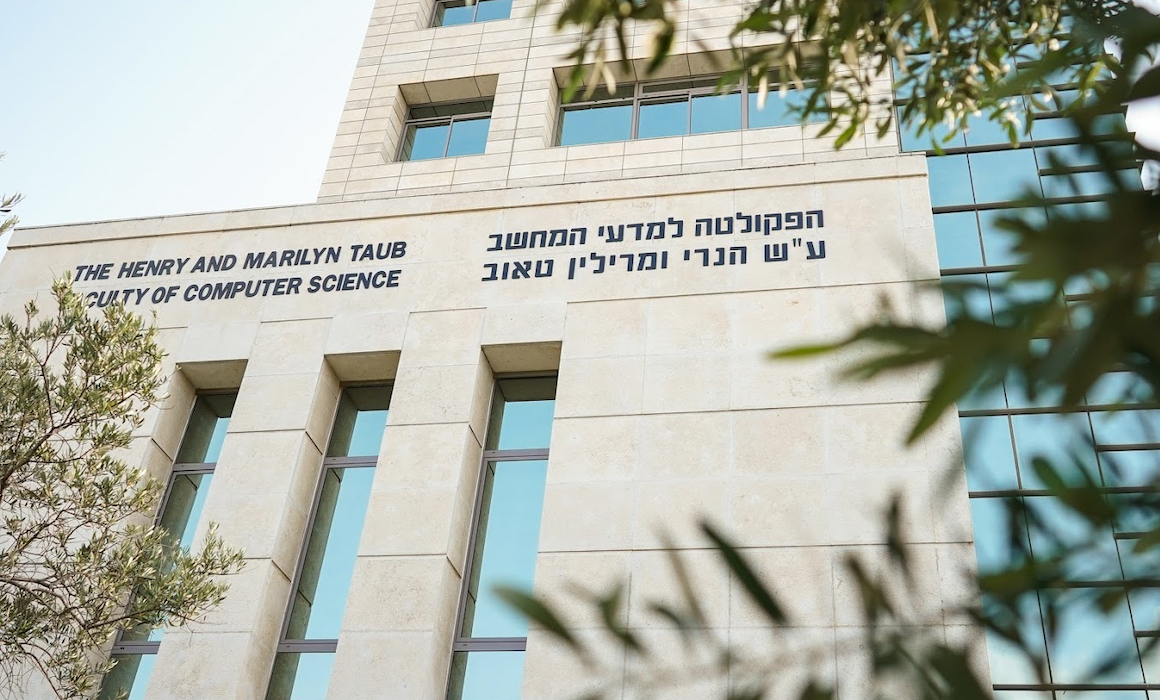
Students from the Henry and Marilyn Taub Faculty of Computer Science at the Technion – Israel Institute of Technology recently developed an app for the Madrasa Project to help people learn Arabic. Madrasa is a free-to-use resource that advocates for better communication in Israeli society through spoken Arabic courses. There are currently more than 100,000 students enrolled in Madrasa courses. Yet until now, the Madrasa Project did not have an app. According to Gilad Sevitt, founder and director of Madrasa, “During our seven years of operations, we have seen the need for people to practice their speaking proficiency while learning,…
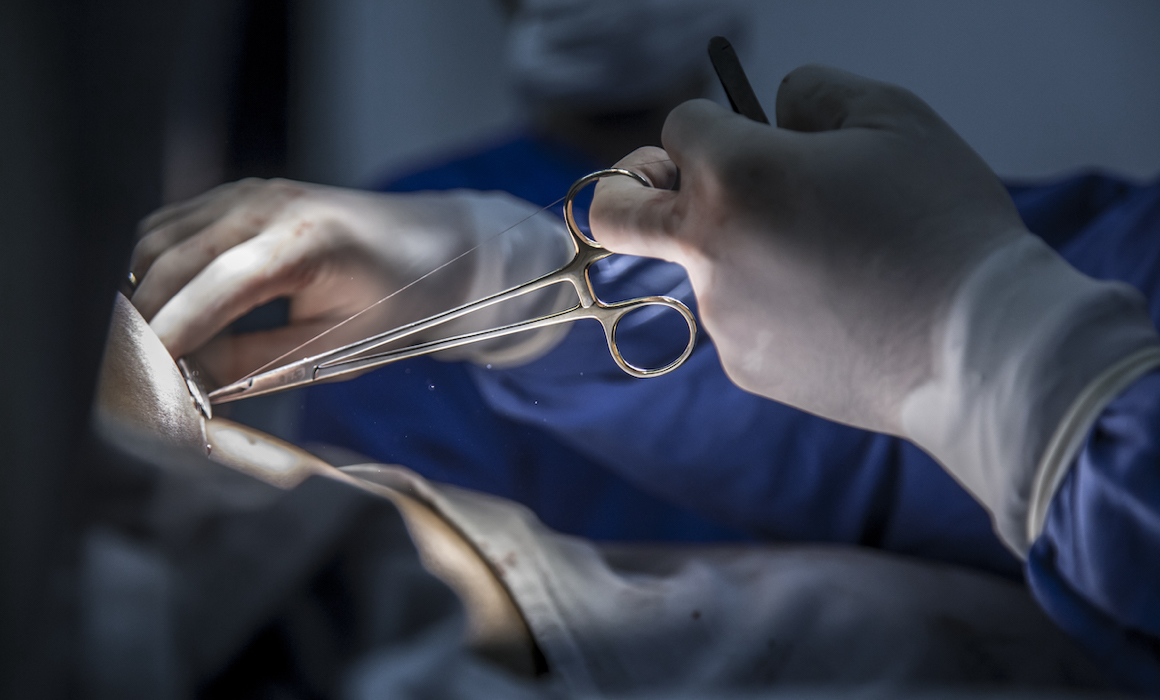
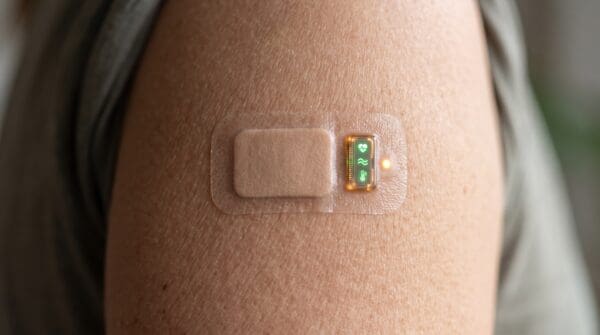
“Sutures? That’s practically medieval!” It is a staple of science fiction to mock sutures as outdated. After all, the technique has been in use for at least 5,000 years. Professor Hossam Haick from the Wolfson Department of Chemical Engineering at the Technion has finally turned science fiction into reality. His lab created a smart, sutureless dressing that binds the wound together, wards off infection, and reports on the wound’s condition directly to the doctors’ computers. “I was watching a movie on futuristic robotics with my kids late one night,” said Prof. Haick, “and I thought, what if we could really…