Something Fresh in the State of Denmark
October 06, 2026



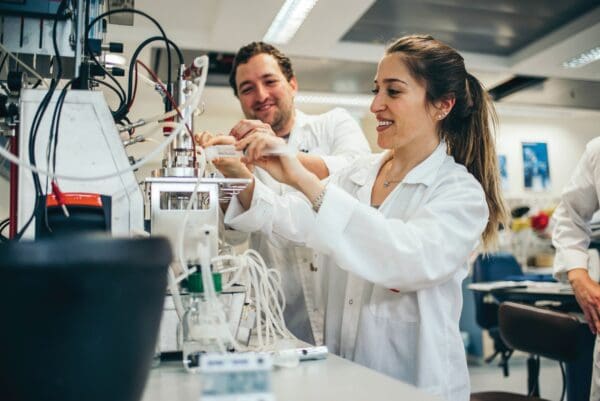








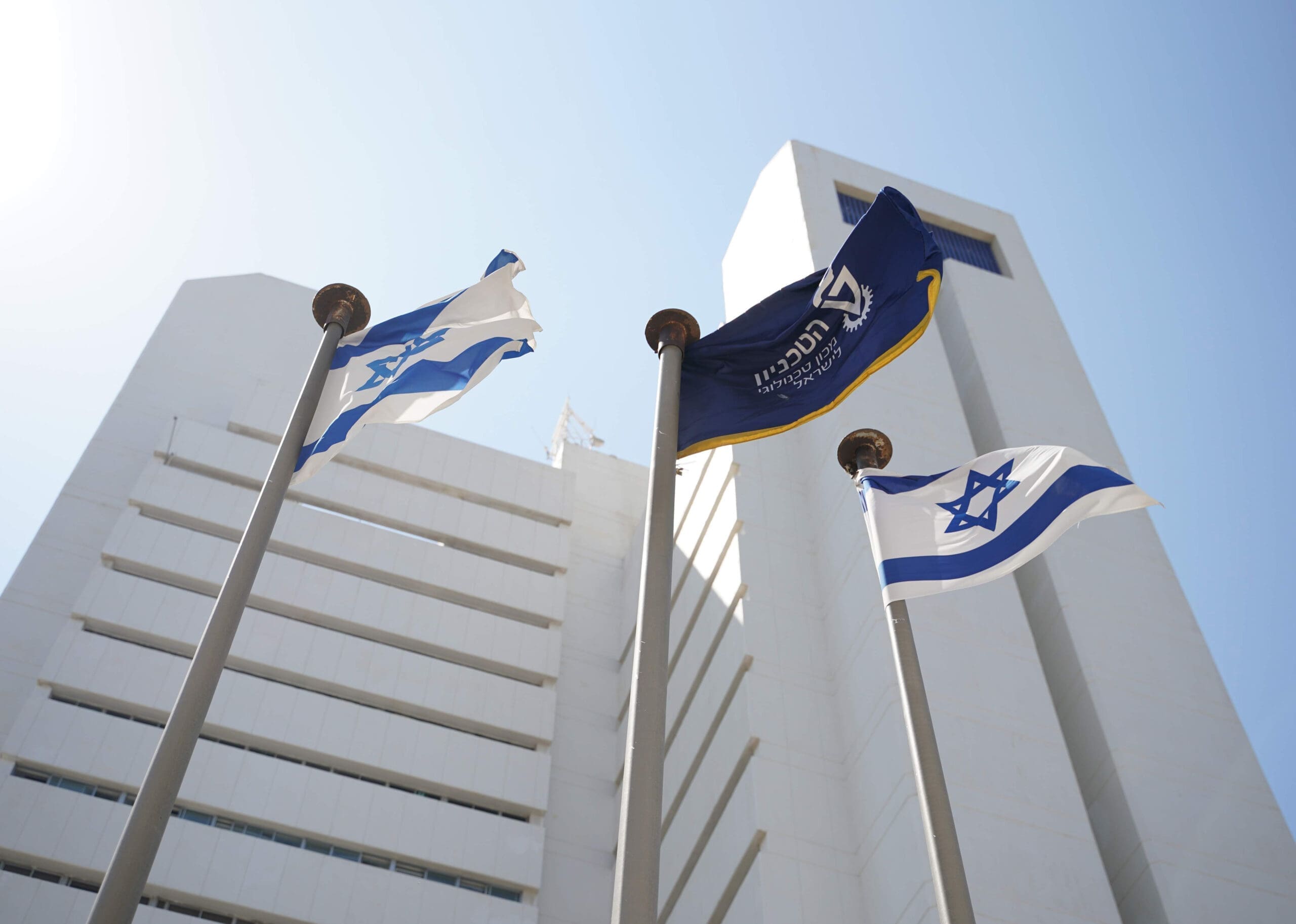


The Technion’s story has been intertwined with Israel’s for more than a century, from laying the foundations for a new nation to shaping its future.

Step inside Israeli innovation at the David and Janet Polak Visitors Center. Experience our 360° immersive movie and tech exhibition. Open to individuals and groups.
Learn More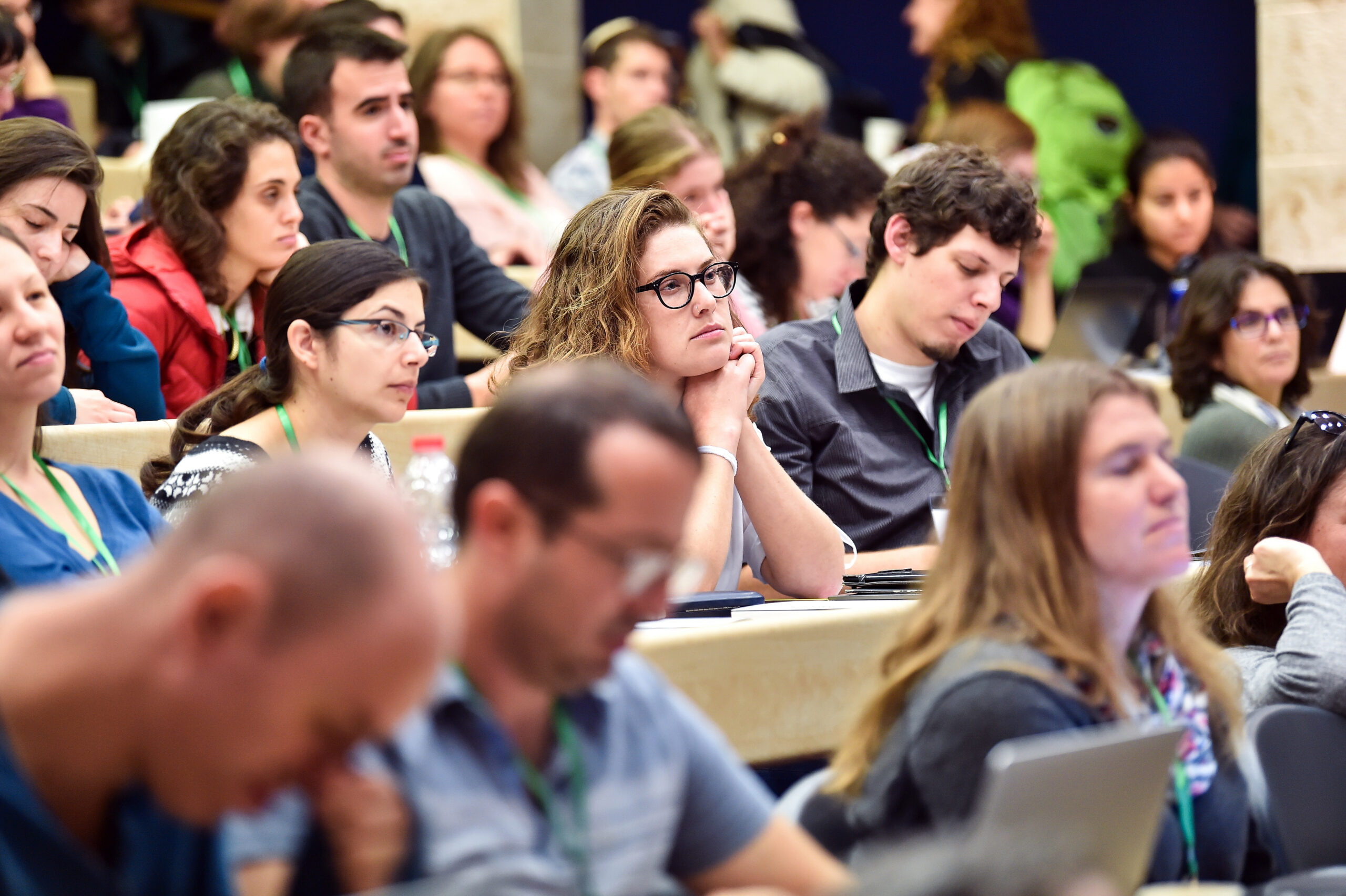
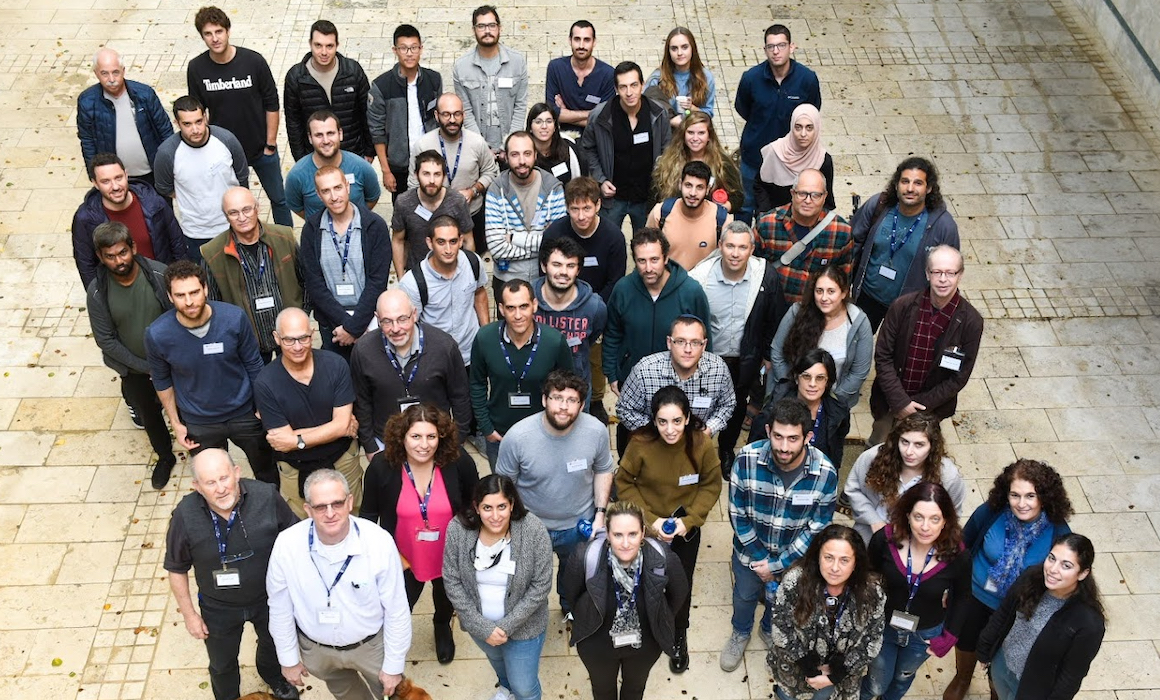
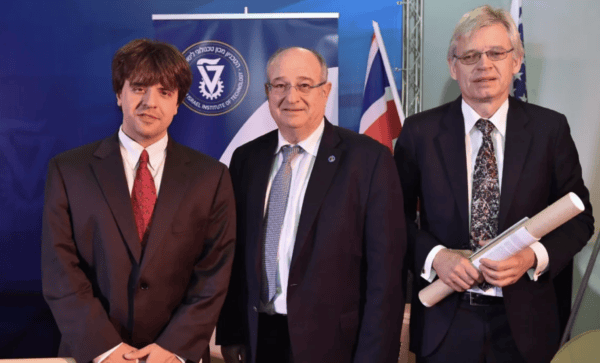
Pictured Above / 2021 GTEP Research Day participants. Every year, the Nancy and Stephen Grand Technion Energy Program (GTEP) invites graduate students to share their research during its Research Day. Prizes were awarded for the most innovative findings. Eliyahu Farber, who developed new methods for the precise production of porous carbon materials, shared the first prize. These porous carbon materials can be used in a variety of applications, including batteries, supercapacitators, and fuel cells. Inbal Offen-Polak also won first prize for research on low cost catalysts for urea oxidation, a useful process with applications in water treatment, hydrogen production, and…

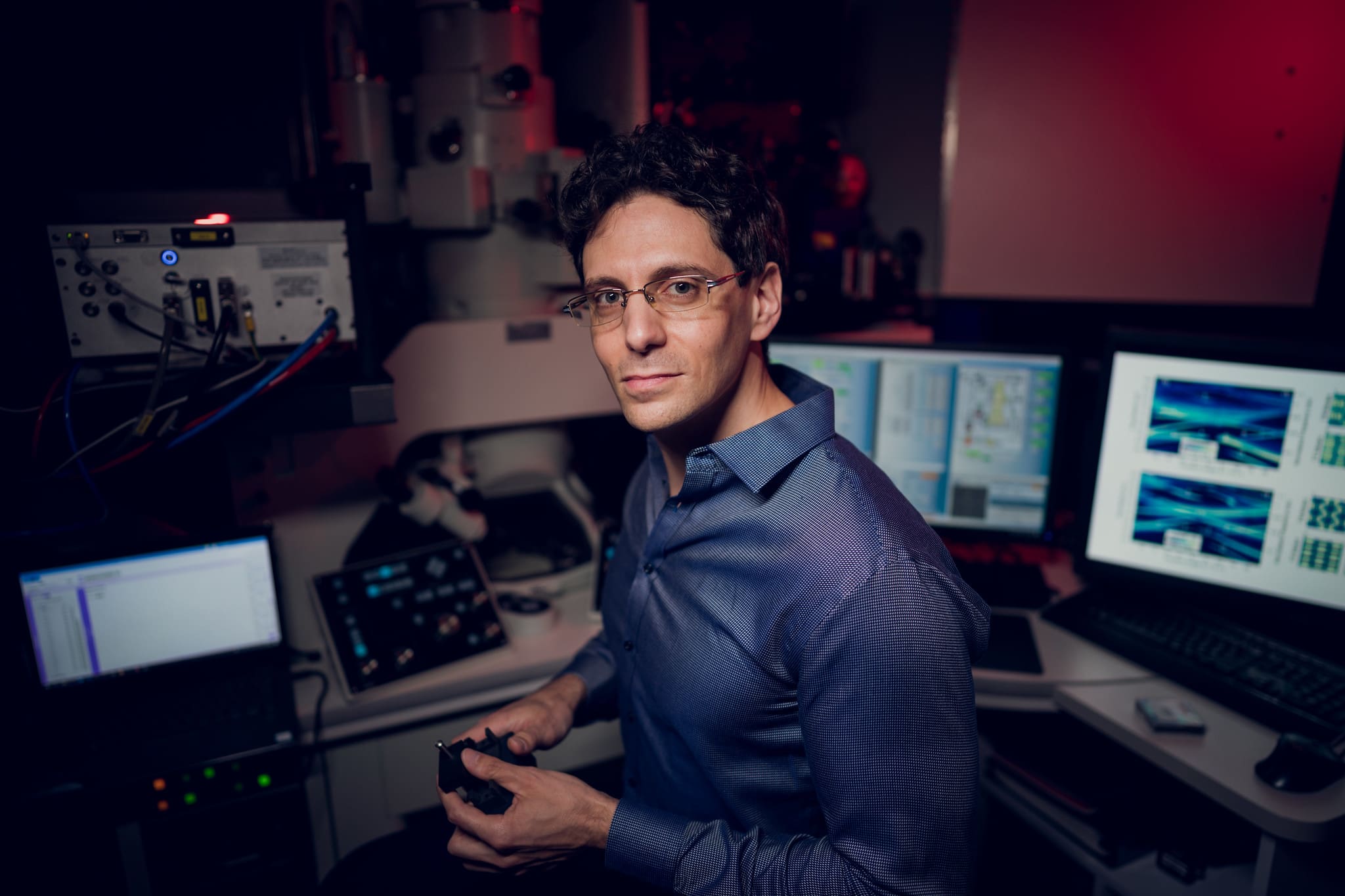
Pictured Above / Technion researchers have developed a new method that harvests an electrical current directly from seaweed in an environmentally friendly and efficient fashion. Technion Ph.D. candidate Yaniv Shlosberg was walking on the beach one day when he noticed a rock covered by seaweed that looked like electrical cords. He had been researching a type of bacteria that obtained energy through photosynthesis and thought that maybe this sun-loving seaweed could also produce electrical currents. Using that common seaweed, called Ulva, as a source of energy, Shlosberg and a team of researchers from the Technion and the Israel Oceanographic and…
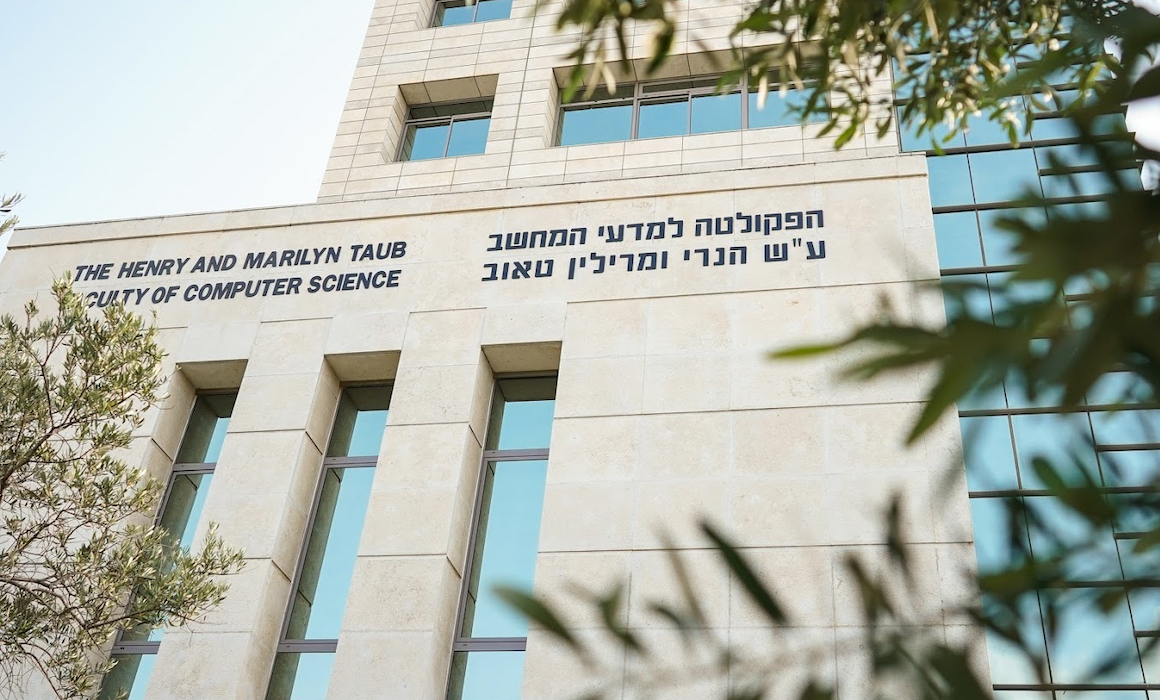
Students from the Henry and Marilyn Taub Faculty of Computer Science at the Technion – Israel Institute of Technology recently developed an app for the Madrasa Project to help people learn Arabic. Madrasa is a free-to-use resource that advocates for better communication in Israeli society through spoken Arabic courses. There are currently more than 100,000 students enrolled in Madrasa courses. Yet until now, the Madrasa Project did not have an app. According to Gilad Sevitt, founder and director of Madrasa, “During our seven years of operations, we have seen the need for people to practice their speaking proficiency while learning,…
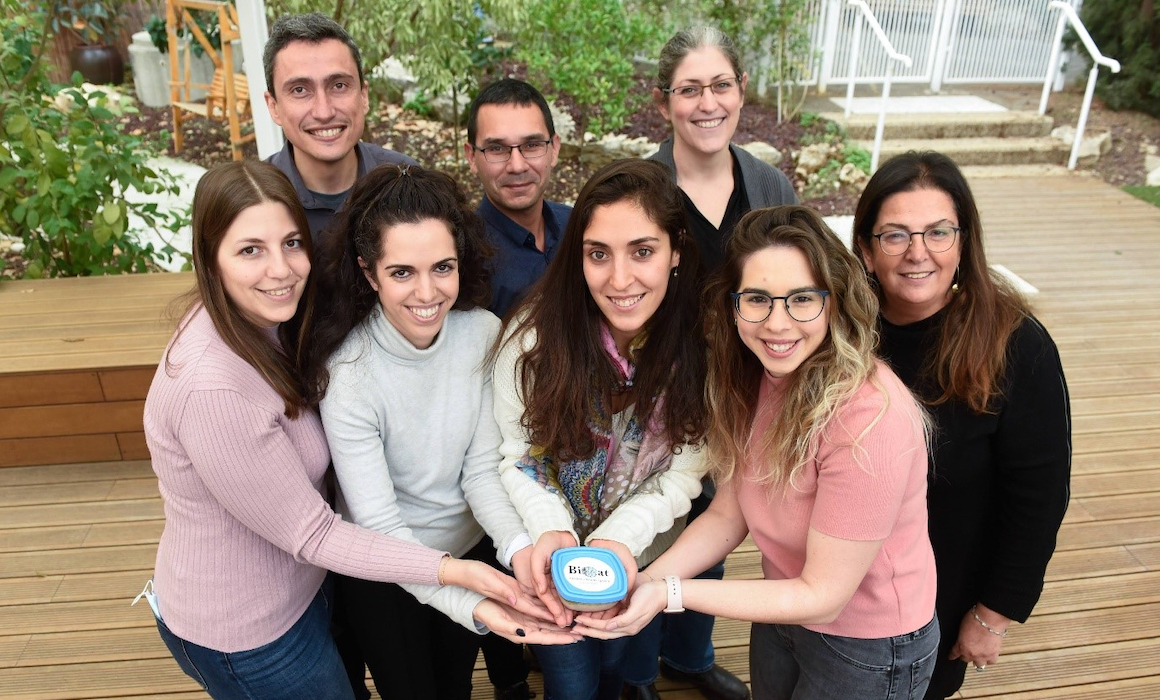
Students of the Faculty of Biotechnology and Food Engineering served up creative and tasty innovations to win top prizes in the European Institute of Innovation & Technology (EIT) Food Solutions Project — the latest in a string of victories in EU-supported competitions. This year’s competition was aimed at finding delicious and sustainable real-world solutions to problems faced by the food industry. The Bioat Group won first place for a challenge presented by Finnish company Myllyn Paras to create an innovative product using an oat-based ingredient. The students developed a vegan “labane” (a cheese-like spread common in Israel) made from fermented…
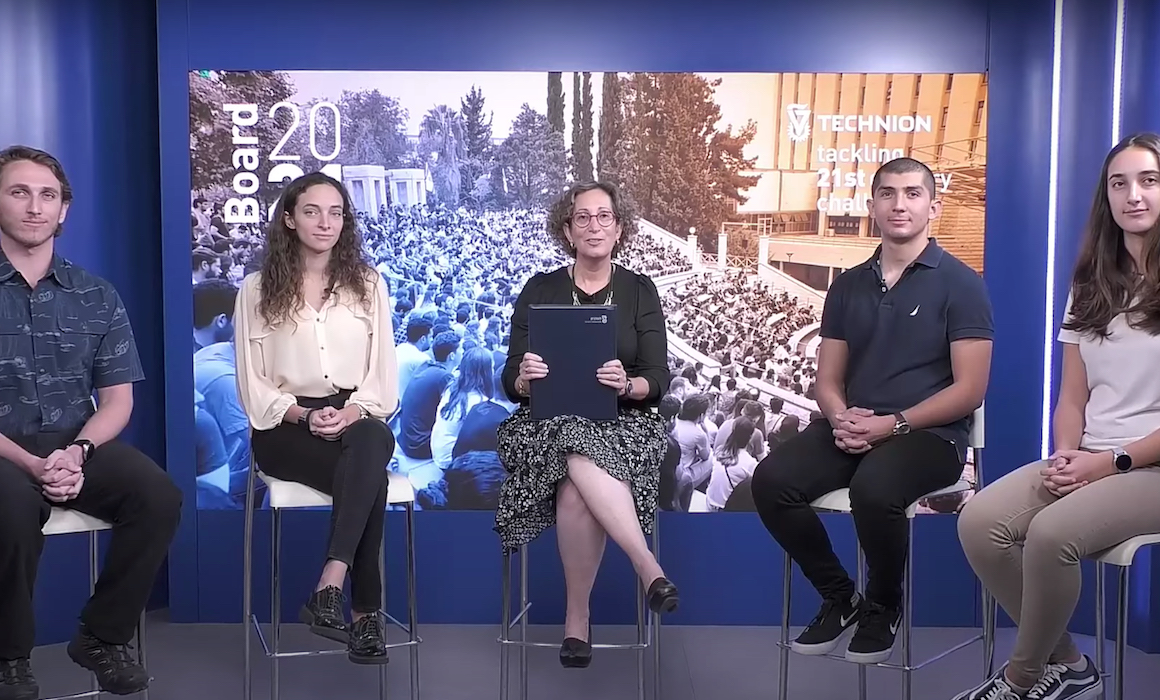
Did you know that there are more than 1,000 international students, from more than 30 countries, studying at the Technion? Watch as Technion international students panel speak with Professor Ayelet Fishman, Dean of Students, during the December 2021 Board of Governors meeting.
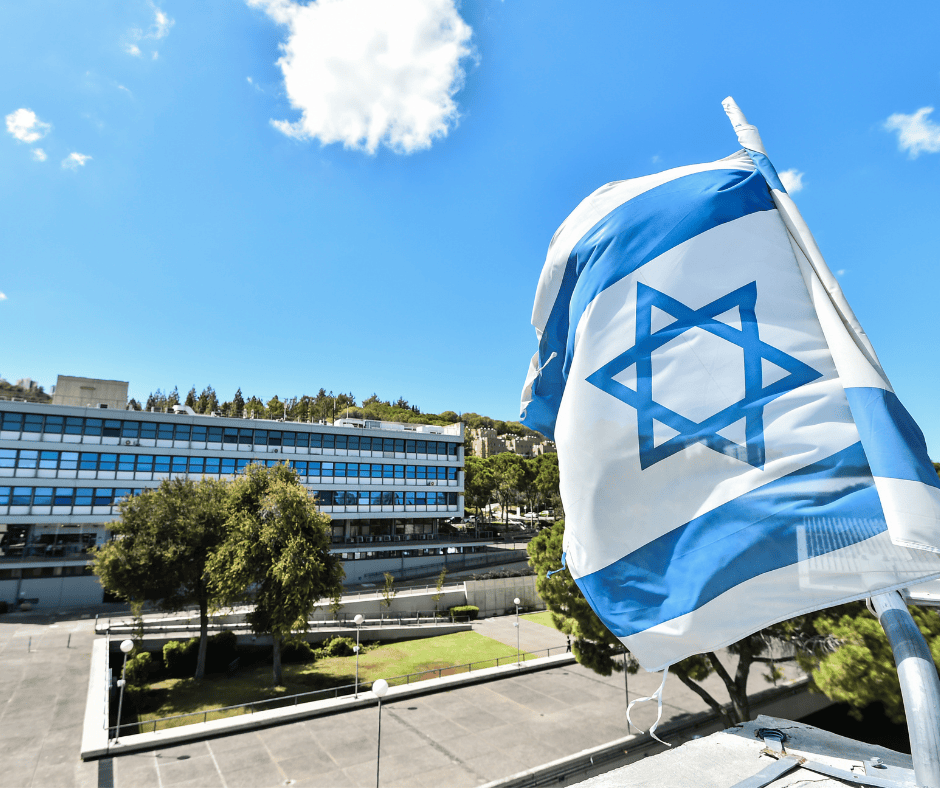
This short video, which premiered during the virtual Technion Board of Governors meeting in December 2021, is an overview of the student body and the 2021-2022 academic year. The Technion’s Haifa campus now has a population of 15,000, studying in 17 faculties.

Pictured Above / BizTEC 2021 winners Team Defi (L to R): Prof. Ezri Tarazi , Ravit Abel, Idan Shenfeld, Alon Gilad, Yaron Arbel, Eyal Kellner, and Ohad Yaniv The Defi team, established by Technion students, won first prize and $10,000 in the BizTEC 2021 entrepreneurship competition, which took place in Tel Aviv. The prize was awarded to the team members for the development of a compact portable defibrillator, which is inexpensive and easy to use. Two teams took second place: BrainSense, which developed a system that monitors stroke events by identifying changes in brain activity and whose members are Technion…
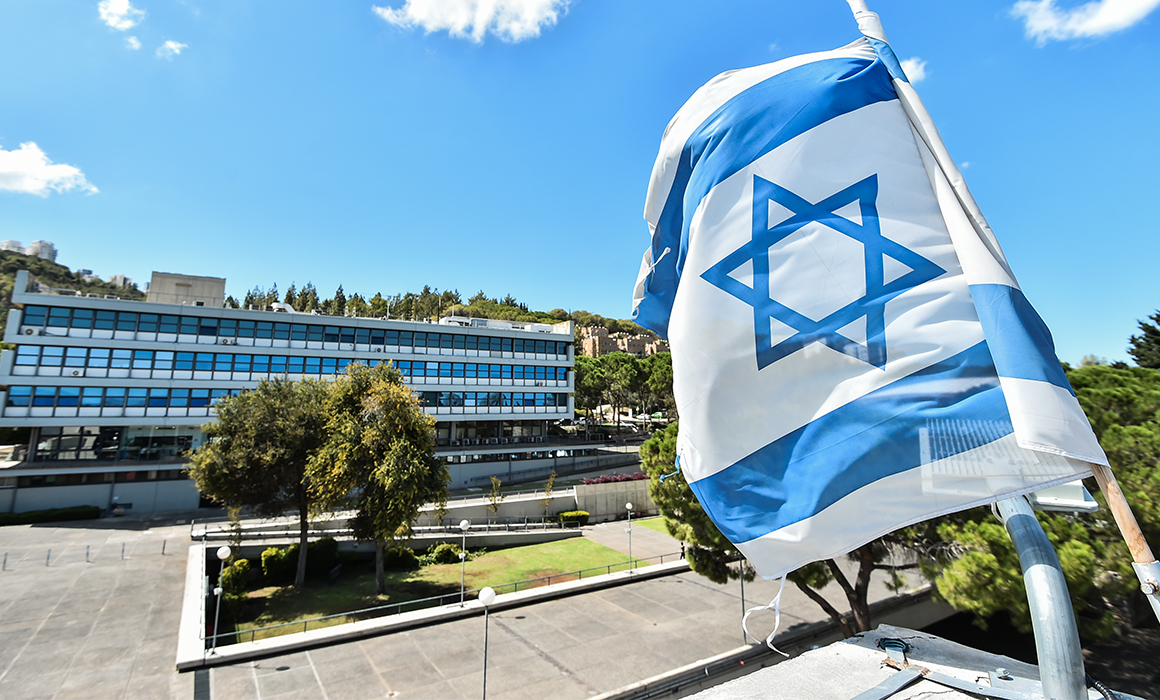
The National Academy of Inventors and the Intellectual Property Owners Association (collectively known as NAI-IPO) has ranked the Technion – Israel Institute of Technology as one of the top 100 worldwide universities granted U.S. utility patents. The achievement is yet another international recognition of the Technion’s rigorously entrepreneurial and innovative spirit on campus — an ethos that has produced thousands of inventions from both researchers and alumni, including a device that uses AI to detect the scent of more than 23 specific disease biomarkers in a person’s breath, the USB flash drive, and a robotic suit that enables paraplegics to…
Researchers at the Technion – Israel Institute of Technology, in collaboration with researchers from Le Centre National de la Recherche Scientifique (CNRS) in Toulouse, France, discovered an artificial molecule that may inhibit the development of Alzheimer’s disease. The molecule breaks down the toxic chemical complex Cu–Aβ, inhibiting the cell death that is thought to be related to Alzheimer’s. The study was led by Professor Galia Maayan and doctoral student Anastasia Behar from the Schulich Faculty of Chemistry, in collaboration with Professor Christelle Hureau from the Laboratoire de Chimie de Coordination du CNRS.
A friend calls with the news she was just diagnosed with COVID-19. You had dinner with her last night, and suddenly you start coughing, feel flu-like symptoms, and your fever spikes. What’s going on? Are you coming down with the virus or are your symptoms psychosomatic? You test negative. Yet Technion Associate Professor Asya Rolls […]

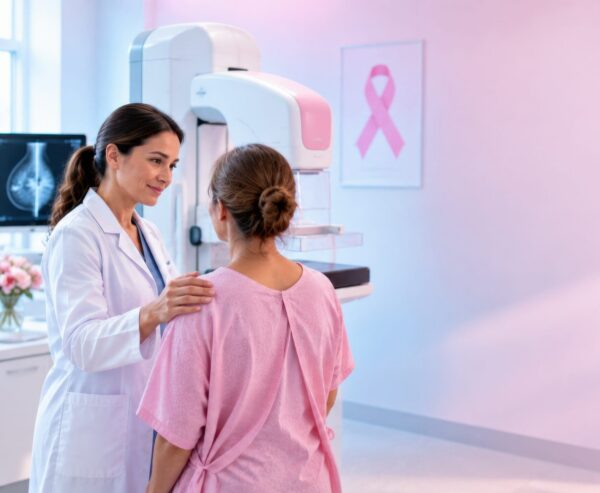
There is no guarantee for preventing stroke, but eating healthy, exercising, and regular medical check-ups go a long way. Now it seems we can reduce stroke risks even more with computer science. Two Technion master’s degree students have written a machine learning algorithm that can accurately predict whether a person will develop the irregular heart rhythm atrial fibrillation (AFib) — a condition that causes one in seven strokes. Working under the supervision of Assistant Professor Joachim A. Behar, head of the Artificial Intelligence Laboratory in Medicine, Shany Biton and Sheina Gendelman accessed more than one million ECG recordings from more…
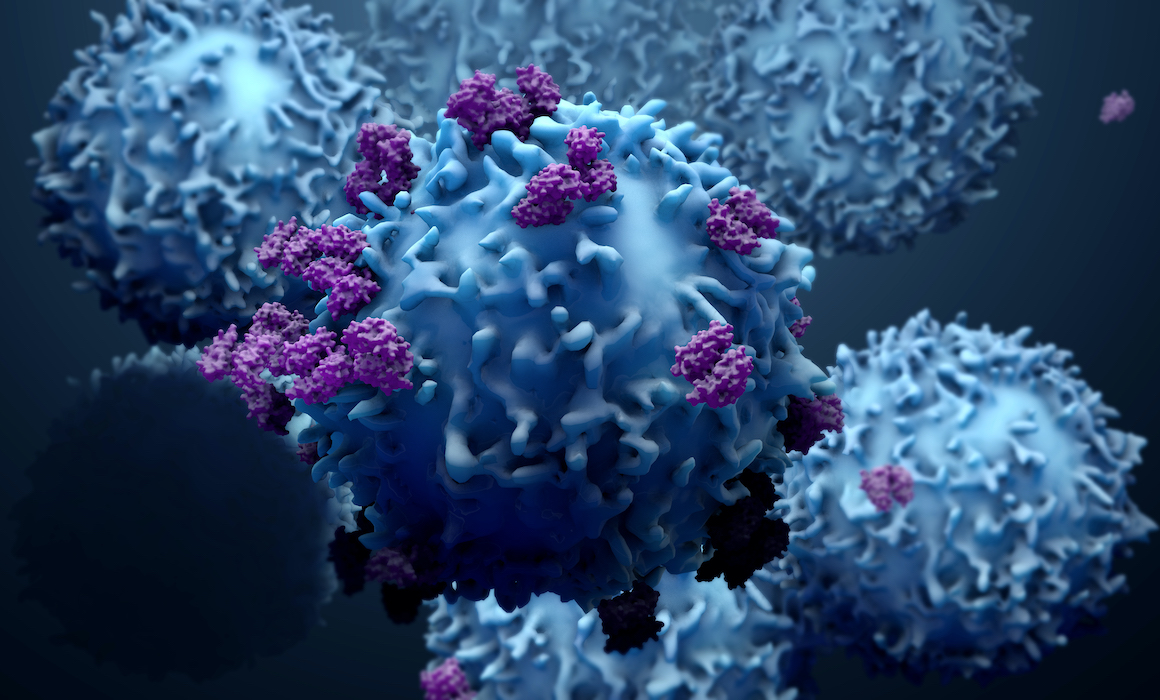
Scientists from the Technion have found a way to rejuvenate the aging process of the body’s immune system. Professor Doron Melamed, principal investigator in the Richard and Kenneth Skodnek Developmental Immunology and Aging Research Laboratory, and doctoral student Reem Dowery sought to understand why the elderly population is more susceptible to severe cases of COVID-19 and why the vaccines seem to be less effective and wane faster among this population. The results of their work were published recently in the peer-reviewed, online medical journal Blood. The secret begins with B cells, also known as B lymphocytes, which protect us from…