
Moving Through Two Realities
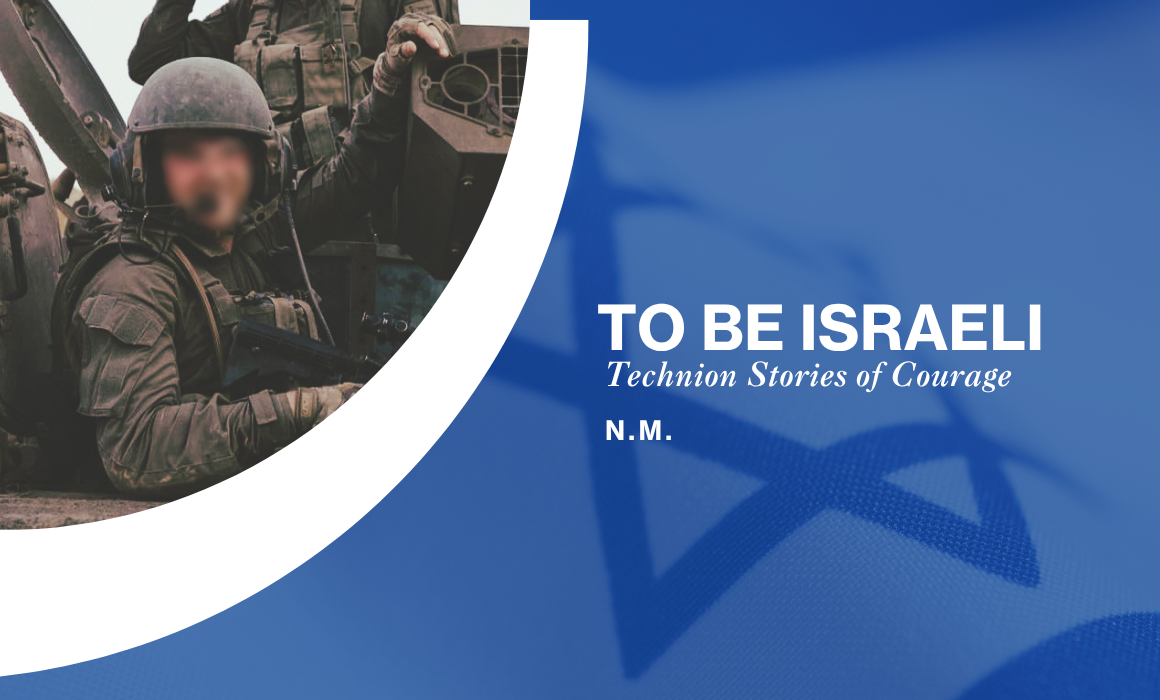
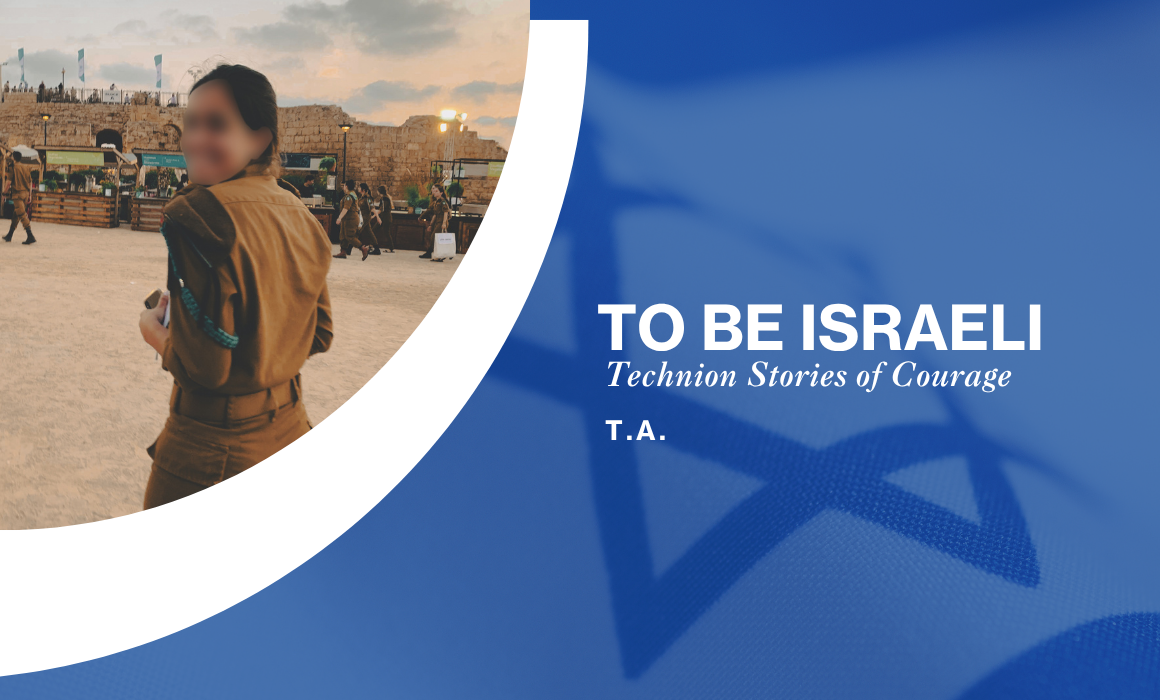
Soon after the attacks on Israel on October 7, 2023, N.M. was called to the south to help secure the kibbutzim and other communities near the Gaza border, and to rescue those who may have been wounded or hiding in fear. The operation was the nation’s top priority. For N. it was the start of what he calls “a second reality.”
“Since that day, every person in Israel has had to mix normal life with war, and I am no different.” He was both a reserve combat soldier, who served more than 250 days on the front, and a Technion computer science undergrad — in that order. “From the quiet of the classroom I suddenly found myself back in uniform fighting in Gaza,” he said.
His first mission was to clear the southern communities of Hamas, to bring back control and a sense of security for the civilians who lived there. “We moved house by house, making sure there were no more terrorists and that people could be evacuated or return safely.”
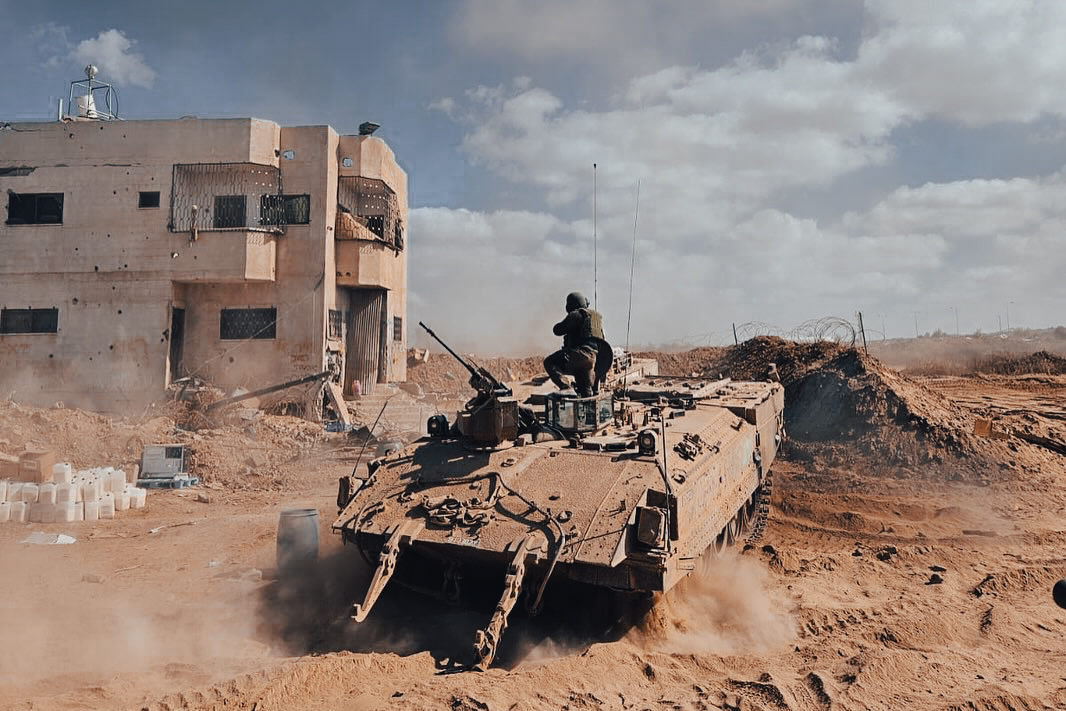
But as he walked through the ruins of burnt kibbutzim and bullet-riddled cars, he thought about the victims: “What did they feel? What were they going through in those moments when it all happened? You look at their belongings and try to guess, ‘Who is this family whose table is set for the holiday?’ You look at that table and pray that the army managed to reach the house before the enemy did.”
Later, when Hamas was pushed back and the situation was more stable, N. and his unit helped the IDF prepare for the ground invasion in Gaza. This meant fighting in several hot spots to ensure Israel’s soldiers could move as safely as possible. “For me, this period was about doing everything I could to protect my country and the people who live here.”
Even those not in uniform experienced fear and hardships. His partner stayed home, “but she went through a lot of loneliness, worry, and a strong feeling that she had no control over what was happening,” he said. “Of course, she was also afraid to lose me.”
Soldiers in his unit were given only a few minutes every few days to talk with their family, and these calls were often quite emotional. N. recalled struggling to sound calm on the phone when war was exploding around him. “When I think about the impact of the war, I see not only the soldiers at the front, but also the families who stand behind us and pay a very heavy price in silence.”
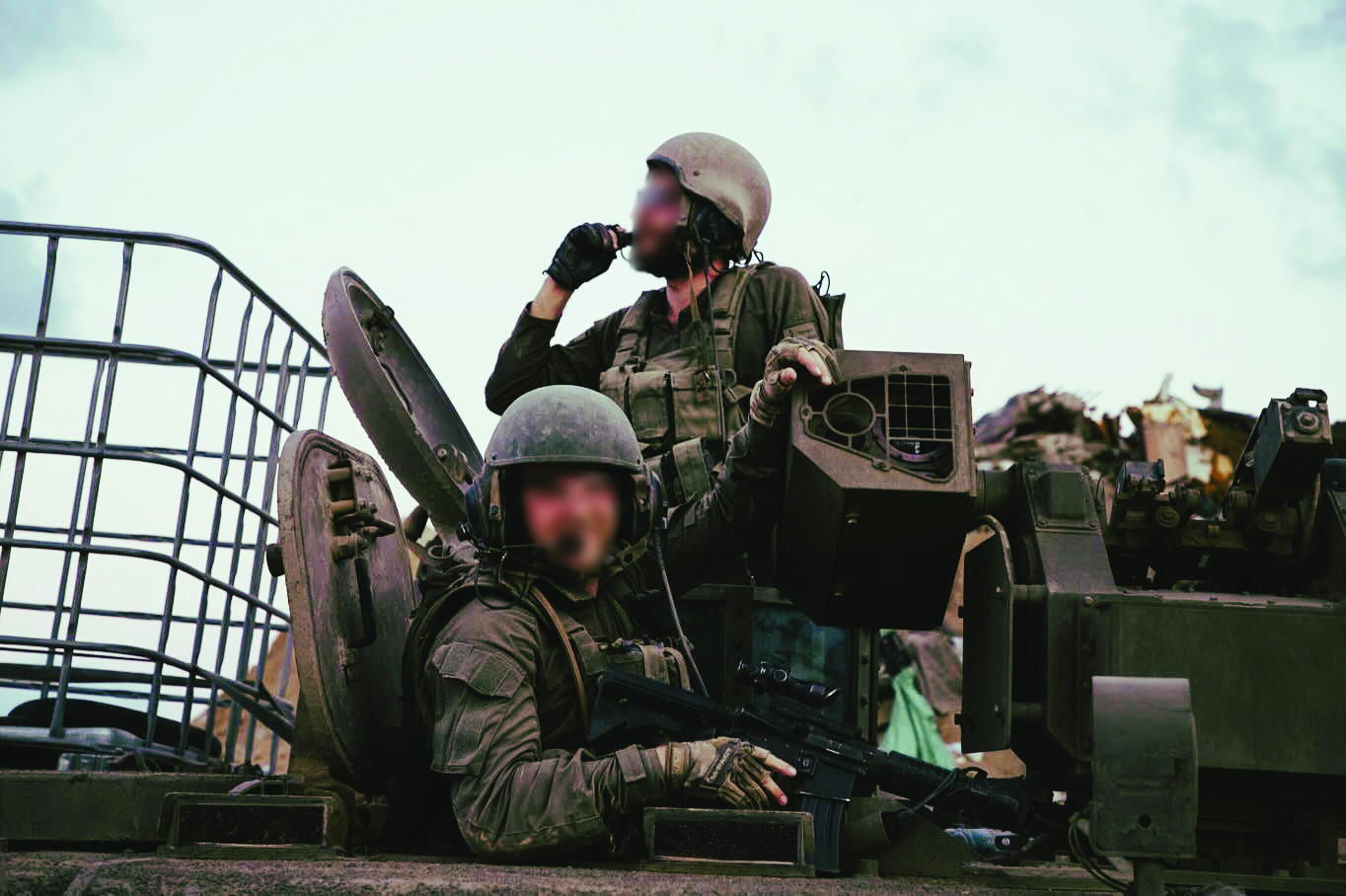
All the while, N. felt divided between his academics and the reality of war. “The Technion became a kind of ‘second reality,’ a picture of normal life inside the chaos,” he said. Taking books with him to the front, he said, “I tried to stay connected to my future by studying in short breaks. It was a way to hold on to normal life and to the future I am building.”
Returning to campus also was not easy. “Life resumed. Students filled the corridors, the coffee shops were busy, exams returned to the calendar. But inside, I carried memories, worries, and the names of friends who were still in uniform or who did not come back.”
The Technion stood by him as it did for all returning soldiers, making special adjustments such as providing extra exam dates, help with catching up on material he missed, and access to recordings of lectures.
“I never felt that I was left alone to choose between serving my country and pursuing my education.”
In Israel, serving in the military is a lifelong commitment. N. has learned to integrate its challenges into the whole of his life — and is hopeful. “You learn to tell the people you love that you love them, and how important they are to you … And to not lose faith that a better future is waiting,” he said.
“Continuing my degree is another way to protect and strengthen Israel, this time with knowledge and innovation instead of a rifle.”