The Runway Startup Program Welcomes Its Newest Founders
October 05, 2026
















The Technion’s story has been intertwined with Israel’s for more than a century, from laying the foundations for a new nation to shaping its future.
Step inside Israeli innovation at the David and Janet Polak Visitors Center. Experience our 360° immersive movie and tech exhibition. Open to individuals and groups.
Learn MoreThese Researchers are Rewriting the Rules of Medicine
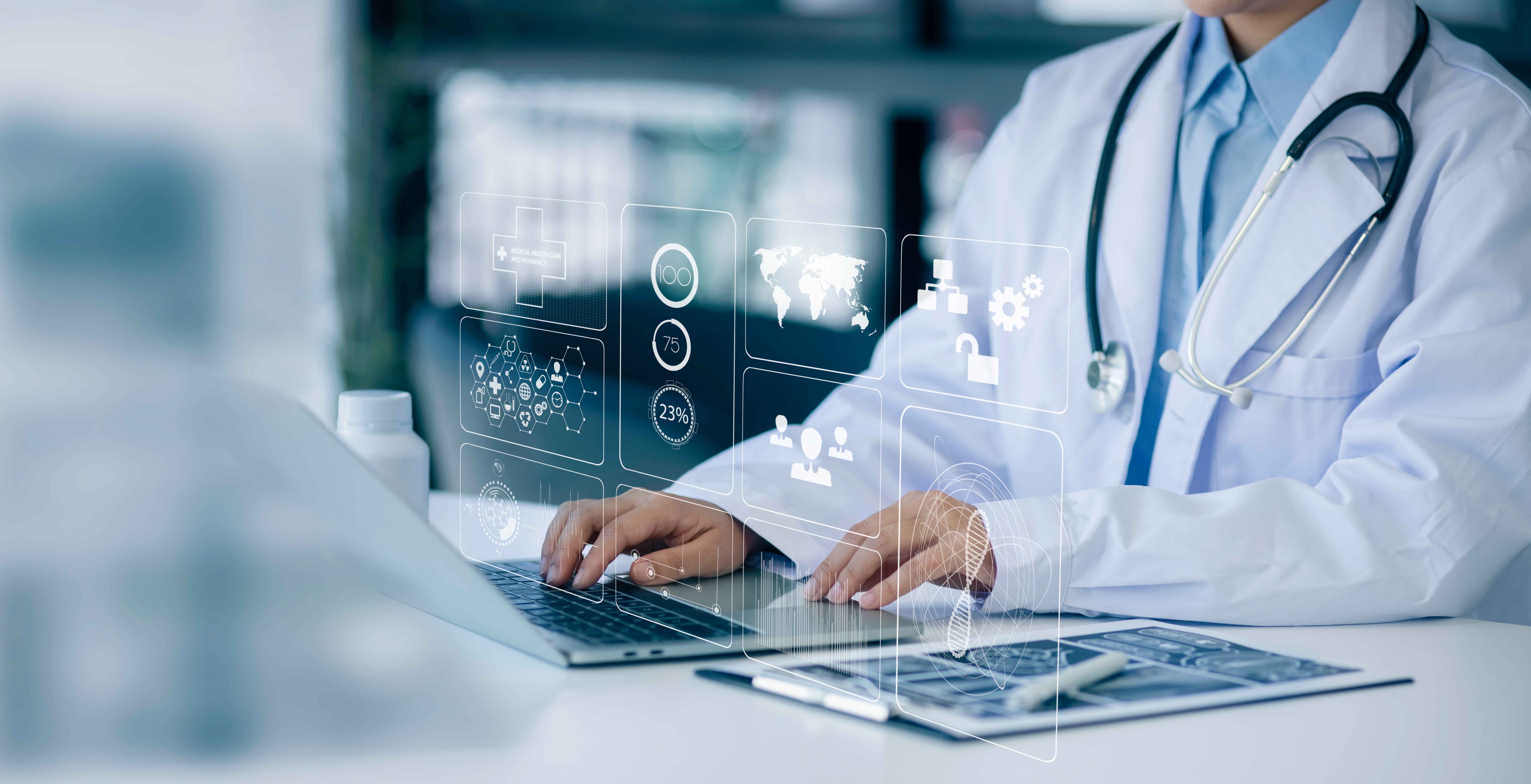
At the Technion, researchers are unraveling the fierce battles our cells wage against viruses, uncovering how gut microbes shift the tide in chronic disease, and revealing the brain’s surprising power to heal broken hearts. From revolutionary dual-target antibodies that outsmart the flu to groundbreaking discoveries in inflammation, these breakthroughs are rewriting the future of medicine — promising lifesaving therapies that arrive faster, hit harder, and change everything.
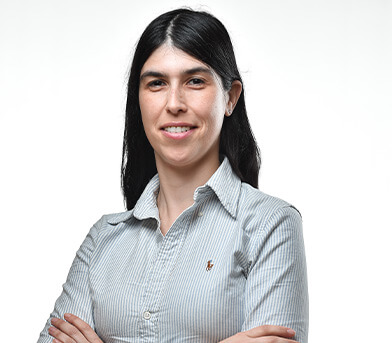
Clearer AI interpretation of real-world ECG images could transform cardiac diagnostics and speed treatment decisions. Dr. Vadim Gliner, a former Ph.D. student in Prof. Yael Yaniv’s Biomedical Engineering Lab, in collaboration with the Schuster Lab in The Henry and Marilyn Taub Faculty of Computer Science, developed a method that pinpoints critical heart signals – even in imperfect photos – helping doctors trust and act on AI insights.
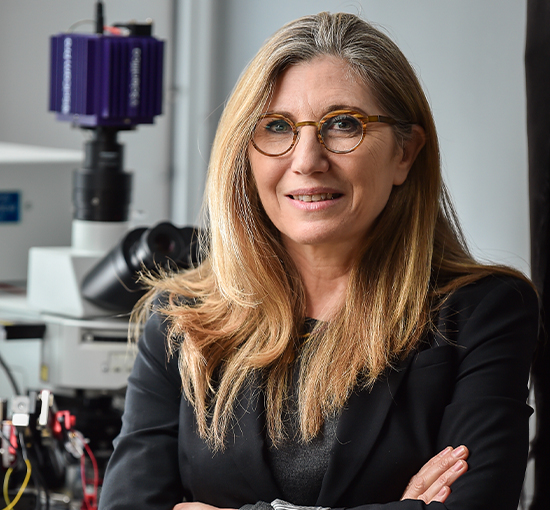
Dopamine’s key role in rewiring the brain for motor learning points to promising treatments for movement disorders like Parkinson’s disease. In a recent study, Dr. Hadas Benisty and Prof. Jackie Schiller from the Rappaport Faculty of Medicine with contributions from Prof. Ronen Talmon from the Andrew and Erna Viterbi Faculty and Rappaport Faculty of Medicine revealed how dopamine signals drive the brain’s ability to master new movements.
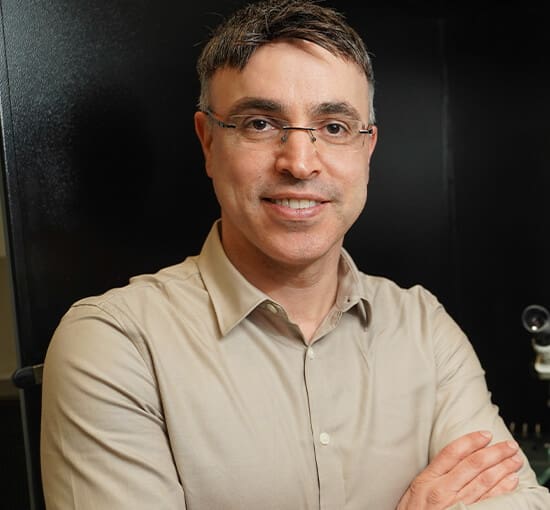
Real-time, non-invasive monitoring of tissue models could revolutionize cancer detection and personalized medicine. Developed by Prof. Hossam Haick, postdoctoral fellow Dr. Arnab Maity, and Ph.D. student Vivian Darsa Maidantchik in the Wolfson Faculty of Chemical Engineering, the novel “chemical tomography” method tracks disease progression and molecular changes without damaging tissue.
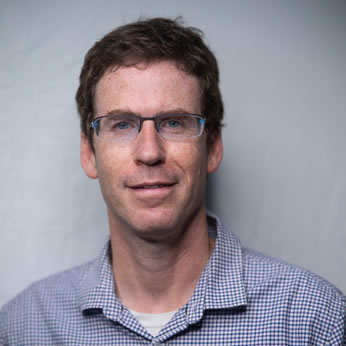
Tracking critical metabolites linked to diseases like cancer just got closer to routine clinical use. Dr. Itai Katz and Prof. Aharon Blank’s team in the Schulich Faculty of Chemistry along with Prof. Boaz Pokroy from the Faculty of Materials Science and Engineering developed a new MRI technique that extends the imaging window, enabling longer and clearer detection of these vital markers — a major step toward better diagnosis and monitoring.

A breakthrough in understanding how cells fight viruses could pave the way for faster, more effective antiviral treatments. Conducted by Prof. Yael Mandel-Gutfreund and Dr. Amir Argoetti in the Faculty of Biology, the study identified a genetic mechanism that triggers a swift immune response, preventing viruses from replicating inside human cells.

New insights into how gut microbes reprogram themselves during disease may lead to targeted treatments for inflammatory bowel conditions like Crohn’s and colitis. Prof. Naama Geva-Zatorsky and her team in the Rappaport Faculty of Medicine uncovered a microbial adaptation strategy that disrupts immune regulation – a shift that could undermine the body’s defenses at a critical time.
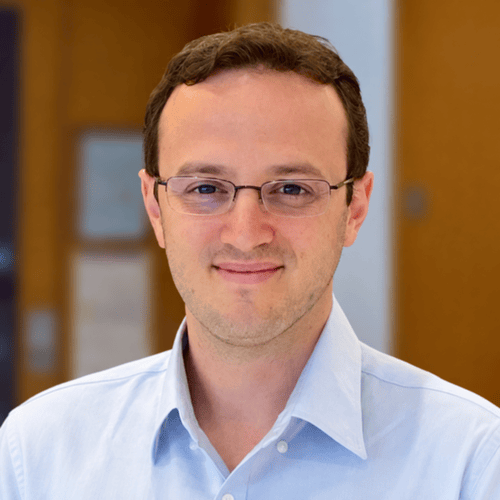
A novel antibody that targets two key proteins of the influenza virus offers stronger protection and could reduce the virus’s ability to develop resistance. Developed by graduate student Romila Moirangthem under Dr. Yotam Bar-On in the Rappaport Faculty of Medicine, the dual-targeting approach showed superior results in lab and animal studies – opening new possibilities for more effective flu treatments.