Something Fresh in the State of Denmark
October 06, 2026





















The Technion’s story has been intertwined with Israel’s for more than a century, from laying the foundations for a new nation to shaping its future.
Step inside Israeli innovation at the David and Janet Polak Visitors Center. Experience our 360° immersive movie and tech exhibition. Open to individuals and groups.
Learn More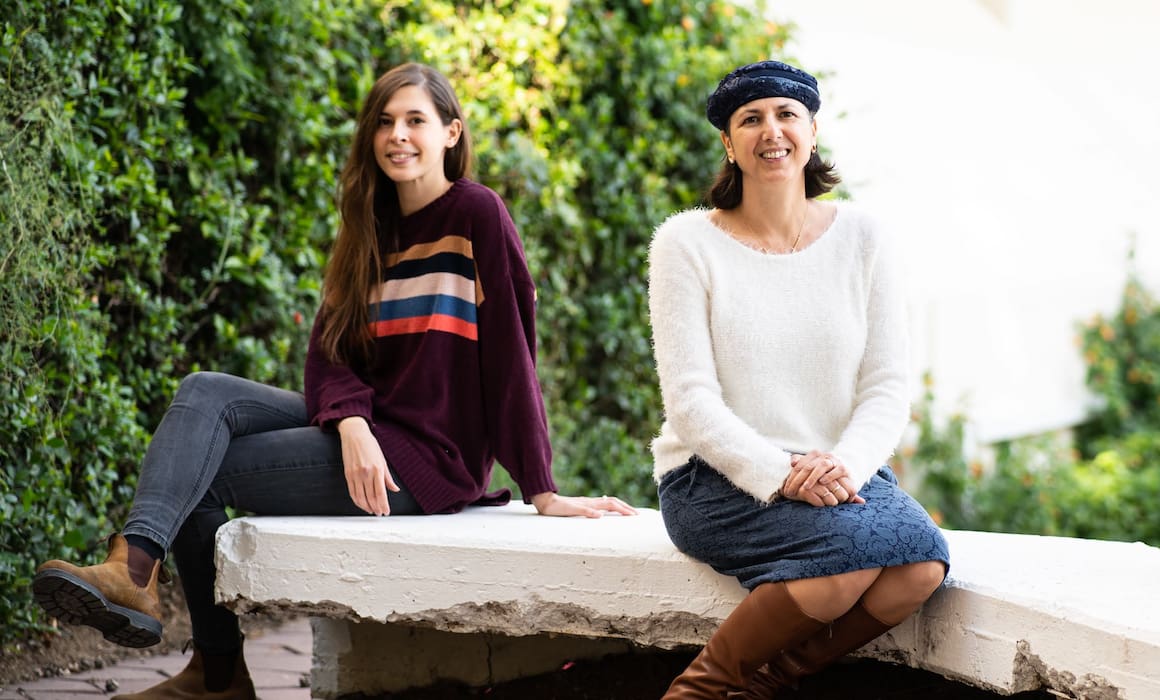
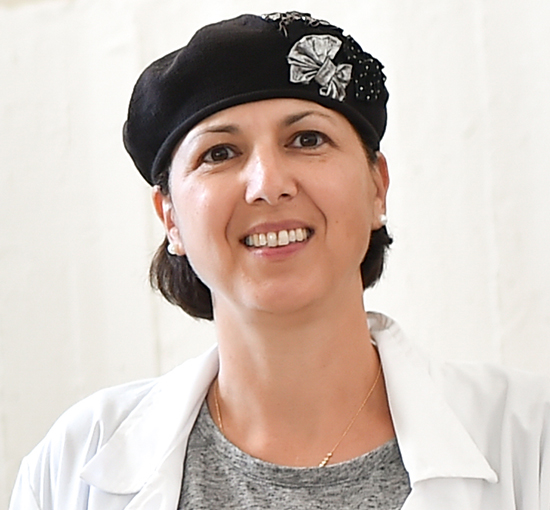
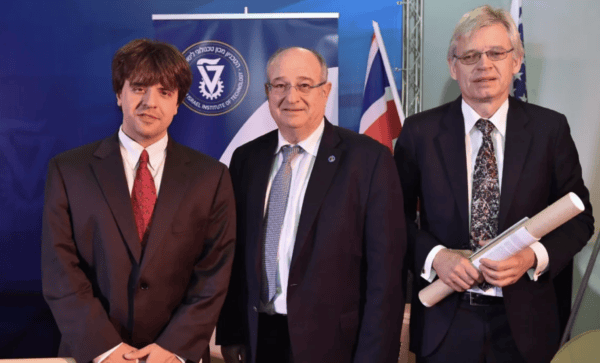
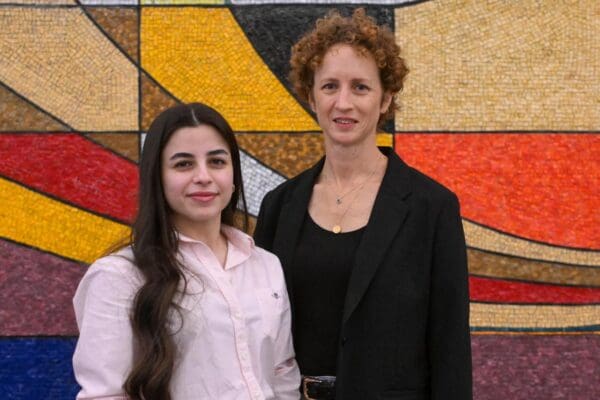
Pictured Above / L to R: Ph.D. student Iris Ianovici and Prof. Shulamit Levenberg.
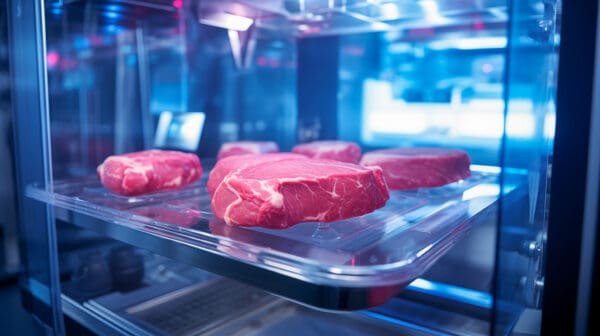
Researchers at the Technion have successfully created edible muscle fibers by bioprinting a plant-based scaffold and living animal cells.
The development of cultivated meat — meat that does not involve the raising and slaughtering of animals — is a potential solution for the growing need for meat products following population growth, the environmental damage caused by breeding cattle, and the increasing awareness of animal welfare.
To fulfill the promise of cultivated meat to meet various consumer expectations, there is a need for technologies that allow for the production of whole muscle cuts that are as similar as possible – in terms of taste, smell, and culture – to those slaughtered from animals. The researchers, Professor Shulamit Levenberg, Ph.D. student Iris Ianovici, and cultivated meat producers at Aleph Farms (opens in a new tab), believe their technology will enable the robust production of cultivated meat at large scale in the near future.
Prof. Shulamit Levenberg, a world leader in tissue engineering, became involved in cultivated meat several years ago after recognizing that her inventions in tissue engineering for medical needs are also relevant for growing cultivated meat. Her research on the subject led to the founding of Aleph Farms, which sponsored the research study now being published. Last year, Aleph Farms presented the first cultivated ribeye steak in history — created in the Levenberg lab — and has since pursued the development of new products.
Enabling the perfusion of nutrients across the thicker tissue has been a significant challenge to creating meat cuts that look and taste “real.” Most of the currently used scaffolding materials for growing tissues are derived from animals.
The Technion researchers present a solution to these challenges by using an alternative bio-ink to bioprint scaffolds from animal-free proteins, as well as living animal cells. The bio-ink contains the cells that will form the muscle tissue — satellite cells originating from a biopsy taken from livestock. It is formulated by combining alginate (a compound found within the cell walls of brown algae) and proteins isolated from plants. The printing process enables the creation of protein-enriched scaffolds with different geometries.
After the scaffolds were printed with the living animal cells, a high cell viability was observed. Furthermore, the cells successfully matured to create muscle fibers as the tissue grew. Since the geometry of the scaffold can be controlled, it is possible to control the introduction of nutrients and the removal of waste from the developing tissue.
“In the engineering process we developed in the lab, we tried to mimic the natural process of tissue formation inside the animal’s body as much as possible,” said Prof. Levenberg. “Since we used non-animal-derived materials, like pea protein, which is non-allergenic, our findings promise greater development of the cultivated meat market moving forward.”