Something Fresh in the State of Denmark
October 06, 2026















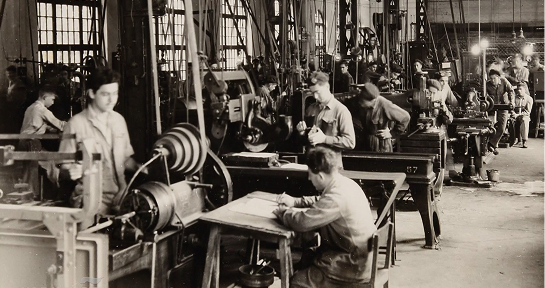
The Technion’s story has been intertwined with Israel’s for more than a century, from laying the foundations for a new nation to shaping its future.

Step inside Israeli innovation at the David and Janet Polak Visitors Center. Experience our 360° immersive movie and tech exhibition. Open to individuals and groups.
Learn MoreA Technion student reservist rebuilds his life following a devastating combat injury in Gaza — with his wife by his side and the Technion at his back.
When Technion undergraduates N.W. and Y.W. prepared to begin the winter semester in October 2023, they could not anticipate how their lives would be forever changed. N. was excited to begin her fourth year of studies at the Technion in mechanical engineering, and Y. was ready to embark on his first semester as a student of mathematics and computer engineering.
The evening of October 6, they were celebrating Shemini Atzeret at Y.’s parents’ house in Jerusalem. The following morning, they awoke to the sound of sirens, and soon after learned that Hamas had attacked their country.
“Your entire life can change in an instant,” says N. “We, along with every other Israeli, were reminded of this on October 7.”
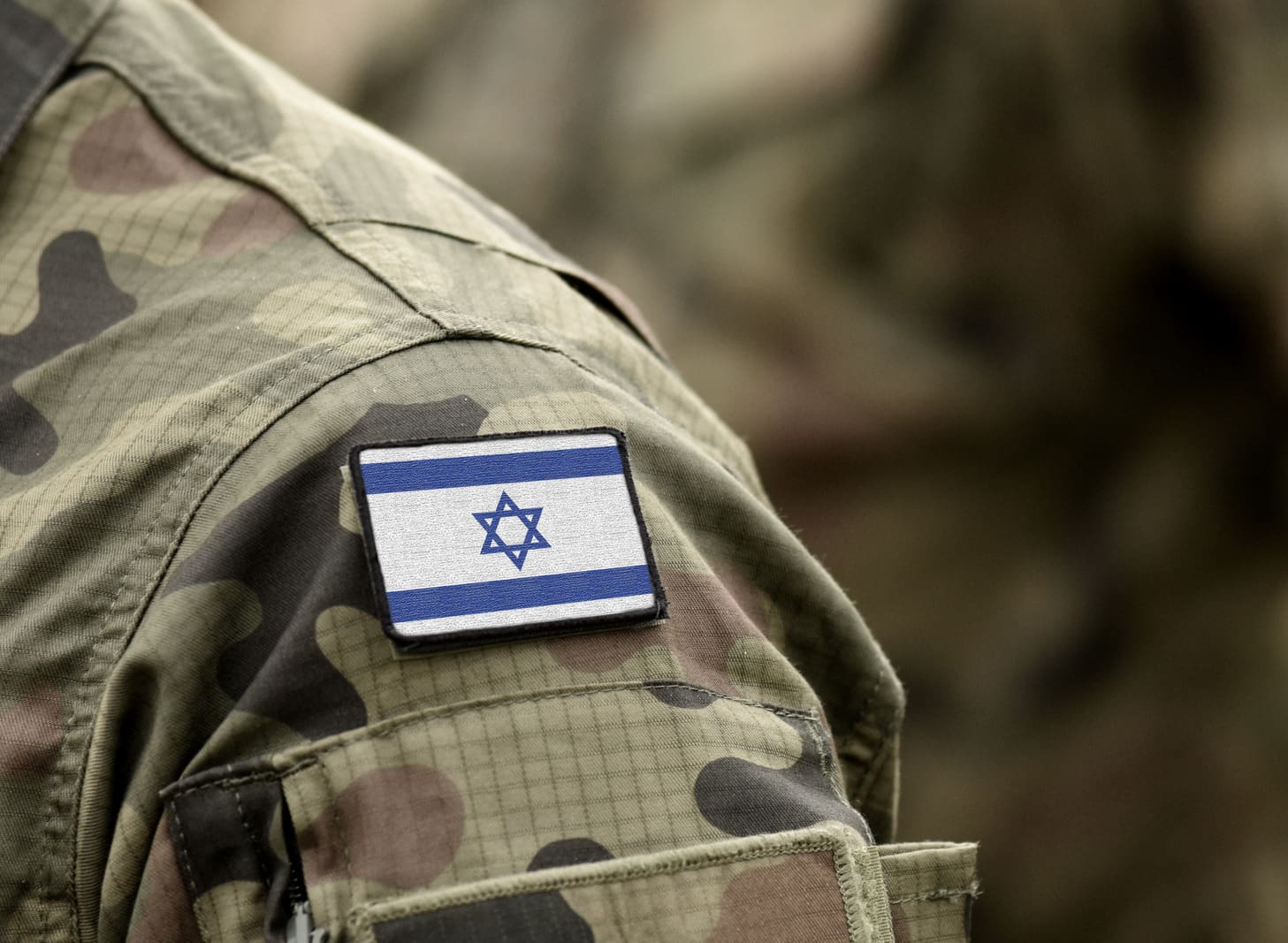
A reservist in the Israel Defense Forces, Y. was called for duty on October 8. With many of his Technion peers in the same position – and the nation facing an unprecedented crisis – the University postponed the start of the semester until January.
After a few weeks preparing for battle, Y. and his tank crew entered the maelstrom of the Gaza Strip. Two months into the mission, on January 19, 2024, an anti-tank missile struck his tank. The blast killed one of Y.’s fellow soldiers and injured everyone in the tank crew. The trauma of the impact, combined with smoke inhalation, critically injured Y.’s lungs. He was immediately transported to a hospital in Beersheba.
Back in Haifa, one week into the winter semester, N. received the worst phone call of her life. When she arrived at the hospital, she found her husband in critical condition, breathing with the help of a heart and lung machine. She quickly realized she would need to withdraw from school to support him.
Y. remained in this condition for weeks, always with N. by his side, watching him hang on to life by a thread. Along the way, she was grateful for the support the Technion provided. “A Technion staff member called me every week to ask how Y. and I were doing,” she says. “We knew we were not alone.”
Y.’s care reached a turning point two months after his injury, when his doctors made the critical decision that his lungs were beyond repair, and he would need a transplant. After a successful surgery, Y. awoke from sedation, breathing air from new lungs. Now, the next leg of his journey would begin.
“His muscles had completely atrophied from months of sedation,” says N. “Sitting up in bed, standing, walking — all the things we take for granted — he had to start from scratch. He did a lot of physical therapy and hard work to recover.”
Y. completed intensive rehabilitation in September 2024, and today he is walking and even running short distances. Being a lung transplant survivor will impact the rest of his life.
“He will always need to take immunosuppressive drugs so his body won’t attack the transplant, and these drugs make him vulnerable to common illnesses,” says N. “His life will never be the same.”
In October 2024, N. and Y. resumed their studies, with the University housing them in a wheelchair-accessible dormitory. N. is pursuing a career in biomedicine, and Y. a role in the high-tech industry. Despite their personal trials, they look toward the future with hope for themselves and for Israel.
“Our goal is to live as normal a life as possible despite the injury — to study, to create fulfilling careers, to build a family,” she says. “We pray that, once this war is over, we and our fellow Israelis will find the strength to heal.”