Why the Perfect Pitch is Your Biggest Mistake
September 23, 2026





















The Technion’s story has been intertwined with Israel’s for more than a century, from laying the foundations for a new nation to shaping its future.

Step inside Israeli innovation at the David and Janet Polak Visitors Center. Experience our 360° immersive movie and tech exhibition. Open to individuals and groups.
Learn More

CSRankings, the leading metrics-based ranking of the world’s top computer science institutions, has ranked the Technion number one in the field of artificial intelligence (AI) in Europe, and 15th worldwide. CSRankings also ranked the Technion 11th in the world in the subfield of machine learning. Currently, 46 Technion researchers are engaged in core AI research areas with more than 100 researchers in AI-related fields, including health and medicine, autonomous vehicles, smart cities, industrial robotics, cybersecurity, natural language processing, FinTech, human-machine interaction, and others. The Technion has also established the Machine Learning and Intelligent Systems (MLIS) research center, which pools resources…

Did you ever have the feeling that your AI-driven navigation system, while touted as the most sophisticated, isn’t giving you the fastest route but instead one it wants you to map out? Companies like Waze and Google Maps, Spotify and Apple Music, or Alexa and Siri, spend millions of dollars collecting endless data to improve their competence. But new Technion research suggests that the “warmth” of a system, defined as a system with your best interests at heart, plays a pivotal role in predicting consumers’ choice between AI systems — even more than competence. In a study published in the…

Among Mediterranean academics, there’s a playful rivalry over which country was first to cure and eat olives. Turns out, Israel has the bragging rights. An archeological discovery made by researchers from several Israeli universities including the Technion shows that the process of pickling olives for eating started in the Haifa area at least 6,600 years ago. The finding, published in Scientific Reports-Nature, presents the earliest evidence of olive production for consumption. Archeologists uncovered a site in the Mediterranean Sea about 12 feet off Israel’s northern beaches containing two stone structures filled with thousands of olive pits. The structures, just barely…
With thousands of graduates working in industries all over the world, it’s no exaggeration to say that Technion ingenuity is in action every single day. If you rely on a smart home device or cloud connectivity, live in an urban area, or watch “Monday Night Football,” you’ve got Technion alums like Omer Schneider ’05; Sharon Yavo Ayalon ’01, M.S. ’10, Ph.D. ’19; and Alon Kremer ’11 to thank. These Technion graduates are making the world better, safer, and more secure in some truly remarkable ways.
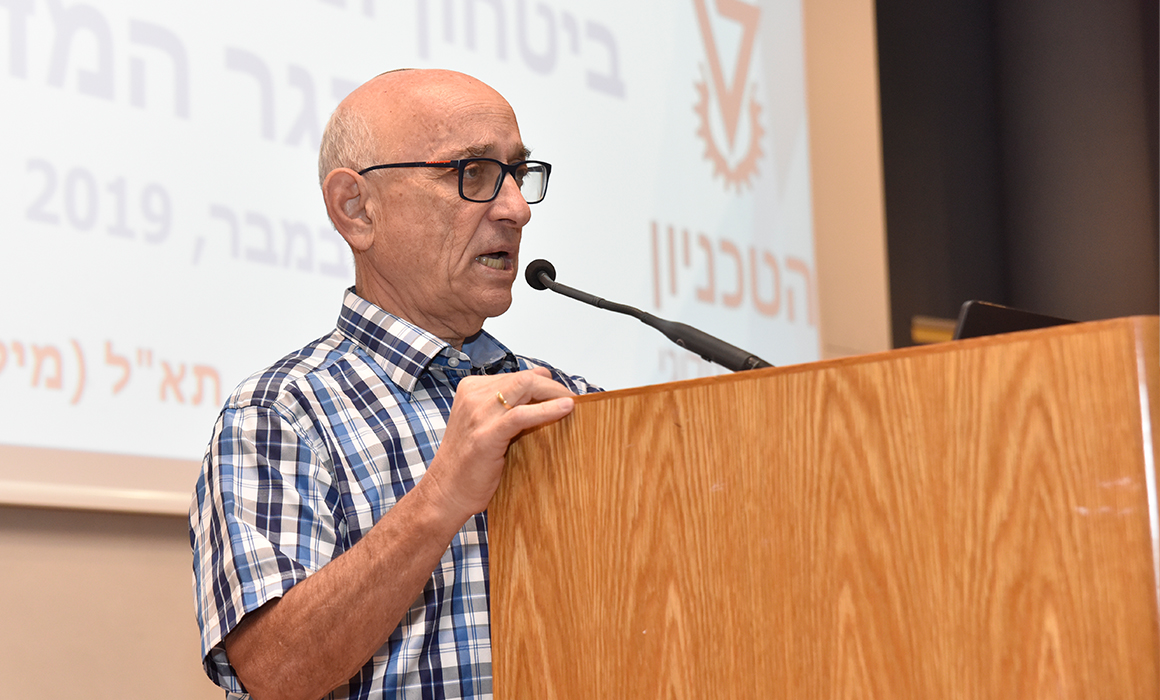
In September 2020, Israel, the U.S., the United Arab Emirates (UAE), and Bahrain signed the Abraham Accords, normalizing relations between Israel and the two Arab nations. Morocco and Sudan soon followed suit. ATS writer Jennifer Frey discussed the implications of the Accords with Visiting Professor Brigadier General (Res.) Jacob Nagel, who served as Head of […]

Dr. Eric Albin recounts in this first-person piece why he chose to support Technion in his estate plans. Some time ago, I read that hedge fund manager John Paulson had gifted Harvard University’s engineering school the fantastic sum of $400 million. My thought was, and is, that the Harvard endowment fund has more than $40 billion, so Paulson’s gift, though very generous, would make absolutely no difference in the world. It was then that I began my personal search as to where my financial support would provide the most good for the world, for this and future generations. Technion -…
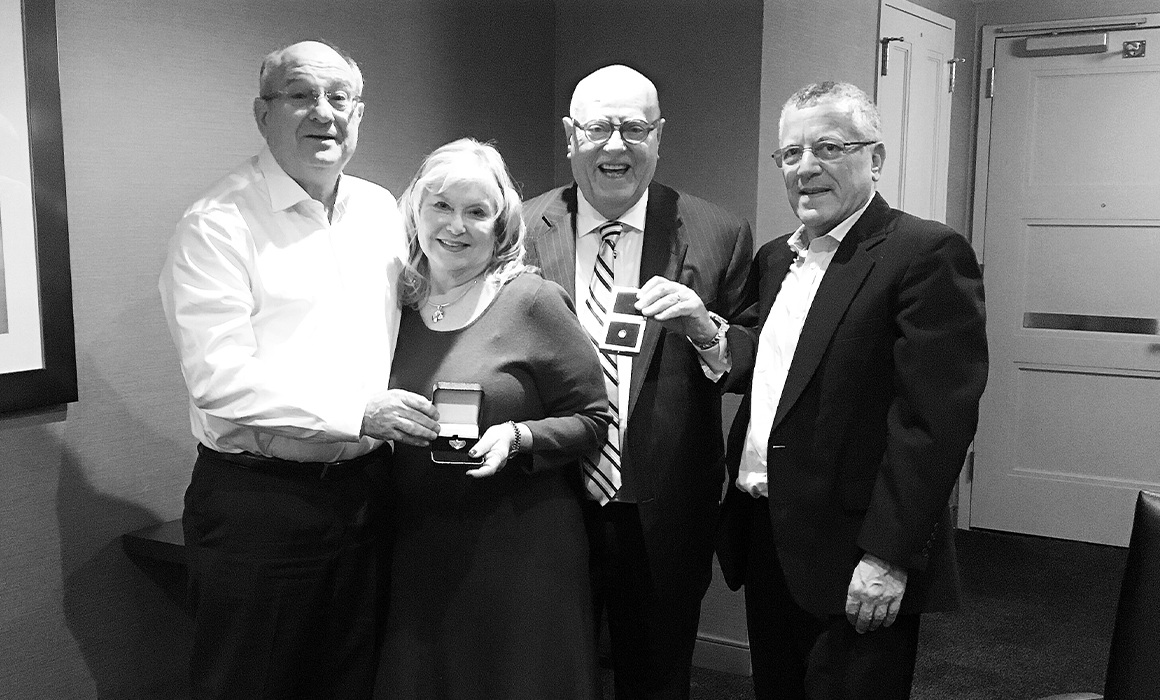
Modern-day Israel was built by hardworking pioneers, people like Avraham Ashkenazi ’66, M.S. ’72. Fleeing war-torn Europe, he studied engineering at the Technion and forged the nation’s infrastructure and industry. After a successful career in Israel, Iran, and the U.S., Mr. Ashkenazi can now pull back — and give back. He and his late wife Patricia have contributed to numerous causes, including Friends of the IDF, Jewish Film Festival, Israel Guide Dog Center, Chabad Beth El, and other synagogues in Hampton Roads, Va., near his home in Norfolk. But the American Technion Society holds a special allure. “The Technion is…
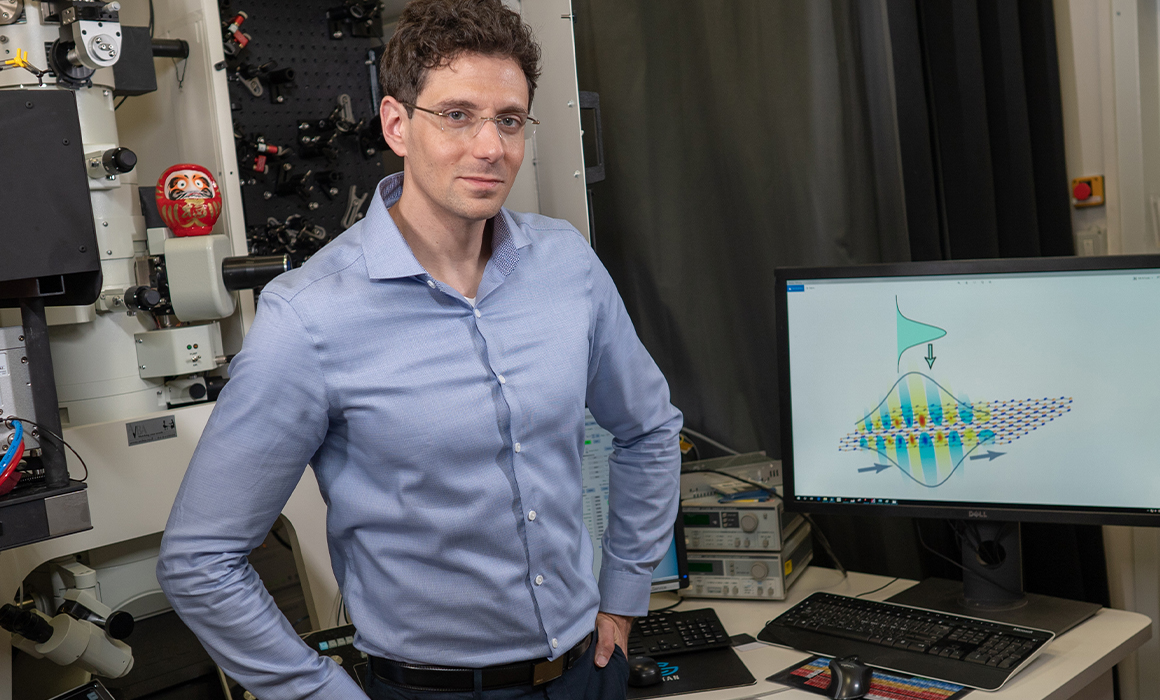
For newly minted Ph.D.s, choosing where to plant their academic roots can be an overwhelming decision. It shapes the direction of their research, where they live, and with whom they collaborate. The choice is also key for universities, which rely on recruiting top faculty to attract the best students. That’s why the Technion has long made faculty recruitment a priority. Donor-funded initiatives such as The First Steps Program, endowed Chairs, and the new Faculty Recruitment Fellowship Program allow the Technion to stay competitive with elite peers in the U.S. Despite the pandemic, the Technion recruited 36 new faculty last year,…
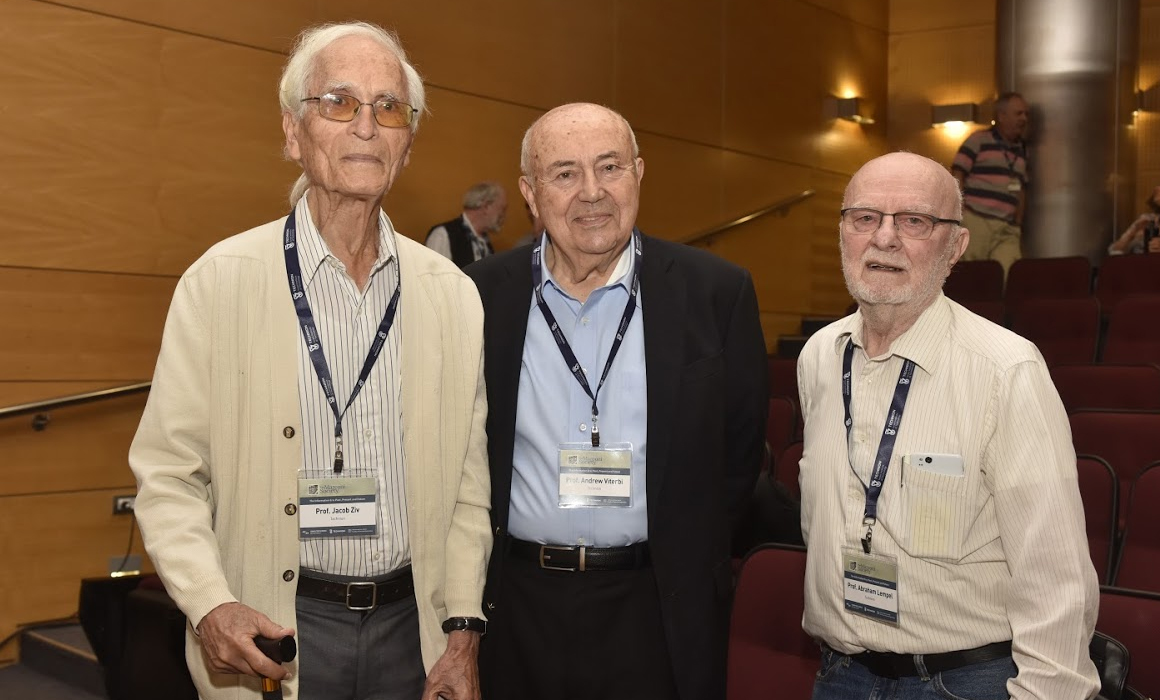
In just five short years, his groundbreaking gift has catalyzed impressive new research projects, attracted internationally acclaimed faculty and accomplished students, and much more. Science and innovation moves fast. Thanks to Prof. Viterbi’s generous investment, the Technion can stay five steps ahead, generating the advances that the State of Israel — and our world — depend upon.
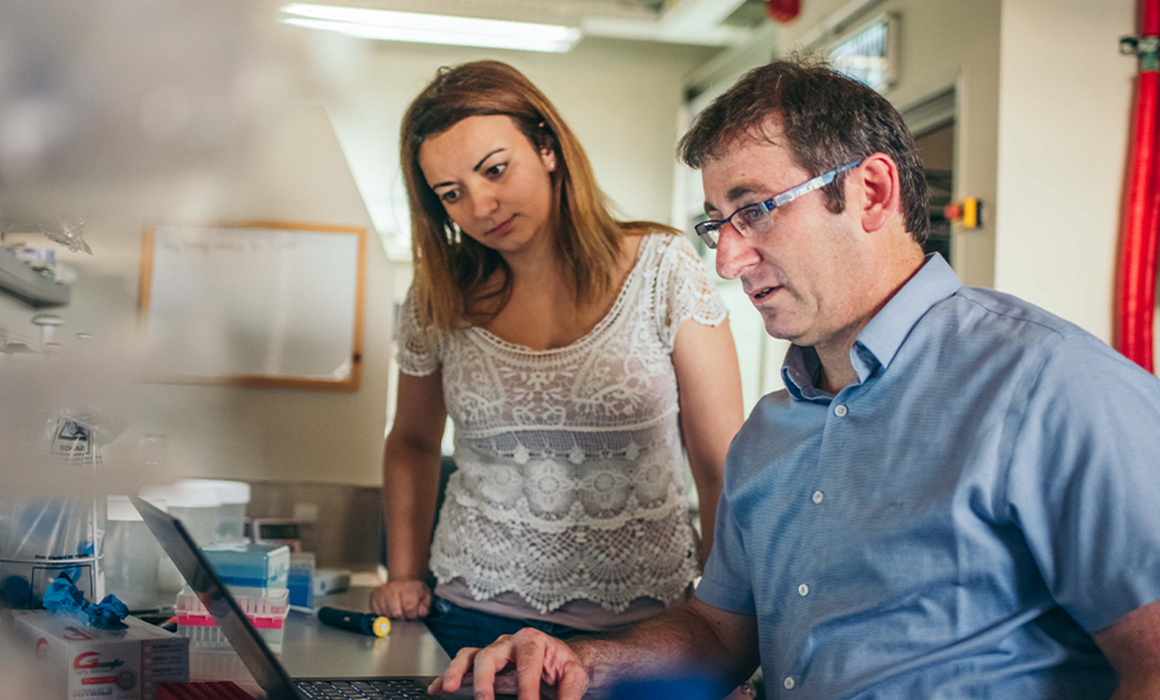
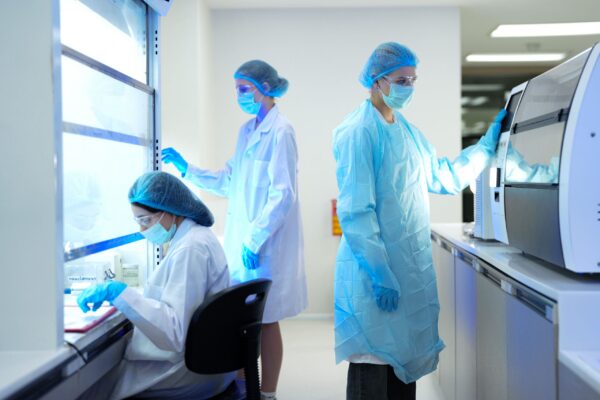
As one of the few engineering institutes worldwide with its own medical school, the Technion has transformed our knowledge of human health. Its scientists have made great strides in cancer research, personalized medicine, targeted drug delivery, and COVID-19 testing. Here are just two recent medical breakthroughs.
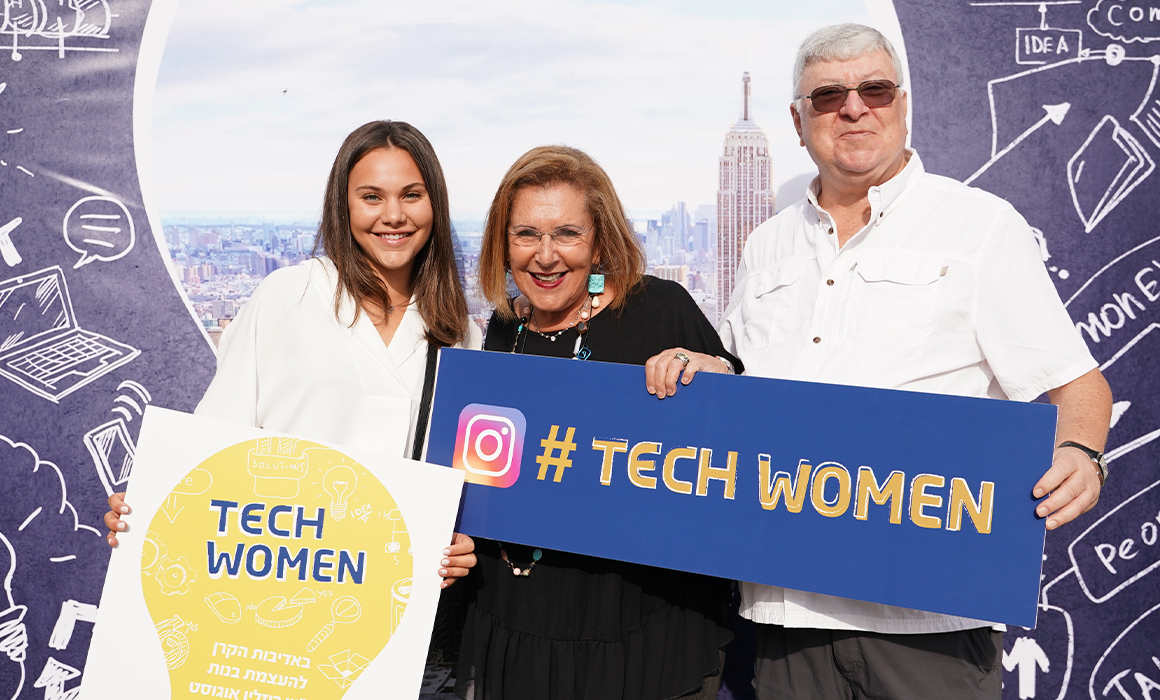
American Technion Society (ATS) National and local board member Rosalyn (Roz) August ran a successful jewelry business at a time when and in a place where women rarely went into business. So perhaps it came as no surprise when she launched an outreach program at the Technion to support women in engineering — an area where women remain vastly underrepresented. Created in 2015 with a name befitting to the onetime jeweler, The Rosalyn August Girls Empowerment Initiative, or GEM, exposes female high school students to opportunities offered by an education in engineering. Through GEM, Ms. August sponsors the yearly Tech…
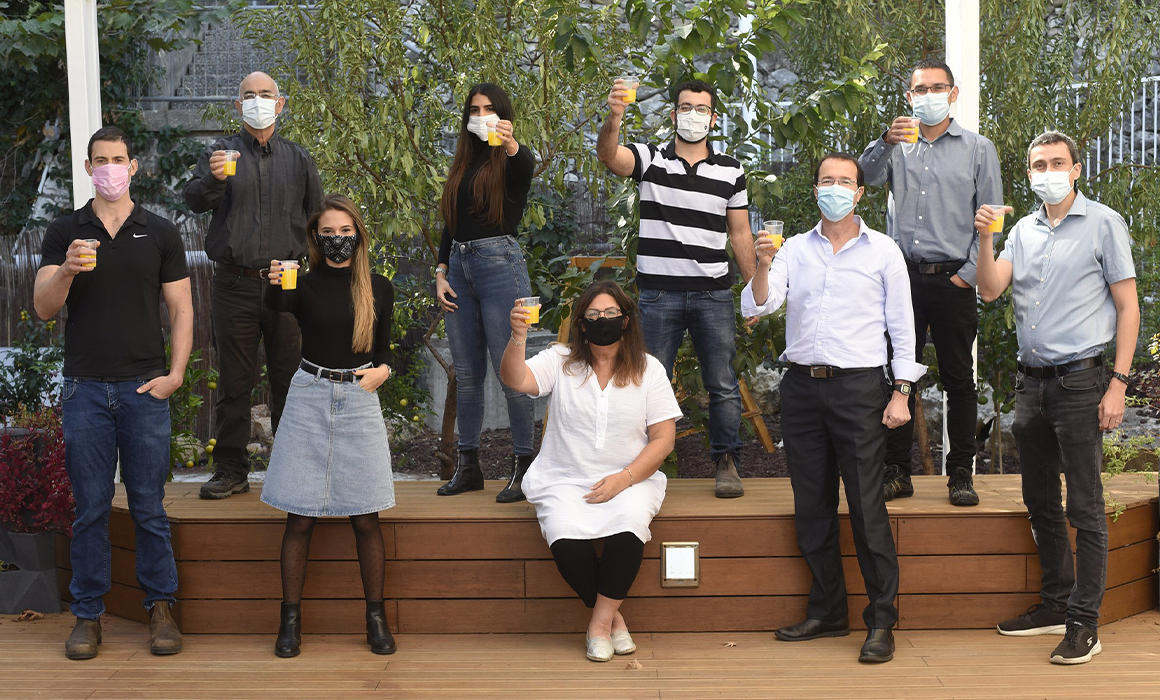
Israel’s most important national assets are its students — the next generation of visionaries and innovators who will lead the country and propel it to new heights. But students at the Technion aren’t waiting until they graduate to fulfill that responsibility: They’re developing award-winning breakthroughs even as they complete their coursework. Detecting Strokes A team of students from the Technion and the University of Missouri created Scan&Sound, an application that analyzes changes in a person’s voice and facial expressions to recognize early, subtle signs of stroke. The data is collected by the user’s cell phone. And if symptoms are detected,…