Something Fresh in the State of Denmark
October 06, 2026

















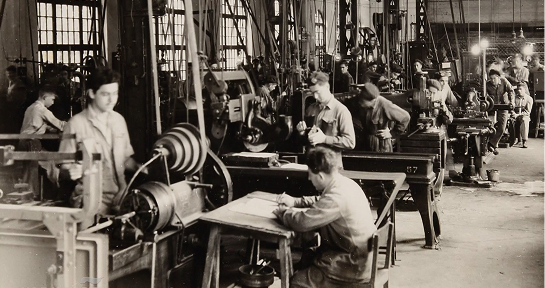
The Technion’s story has been intertwined with Israel’s for more than a century, from laying the foundations for a new nation to shaping its future.

Step inside Israeli innovation at the David and Janet Polak Visitors Center. Experience our 360° immersive movie and tech exhibition. Open to individuals and groups.
Learn More
Even in the face of the tragic events of October 7, Technion researchers have continued their work, breaking new ground in their respective fields and winning awards. Their resilience was recognized with the 85th spot in the Academic Ranking of World Universities and first place in Israeli academia in the Globes 2024 Brand Index, which focused on the relevance to the job market when choosing a university.
As the oldest university in Israel, the Technion has a deep history of ties with industry, sending a high percentage of graduates to the most respected multinational companies. Intel opened facilities in Israel as early as the 1970s, and this past year it collaborated with the Technion to open a lab on campus for manufacturing processes in the semiconductor industry. In December, the University created the position of executive vice president for innovation and industry relations in order to expand Technion activities related to implementing research, commercializing new technologies, and founding startups.
Professor Yoram Rozen, director of the Asher Space Research Institute at the Technion, and a team of academics and industrial experts made headlines in February after proposing a giant sunshade that could help counter global warming by deflecting a portion of the sun’s rays, lowering the Earth’s average temperature by 1.5°C. Prof. Rozen and his creative concept received extensive coverage in The New York Times and other major global press outlets.
Later this year, the Technion hopes to break ground on the Stewart and Lynda Resnick Sustainability Center for Catalysis. Some 90% of industrial production involves catalytic processes, methods that speed up chemical reactions. The center’s cleantech scientists intend to develop sustainable catalysts that would make manufacturing more efficient and reduce environmental damage.
As one of the only technological institutes in the world with its own faculty of medicine, the Technion has built a reputation for finding innovative solutions in health care. During this past year alone:
The Technion has continued to develop the Bruce and Ruth Rappaport Cancer Research Center in the D. Dan and Betty Kahn Human Health Building — aimed at bringing together biologists and oncologists to address the multifaceted nature of cancer. The Wolfe Center for Translational Medicine and Engineering, a joint venture between the Technion and the Rambam Health Care Campus, is in the advanced planning phase, and construction is nearly completed. And the Technion launched the Center for Healthy Aging (iTechAge) to tackle the challenges of improving health and quality of life as we age.
The Faculty of Biotechnology and Food Engineering is one of the few worldwide that combines the discipline of food science and technology with bioengineering and other life sciences. Most recently, researchers found that protein aggregates formed in processed foods break down slowly in the digestive system. This may promote controlled protein absorption and assist in preserving microbial diversity in the intestines — debunking the notion that processed foods have no redeeming health benefits. “This research opens new avenues for understanding the potential of ‘smartly’ processed food to expand human nutrition sources and improve health,” said Professor Uri Lesmes.
The Technion has consistently garnered high rankings in the area of computer science. Expansion of the Henry and Marilyn Taub Faculty of Computer Science and construction of the Martin and Grace Druan Rosman High Performance Computer Data Center, which started in early 2024, will ensure the Technion remains on top. The new center will include not only Technion researchers but other academic institutions in Israel as well.
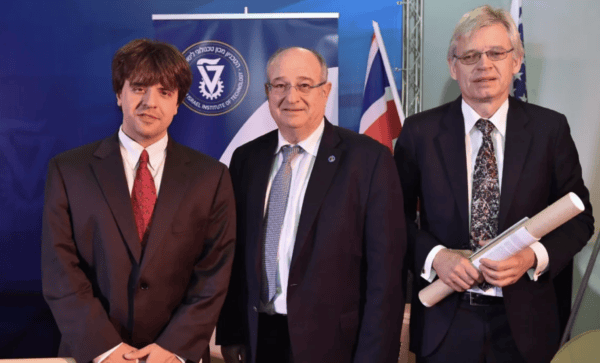
Despite the war, Technion faculty and alumni were recognized with numerous honors.