Something Fresh in the State of Denmark
October 06, 2026









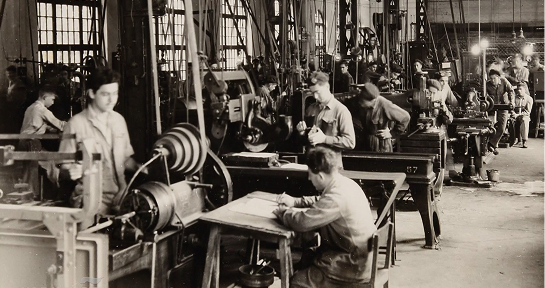
The Technion’s story has been intertwined with Israel’s for more than a century, from laying the foundations for a new nation to shaping its future.

Step inside Israeli innovation at the David and Janet Polak Visitors Center. Experience our 360° immersive movie and tech exhibition. Open to individuals and groups.
Learn More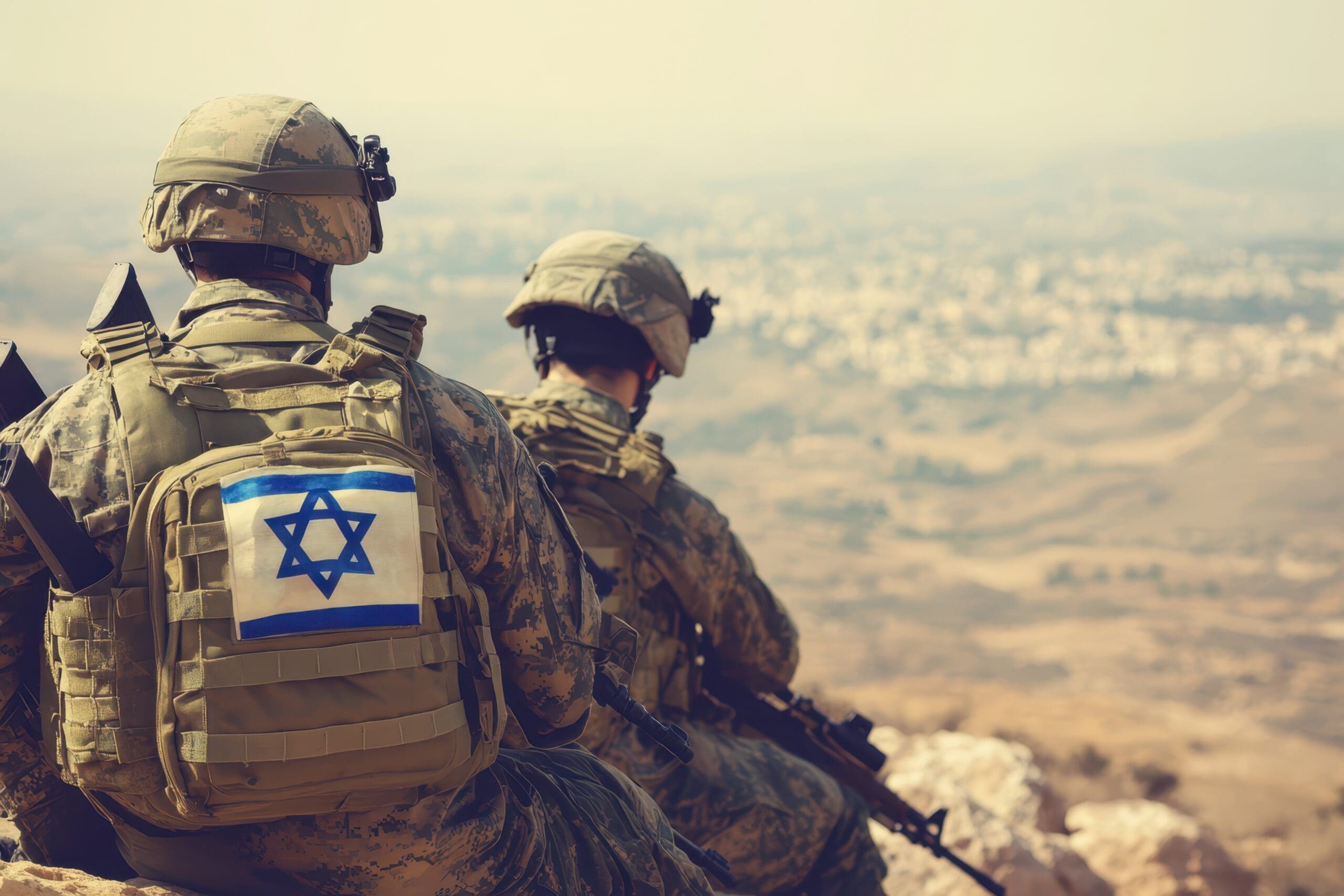
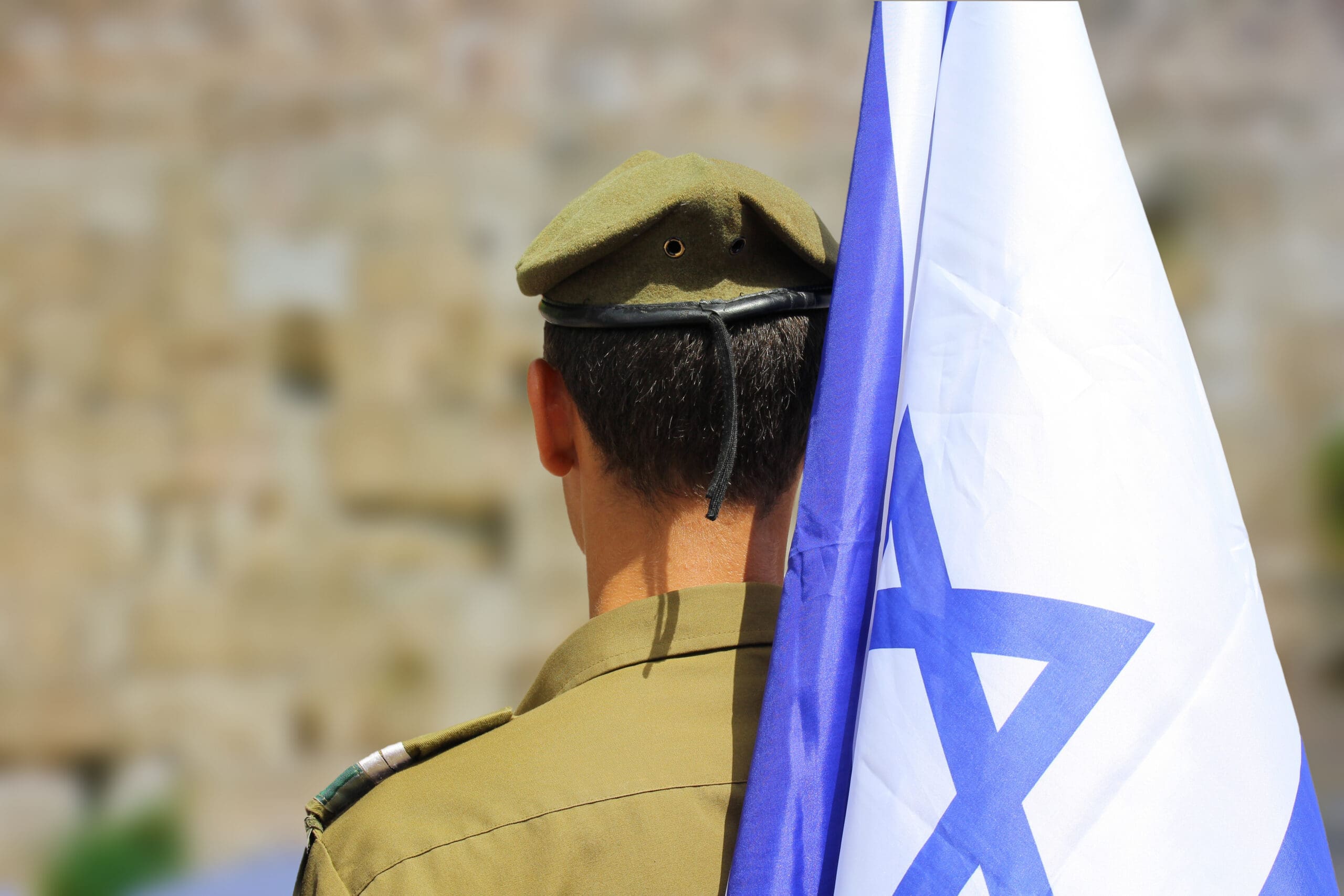
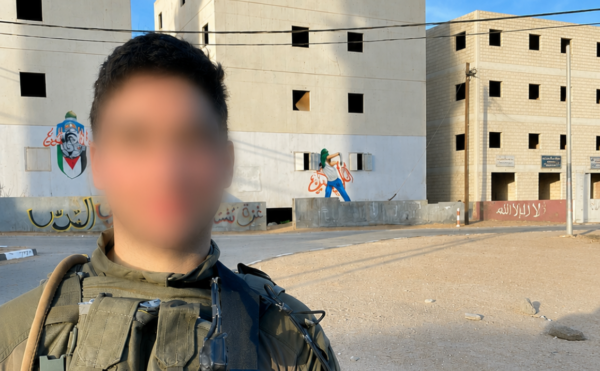
M.A. is a third-year undergraduate in the Faculty of Biotechnology and Food Engineering. He is also a reserve solider in the Egoz, an elite commando unit specializing in guerrilla warfare. On October 7, he was ordered to immediately join his unit.
He was deployed to the South, fighting the terrorists who infiltrated the country. “Fighting was fierce in the kibbutzim,” he said. When the terrorists were eliminated from Israel, his unit was sent to fight Hamas in Gaza. For more than three months, M.A. was involved in intense combat. Cell phones were not permitted, and he couldn’t communicate with his then-pregnant wife.
“It was a challenging time,” he said. But staying on mission and doing his duty for his country kept him strong and focused. He was released at the end of January, after the Technion began its academic year. And about a month later, M.A. was ordered to report to his unit again, this time to patrol and secure the border with Lebanon for six weeks.
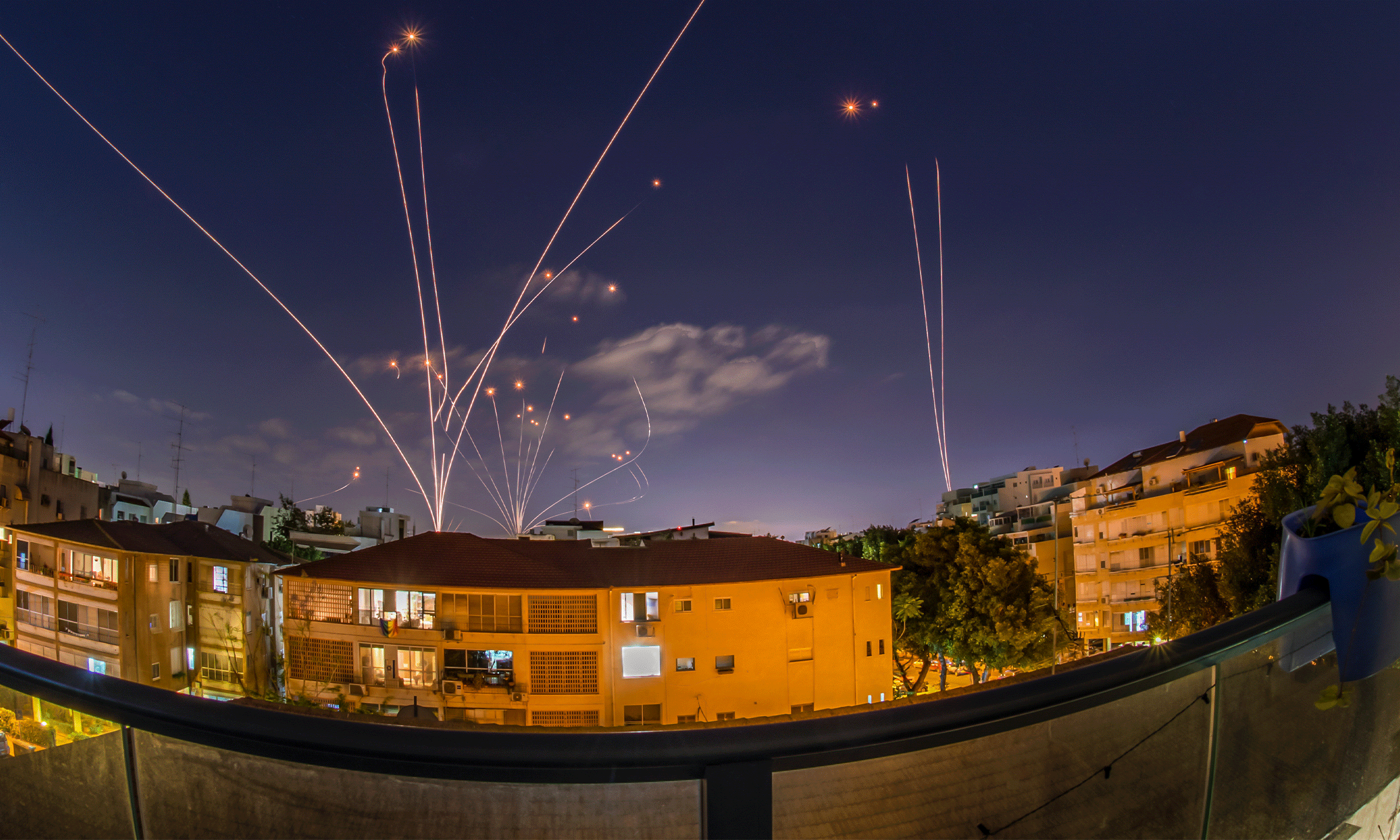
While serving in the North was less intense — he was allowed to communicate with his family and able to study a bit — “it’s still a war there, with missiles every day. Our mission was to make sure October 7 won’t happen again in the North.” Because of the war threat and constant aerial assaults, thousands of residents had been evacuated to central Israel. “All the empty villages are now military camps,” he said.
Despite his IDF service and interrupted studies, M.A. did not want to postpone his degree. He worked with Technion advisers, who provided alternative assessments to traditional exams and counseled him on what courses he might want to take and others that could wait. The generous tuition scholarship and dorm subsidy provided to all returning reservists helped ease the financial burden.
“It was difficult to adjust to sitting for courses, listening, and studying for exams upon returning, but the Technion helped me a lot.” Sometimes he would only attend half a day of classes.
“I really didn’t want the war to cause a problem for my studies. I wanted to try to stay on track, and if I couldn’t do it, at least I tried.” He found continuing his studies to be an important distraction from the war that gave him a new focused routine.
M.A., unfortunately, did have to give up his board seat on the Student Association. He had been a representative of student needs in his faculty but stepped down due to the war and to catch up on his studies. He explained that in addition to the Technion’s dean of students, the biotechnology faculty’s appointed adviser for returning reserve students, Professor Omer Yehezkeli, and his friends and family were instrumental to his success this semester, especially his wife, who “is a hero.”
He is also appreciative of the support he has received from Professor Ester Segal, head of the Laboratory of Multifunctional Nanomaterials in the Faculty of Biotechnology and Food Engineering, where M.A. has been a research assistant since his first year. “Throughout all my years, she has guided and helped me and introduced me to the field of biosensing that I didn’t know anything about when I started.”
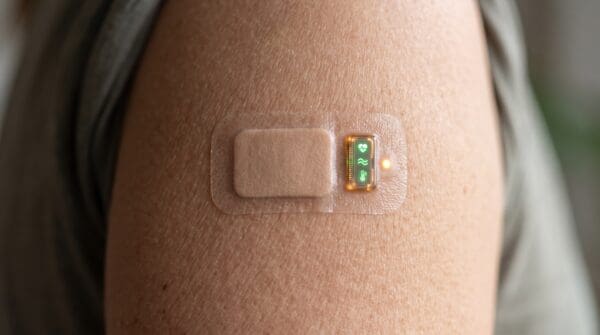
M.A. is working on the development of biosensors to detect disease, making it possible to identify disease earlier, faster, and more efficiently. He hopes to be able to continue his research in her lab, earning a master’s degree. But right now, he is focused on finishing his bachelor’s in the next year and spending his free time with his wife and their new son.