Something Fresh in the State of Denmark
October 06, 2026



















The Technion’s story has been intertwined with Israel’s for more than a century, from laying the foundations for a new nation to shaping its future.

Step inside Israeli innovation at the David and Janet Polak Visitors Center. Experience our 360° immersive movie and tech exhibition. Open to individuals and groups.
Learn MoreHow the Technion helped one student get back on track.
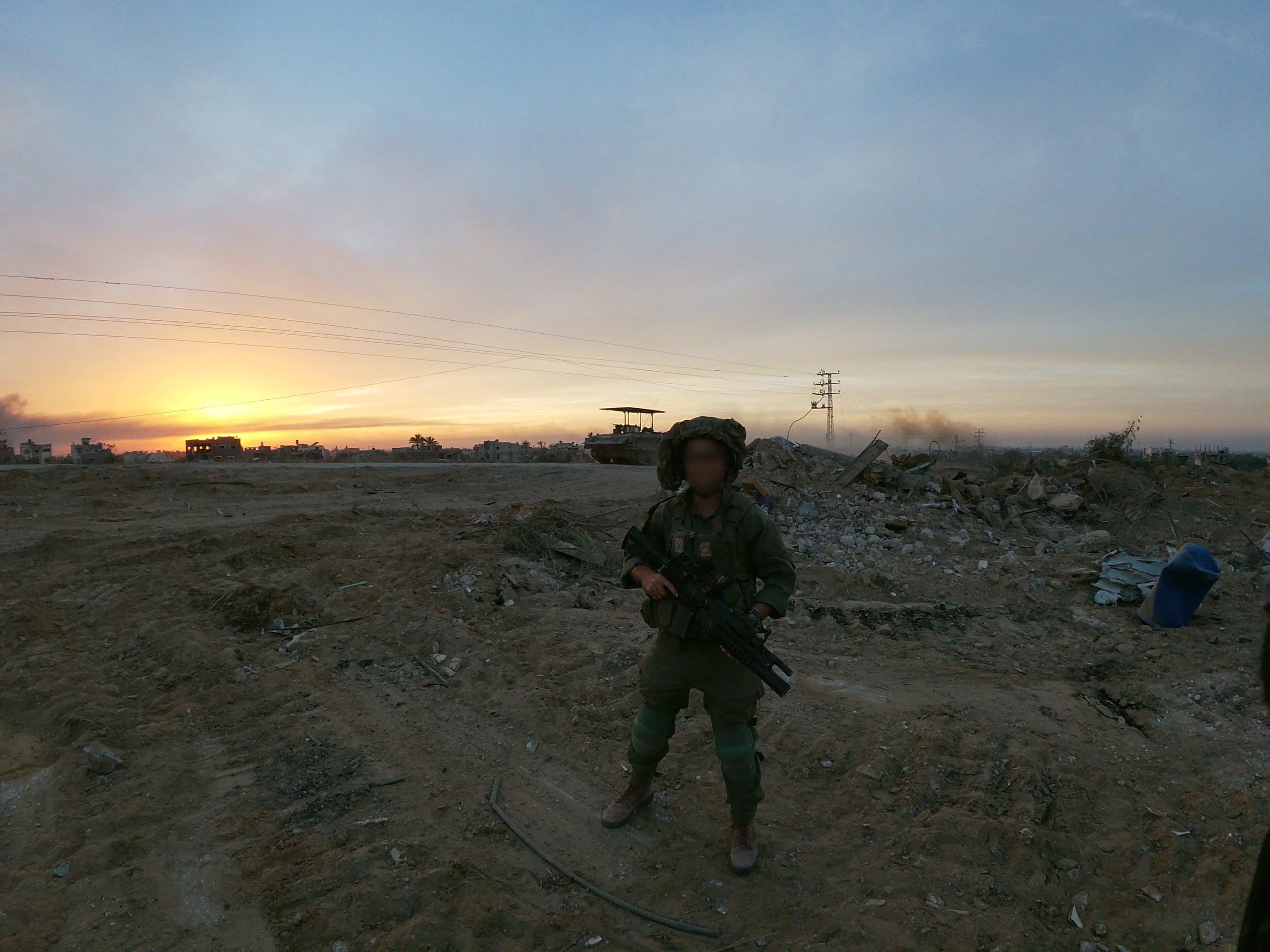
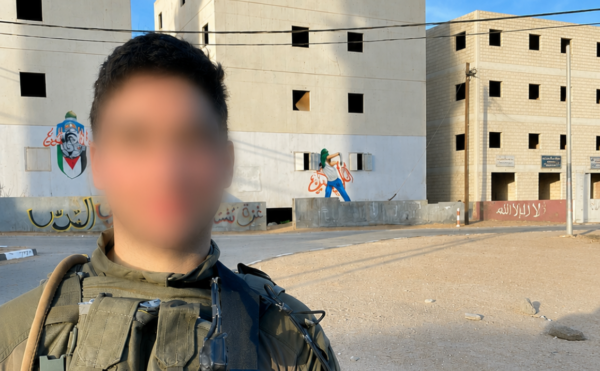
Y.T. was no stranger to balancing academic life with frequent reserve duty — he had been doing it long before the war began. After the 25‑year‑old completed his military service in the Paratroopers’ Regiment and Nahal Brigade, he began studying computer science in the Technion’s Henry and Marilyn Taub Faculty of Computer Science, where reserve duty often interrupted his studies. One semester he was called up for winter training, and the next he was pulled away for operational activity in the West Bank. All the while, he continued meeting the demands of his coursework between call‑ups.
Then, on October 7, Y. was called up once again. In the months that followed, his service took him first to the north and later to Gaza as his brigade prepared for a ground operation in Khan Yunis. They trained until they were well prepared and “as soon as the command came, we confidently entered the strip,” says Y. The first day proved difficult: the force came under fire, and a soldier in the platoon was killed. Weeks later, during tunnel‑detection operations, a missile strike killed another soldier in an accompanying platoon. “I managed to identify the source of the fire, and we immediately took cover; many lives were saved,” recalls Y of his heroics.
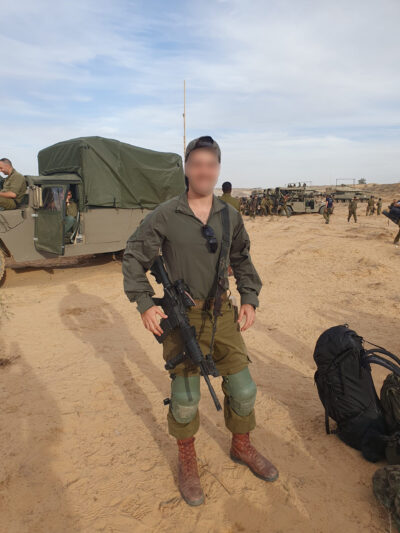
On December 25, while firing toward a suspicious building, Y.’s leg got caught in a wave of stones and metal, and he collapsed under 30 kilograms of gear. “I fell and couldn’t move … we thought I was hit by a bullet,” explains Y. “The medical team assessed it as a sprain, gave me morphine, and sent me home. The next day, I went to the hospital, and it turned out to be a broken ankle and torn ligaments.”
Recovery was going to take time and a return to school was no longer a given — but Y. refused to let that be an obstacle.
When the Technion announced that the semester would begin just a month later, postponed to accommodate reservists, Y. began studying remotely, unsure how he would make it to campus and back.
To my delight, the Technion came to my aid. The Dean of Students Office provided me with a taxi from my apartment to the Technion and back.”
Student and Reservist Y.T. on the Technion’s support following a battlefield injury
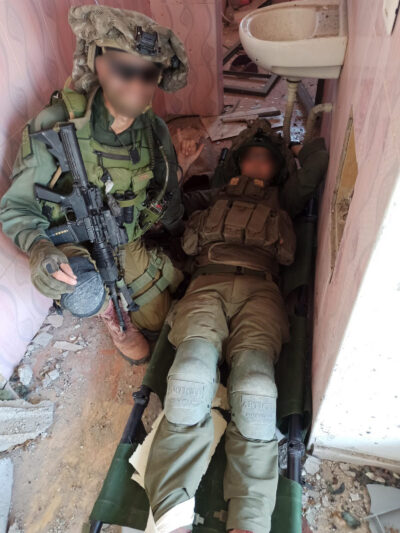
For Y., that support felt like a lifeline at a moment when everything else was so difficult. It allowed him to return to the classroom environment, reconnect with peers, and regain a sense of routine during rehabilitation. His course instructors also offered to help him adjust in any way they could. Says Y., “It was very heartening.”
Alongside his physical recovery, Y. emphasizes the importance of psychological care for reservists returning from wartime service. “Even when people seem stable on the outside, they may still be struggling internally.” Getting treatment, he says, played a key role in his recovery, and he encourages other students to use the resources available to them.
Y.’s experience highlights how meaningful support can be for reservists returning to campus. He did not need much to regain his footing — and the Technion made it easier. For Y., something as simple as a daily taxi ride was all he needed to feel a semblance of normalcy.