Something Fresh in the State of Denmark
October 06, 2026



















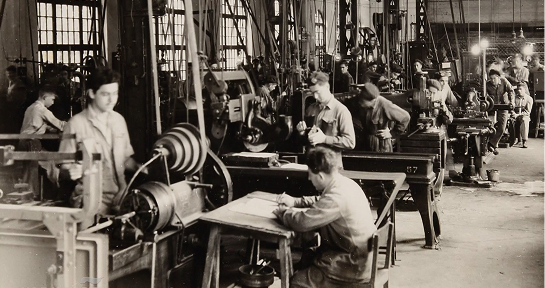
The Technion’s story has been intertwined with Israel’s for more than a century, from laying the foundations for a new nation to shaping its future.

Step inside Israeli innovation at the David and Janet Polak Visitors Center. Experience our 360° immersive movie and tech exhibition. Open to individuals and groups.
Learn MoreAs Seen in The Jerusalem Post
Even though they may occasionally be disgruntled by Israel’s deeds and policies, this does not deter serial philanthropists from supporting the Israeli causes in which they believe.
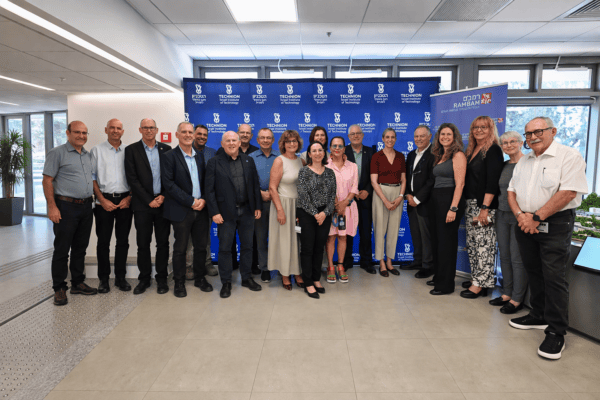
One such person is Stephen B. Klein, the founder and CEO of the Klein Company, a real estate development firm that operates in Pennsylvania, New Jersey, and Florida. A longtime donor to Haifa’s Technion-Israel Institute of Technology and a member of its Board of Governors, he is also a Technion guardian and fellow, and has been the recipient of a Technion honorary doctorate. His most recent gift is the addition of a building to the Faculty of Aerospace Engineering. “I’ve donated to Israel for 50 years, and this is the most important project for me,” said Klein in an emotional address at the inauguration ceremony.
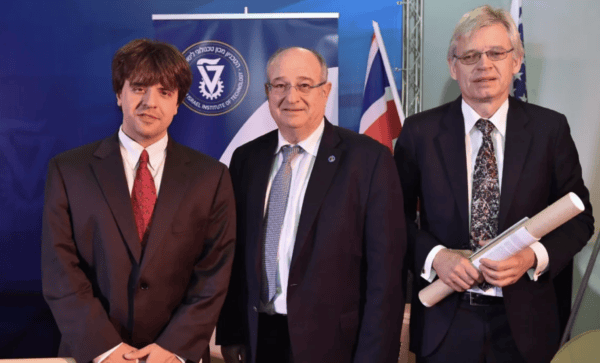
A plaque honoring the Klein family was unveiled by faculty member Prof. Beni Cukurel.
Aside from being a successful businessman, Klein is a pilot who has contributed greatly to the Technion, the Israel Air Force, and various institutions in Israel. “I know the air force well and am aware of its hardships on families, which is why I’ve funded 14 civilian projects on air force bases – housing, clubs, and kindergartens,” he said. “Over the past two years, we have witnessed the achievements of the air force and its air defense systems, many of which originated from the Faculty of Aerospace Engineering at the Technion. That’s why I decided to contribute to the faculty’s development.”
Klein also spoke about the growing antisemitism in the US, and Israel’s obligation to strive for security and independence. “For me,” he said, “supporting the faculty means supporting education, research, innovation, and technology – but also the future security of Israel.” Technion President Prof. Uri Sivan said: “In 1949, as the State of Israel was recovering from the War of Independence, prime minister David Ben-Gurion, with farsighted vision, determined that the state would always depend on a strong air force, and, for that, an academic department in aeronautical engineering was needed. The mission was given to the Technion, which recruited two renowned experts: Sydney Goldstein, who joined the Technion and was appointed vice president for academic affairs, and Hungarian aeronautical engineer Prof. Theodore von Kármán.
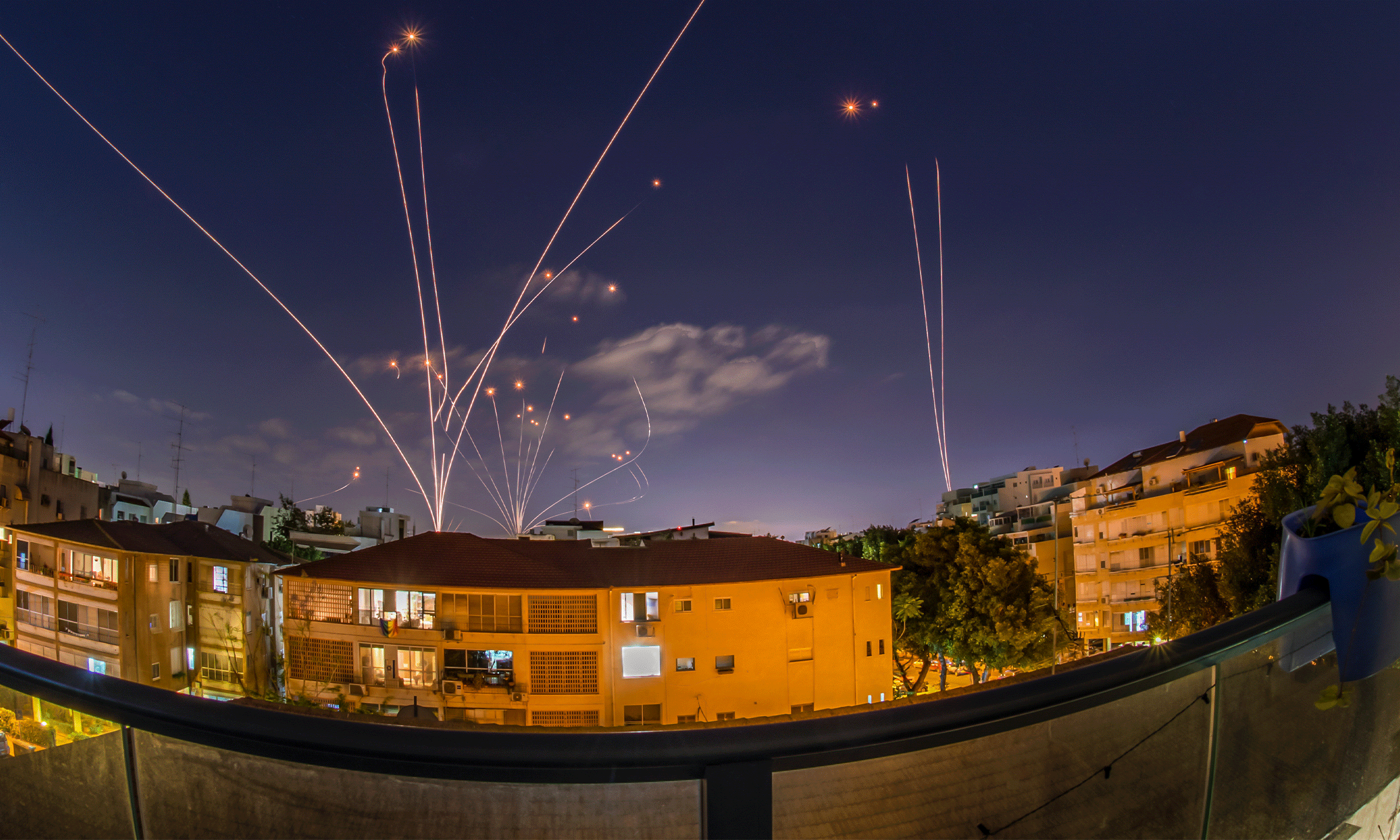
“The strategy outlined by Ben-Gurion – based on the understanding that Israel is a small country with no strategic depth – has proven itself in the past two years, a time during which tens of thousands of rockets and missiles were fired at Israel. Despite the onslaught, industry and academia continued functioning thanks to the air force and advanced defense systems developed by graduates of the faculty: Iron Dome, David’s Sling, Arrow, and more. This is a historic full circle, and I congratulate Stephen Klein – it is a great honor for us to name the faculty after you.”
This academic year, the faculty has already seen a sharp rise in new students starting their first year at the Technion – a 25% increase compared to last year (2023-2024) and 42% compared to the year before that (2022-2023).
Longtime ATS donor Stephen B. Klein is highlighted in this article.