Something Fresh in the State of Denmark
October 06, 2026













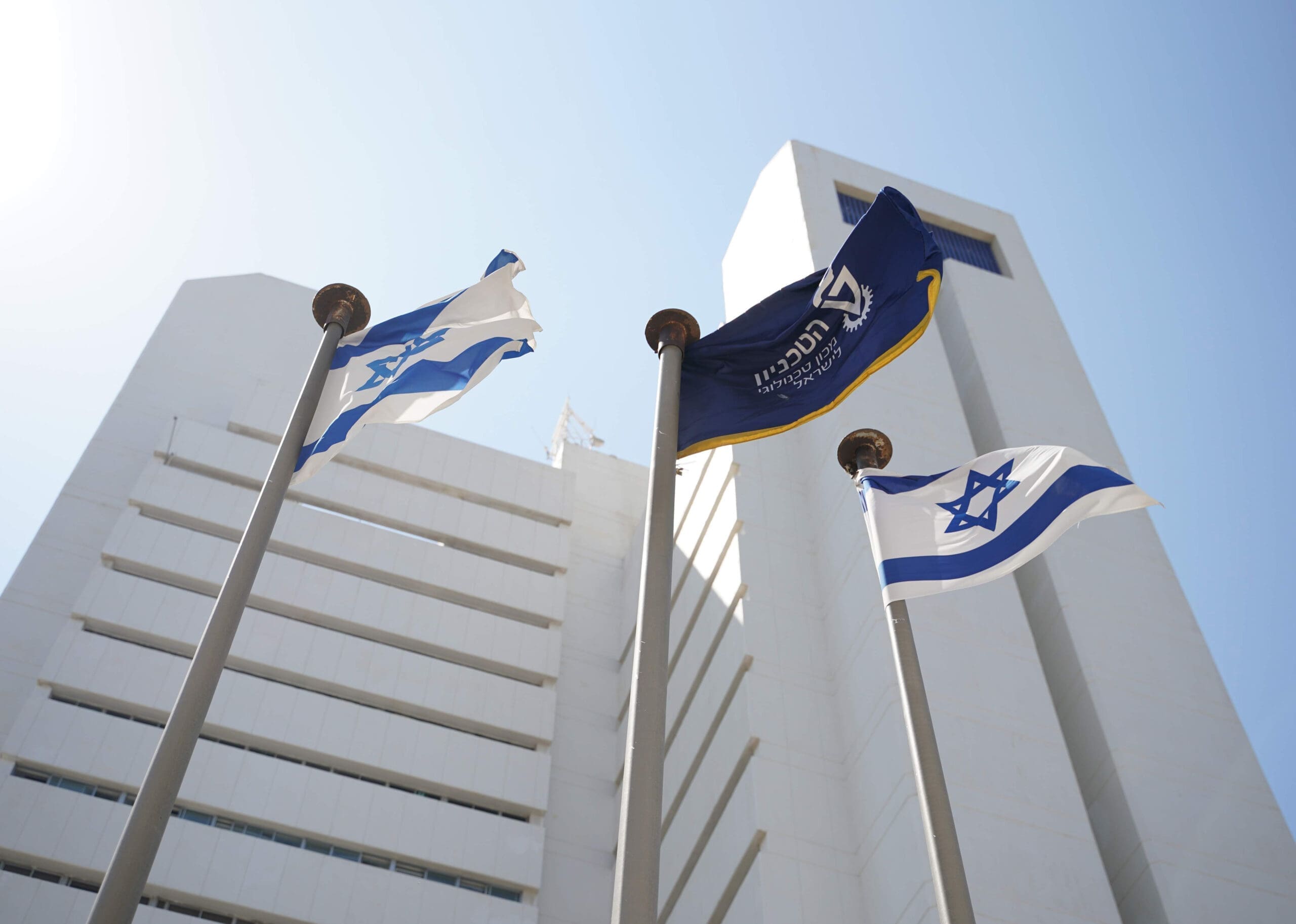



The Technion’s story has been intertwined with Israel’s for more than a century, from laying the foundations for a new nation to shaping its future.

Step inside Israeli innovation at the David and Janet Polak Visitors Center. Experience our 360° immersive movie and tech exhibition. Open to individuals and groups.
Learn More

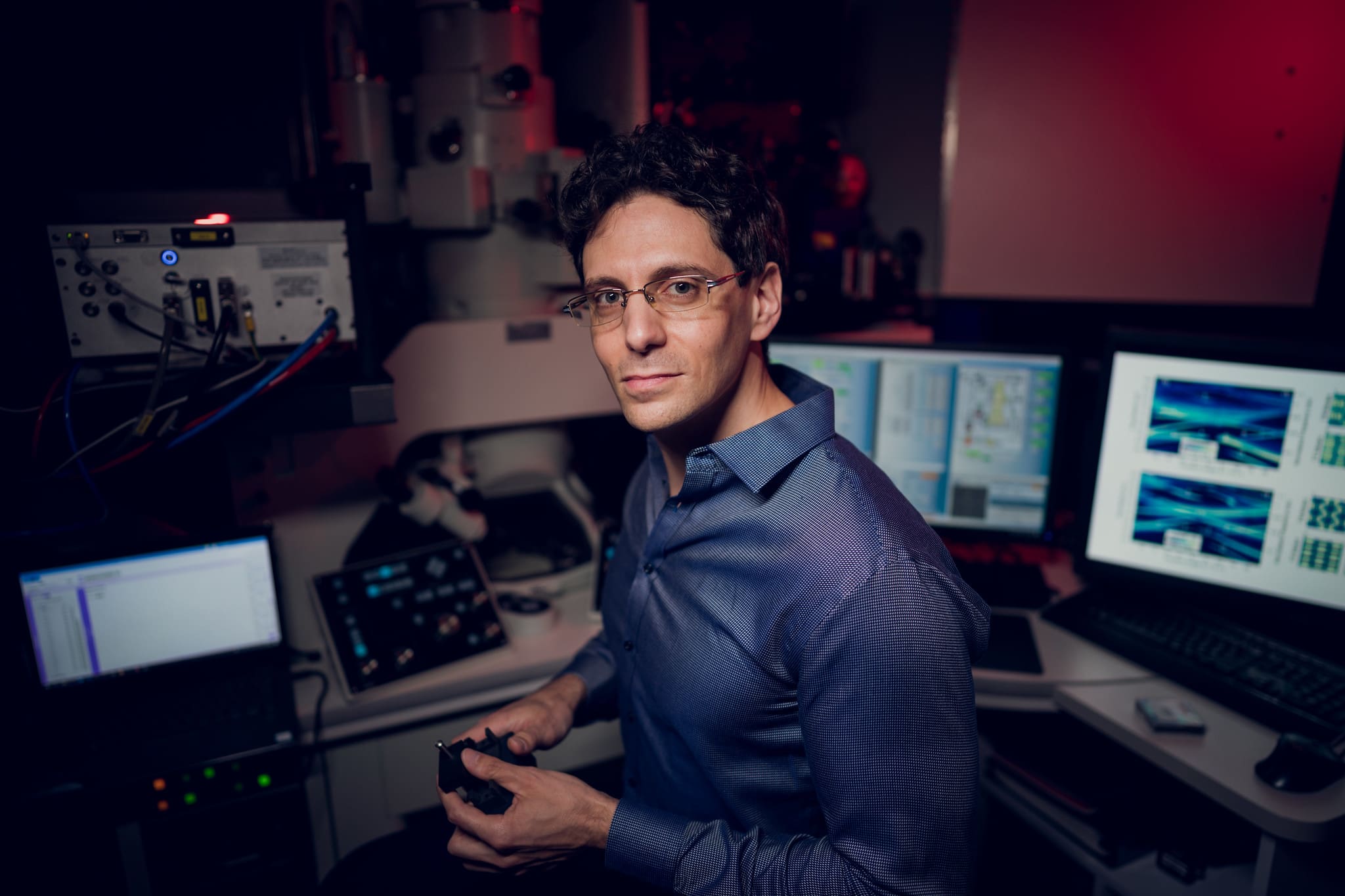
When the world stopped due to the pandemic, so, too, did plans to explore outer space. In 2019, NASA had five missions scheduled for the next three years, which were halted due to COVID. With NASA behind schedule, Israeli-American scientist Eliad Peretz helped put the organization back on track. Peretz, 40, is the mission and instrument scientist for NASA’s Heliophysics Science Division at the NASA Goddard Space Flight Center In Greenbelt. After the onset of COVID, Peretz assisted in a mission called GTOSat for a small spacecraft team to map radiation belts around earth. Peretz helped develop a mission to…
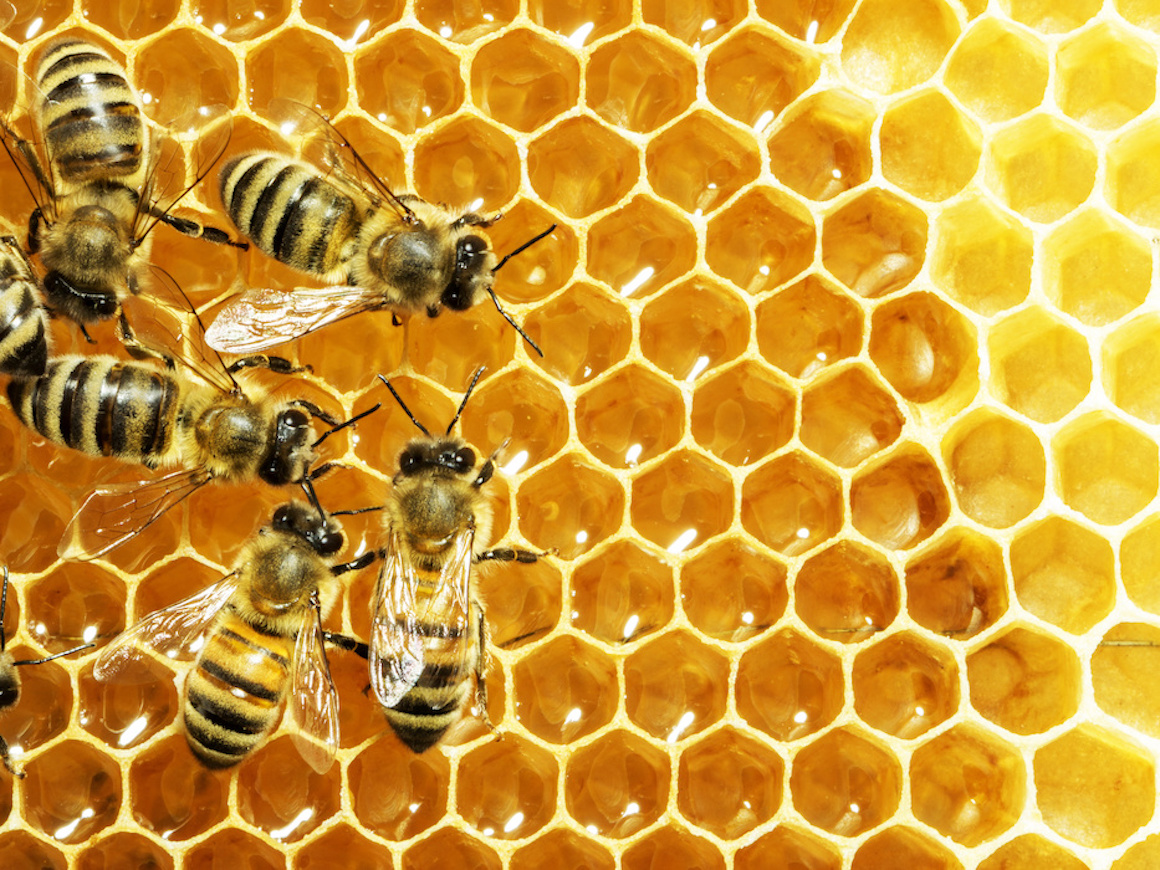
BeeHero, an Israeli startup that uses sensors to collect big data from beehives, is increasing bee-related research across California, USA, with 14 new research stations. The data from each station determines beehive health and predicts crop yields and the company is posting free daily updates on pollination progress to help beekeepers and almond growers. Each research station consists of bee counters (to measure real flying times and the actual number of bee foraging trips), hive scales (to track nectar-foraging activity), weather sensors, cameras, and BeeHero’s patented inhive sensors. They will allow additional growers, beekeepers, agronomists, and ag retailers around the world…

OrCam is already one of Israel’s startup successes, with a device that literally helps the blind to “see”. It reads text to the user – anything from a newspaper to a cereal packet. It also recognizes people, identifies objects, and helps the user find their way around. The Jerusalem-based company was established by Prof. Amnon Shashua and Ziv Aviram, founders of Mobileye, the driver assistance system that Intel bought in 2017 for $15.3 billion. OrCam launched MyEye for blind and visually impaired people in 2015 and has now refined its technology to help children with dyslexia, ADHD and other special…

In a move aimed at revolutionizing the manufacturing sector, the Economy and Industry Ministry, in partnership with the Technion – Israel Institute of Technology, launched an initiative to enhance the research and development efforts of manufacturing plants across the country. This collaborative endeavor seeks to propel innovation, progress and competitiveness, ultimately boosting production capacity in the industry. In an agreement valued at NIS 4 million, researchers from the Technion will join forces with the Israeli manufacturing industry, addressing the barriers hindering approximately 100 factories, as identified in a preliminary study. The recently signed agreement is poised to make significant strides…

Turning fresh air into water seemed like nothing short of a miracle back in 2012. That was when Israeli startup Watergen revealed its first atmospheric water generator to the world. Watergen cools air, much like an air conditioner, until it condenses and becomes water. But technology moves on apace. And H2oll another Israeli startup, says it can also produce drinking water from the atmosphere – but more cheaply, more efficiently and more sustainably. And in any climate. H2OLL Founder and CTO Ilan Katz is a Technion alumnus.

One of the things that sets the quantum world apart from our everyday classical one is the capacity for entanglement—when two or more objects share an invisible connection that entwines their fates. Entanglement is the most extreme version of a quantum connection, where measuring one particle can tell you everything you need to know about another. Short of that, particles can still sync up in decidedly quantum ways, where measuring one particle will give you some incomplete information about another. Such quantum correlations can be used to make more precise measurements than classical ones. For example, they can help us detect gravitational waves….

As applications and devices enabling more realistic virtual and augmented reality come to market — with 2023 widely forecast to be the year Apple releases its reportedly game-changing goggles — there’s an elephant in the room that could hamper the segment’s growth. Cybersickness. Between 38% and 66% of virtual and augmented reality users will experience dizziness, nausea and headache while plugged into their devices. It’s particularly pronounced during games but could also crop up in the midst of a video chat. Stress, online bullying, FOMO and isolation also can contribute to the phenomenon. Cybersickness is similar to seasickness in that your eyes, ears and…
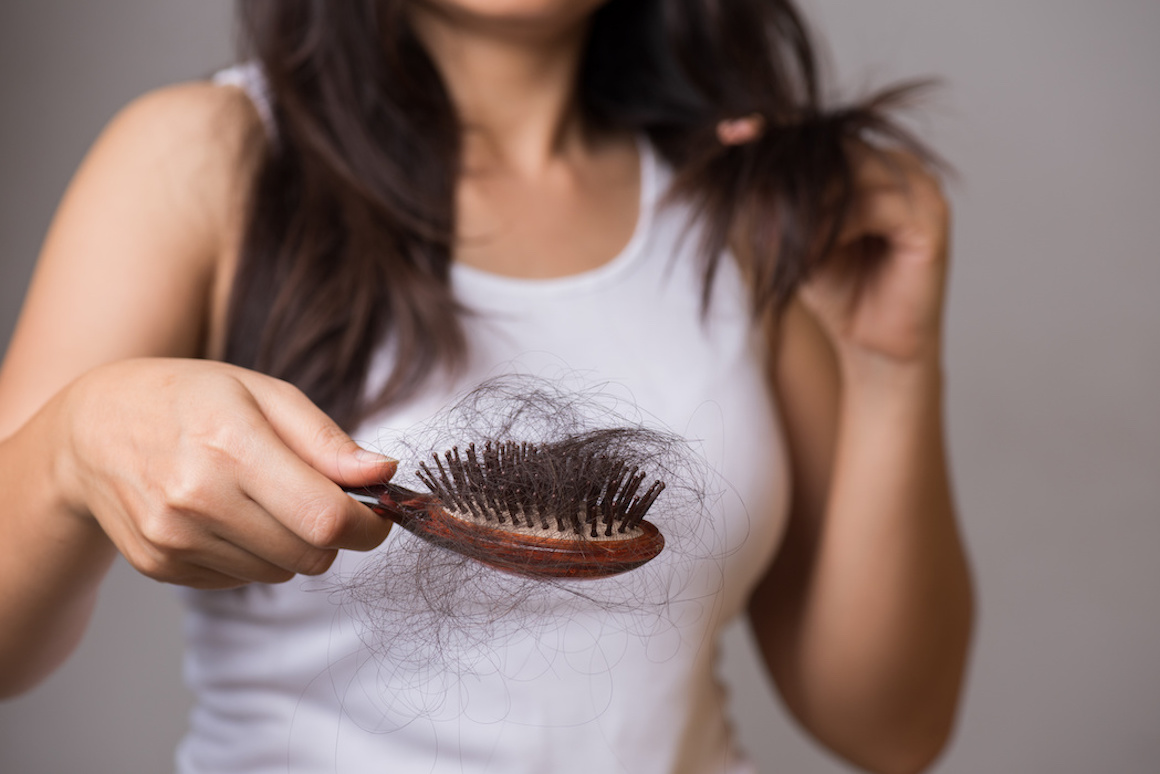
Haifa researchers have found a non-genetic cause for alopecia areata baldness, which triggered the surprising incident at the the 94th Academy Awards in which actor Will Smith slapped comedian Chris Rock after he joked about Smiths wife’s shaved head because of the autoimmune disease. About one person in 50 – equally in men and women –will suffer from alopecia areata at some point in their life. The condition can develop at any age, although most people are diagnosed for the first time before the age of 30. In recent years, more and more research evidence has accumulated on the source…

There was a time, not so long ago, when worried Israelis would listen out for daily updates on the water level of the Sea of Galilee (or the Kinneret, as it is known in Hebrew). It’s the country’s only significant freshwater lake and was, until recently, its primary source of water. So it was a national concern if the level dropped, as it often did during the summer months, day-by-day, centimeter-by-centimeter. The upper red line (danger), was bad news. The lower red line (pumping from the lake prohibited) was worse, and the black line (risk of permanent damage) was terrible….
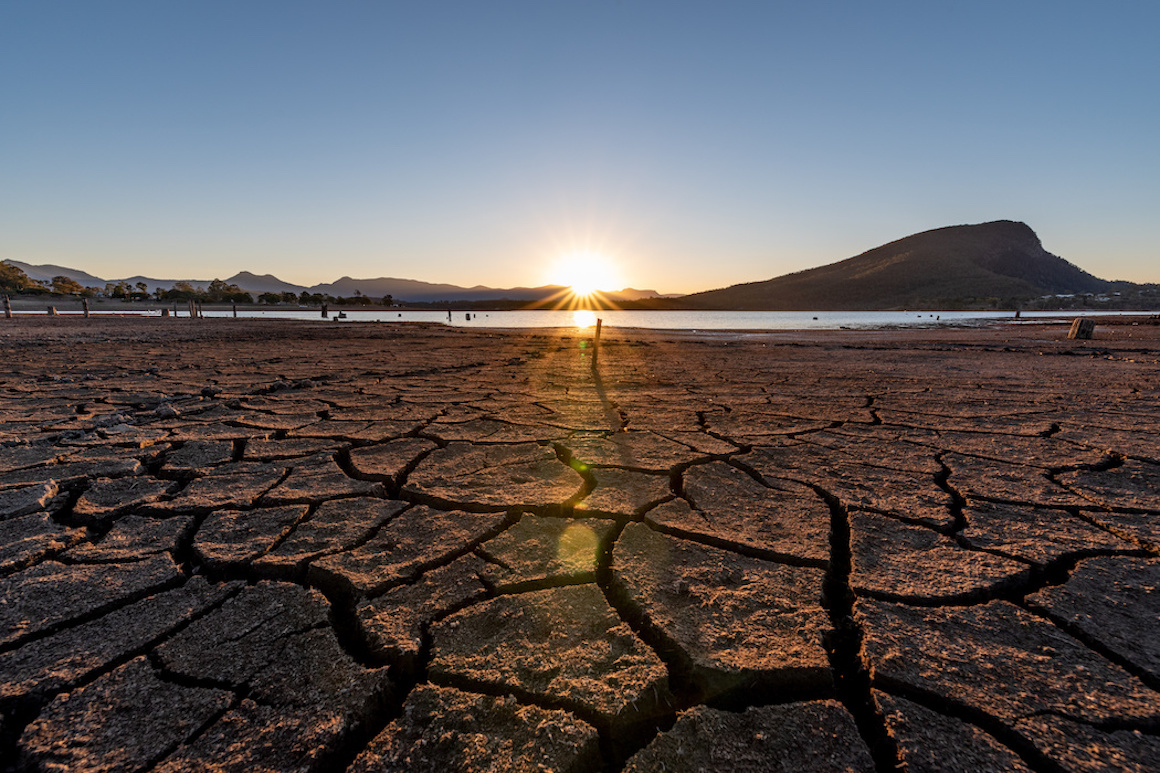
Since it was founded nearly 100 years ago, the Technion’s world-class scientists have immersed themselves in developing innovative technologies that have not only been crucial for Israel’s economy, society and security, but have also impacted humanity on a global scale. Well before António Guterres, the U.N.’s Secretary General, stated last month that, “the climate time-bomb is ticking,” Technion researchers were prioritizing projects that could help reverse our planet’s grim prognosis, mainly by reducing the consumption of natural resources and restoring balance to the Earth’s carbon cycle. In a nutshell: by focusing on solutions that promote sustainability. At the Technion, a…

Titanium-air batteries have been recently tested by a team of scientists from Technion – Israel Institute of Technology and Forschungszentrum Jülich, and the results are promising. These batteries have the potential to store up to three times more energy than standard batteries, making them a great candidate to replace current zinc-air batteries used in small devices such as hearing aids and other sensors. The breakthrough in utilizing an ionic liquid to enhance the battery’s efficiency and longevity means that these batteries could be a significant upgrade to the zinc-air batteries currently used in hearing aids. These batteries have a limited lifespan and can…

AI-powered writing assistants such as ChatGPT are creeping into everything from office tools to search tools – but using them actually puts ideas into people’s heads. Researchers found that people using an AI writing tool programmed with one idea (that social media is good, for example) are twice as likely to write a paragraph agreeing with the assistant. Maurice Jakesch of Cornell University asked more than 1,500 participants to write a paragraph answering the question, “Is social media good for society?” People who used an AI writing assistant that was biassed for or against social media were twice as likely to write a…