Something Fresh in the State of Denmark
October 06, 2026
































The Technion’s story has been intertwined with Israel’s for more than a century, from laying the foundations for a new nation to shaping its future.

Step inside Israeli innovation at the David and Janet Polak Visitors Center. Experience our 360° immersive movie and tech exhibition. Open to individuals and groups.
Learn More

Alexey Tomsov is food technology lead at Redefine Meat, and a proud Technion alum. He’s our first guest from the exciting world of food-tech… If you don’t know about Redefine Meat, it’s an Israeli startup company that uses advanced technology, to develop and produce animal-free meat or “new meat” as they like to call it. […]

Noam Azran is a real live cowboy. He spent a decade on horseback patrolling the vast cattle ranches of California and Argentina. And now he heads an Israeli tech startup that uses drones — instead of traditional cowboys — to monitor the welfare of millions of cows. BeeFree Agro has just delivered its first fleet of “autonomous flying cowboys” to a paying customer. They’re the eyes in the sky that will transform the way the world’s beef cattle are farmed, says Azran. “I find it hard to believe in 10 years from now there will be commercial livestock growers who…

“Fat is flavor” is a well-known culinary principle. But nutritional research suggests consuming too much animal fat may be a factor in the development of many health conditions from dementia to male infertility to Crohn’s disease. A cutting-edge plant protein-based fat solution, Fatrix, will soon go into commercial production to help food manufacturers reduce total fat and especially saturated fat content. The product’s developer, Israeli food-tech startup Gavan Technologies, has raised $8 million in a Series A round led by MoreVC of Israel with participation from Lever VC; EIT Food, a European Union-supported platform for sustainable food innovations; and DarkBoot…
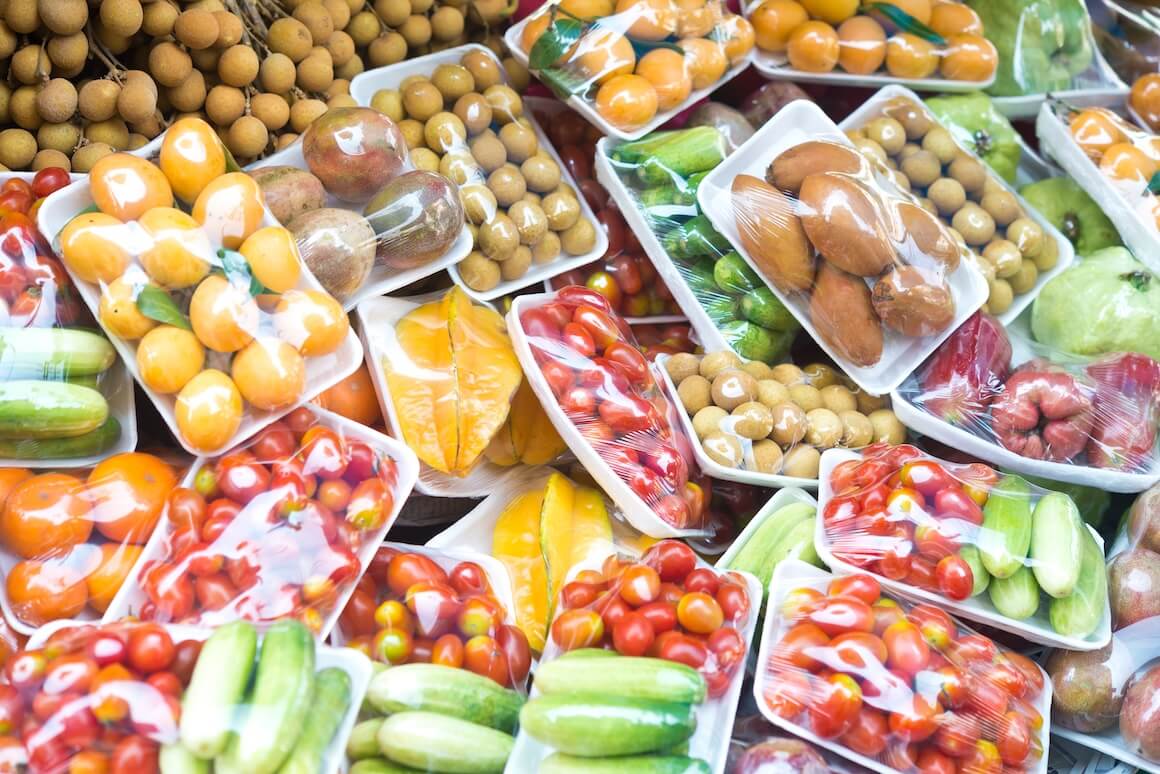
Israeli clean-tech startup W-Cycle has partnered with Brazilian company Melhoramentos to develop a new compostable food packaging material that fully decomposes within 100 days. The strategic partnership aims to create an ecofriendly alternative to single-use plastics that can withstand extreme temperatures and provide robust food containment. W-Cycle’s proprietary material, SupraPulp, is made from agricultural waste products like sugarcane bagasse, eucalyptus wood fibers and banana leaves. The packaging is oil- and water-resistant and can endure temperatures ranging from minus -40°C to 220°C, making it suitable for freezer-to-oven use without requiring plastic lamination.

As a charred Los Angeles resurfaces from the infernal flames that engulfed the region last month, questions loom as to how residents will rebuild — and whether they should remake their neighborhoods as they were, or take the chance to make the city less vulnerable to the fires of the future. With an estimated 17,000 structures burned in Eaton and Palisades fires — and ensuing economic losses estimated at more than $250 billion — reconstruction efforts will face monumental challenges from every angle: planning, permitting, supply chains, workforce and insurance. State and local officials have been trying to unload some…
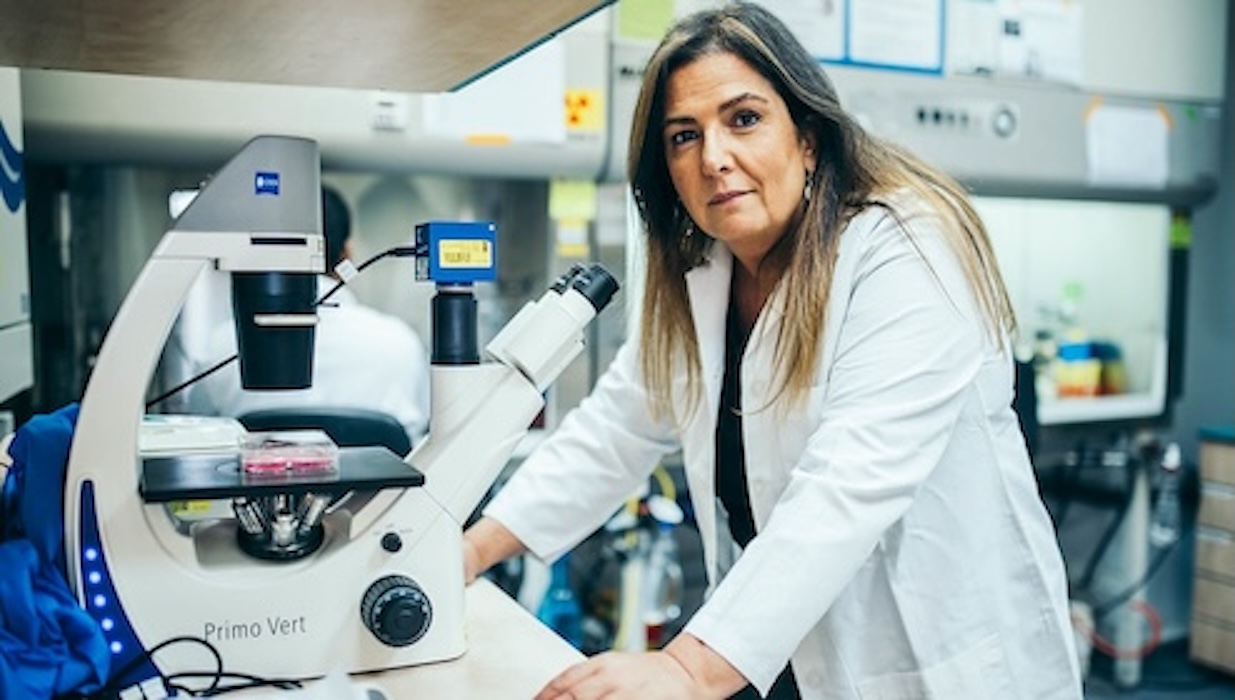
In the next 100 years — and even in the next three to four years — there will be a huge advance in what we call alternative proteins. Rethinking What We Eat Instead of what we see in science fiction, where we’re flying into space and eating a bunch of pills, I think we will […]

The world of dairy farming has come a long way since Anna Baldwen from New Jersey patented her “Hygienic Glove Milker” in 1879. The cows hated it and would often kick over the milk bucket. But her rudimentary handheld mechanized pump heralded a new era in technology. Farmers today are braced for another revolution. Large herds of cows are, for the first time, being milked by robots, thanks to Afimilk, based at Kibbutz Afikim, northern Israel. In 1979, Afimilk launched the world’s first “milk meter” – which measures the yield of each individual cow, senses when the milking is over,…
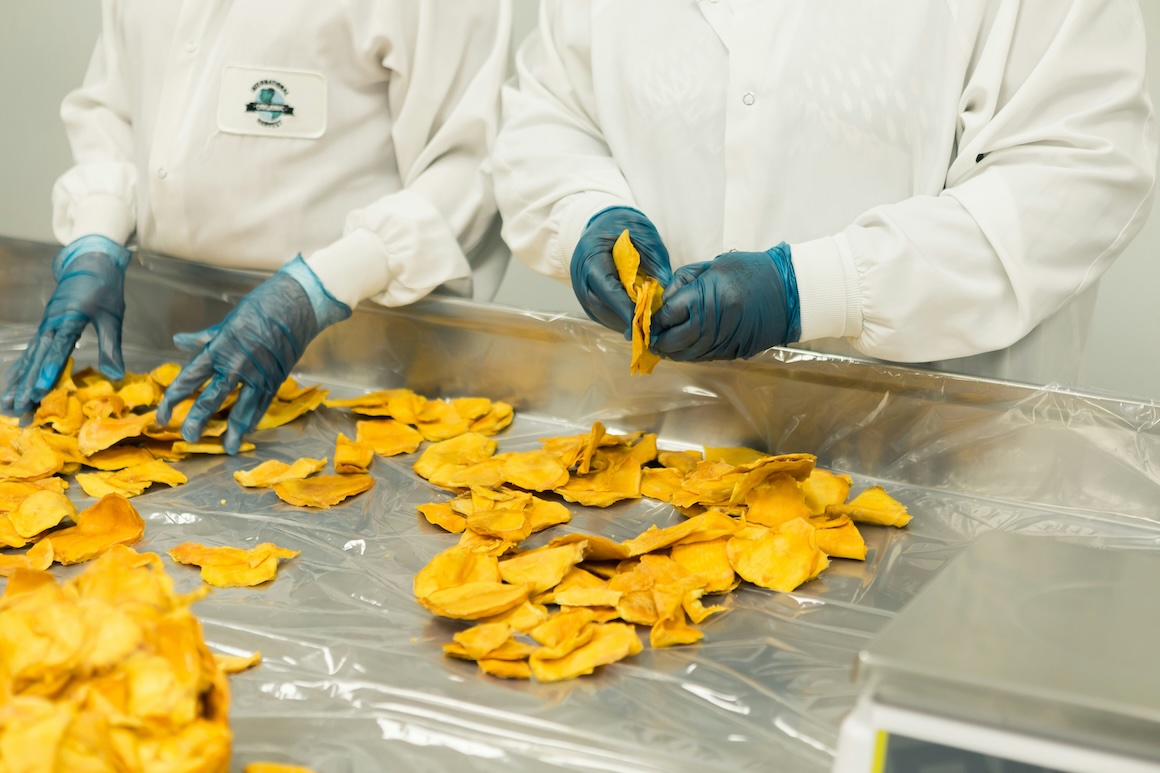
Food recalls take place when regulatory bodies and/or food manufacturers deem food unsafe to eat due to contamination or mislabeling of ingredients. Over the past few years, more recall notices have popped up in the news. This is more than the American public has seen before, and they have caused much alarm. Some of the most recent ones involve cheese potentially contaminated with listeria, heat-damaged milk that may spoil early and pet food potentially contaminated with Salmonella. While it might be concerning that there are more recalls announced now, the more you know about them can help you stay prepared…

Radio frequency (RF) signals are a cornerstone of modern technology, enabling wireless communication, data transfer and sensing applications across a wide range of fields and tasks. A Cornell Tech-led research group is in the early stages of developing a portable, inexpensive device that uses radio frequency signals and machine learning for another important job: measuring lead contamination levels in soil. The lab of Rajalakshmi Nandakumar, assistant professor at the Jacobs Technion-Cornell Institute at Cornell Tech, has developed SoilScanner, which sends radio waves of different frequencies from an RF transmitter, through a soil sample to an RF receiver, which reveals the…
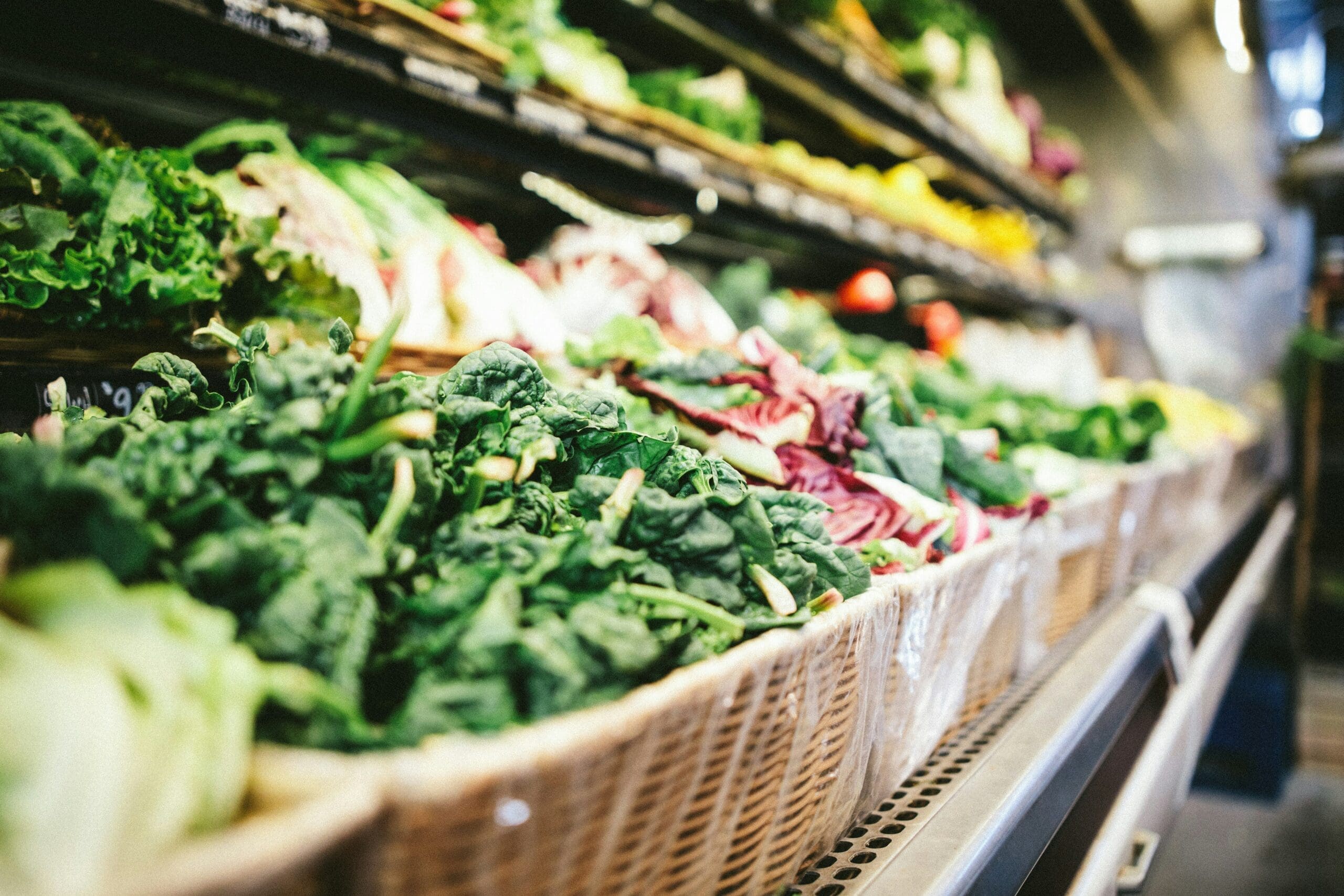
Food recalls due to bacteria contamination reached their highest levels within five years in 2024, driven by a surge of recalls from the germs Listeria monocytogenes and Salmonella. There have been 154 recalls filed with federal food regulators due to contamination from the “big three” pathogens—E. coli, Listeria and Salmonella—as of Dec. 30, up from 87 recalls in 2023 and the highest number since 165 recalls in 2019, according to data provided to ConsumerAffairs by law firm Food Industry Counsel. Listeria and Salmonella recalls hit their highest levels since 2019 and 2018, reaching 80 and 61 recalls, respectively. A combination…

An Israeli food-tech company, Imagindairy, received approval from the Health Ministry to market its products throughout the country, the company recently announced. Imagindairy, founded in 2020 and headquartered in Haifa, produces sustainable, animal-free dairy proteins that are identical in taste, texture, and nutritional value to cow milk proteins, the statement said. The decision in Israel follows that of the Food and Drug Administration’s approval in the US about one year ago. Dr. Eyal Afergan, the CEO of Imagindairy and a graduate of Israel’s Technion Institute of Technology, said the approval is a significant milestone for the company, and demonstrates the…

Two AI-based startups in Israel are joining forces to combat the pests and diseases that destroy up to 40 percent of all food grown globally. Fermata uses cameras and artificial intelligence to monitor crops as they grow and automatically detect problems. yieldsApp translates that data into tailored recommendations, crop by crop, field by field, to maximize yields for the grower. The two companies have now announced a partnership that will merge their technologies and, they say, provide a “comprehensive farm management solution,” detecting problems and providing precise solutions. Farmers will receive “personalized, real-time insights that ensure crops get the right…