Something Fresh in the State of Denmark
October 06, 2026































The Technion’s story has been intertwined with Israel’s for more than a century, from laying the foundations for a new nation to shaping its future.

Step inside Israeli innovation at the David and Janet Polak Visitors Center. Experience our 360° immersive movie and tech exhibition. Open to individuals and groups.
Learn More
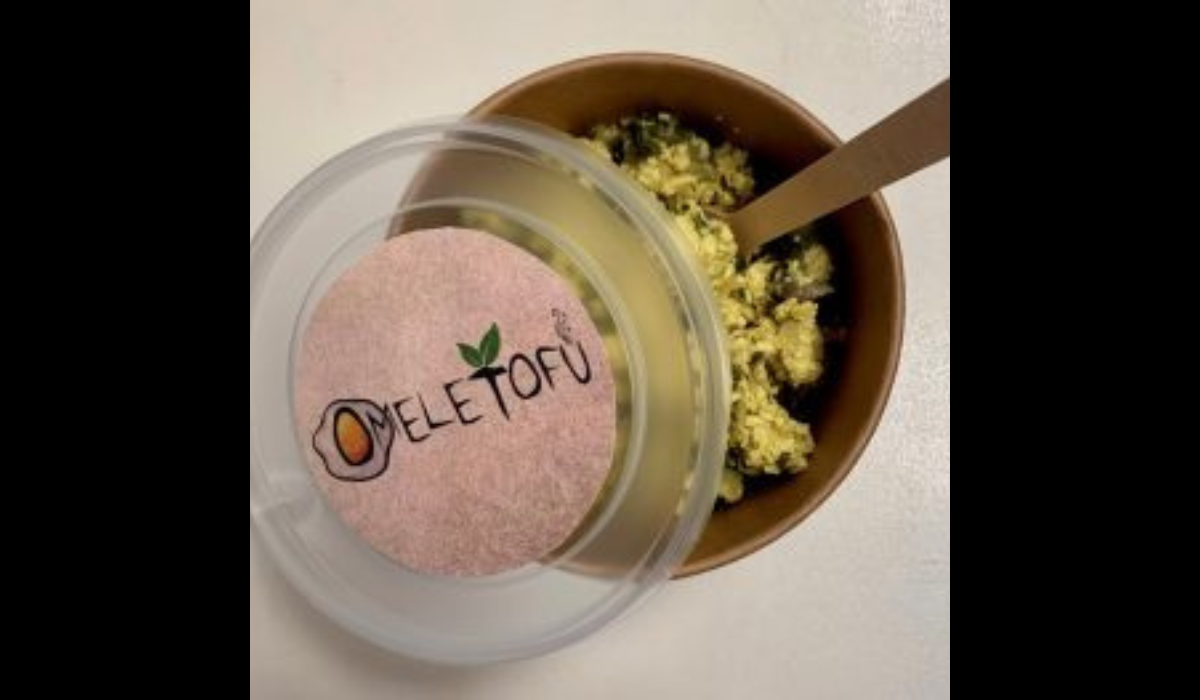
What happens when your vegan boyfriend wants to eat healthy but has little time for food prep? If the girlfriend is a Technion student, she just might come up with a solution. Neta Shimony was among a team of Technion graduate students participating in an international food-tech competition tasked with creating healthy processed food when her boyfriend’s dilemma sparked the idea for a tofu omelet mix. She and her teammates, from both the Faculty of Data & Decision Sciences and the Faculty of Biotechnology and Food Engineering, developed an instant (just add water), freeze-dried, vegan, tofu-based omelet that comes in…
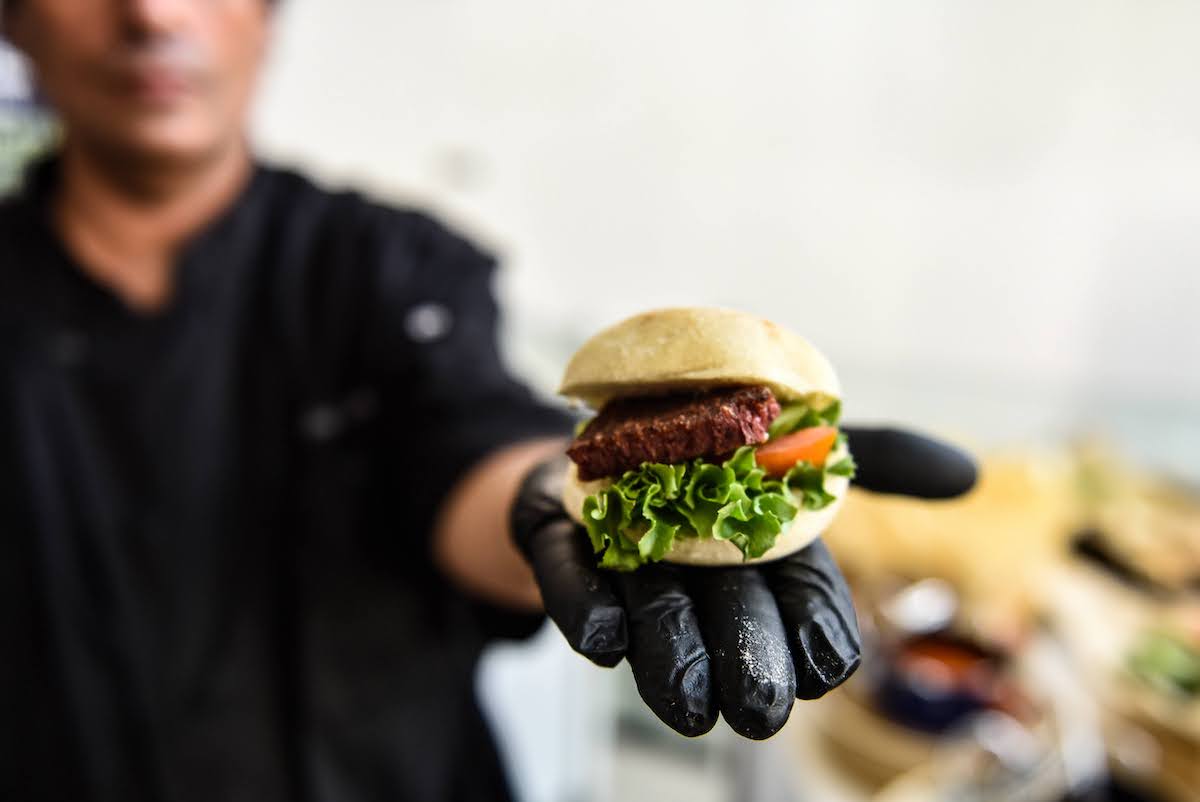
In the interest of helping combat pressing global challenges that include climate change, human health, and nutrition, the Technion recently announced the establishment of the Sustainable Protein Research Center (SPRC). It will function as a world-class multidisciplinary center for fundamental and applied research in the fields of alternative proteins, commercialization and entrepreneurship, and support of industry. The SPRC will be the first of its kind in the world. It will connect dozens of researchers from more than 10 different academic departments at the Technion along with other universities and companies to address the challenges of sustainability and human health which…
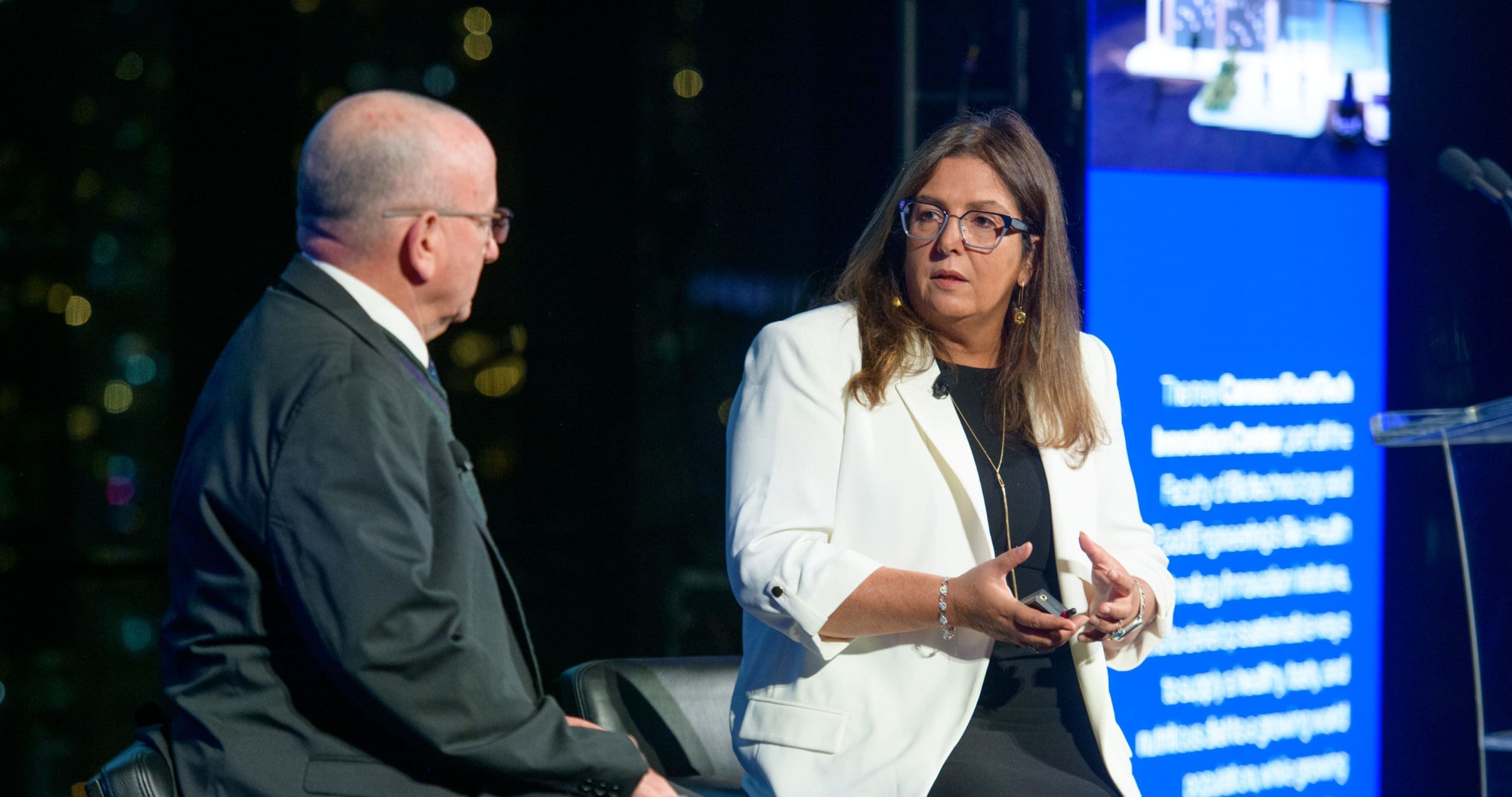
Prof. Marcelle Machluf joined ATS board members and supporters at the Fall National Board Meeting in Chicago and discussed pioneering research in the Technion’s Faculty of Biotechnology and Food Engineering, the only one in Israel, and the Carasso FoodTech Innovation Center. Researchers at the Technion are developing high-protein food alternatives such as milk produced without cows, honey without bees, and falafels made from seaweed, as well as food packaging that is biodegradable and will keep food fresher longer. In November 2022, Prof. Machluf also launched Meatafora. The foodtech startup grows meat directly from animal cells in a scalable, affordable, and…

A third of all food crops are destroyed by diseases annually, which worsens existing global food insecurity. The standard treatment with synthetic fungicides for such diseases is highly toxic, with devastating impacts on soil, crops, wildlife, and consumers. The crops become immune to the fungicides over time, ultimately leaving the plants defenseless. In hopes of solving this pressing issue, researchers at the Technion have developed an environmentally friendly, natural protective spray. Inspired by the natural properties found in the wax crystals that present on lotus and broccoli, the SafeWax anti-adhesive spray is a biodegradable formulation made of non-toxic renewable material….
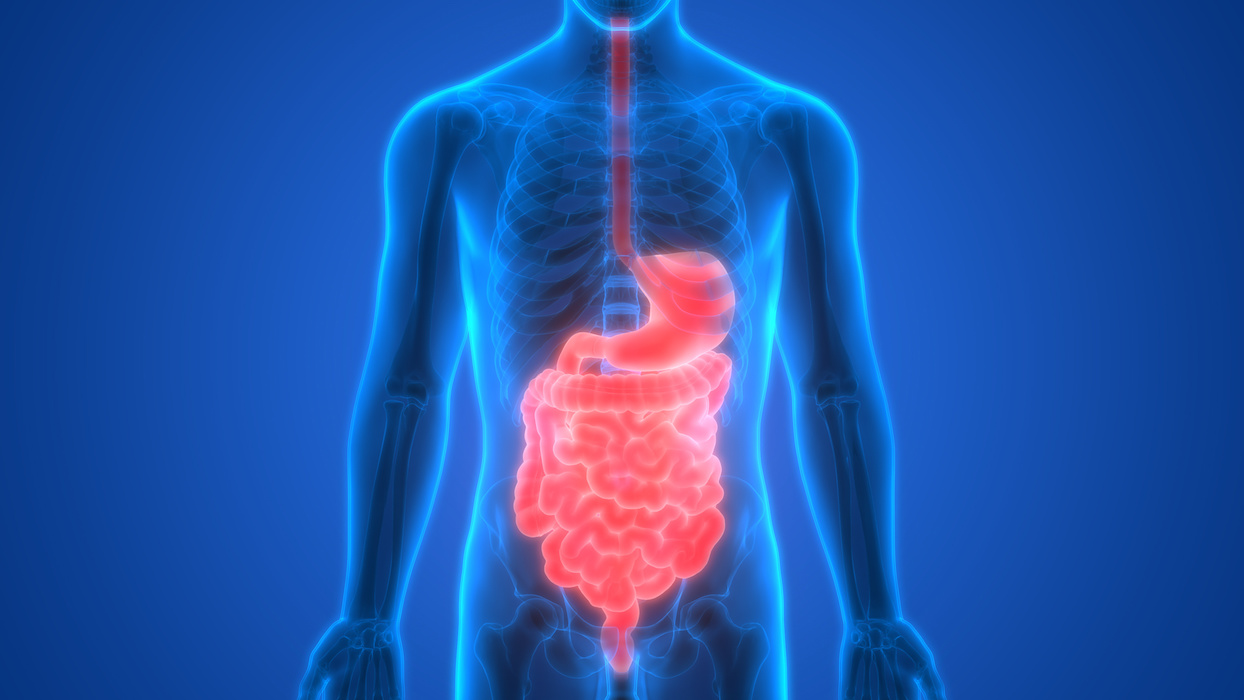
Imagine restaurant menus with selected dishes for men and others exclusively for women, or supermarket products categorized by gender. Looking even further into the future, what about designer 3D cultivated steaks that are male- or female-specific? Using simulated digestive systems, Technion scientists have identified differences in the way men and women digest food that could help tailor healthier food solutions by gender. The study, published recently in Food Hydrocolloids, was prompted by research recognizing that some medications are more effective in treating a specific gender, and that the same drug can have different side effects in men versus women. “We…

Israel started to show the world its technological prowess in the 1990s, earned the moniker “Start-Up Nation” in 2009, and its high-tech boom is still going strong. Today, Israel is also emerging as a global food technology leader, second only to the U.S. in raising investments in the field, according to the Good Food Institute’s Israel report. And the Technion is playing a key role in Israel’s pioneering efforts. “Biotech and foodtech are rising and will catch up with high tech,” predicted Professor Marcelle Machluf, immediate past dean of Israel’s only Faculty of Biotechnology and Food Engineering. “People are living…
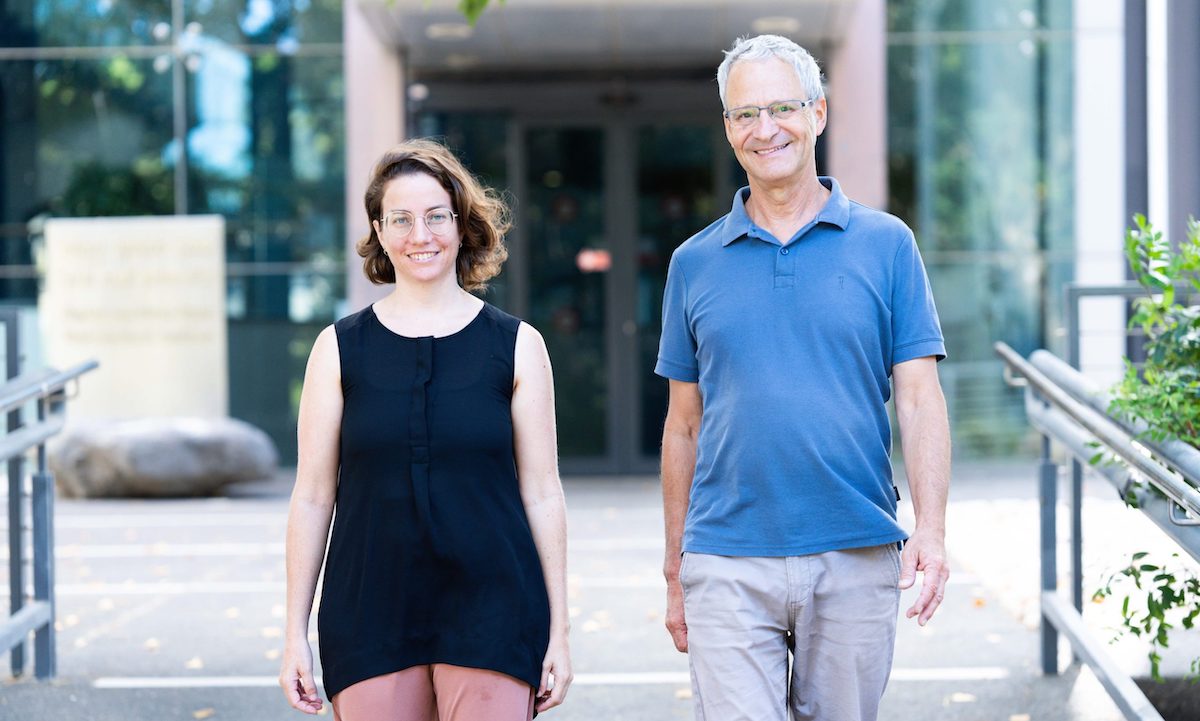
Pictured Above / Dr. Shani Rohatyn and Prof. Yohay Carmel Sounds like an easy fix to climate change: Plant trees in a billion acres of barren land. But that might not be the environmental solution we’re looking for. Studying more than 1.1 billion acres of semi-arid land worldwide, researchers from the Technion and the Weizmann Institute of Science found that contrary to conventional wisdom, turning barren lands into forests won’t cool the planet and could even worsen global warming. Why? Benefits provided by trees can be counteracted by the “albedo effect,” the ability of a surface to reflect light. Dark…
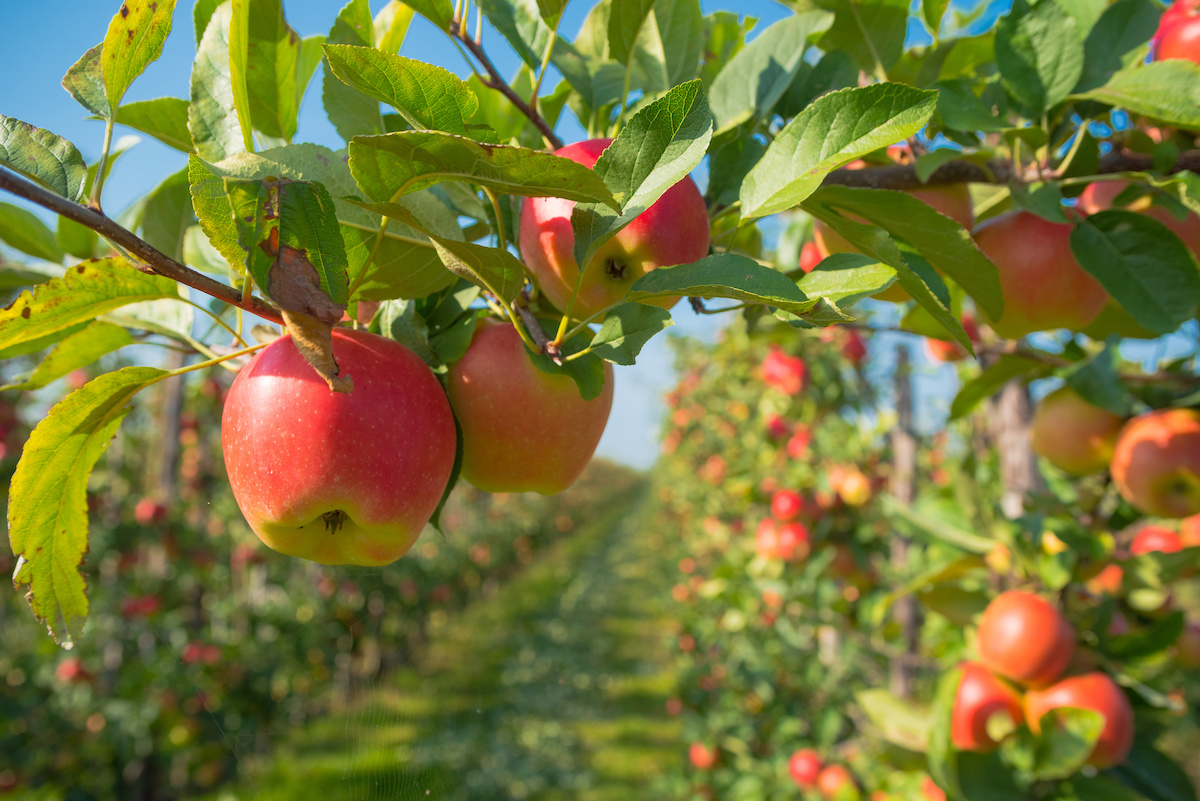
Farmers lose around $30 billion in sales every year due to rotten fruit that never gets harvested. Fruit that gets picked even two weeks late ends up losing 80% of its value. Additionally, due to a shortage of fruit pickers, around 10% of fruits worldwide never get harvested. According to some estimates, if this trend continues there will be five million less workers than necessary by 2050. Farmers are left with the question of how to solve this issue. Tevel Aerobotics Technologies has a solution. The company has developed flying autonomous robots (FARs) that pick ripe fruit off the trees…

Like pockmarked pumpkins that go unsold on Halloween, a whopping 30 to 50% of all vegetables and fruits are discarded each year solely because they are too unattractive to sell. But not for long. Israeli startup Anina, whose VP of R&D, Mor Wik, is a Technion alumna, is saving unwanted vegetables from the dumpster by turning them into artistic, edible packaging for ready-made meals. Anina cuts the would-be wasted vegetables into thin slices that are dehydrated and pressed into thin paper-like laminates. The laminates are then molded into edible meal-size containers and filled with instant vegan meals, which currently include…
Technion’s Ingenious Approach to Sustainable Food Tech Featuring Professors Marcelle Machluf, Ester Segal,and Uri Lesmes The world’s food system is reaching a crisis point: waste, overfishing, deforestation, greenhouse gas emissions from farming, and more are destroying the planet. As the global population keeps growing, food security is fast becoming one of the major challenges facing […]
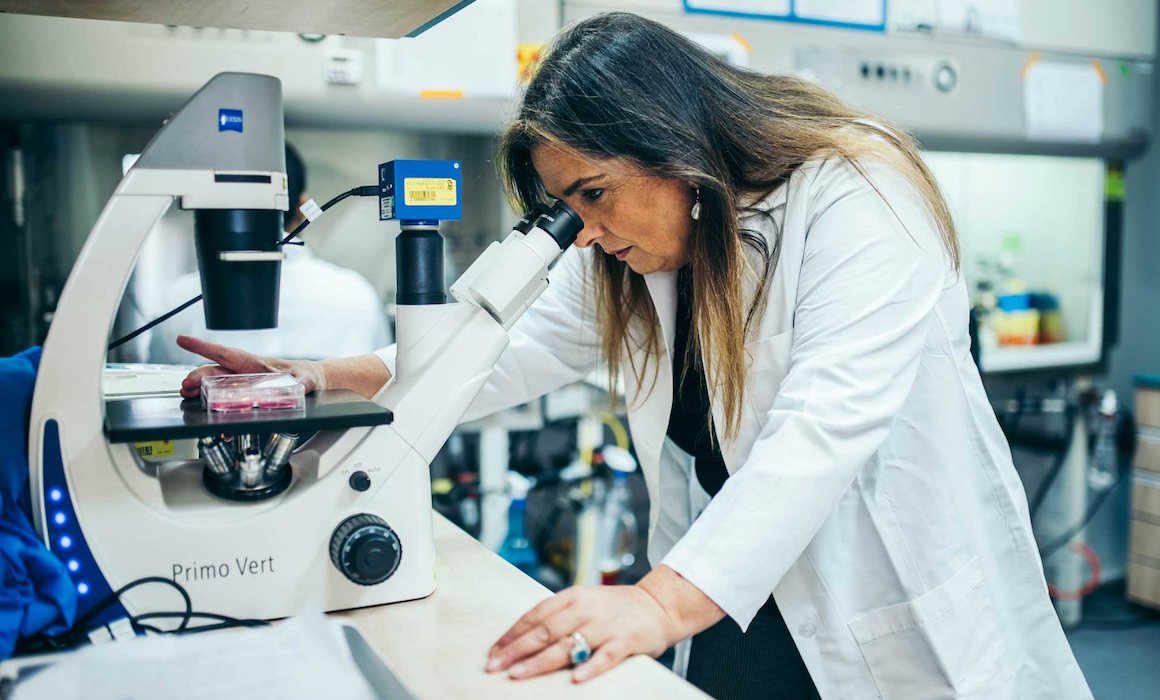
Pictured Above / Professor Marcelle Machluf, dean of the Technion Faculty of Biotechnology and Food Engineering. Israel’s food sector is a $20 billion business, representing 5% of the country’s GDP. Yet lack of capital, stagnating innovation, and rapidly changing consumer demands threaten to erode this success. The new Carasso FoodTech Innovation Center, part of the Faculty of Biotechnology and Food Engineering’s Bio-Health Technology Innovation Initiative, aims to tackle these unanswered challenges. The Center will develop sustainable ways to supply a healthy, tasty, and nutritious diet to a growing world population, while growing Israel’s food sector. “We overfish, overgrow, and overuse…

Climate change and rising concerns about the sustainability and healthfulness of our food supply have prompted researchers to rethink how we produce our food — including some of our favorite meals, like hamburgers. Dr. Dafna Pascoviche of the Faculty of Biotechnology and Food Engineering explains recent food systems research being conducted at the Technion, and […]