Something Fresh in the State of Denmark
October 06, 2026



















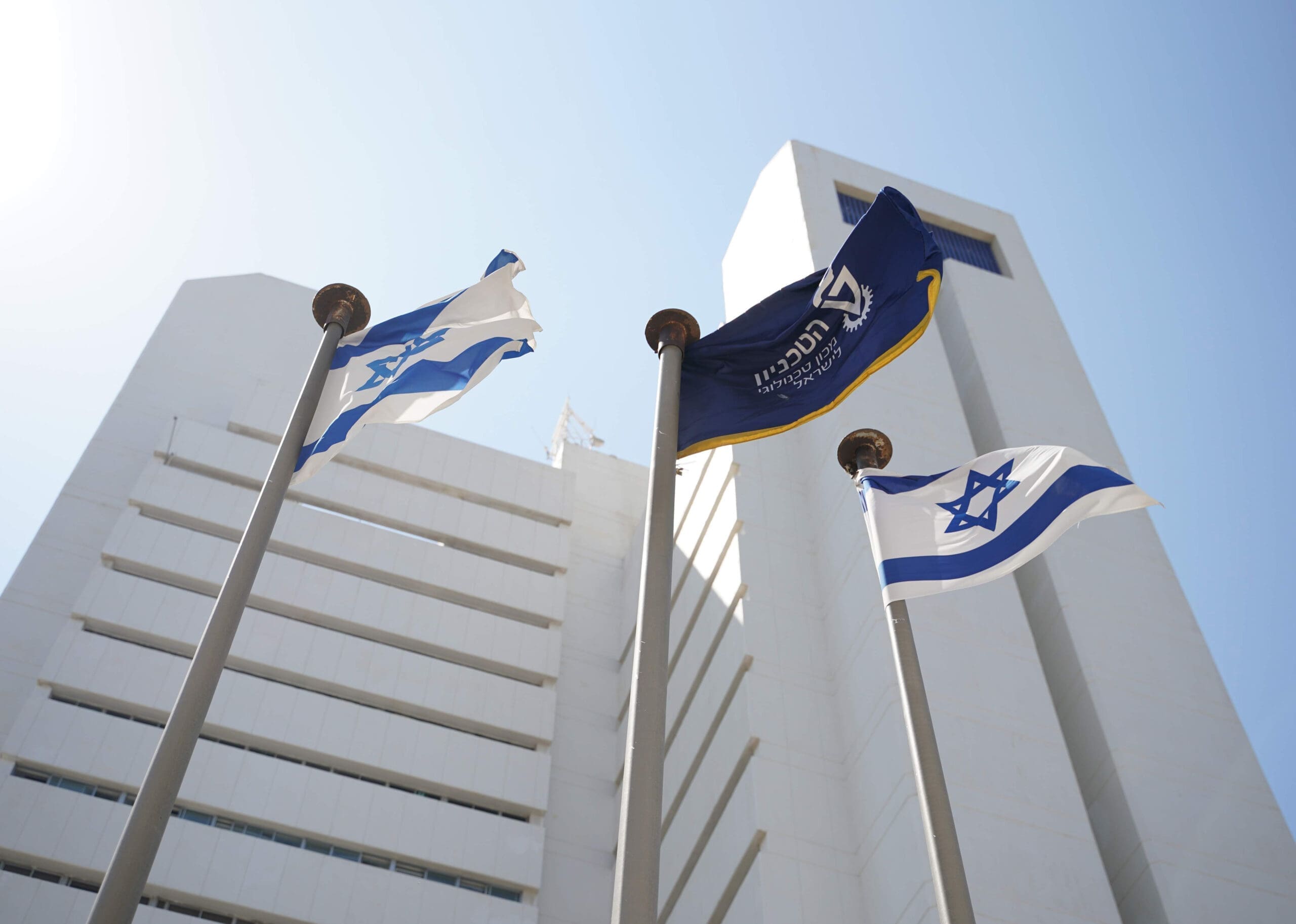



The Technion’s story has been intertwined with Israel’s for more than a century, from laying the foundations for a new nation to shaping its future.

Step inside Israeli innovation at the David and Janet Polak Visitors Center. Experience our 360° immersive movie and tech exhibition. Open to individuals and groups.
Learn More
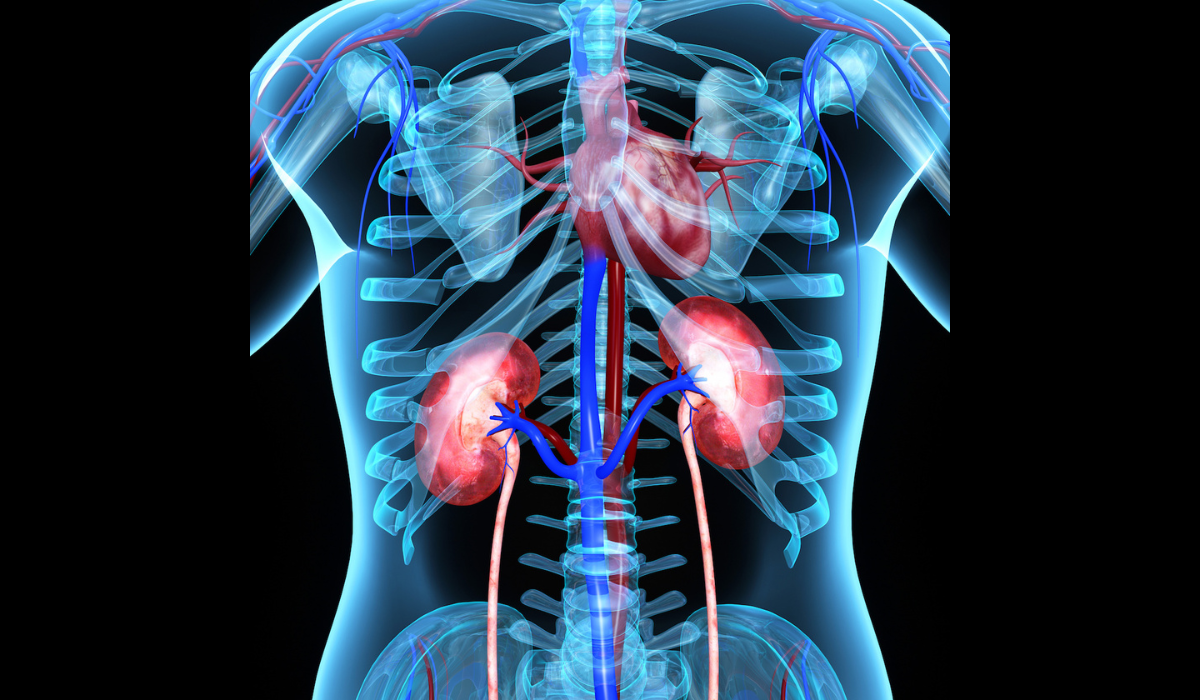
Heart disease is the leading cause of death for both men and women, and one common complication of the condition is a buildup of fluid around the heart. Similarly, renal failure affects 2 million people worldwide, and also causes excess fluid retention in the body. Retaining fluids can cause capillary damage, swelling, breathing difficulties, and mobility problems, and current methods for treating this buildup can have negative side effects. To help solve this pressing issue, AquaPass Medical – founded and led in part by company CTO and Technion alumnus Yaacov Nitzan – has created a suit that comfortably removes fluid…

The Technion Human Health Initiative Brings Medical Research and Technology to the Next Level It takes a village of scientists to tackle the increasingly complex health and medical issues of our time. The Technion is assembling a venture to do just that. Learn about the new Technion Human Health Initiative (THHI), a gathering of Technion […]

Valvular heart disease is the term used to describe when any valve in the heart is damaged or diseased. According to the U.S. Centers for Disease Control and Prevention, about 2.5% of the U.S. population has valvular heart disease – but it is more common in older adults. When any of the heart’s valves are diseased, they are unable to fully open or close to allow proper blood flow from one area of the heart to the next or in the correct direction it needs to move. In more severe cases, treatment can require open heart surgery. A new alternative…
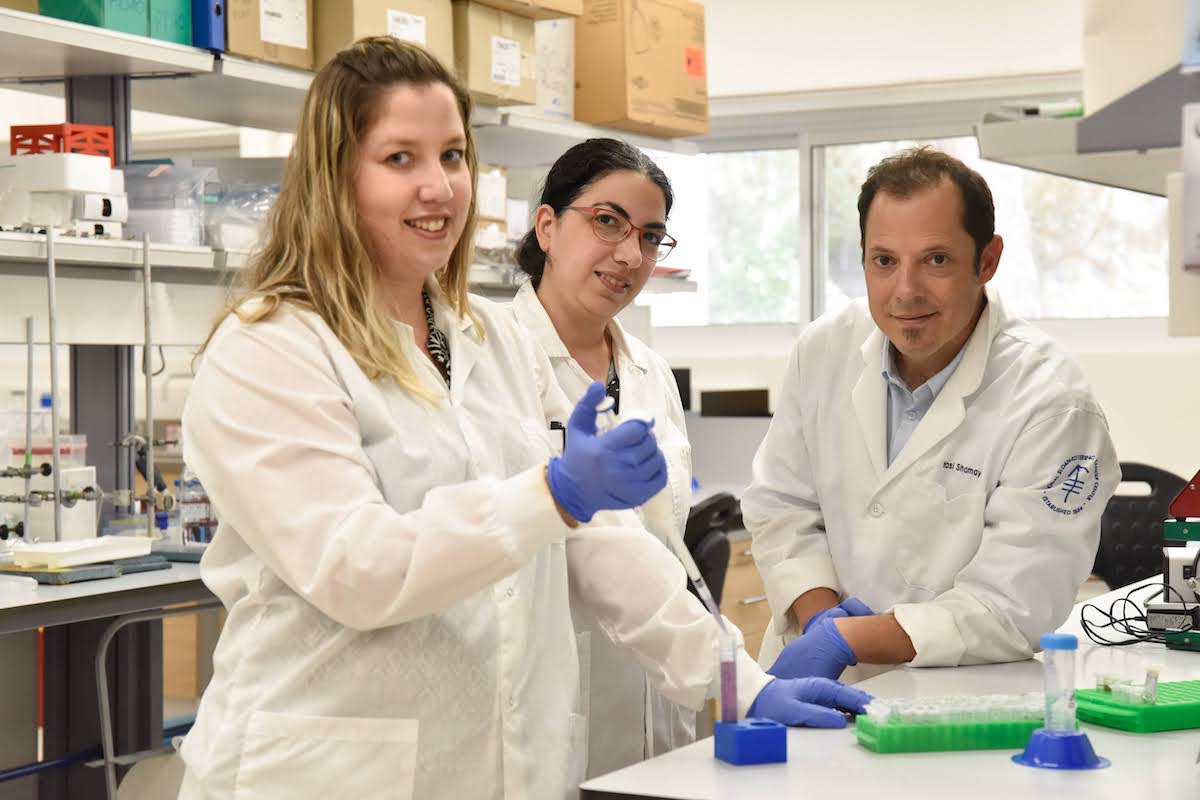
Did you know less than 1% of most chemotherapy administered as oral or injected medicines reaches the tumor, while the remainder ends up circulating through the body? Precision medicine, often delivered by nano-carriers, attempts to get around this problem by targeting the tumor while bypassing healthy tissue, avoiding the collateral damage caused by chemotherapy. Now, Technion researchers have developed an advance in precision drug delivery that is even more effective, while potentially reducing the unwanted side effects of chemotherapy, such as nausea and hair loss. Their new precision dosing technology is akin to an automated robot-chemist/robot-pharmacist system that formulates and…

Mankind has long yearned to turn back the hands of time. Now after 20 years of research, scientists at the Technion and Haifa’s Rambam Health Care Campus, along with colleagues in England and Germany, have found a way to make aged human skin young again. In a study where elderly human skin was grafted onto young mice, the scientists proved that the aging process could be reversed in the skin and other organs by inducing a change in the molecular structure. If aging is “ultimately a fatal disease whose progress can be slowed and reversed,” wrote the authors in Science…
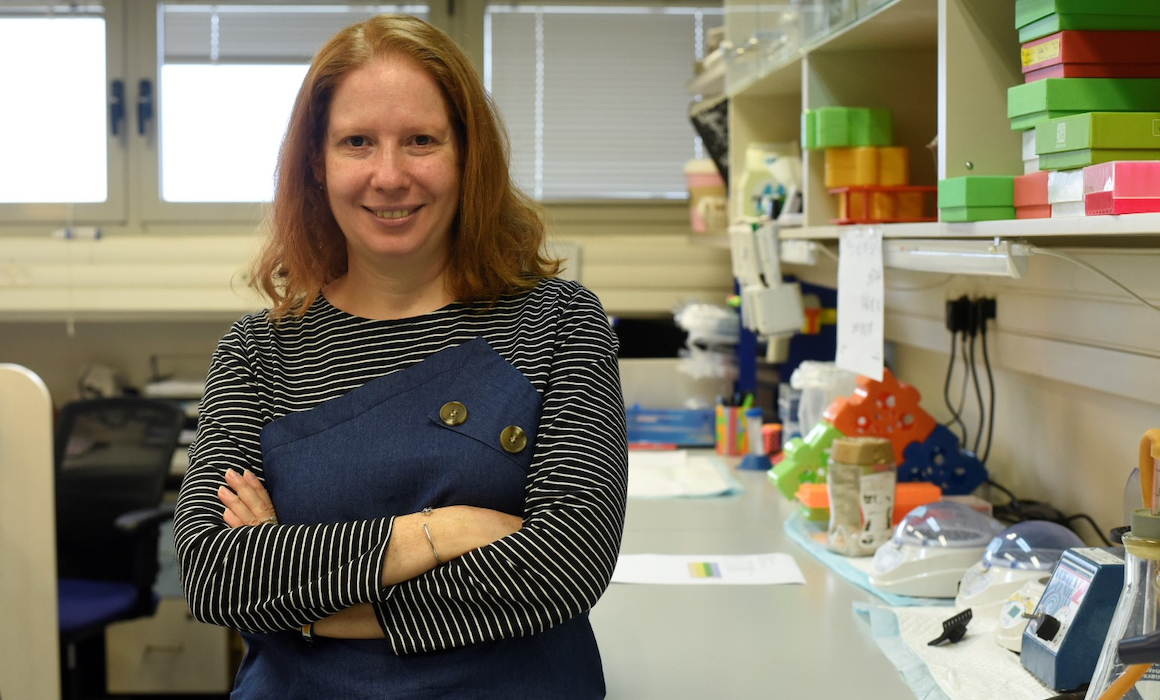
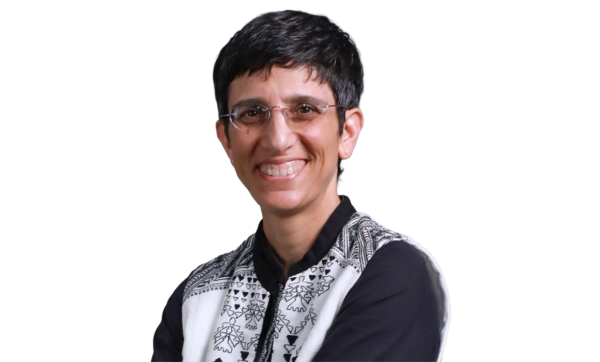
Pictured Above / Professor Reut Shalgi Researchers at the Technion’s Rappaport Faculty of Medicine have discovered that the body has the capability of curing various neurodegenerative diseases, including Huntington’s, Alzheimer’s, and ALS. Unfortunately, however, the body often fails to detect the problem and activate the solution. Professor Reut Shalgi likened the situation to computer troubleshooting. Often you don’t recognize at first that something is wrong with your computer. And when you do, finding the solution is hit or miss. “It is the same with our cells,” she said. “They do not always realize there is a problem, or know how…

Researchers at the Technion – Israel Institute of Technology, in collaboration with researchers from Le Centre National de la Recherche Scientifique (CNRS) in Toulouse, France, discovered an artificial molecule that may inhibit the development of Alzheimer’s disease. The molecule breaks down the toxic chemical complex Cu–Aβ, inhibiting the cell death that is thought to be related to Alzheimer’s. The study was led by Professor Galia Maayan and doctoral student Anastasia Behar from the Schulich Faculty of Chemistry, in collaboration with Professor Christelle Hureau from the Laboratoire de Chimie de Coordination du CNRS.
Featuring Technion President Uri Sivan and Distinguished Professor and Nobel Laureate Aaron Ciechanover Moderated by Andrea Wolfe When all is said and done, the coronavirus pandemic brought seismic changes and new ethical questions to the world of medicine. And the Technion was ready. Learn about the Technion’s major initiative aimed at advancing the standard of […]