Something Fresh in the State of Denmark
October 06, 2026



























The Technion’s story has been intertwined with Israel’s for more than a century, from laying the foundations for a new nation to shaping its future.

Step inside Israeli innovation at the David and Janet Polak Visitors Center. Experience our 360° immersive movie and tech exhibition. Open to individuals and groups.
Learn More

The consumption of soft drinks, supplemented with white sugar, alters the DNA of gut bacteria and affects the host immune system. The good news? These effects are reversible. Findings by researchers from the Ruth and Bruce Rappaport Faculty of Medicine at the Technion – Israel Institute of Technology—Professor Naama Geva-Zatorsky, Ph.D. student Noa Gal-Mandelbaum and other members of the Geva-Zatorsky team—were recently published in Nature Communications. Tamar Ziv and the Smoler Proteomics Center at the Technion assisted with the research. Gut bacteria are important members of the microbial community within the human body, i.e., the microbiome. These bacteria, which have…
For many older adults, something as simple as breakfast can become a challenge. Chewing is harder, digestion is slower, and foods once enjoyed lose their appeal. But what if a bowl of cereal could do more than just start the day? What if it could support better health, be easy to eat, and actually taste […]

Israeli eye surgery robotics company ForSight Robotics has raised $125 million in a Series B round led by Eclipse. The funding will be used to advance development of the company’s ORYOM platform, a robotic system designed to perform cataract surgery and treat other common eye diseases. The system aims to deliver more precise procedures, expand access to quality care, and reduce the physical burden on surgeons. ForSight’s first human clinical trials are expected to begin this year. Founded in 2020 by Prof. Moshe Shoham, Dr. Daniel Glozman, and Dr. Joseph Nathan, ForSight is currently headquartered in Yokneam Illit and will…

A young man was brought to the emergency room of Hadassah University Medical Center in Jerusalem in traumatic cardiac arrest after shrapnel tore his inferior vena cava, the big vein in the middle of the belly. The young trauma surgeon opened the young man’s chest to start internal cardiac massage. At the same time, he instructed his team to use HemaShock, which they’d learned about when treating soldiers during army reserve duty. Applied in emergency cases of dangerously low systolic blood pressure caused by hemorrhagic shock or cardiac arrest, this unique exsanguination tourniquet squeezes all the blood from the patient’s…
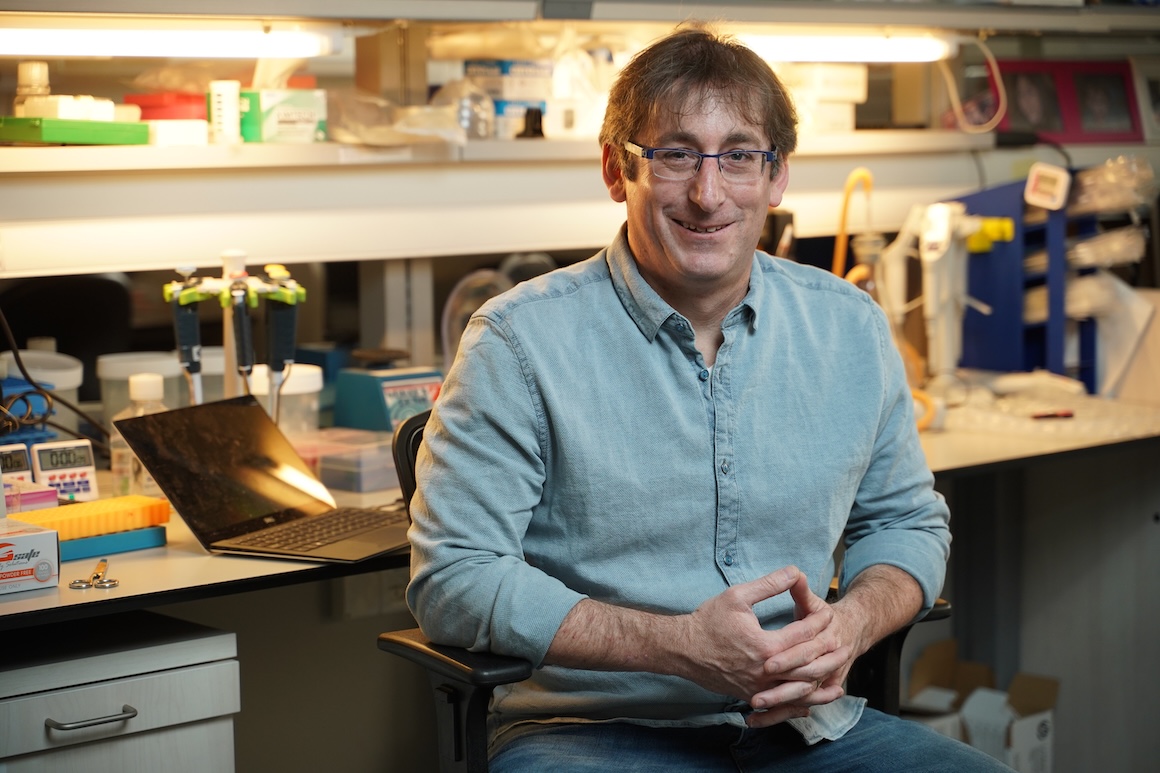
In a groundbreaking seminar presented at a National Board Meeting of the American Technion Society, Prof. Shai Shen-Orr of the Ruth and Bruce Rappaport Faculty of Medicine showcased his lab’s trailblazing efforts in harnessing computational tools and innovative methodologies to redefine our understanding of the immune system. A leading immunologist and director of the Zimin […]
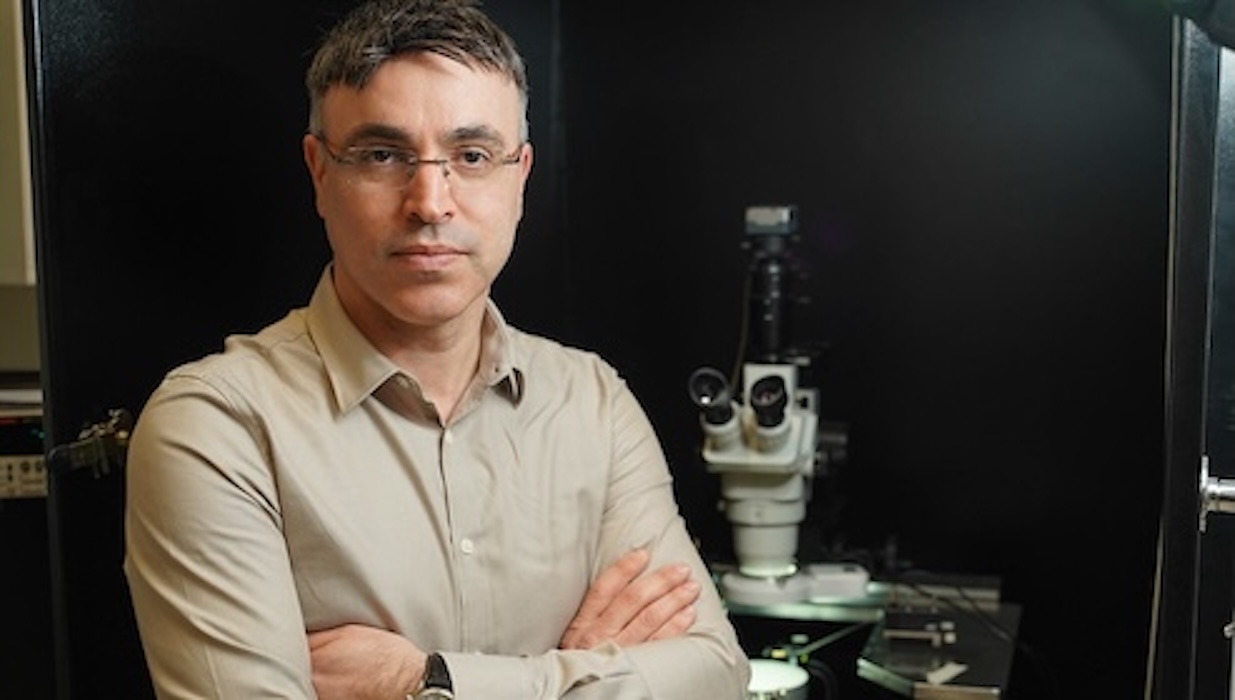
The next century will see a global health revolution driven by ubiquitous access to advanced noninvasive diagnostic tools that enable real-time monitoring and early detection of diseases for billions of people across the globe. Nanorobots could revolutionize medicine and surgery by traversing the human body to conduct repairs and administer targeted treatments. Detecting Disease Before […]
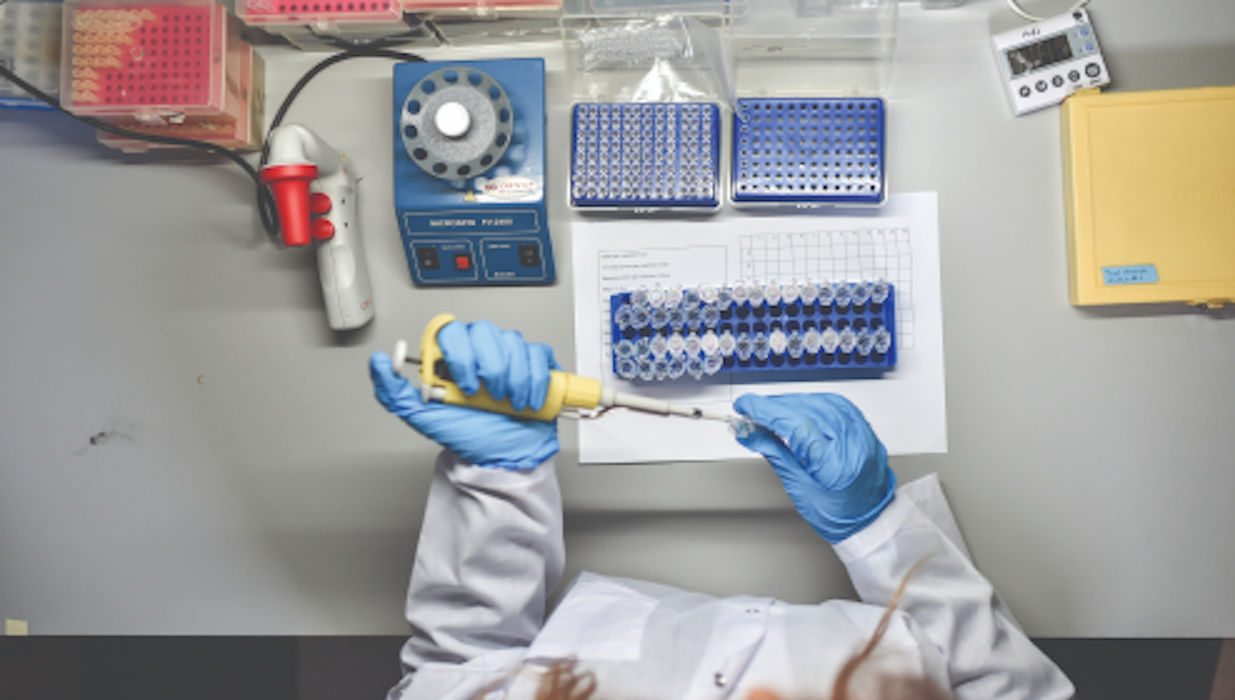
The next 100 years in my field of bio-inspired engineering will be focused on early detection of cancer and neurodegenerative diseases. Right now, we might have the ability to treat cancer and we might have the ability to reduce the side effects — but can we detect it early, before it causes any harmful symptoms […]

Researchers at the Technion Faculty of Biology have identified potential new innovative genetic therapies for cancer and brain diseases. The findings were supported by the Israel Science Foundation (ISF), the US-Israel Binational Science Foundation (BSF), NSF-BSF Molecular and Cellular Biosciences, and the National Institutes of Health (NIH) and were published in the peer-reviewed journal Nucleic Acids Research. The study was conducted in collaboration with the research group of Professor Heather Hundley from Indiana University and was led by Ph.D student Berta Eliad, master’s student Noa Schneider, and their advisor, Associate Professor Ayelet Lamn.

Doctor Nir Barzilai is a professor of medicine and genetics at the Albert Einstein College of Medicine, the director of the biggest center in the world for the biology of aging, and the president of the academy of health and lifespan research. Over the course of this conversation, Doctor Barzilai talks about the centenarian studies […]

Taking race into account when developing tools to predict a patient’s risk of colorectal cancer leads to more accurate predictions when compared with race-blind algorithms, researchers find. While many medical researchers have argued that race should be removed as a factor from clinical algorithms that predict disease risks, a new study finds that, at least for colorectal cancer, including race can help correct a data issue – inaccurate recording of family history for Black patients. Having relatives with colorectal cancer is a known risk factor for the disease, but Black patients are less likely to have an accurate recorded history…

The Biomed company Epitomee’s share value spiked this month (188%) after its new weight loss pill was approved by the FDA. The pill, which inherited its company’s name will join the fierce competition between weight loss pills in the market. In complete contrast to Novo Nordisk’s Wegovy and Eli Lilly’s Mounjaro, Epitomee’s capsule does not contain any active substance. It is a sophisticated pill that, after being swallowed and arriving at its intended destination, expands and changes its shape into a rigid triangle, in response to the acidic environment. In doing so, it mimics the presence of solid food, which…

In the time it takes to read this article, several people in the United States will likely experience a heart attack — according to the CDC, someone in the US suffers from one every 40 seconds. That morbid statistic highlights the importance of coronary artery disease detection methods, and companies developing them. One such company is Israeli startup AccuLine, which recently secured $4.2 million in seed funding for the development and commercialization of its CORA (Coronary Artery Risk Assessment) system, designed to improve the early detection of coronary artery disease (CAD), a leading cause of heart attacks. CORA detects two…