Something Fresh in the State of Denmark
October 06, 2026























The Technion’s story has been intertwined with Israel’s for more than a century, from laying the foundations for a new nation to shaping its future.

Step inside Israeli innovation at the David and Janet Polak Visitors Center. Experience our 360° immersive movie and tech exhibition. Open to individuals and groups.
Learn MoreWhy getting older doesn’t mean giving up on your favorite foods.

Seniors often don’t eat enough, and they’re especially at risk for deficiencies in protein, vitamins, fibers, and minerals”
Leehen Mashiah, Technion Ph.D. student
For many older adults, something as simple as breakfast can become a challenge. Chewing is harder, digestion is slower, and foods once enjoyed lose their appeal. But what if a bowl of cereal could do more than just start the day? What if it could support better health, be easy to eat, and actually taste good?
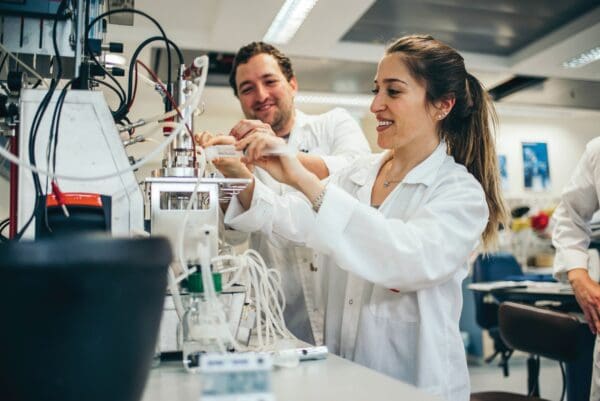
That’s the question a team of researchers in Professor Uri Lesmes’ lab in the Technion Faculty of Biotechnology and Food Engineering set out to answer.

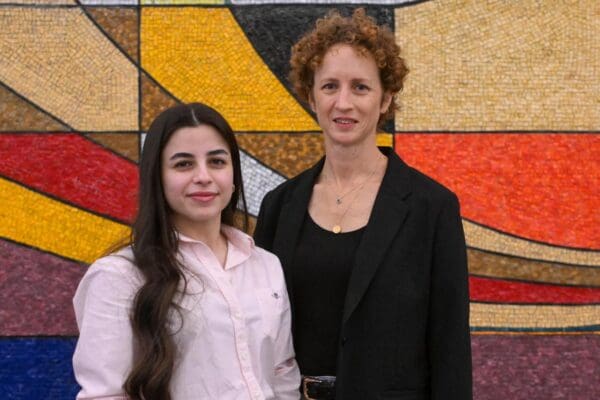
As part of an international food innovation project called EAT4AGE focused on plant-based, shelf-stable foods, Ph.D. student Leehen Mashiah helped create a new kind of breakfast cereal that’s nutrient-rich, easy to digest, and specifically formulated for the nutritional needs of older adults. “We wanted to create a product that could help prevent malnutrition,” she explained. “Seniors often don’t eat enough, and they’re especially at risk for deficiencies in protein, vitamins, fibers, and minerals.”
The final product, a co-extruded, plant-based cereal, delivers meaningful health benefits in a small, familiar form. A single 30-gram serving provides 5 grams of dietary fiber (20% of the recommended daily value), 50% of the daily iron requirement for older adults, nearly 4 grams of protein, and less than 1.2 grams of sugar. To enhance its nutritional profile, the team blended multiple flours to create a complete amino acid profile and used extrusion technology to make the proteins more digestible. “We didn’t rely on just one plant source,” said Mashiah. “Combining different sources of protein in the diet allows for protein complementation, ensuring that all essential amino acids required by the body are provided, and the extrusion process made the proteins more bioaccessible.”
Though the cereal hasn’t undergone long-term human testing, the team conducted in vitro digestion simulations that mimicked gastrointestinal conditions in older adults. The results were promising. “We saw that the digestibility of the protein increased significantly,” she said. “Our product scored over 80% in the Digestible Indispensable Amino Acid Score (DIAAS), which is considered very good – especially for a plant-based product, where scores typically range from 40 to 60.”
The cereal also passed informal taste and texture tests with seniors, several of whom asked when it would be available in stores.
Mashiah, now in the second year of her direct Ph.D. program, has since pivoted to research focused on protein digestion in other populations, including healthy females between 20 and 60 and additional senior groups. Her aim is to support more precise nutritional recommendations through tailored food products – a theme that first drew her to the cereal project.
For Mashiah, food research isn’t just about nutrients – it’s about quality of life. “When you eat a healthy, balanced diet, your body is better equipped to protect itself from disease, cope with daily challenges, and avoid nutritional deficiencies,” she said. “And if you enjoy your food, it’s not just good for your body – it’s also good for the soul.”
The project was conducted within the Technion’s Healthy Aging Institute as part of a broader international collaboration focused on sustainable food solutions for older adults. It reflects the University’s commitment to advancing human health through innovative and interdisciplinary research.
As the global population ages, innovations like these point to a future where senior nutrition isn’t just about meeting basic needs – but about bringing dignity, health, and gratification to the table.