Why the Perfect Pitch is Your Biggest Mistake
September 23, 2026
























The Technion’s story has been intertwined with Israel’s for more than a century, from laying the foundations for a new nation to shaping its future.

Step inside Israeli innovation at the David and Janet Polak Visitors Center. Experience our 360° immersive movie and tech exhibition. Open to individuals and groups.
Learn More

Like quality controls built into an assembly line, the body has a vital protein control mechanism that maintains homeostasis. Because proteins play many critical roles in the body, doing most of the work in our cells, this system, called proteostasis, continually tests the quality of the proteins, fixing or sweeping away damaged ones. Technion researchers have demonstrated, for the first time, how this quality control system breaks down with aging, leading to neurodegenerative diseases of the elderly such as Alzheimer’s and Parkinson’s, as well as Huntington’s and ALS. When the body is functioning correctly, proteins undergo a physical process called…
Featuring Technion President Uri Sivan and Distinguished Professor and Nobel Laureate Aaron Ciechanover Moderated by Andrea Wolfe When all is said and done, the coronavirus pandemic brought seismic changes and new ethical questions to the world of medicine. And the Technion was ready. Learn about the Technion’s major initiative aimed at advancing the standard of […]

With Aging Expert Dr. Nir Barzilai of Albert Einstein College of Medicine and Professor Uri Lesmes of the Technion Faculty of Biotechnology and Food Engineering Do centenarians have genes that delay aging? Which foods could restore the fountain of youth? Learn all about the keys to living a longer life in this conversation, originally aired […]

A team of researchers from the Technion – Israel Institute of Technology, Rambam Medical Center, Tel Aviv University, and the Sheba Medical Center have found that small, metered cannabis doses delivered via inhaler can have a positive impact on chronic pain. Cannabis is an effective means of treating chronic pain, but determining an optimal dosage is a difficult task. This has prevented the standardization of these treatments and discouraged many doctors from issuing cannabis prescriptions. One way to ensure accurate dosing is to use a small, portable vaporizer, commonly known as an inhaler. The researchers studied individuals who received 0.5…
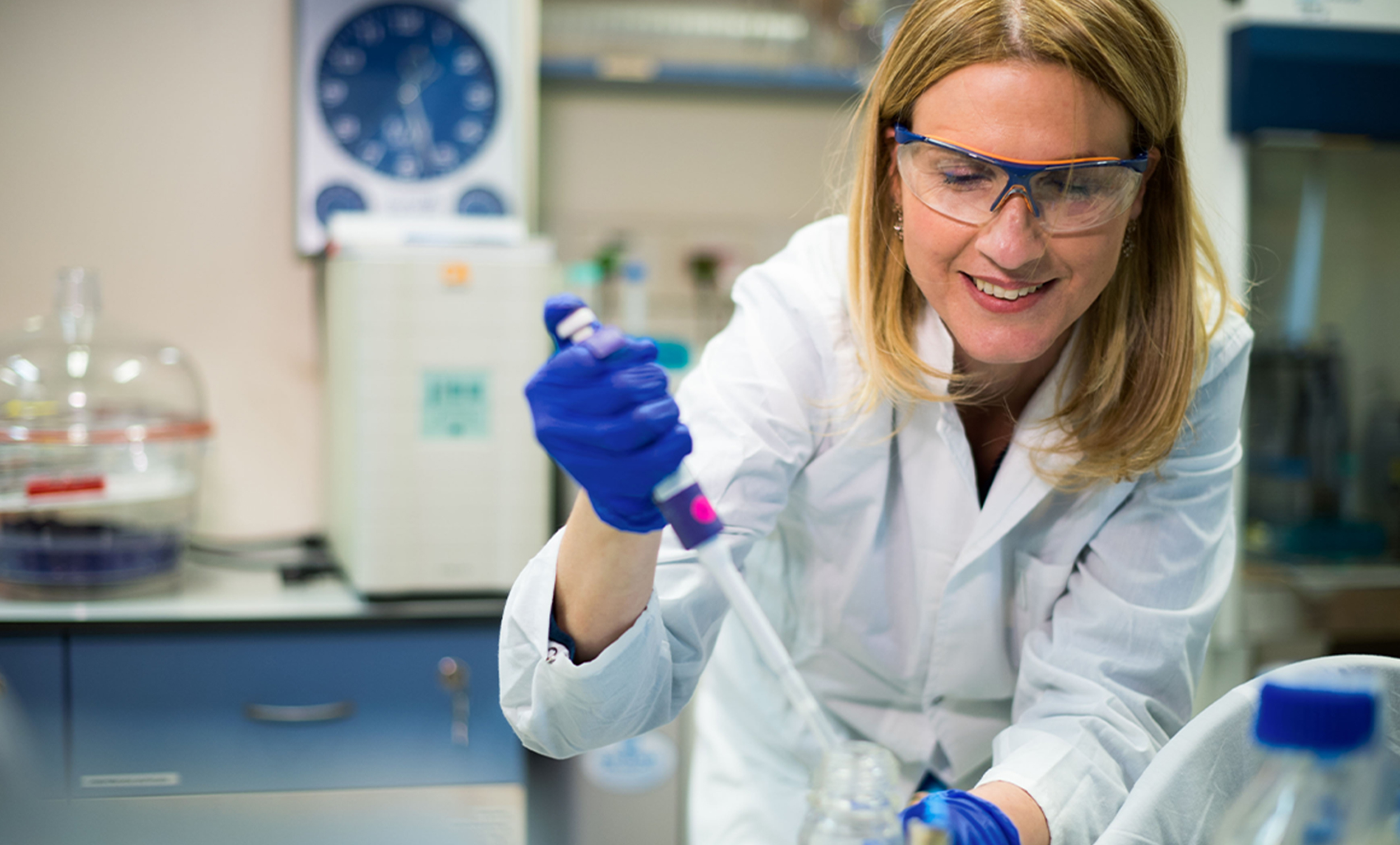
Virtually everyone has been impacted by either Alzheimer’s or Parkinson’s disease. Watching as a beloved grandparent or friend experiences cognitive decline is heartbreaking. And as the number of older Americans grows, so too will the number of cases. Americans with Alzheimer’s are slated to rise from about 5.8 million people today to 13.8 million by midcentury, while the number of Americans age 45 or older with Parkinson’s is forecasted to jump from about 930,000 today to 1,238,000 in a decade. Technion researchers are on the front lines battling both degenerative diseases. Professor Ester Segal, who often speaks with American Technion…
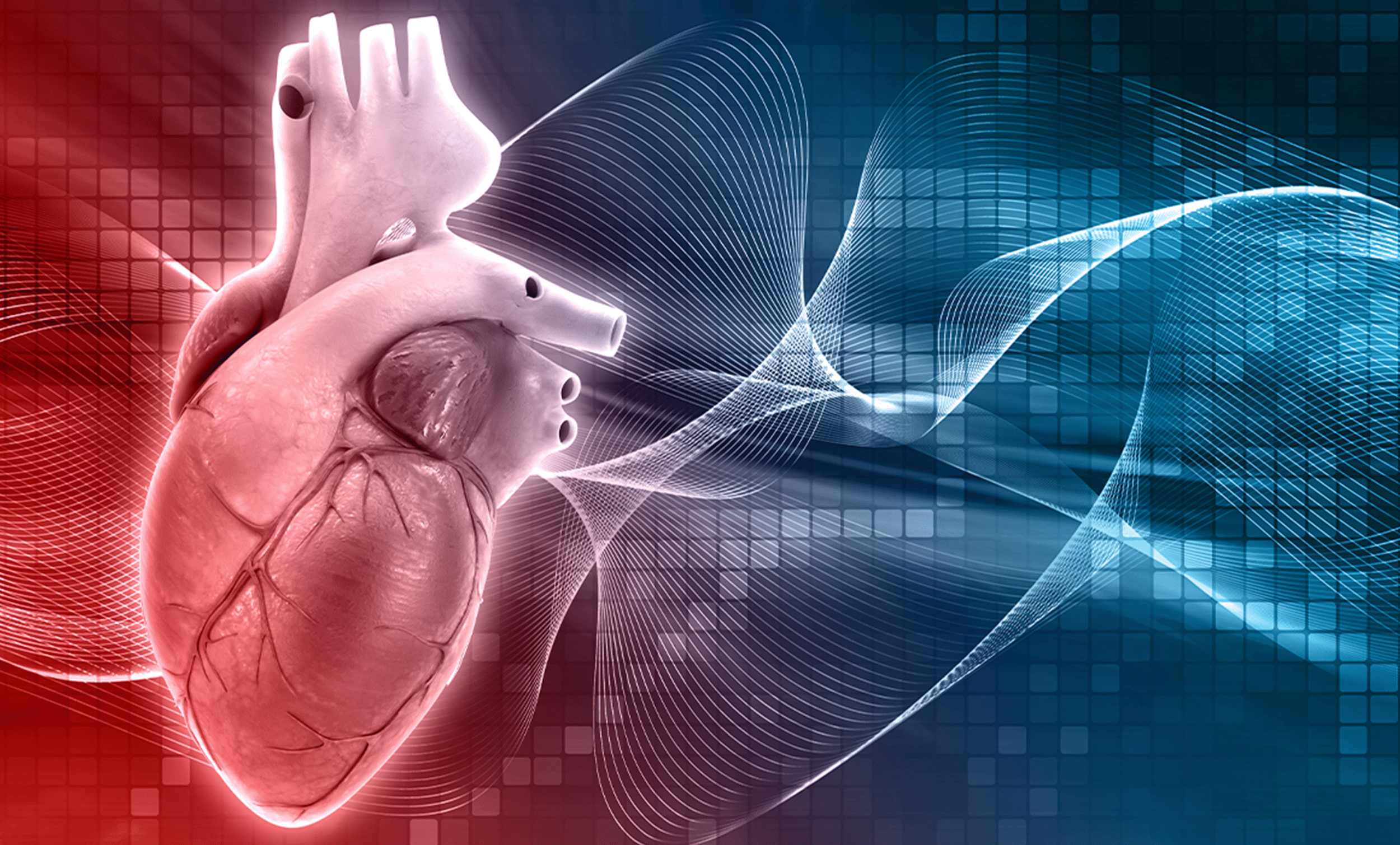
Scientists have known that chemotherapy can damage the heart muscle. But what about the reverse — can heart disease impact cancer? A research team led by Professors Ami Aronheim and Yuval Shaked of the Rappaport Faculty of Medicine at the Technion, with colleagues from Carmel Hospital, have found that early changes in the size, shape, or function of the heart caused by heart disease or injury, collectively known as cardiac remodeling, promotes cancer progression. The study, published in Circulation, demonstrates that catching and treating heart disease early on in cancer patients might help cardio-oncologists slow tumor progression and improve cancer…
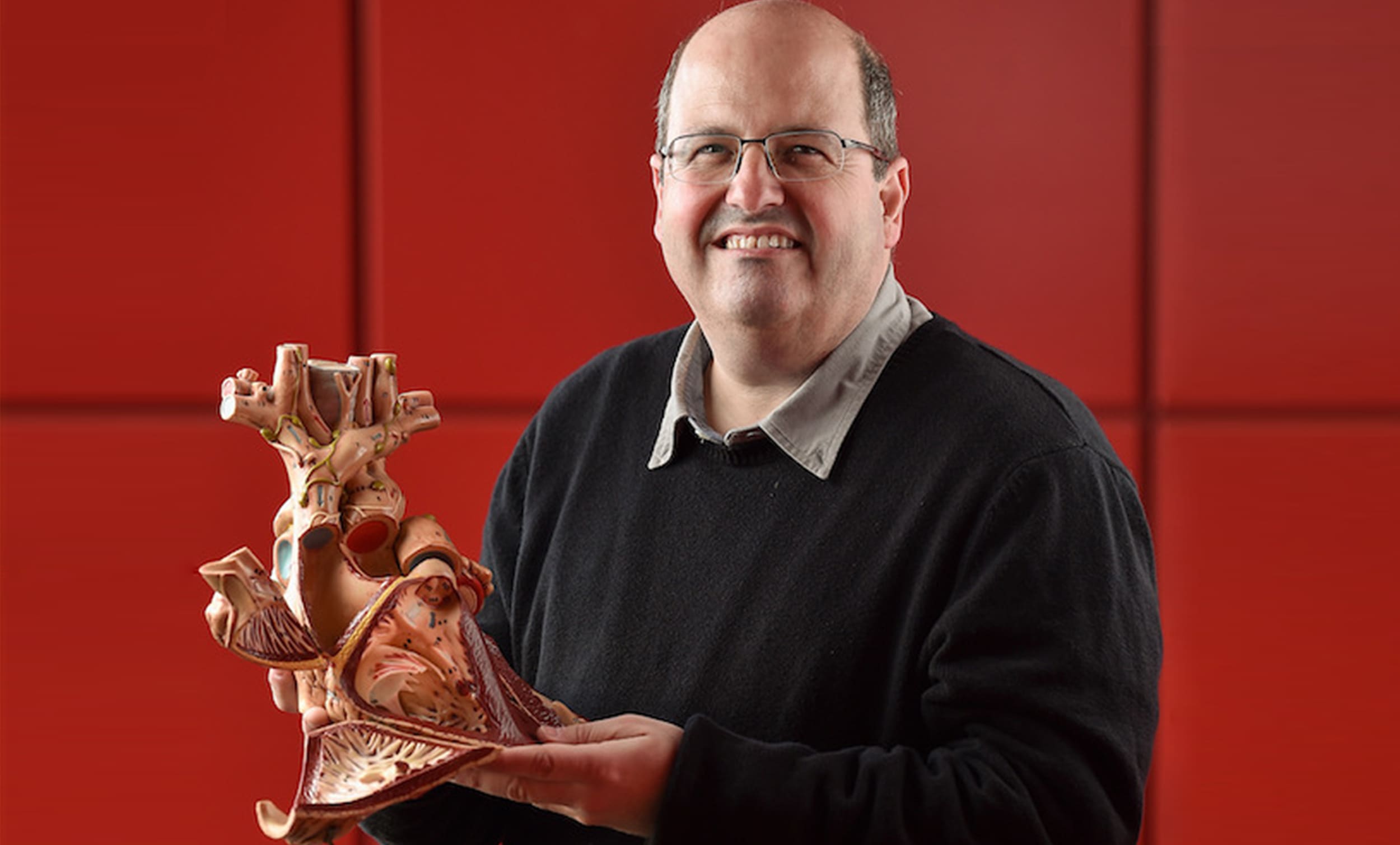
Researchers at the Technion, the Rambam Healthcare Campus (Rambam Medical Center), and colleagues at the McEwen Stem Cell Institute at the University Health Network in Toronto have succeeded in producing 3D engineered cardiac tissues from embedded chamber-specific heart cells (atrial and ventricular cells) derived from human stem cells. The tissues, which simulate heart tissues of the atrium (auricle, or the upper chamber of the heart through which blood enters the ventricles) or the ventricles, will serve in the near future for personalizing medications for cardiac patients and developing new drugs to treat them. In the more distant future, the technology…
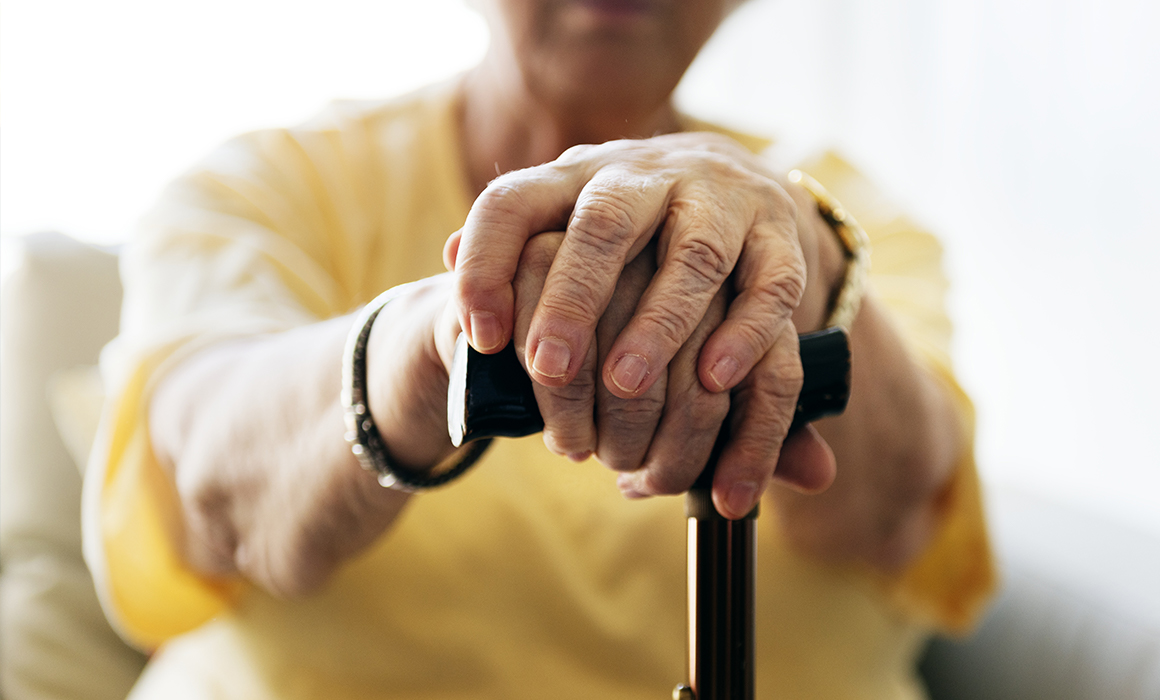
Falls are the leading cause of injury among the elderly, resulting in an estimated 800,000 hospitalizations and more than 27,000 deaths in American seniors every year. A serious fall can set off a devastating domino effect, leading to ongoing health effects, social isolation, and depression. Seated Exercise Technology Seated Exercise Technology (SET) could reduce age-related losses in muscle strength and balance while preventing falls. It was developed by a consortium of experts, including Professor Alon Wolf and Dr. Deborah Solomonow-Avnon at the Technion; scientists at Philips Research; researchers at RWTH Aachen University; and entrepreneurs and physicians at Mopair Technologies. SET…
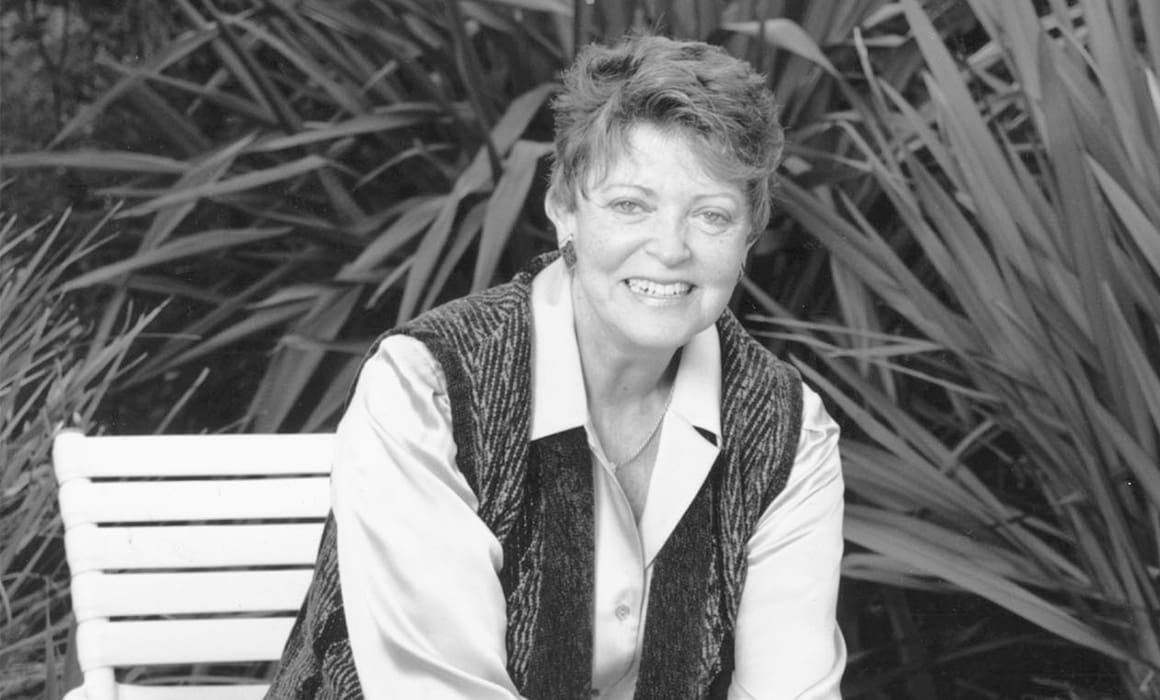
Recognizing the important roles that Israel and the Technion play in scientific and engineering breakthroughs, the Helen Diller Family Foundation announced today that it is giving $50 million to the Technion – Israel Institute of Technology. The donation will support the university’s new quantum center, now named the Helen Diller Center for Quantum Science, Matter, and Engineering. The Technion relies on the generosity of individuals to continue and expand its work. This gift will strengthen the Technion’s position as a world leader in quantum science and engineering by providing the means for new faculty recruitment, establishing new infrastructure, seed funding…