Something Fresh in the State of Denmark
October 06, 2026






















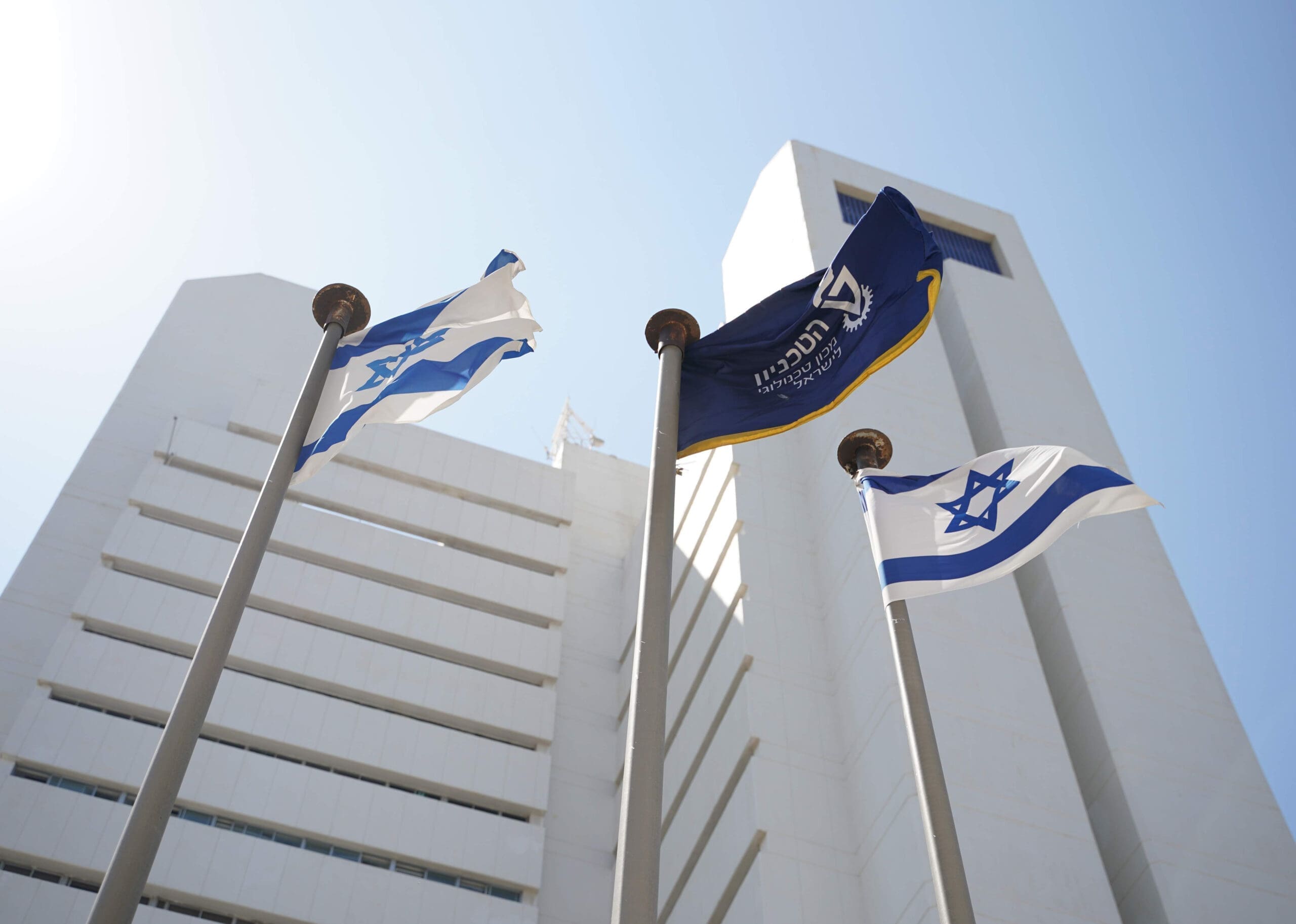








The Technion’s story has been intertwined with Israel’s for more than a century, from laying the foundations for a new nation to shaping its future.

Step inside Israeli innovation at the David and Janet Polak Visitors Center. Experience our 360° immersive movie and tech exhibition. Open to individuals and groups.
Learn More

Generations of faculty, students, and alumni have helped build the technologies, companies, and industries that earned Israel its reputation as the “Startup Nation,” with Technion – Israel Institute of Technology graduates founding hundreds of startups and driving breakthroughs in fields ranging from AI and cybersecurity to semiconductors and robotics. Here’s a look at some recent […]
Since the founding of the State of Israel, protecting the nation has been a defining focus for Technion faculty, students, and alumni. Across generations, they’ve helped shape the country’s defense and security ecosystem through breakthrough science and engineering. Here’s a look at recent innovations that are making a real-world impact in the defense sector.


Israeli startups raised $1.3 billion in April 2026, according to reports and press releases seen by “Globes.” The figure may be more as some companies prefer to remain in stealth and sometimes do not publicize the investments they have received. In the first four months of 2026, Israeli startups have raised $4.4 billion. In the first three months of 2026, Israeli startups have raised $3.1 billion, according to IVC, after raising $10.7 billion in 2025, up from $9.58 billion in 2024 and $6.9 billion in 2023 but well below $15 billion raised in 2022, and the record $25.6 billion raised…
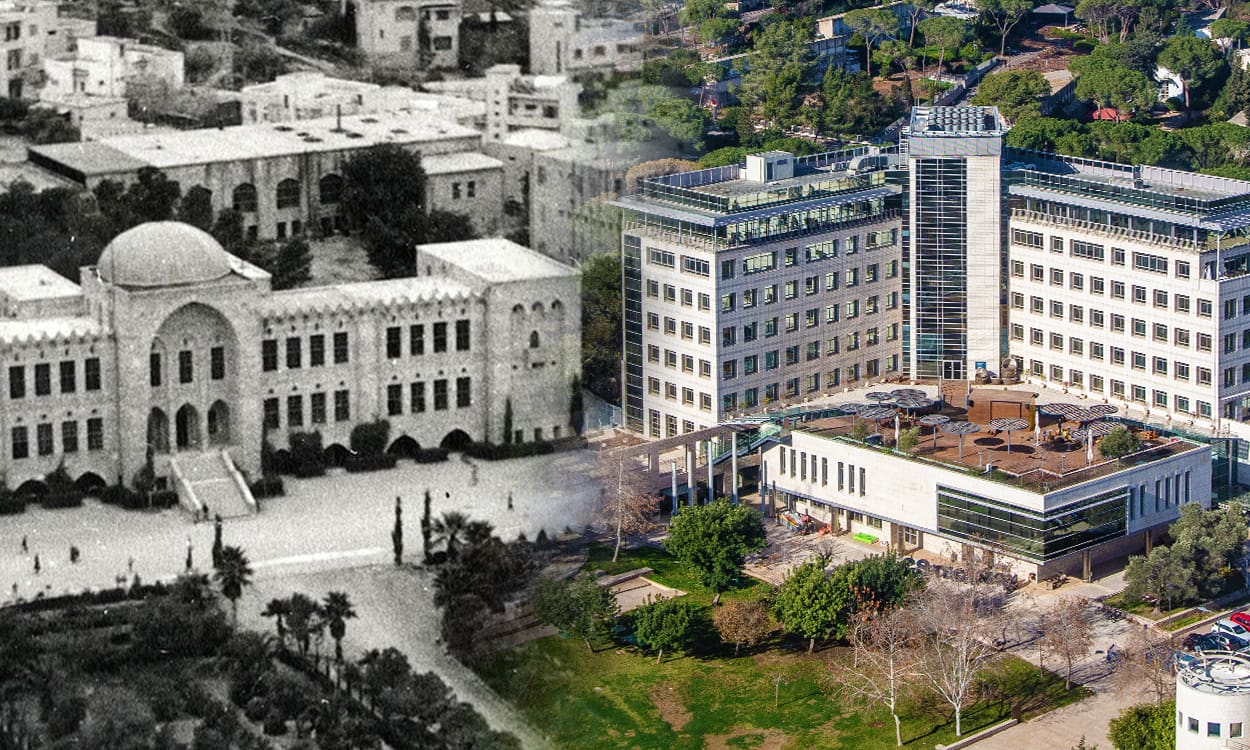
Two Israeli universities rank among the world’s top 10 for the number of undergraduate alumni who founded startups that raised venture capital, according to the latest ranking released by Andreessen Horowitz, also known as a16z, one of the world’s largest and most influential venture capital firms. The ranking, based on data from research firm PitchBook covering the end of 2025 and early 2026, places Tel Aviv University seventh, with about 865 alumni founders who have raised roughly $30 billion. The Technion — Israel Institute of Technology — ranks 10th, with about 783 alumni founders who have raised $23 billion. The…

AI is transforming nearly every aspect of modern life — and the Technion – Israel Institute of Technology stands at the forefront of that change. From breakthrough research to globally influential startups, the Technion has earned international recognition as a leader in AI innovation. That leadership was underscored with the release of Greenfield Partners’ 2025 […]

Israeli startup Q-Factor had operated largely under the radar until today, but it has already attracted significant attention within the industry due to its unusually strong academic pedigree. The company, which is developing a full-scale quantum computer based on neutral atom technology, was founded by four leading physicists from the Weizmann Institute of Science and the Technion, each of whom heads a prominent laboratory in the field. It is now emerging from stealth with a $24 million Seed round, completed just months after its founding. The round was led by NFX and TPY Capital, with participation from Intel Capital, Korea…

Six international companies are relocating to Boston as part of an artificial intelligence health care accelerator backed by the Middle East’s largest medical center. Sheba Medical Center in Israel — which has the world’s first AI-powered emergency department — first announced its new U.S. endeavor last May. Now it has officially launched the ARC Innovation Boston location in the city’s downtown, a “soft landing pad” for international startups working to transform the delivery of health care through AI and digital solutions. The Boston hub is joining a network of existing ARC (Accelerate, Redesign, Collaborate) programs in London, Melbourne, Singapore, Berlin…

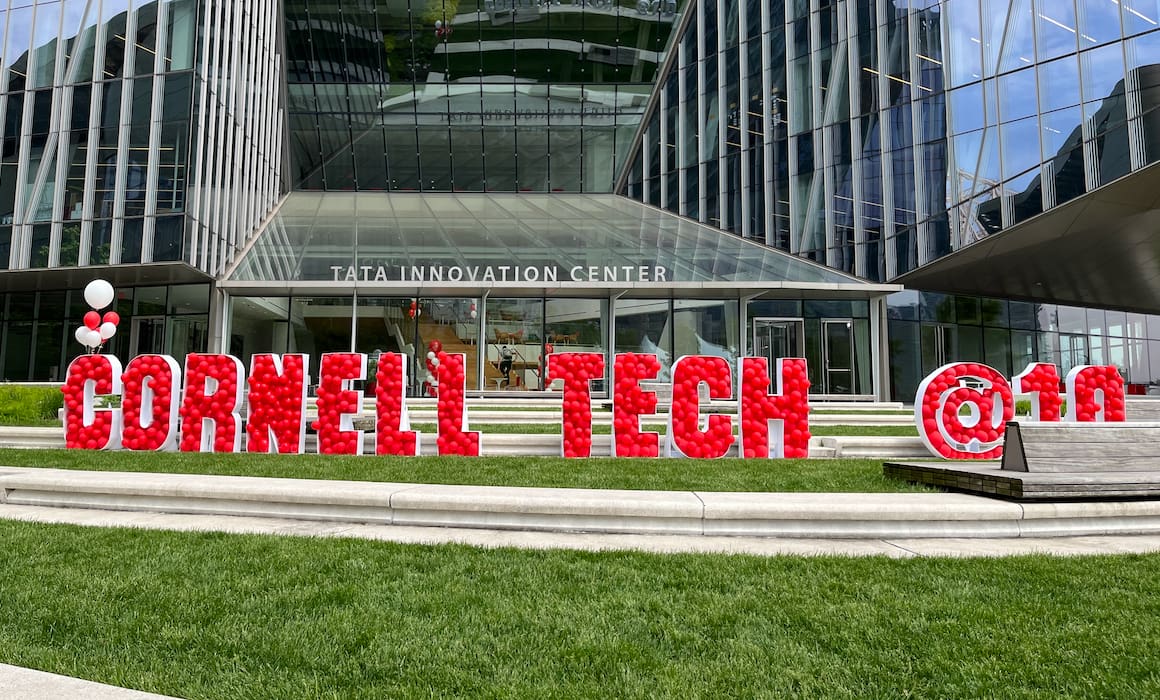
In 2011, Cornell entered into an academic partnership with the Technion — Israel Institute of Technology to compete for an ambitious goal: build an innovative New York City campus to educate a new generation of tech leaders, conduct breakthrough research and development, inspire startups and propel the city to becoming a global hub for the tech industry. Beating national competitors in the bidding process, Cornell and the Technion won the opportunity to create Cornell Tech on Roosevelt Island. Without the Technion, there would be no Cornell Tech. Nearly 15 years later, Cornell Tech has educated more than 2,700 students and…

The magnitude of artificial intelligence’s potential can cloud our imagination when trying to understand its specific real-world impact. Fortunately, the Technion – Israel Institute of Technology and its expansive network of alumni around the world are working each day to ensure that its potential is honed for good and advance true transformation that we can see with our own eyes. One such alum is Jonathan Spitz, founder of AI start-up GaussML. He leverages physical AI—the new frontier of AI innovation that will bring about a future where robots are our helpful friends, rather than the villains of science fiction. I…

Led by a repeat founder and a world-renowned robotics pioneer, the Israeli startup EndoCure has developed a robotic platform capable of producing 3D images with 10 times the density of an MRI. “Current imaging methods, MRI, CT, and manual ultrasound, often fail to detect small or deep tumors, are highly operator-dependent, and are either expensive, invasive, or inconsistent,” says EndoCure. “This creates major gaps in diagnosis, delays in treatment, unnecessary surgeries, and poor patient outcomes.” Founded in 2023 by Dr. Hadas Ziso, a repeat founder with 20 years of MedTech experience, and Prof. Moshe Shoham, a robotics pioneer who was…

If New York City hopes to maintain its international reputation as a technological powerhouse, then it must recognize and accelerate the vital role international collaboration plays in its progress. Cornell Tech and the Joan & Irwin Jacobs Technion–Cornell Institute on Roosevelt Island make clear the undeniable local and global benefit of academic collaboration across borders and how its impact extends far beyond the sum of its parts. In 2010, when the city requested proposals from leading universities to create an academic hub focused on applied sciences, entrepreneurship and job creation, Cornell University and the Technion – Israel Institute of Technology…