Something Fresh in the State of Denmark
October 06, 2026














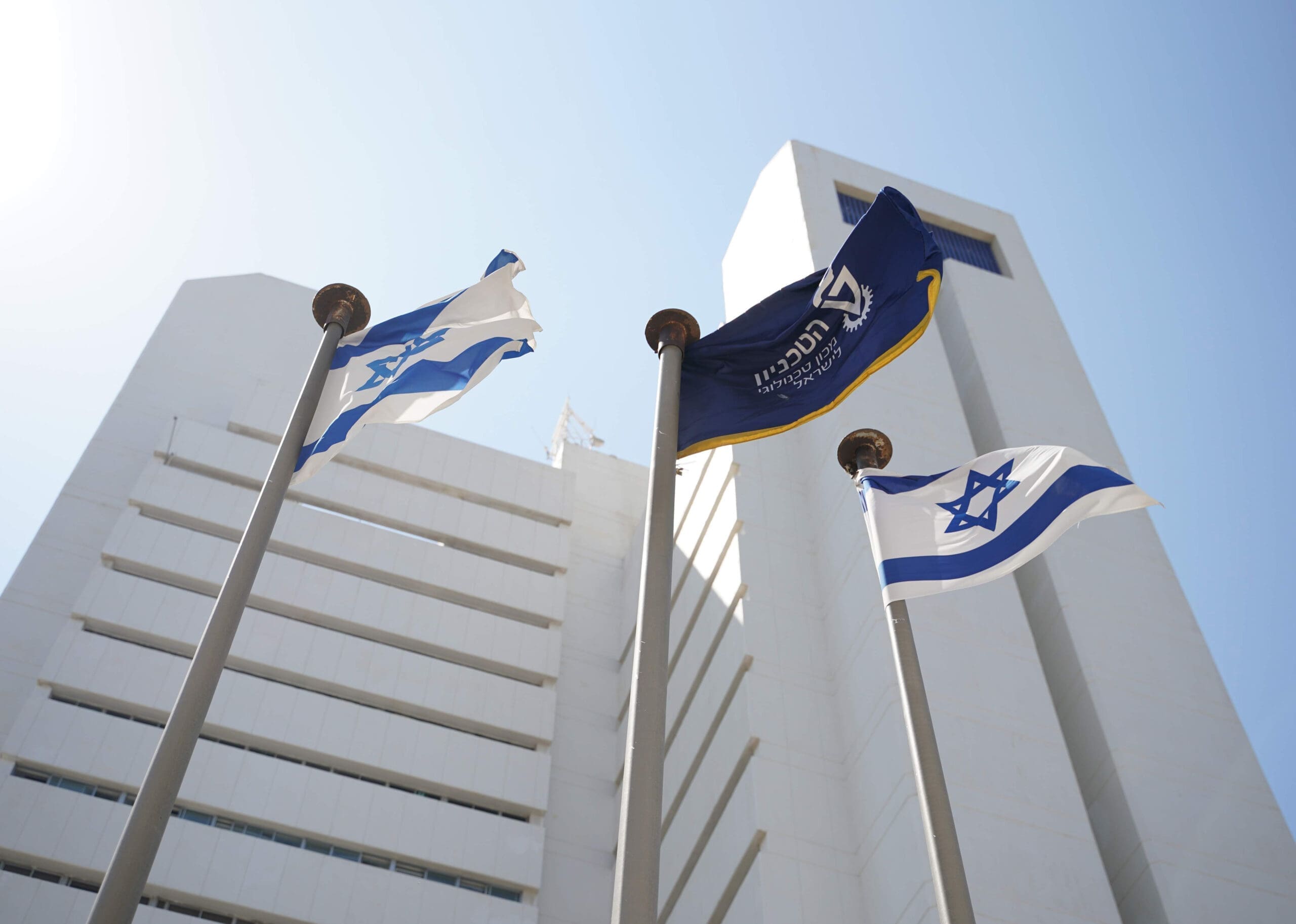


The Technion’s story has been intertwined with Israel’s for more than a century, from laying the foundations for a new nation to shaping its future.

Step inside Israeli innovation at the David and Janet Polak Visitors Center. Experience our 360° immersive movie and tech exhibition. Open to individuals and groups.
Learn More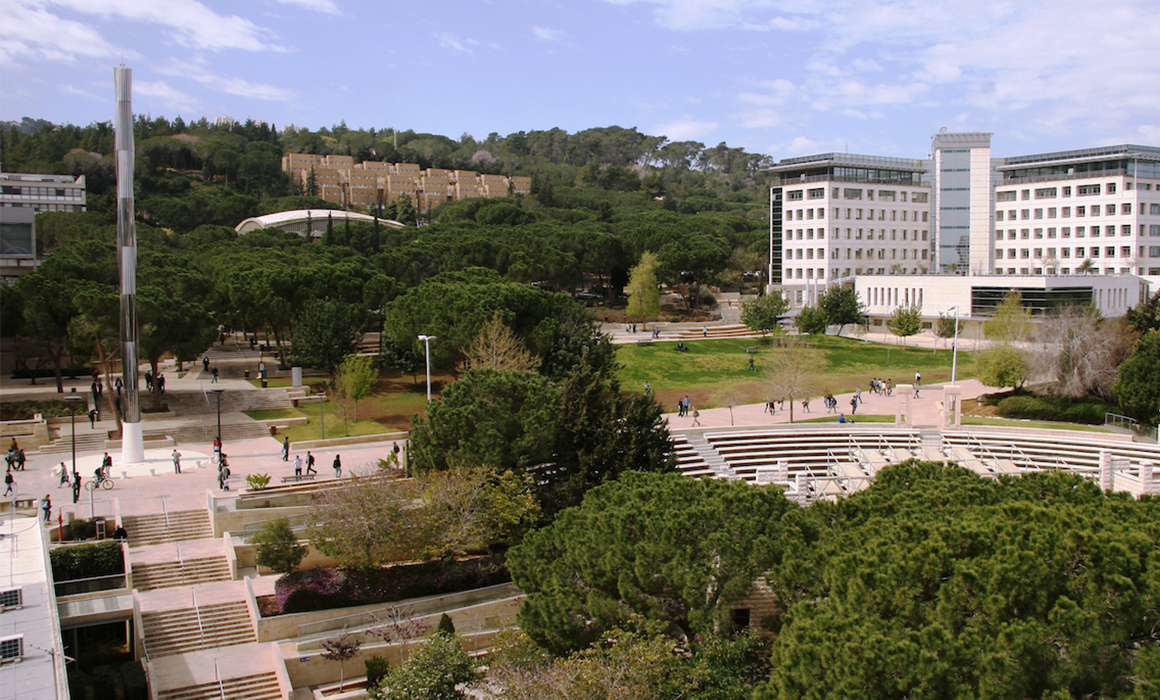
According to United States Patent Office data, the Technion was ranked #1 in both Israel and Europe for the number of U.S. patents granted to universities in 2021. The achievement was announced by the National Academy of Investors (NAI) in the U.S. and the Intellectual Property Owners Organization (IPO). The Technion’s 63 U.S. patents also placed it 40th in the world, ahead of other well-established universities, including the University of Oxford, Princeton University, Georgia Institute of Technology. Among other Israeli universities, Tel Aviv University was number 68 on the list. The University of California system took the top spot. The…
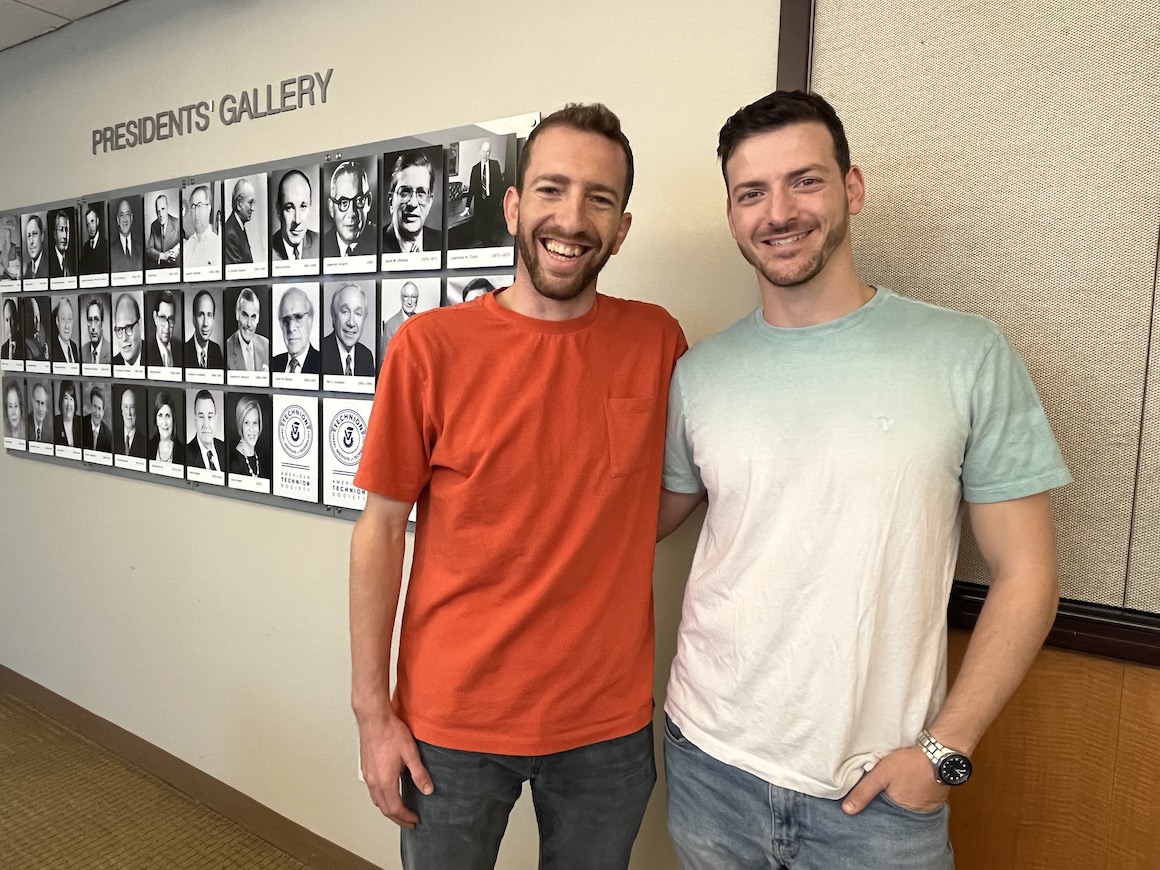
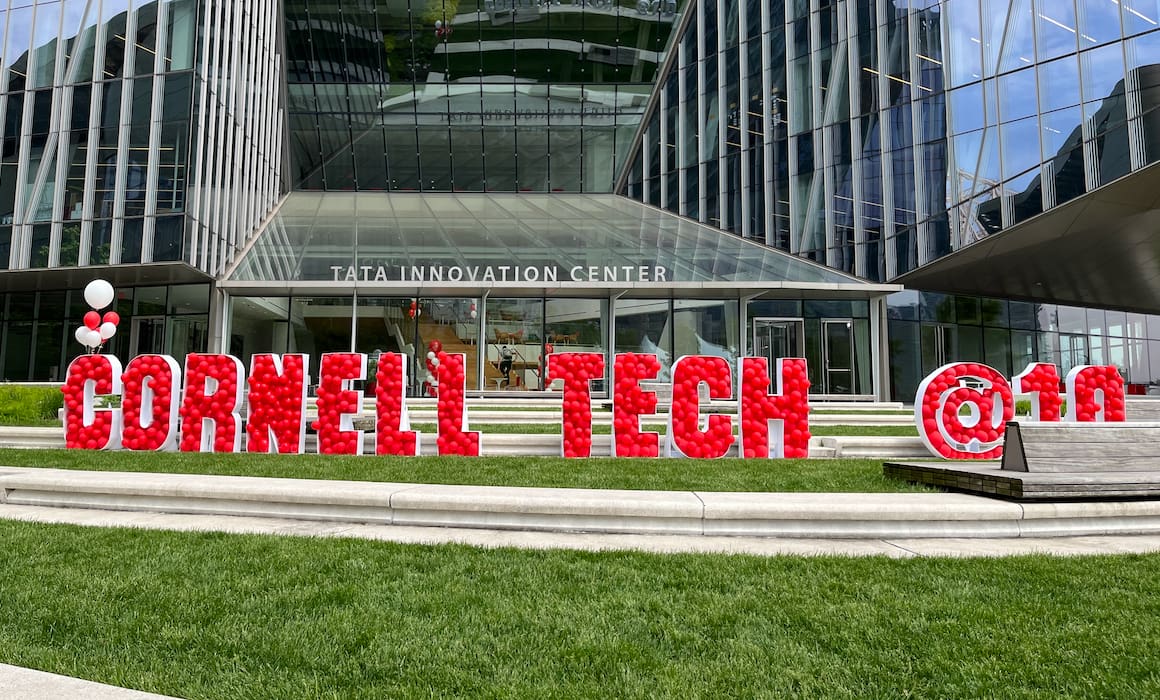
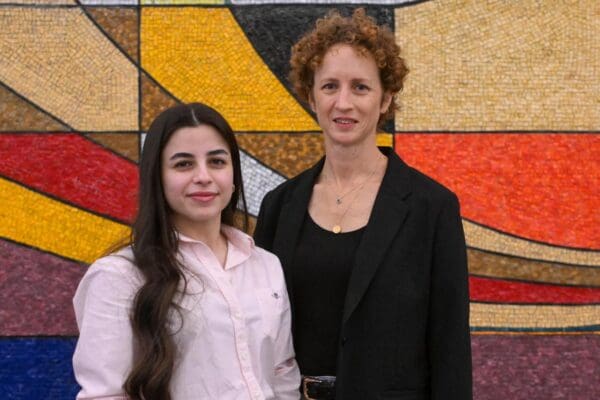
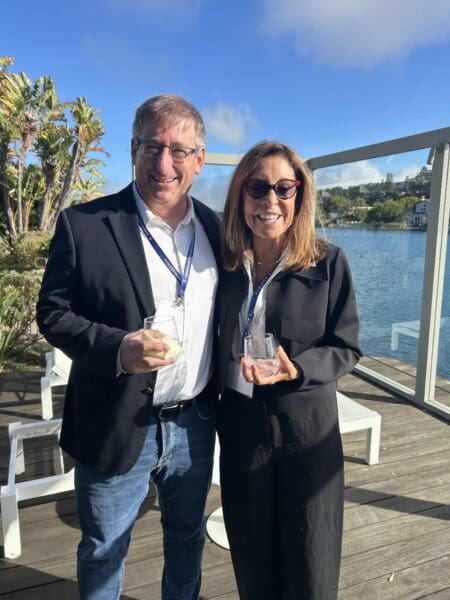
Pictured Above / Guy Bar-Nir (R) and Tom Rahav Every summer, a group of Technion students spends nearly two months interning at the Joan & Irwin Jacobs Technion-Cornell Institute at Cornell Tech. The program advances collaboration between the two campuses, and the Jacobs Institute’s unique focus on industry gives students a taste of entrepreneurial career options. “The summer internship program is one of the most exciting programs we run that deepens the relationship between the Cornell Tech and the Technion,” said Ron Brachman, director of the Jacobs Institute. “It gives the students a taste of cutting-edge graduate-level research, experiencing what it’s…
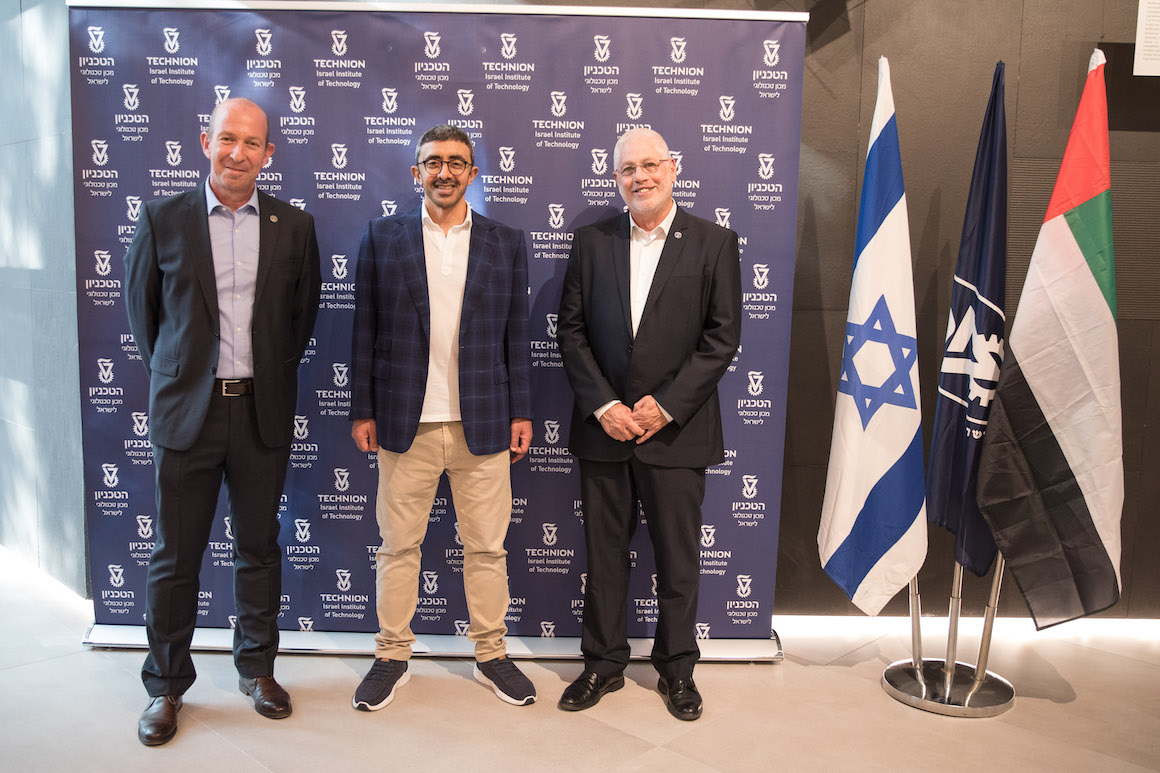
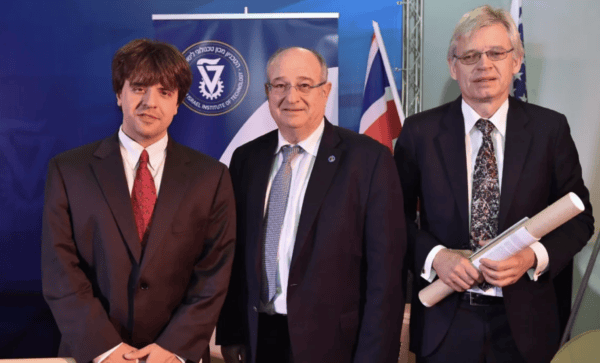
Pictured Above / (L to R) Professor Alon Wolf, The Minister of Foreign Affairs of the United Arab Emirates, Sheikh Abdullah bin Zayed Al Nahyan, and President Uri Sivan H.H. The Minister of Foreign Affairs of the United Arab Emirates, Sheikh Abdullah bin Zayed Al Nahyan, visited the Technion on September 17 — the last stop on his journey in Israel to mark two years since the signing of the Abraham Accords. “The Abraham Accords with the United Arab Emirates are a window of opportunity for scientific and technological cooperation,” Technion President Professor Uri Sivan told Foreign Minister Bin Zayed…

For the second year in a row, the Technion is ranked first in Europe in the field of artificial intelligence (AI) according to CSRankings, which are highly regarded for their metrics-based ranking of top computer science institutions. The repeat win further solidifies the Technion’s position as a leading institution in AI. It was also ranked 16th in the world in AI and 10th in the world in the subfield of learning systems. The Technion recruits researchers and students from all Technion units for interdisciplinary AI research by increasing the number of new programs and initiatives in its various fields with…

Just months after a new cable car started running in Haifa, it brought a very distinguished visitor to the Technion — U.S. Ambassador to Israel Thomas R. Nides. The Ambassador came to campus August 22 as part of a day trip to Haifa, where he visited city landmarks, met Haifa Mayor Einat Kalisch Rotem, and engaged with local leaders in the fields of education and economy. “It’s a big honor to be here,” Ambassador Nides told President Sivan and other senior managing directors of the Technion, adding that the university’s reputation precedes it. “I first heard about the Technion when…
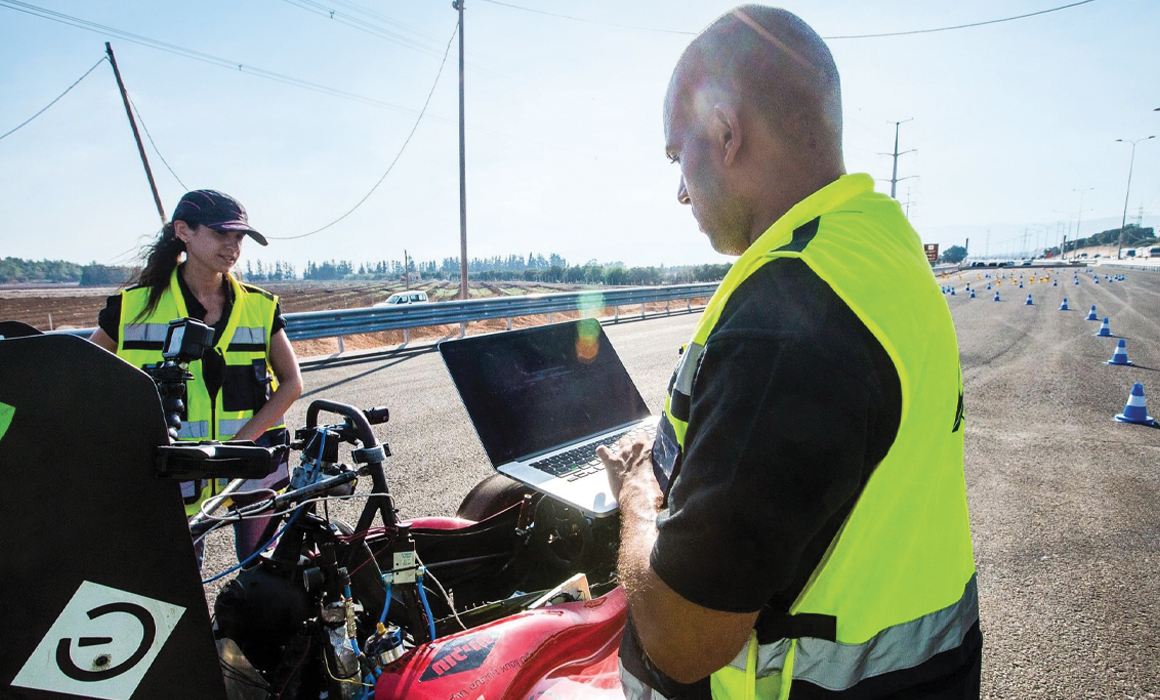

Almost every commodity, from detergents to penicillin to fertilizer, is produced industrially through catalysts, substances introduced to speed up chemical reactions. Yet as indispensable as they are, many catalysts used in industry today create significant environmental waste and economic inefficiency. The Technion’s soon to be established Center for Sustainable Processes and Catalysis aims to discover novel, green catalysts from naturally abundant elements so that industrial processes will require less energy and become more sustainable. Distinguished Professor Ilan Marek, chair of the Center, spoke at the ATS Presidential Forum in March 2022 along with clean energy specialists Assistant Professor Charlotte Vogt…
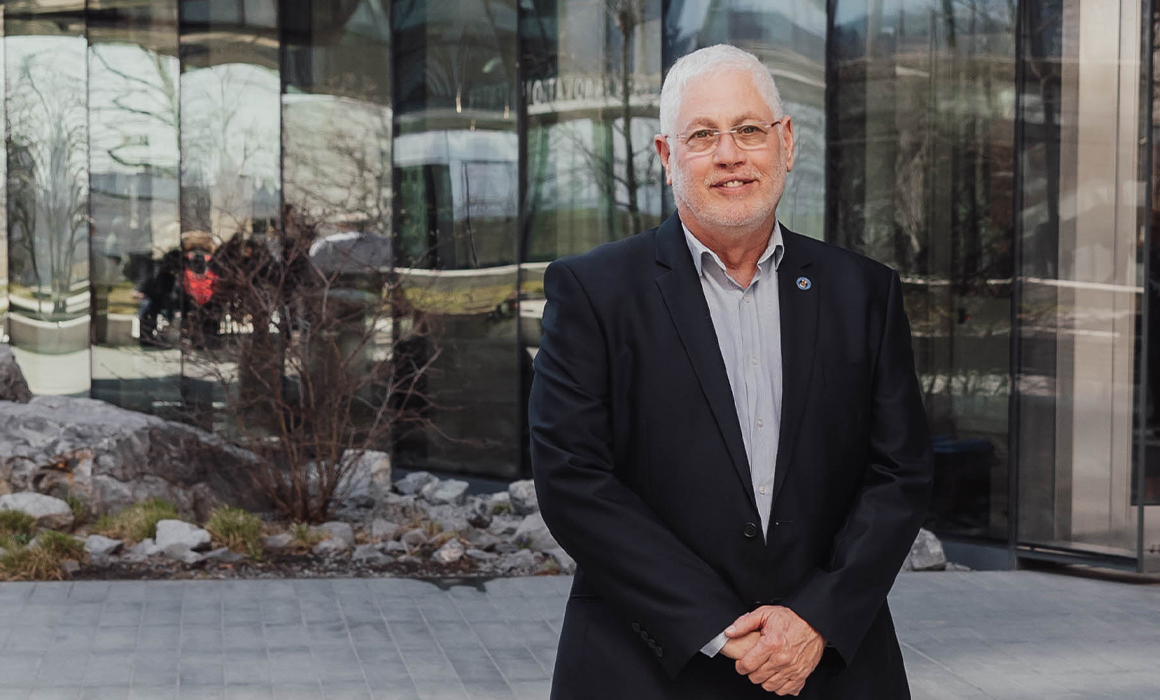
What the Next 100 Years Will Look Like Almost 100 years ago, 17 students began studying at the Technikum, a new university on the slopes of Mount Carmel. The first courses at what we now know as the Technion marked a defining moment for the Jewish settlement in Palestine — The Technikum was Palestine’s first academic institution and the Middle East’s first technological-scientific university. Back then, the Technion offered just two tracks of study: civil engineering and architecture. Today, about 14,000 students can choose from more than 50 undergraduate and 83 graduate programs clustered into 18 academic faculties. The Technion…
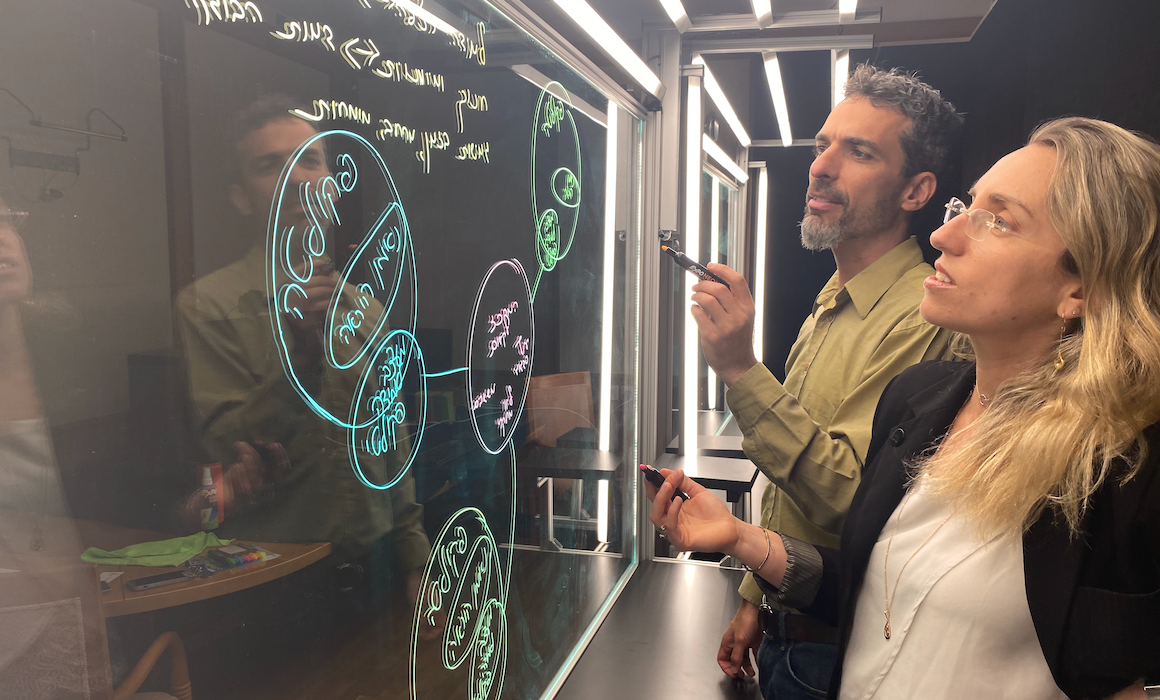
While institutions around the world are pondering how to adjust their teaching models to current and future needs, the Technion is one step ahead of the game. It is already deep in the process of implementing systemic changes in both curricula and the way students will learn inside and outside of the classroom. Academia had been rapidly transforming on many fronts: scientific, technological, economic, and social. Then the COVID-19 pandemic accelerated these changes, sparking a worldwide overnight shift to digital learning. Realizing that the Technion must redefine its approach to stay relevant and remain a leader in science and technology,…
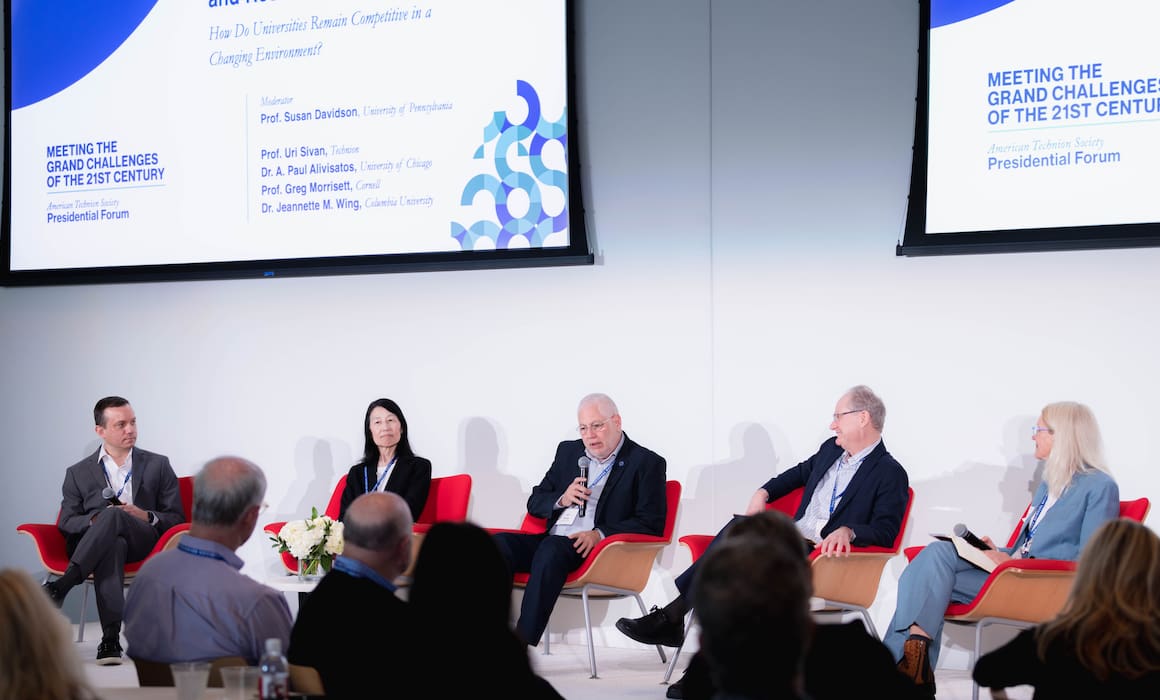
Remember the days when students relied on their professor and textbook to provide all the information they needed to know? That was before a little invention known as the Internet. “Today we are no longer information providers, so what are we?,” asked Technion President Uri Sivan. For example, academia used to be the sole domain […]
Antibiotics are a double-edged sword: on the one hand, antibiotics are essential to curing bacterial infections. On the other hand, their use promotes proliferation of antibiotic-resistant bacteria. Using genomic sequencing techniques and machine learning analysis of patient records, researchers from the Technion – Israel institute of Technology and Maccabi KSM Research and Innovation Center have developed an antibiotic-prescribing algorithm that cuts the risk of emergence of antibiotic resistance by half. The paper, published in Science, is a collaboration between the research group of Professor Roy Kishony from the Technion Faculty of Biology and the Henry and Marilyn Taub Faculty of…
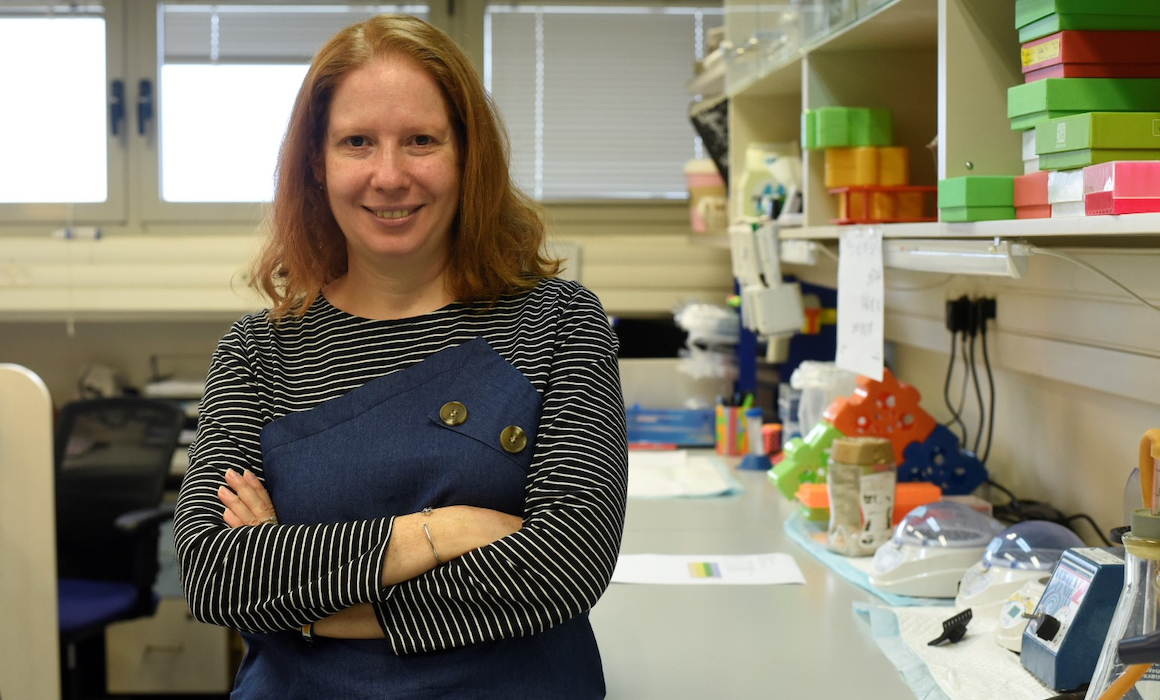
Pictured Above / Professor Reut Shalgi Researchers at the Technion’s Rappaport Faculty of Medicine have discovered that the body has the capability of curing various neurodegenerative diseases, including Huntington’s, Alzheimer’s, and ALS. Unfortunately, however, the body often fails to detect the problem and activate the solution. Professor Reut Shalgi likened the situation to computer troubleshooting. Often you don’t recognize at first that something is wrong with your computer. And when you do, finding the solution is hit or miss. “It is the same with our cells,” she said. “They do not always realize there is a problem, or know how…