Something Fresh in the State of Denmark
October 06, 2026



























The Technion’s story has been intertwined with Israel’s for more than a century, from laying the foundations for a new nation to shaping its future.

Step inside Israeli innovation at the David and Janet Polak Visitors Center. Experience our 360° immersive movie and tech exhibition. Open to individuals and groups.
Learn More

Radio frequency (RF) signals are a cornerstone of modern technology, enabling wireless communication, data transfer and sensing applications across a wide range of fields and tasks. A Cornell Tech-led research group is in the early stages of developing a portable, inexpensive device that uses radio frequency signals and machine learning for another important job: measuring lead contamination levels in soil. The lab of Rajalakshmi Nandakumar, assistant professor at the Jacobs Technion-Cornell Institute at Cornell Tech, has developed SoilScanner, which sends radio waves of different frequencies from an RF transmitter, through a soil sample to an RF receiver, which reveals the…
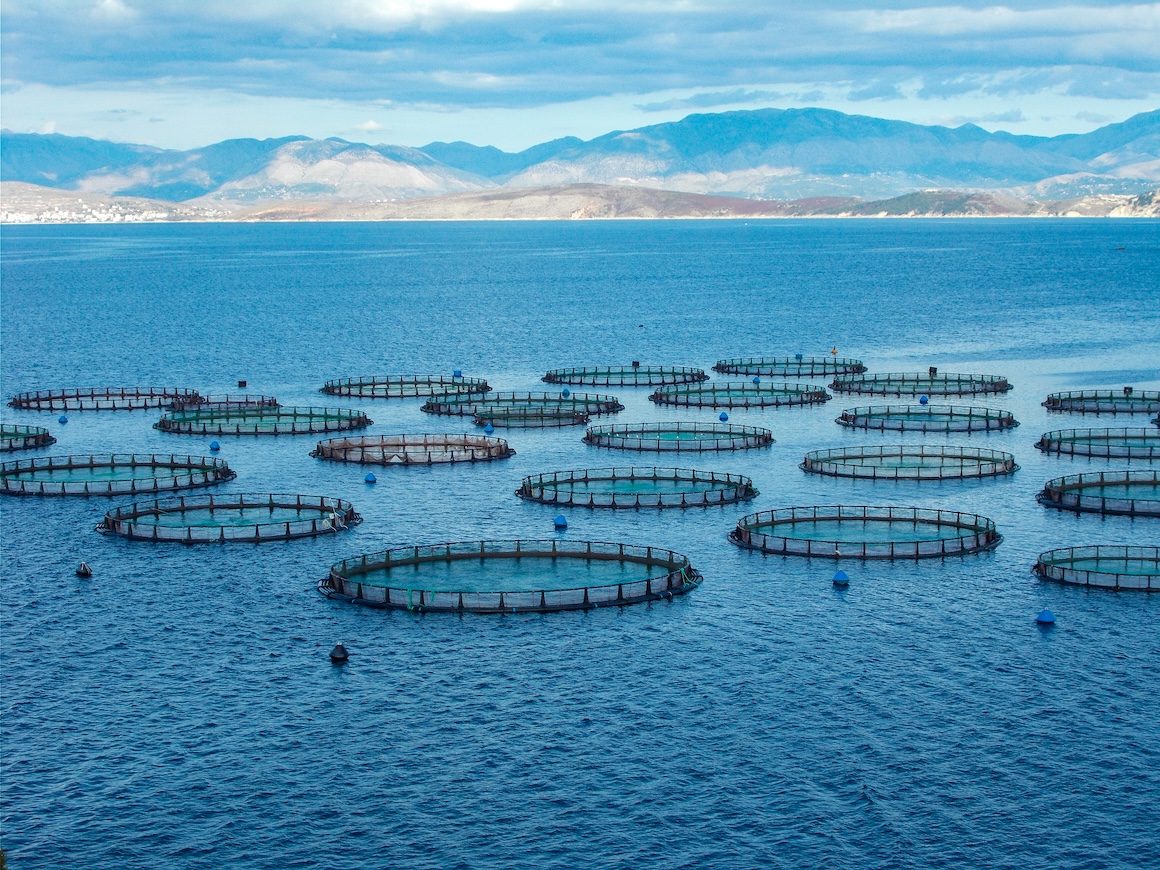
Let’s all agree on something: birds are great, but not when they’re pooping on our stuff. Obviously, this is true when it comes to windowsills, windshields and birthday parties at the park. But there are two places where our feathered friends are especially unwelcome: the burgeoning industry of water-based floating solar panel sites, and the many pools that make up the fish-farming industry. Here, birds can cause all kinds of trouble, by decreasing solar panel efficiency due to a hearty layer of poop, and by eating fish farmers’ livestock — which is problematic for both the farmers and the livestock…

An Israeli food-tech company, Imagindairy, received approval from the Health Ministry to market its products throughout the country, the company recently announced. Imagindairy, founded in 2020 and headquartered in Haifa, produces sustainable, animal-free dairy proteins that are identical in taste, texture, and nutritional value to cow milk proteins, the statement said. The decision in Israel follows that of the Food and Drug Administration’s approval in the US about one year ago. Dr. Eyal Afergan, the CEO of Imagindairy and a graduate of Israel’s Technion Institute of Technology, said the approval is a significant milestone for the company, and demonstrates the…

Two AI-based startups in Israel are joining forces to combat the pests and diseases that destroy up to 40 percent of all food grown globally. Fermata uses cameras and artificial intelligence to monitor crops as they grow and automatically detect problems. yieldsApp translates that data into tailored recommendations, crop by crop, field by field, to maximize yields for the grower. The two companies have now announced a partnership that will merge their technologies and, they say, provide a “comprehensive farm management solution,” detecting problems and providing precise solutions. Farmers will receive “personalized, real-time insights that ensure crops get the right…

Dry conditions in the Northeast are worsening, creating a scenario for fire danger in the region to persist, an updated map from the U.S. Drought Monitor shows. The worst of the drought conditions are located in a large swath of West Virginia, several counties in South New Jersey and three counties in southwest Pennsylvania — all of which are in extreme drought, according to the Drought Monitor. Most of Massachusetts, New York, New Jersey and West Virginia are in severe drought, the map shows. The drought situation the Northeast is currently facing was strongly propelled by the lack of precipitation…

A startup – MOZAICO — that has grown out of research at the Technion – Israel Institute of Technology in the northern city of Haifa seeks to boost coastal power, and desalination plant efficiency and cost-effectiveness, by removing limescale and other marine debris from cooling systems without harmful chemicals while absorbing carbon dioxide from the atmosphere to help fight global warming. MOZAICO is developing a two-stage pilot under the supervision of Prof. Charlotte Vogt and her Vogt Laboratory of Catalysis for Fuels of the Future at the Technion. The Dutch-born Vogt, 32, was included in Forbes’ “30 under 30” list…
Israeli startup H2OLL has launched its first complete system to produce high-quality and affordable water from the air. The system was installed at the Wadi Attir initiative in the Negev, a groundbreaking project led by Israel’s Bedouin community to create a model of sustainable farming. H2OLL’s technology started as a project by Eran Friedler and David Broday, two professors from the Faculty of Civil and Environmental Engineering at the Technion – Israel Institute of Technology in Haifa. They were joined by Dr. Khaled Gommed from the Faculty of Mechanical Engineering as they sought to find ways to provide clean drinking…

Beyond Oil, an Israeli company based in Kibbutz Yifat, has developed an innovative technological formula that promises healthier consumption of fried food. This breakthrough addresses a global problem: the repeated use of frying oil, which leads to the development of harmful substances like burnt food particles, free fatty acids (FFA), polycyclic aromatic hydrocarbons (PAH), and acrylamide (AA), increasing the risk of cardiovascular diseases and cancer. The widespread practice of repeatedly using frying oil for days is a major health issue worldwide. This deep-rooted habit in the global food industry occurs in restaurant kitchens, hotels, catering services, and fried food factories….

“Eggs are natural and economical, so keep enough on hand,” a smiling man cheerfully explains in a 1978 commercial sponsored by the American Egg Board. “Eggs are a natural wonder, for meals, snacks, appetizers, whatever,” he goes on to claim, backed by upbeat music. The advert ends with a tagline well known to Americans: “The incredible edible egg.” “The egg is really a miracle ingredient in terms of its versatility and what it brings to our food,” Jon Rathauser, CEO (chief egg officer) and co-founder of Israeli startup Eggmented Reality, tells NoCamels. And Rathauser and the team at Eggmented Reality…

The ubiquitous urban thrum of scores of mopeds weaving their way through heavy traffic could soon be superseded by the hushed whisper of electric engines, courtesy of an Israeli company who says its replacement vehicles are cheaper, safer and more sustainable than gasoline guzzlers. The Tel Aviv-based Blitz Motors was founded in 2012 by CEO Raphael Moszynski, a Belgian-born Israeli who left a career in international banking in Britain and to pursue a desire to contribute to environmental protection. The company is a combination of two of his passions – motorbikes and sustainability. Moszynski has been riding two-wheelers for years,…
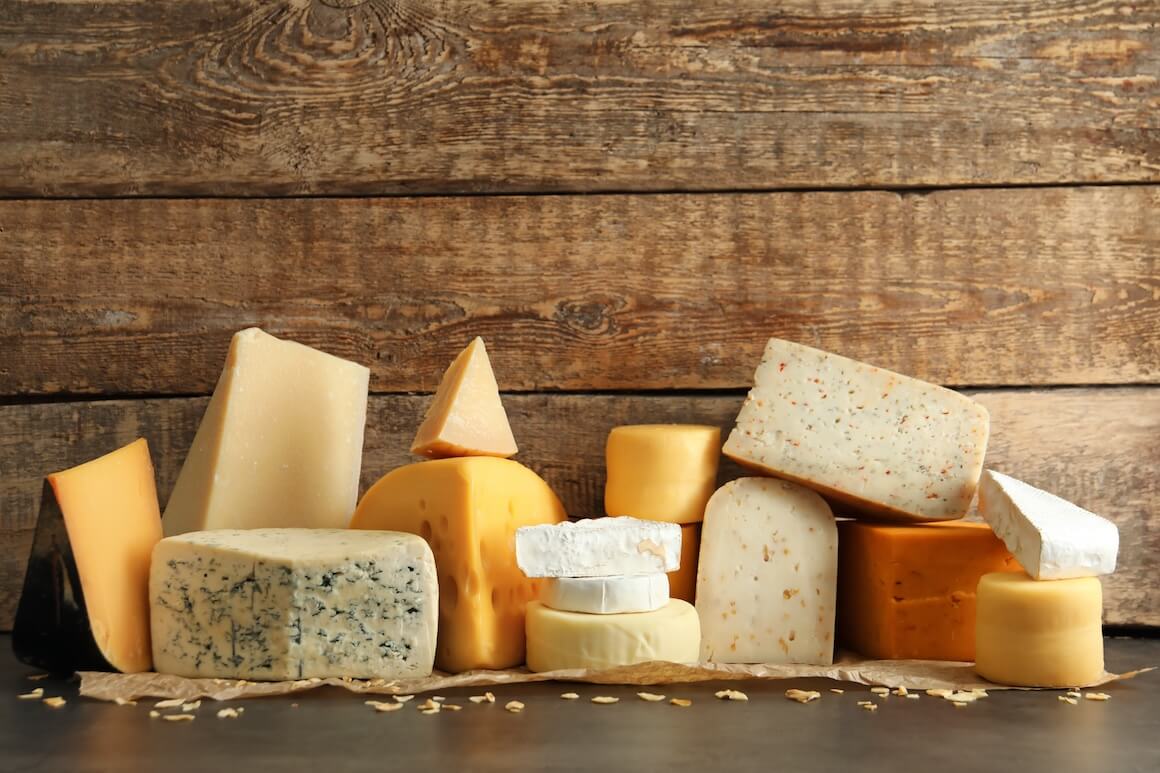
A food-tech startup in Israel has created a cow-free version of casein, the protein needed to give cheese its ‘real’ dairy texture. NewMoo (originally Imagene Foods) uses plant molecular farming (PMF) to produce a sustainable, cost-effective and vegan-friendly version of the solid dairy product. Non-dairy cheese alternatives have been around for a long time — breakfast cereal inventor John Harvey Kellogg developed a soy-based “cheese” product back in 1937 — but even 21st century non-dairy cheeses haven’t achieved the taste, texture, aroma or melting properties of the real thing; largely because they don’t contain casein.

As the world becomes ever more concerned with the impact of climate change and increasing levels of greenhouse gasses, one company is on a mission to revolutionize the way we heat water – a major strain on energy usage. Sowillo Energy, based in the community town of Mikhmanim in northern Israel, has developed a system to use energy from the hot water wasted when we bathe or even when we wash the dishes or our clothes. When a person takes a shower and the hot water goes down the drain, the Sowillo system catches it before it enters the municipal…