Something Fresh in the State of Denmark
October 06, 2026














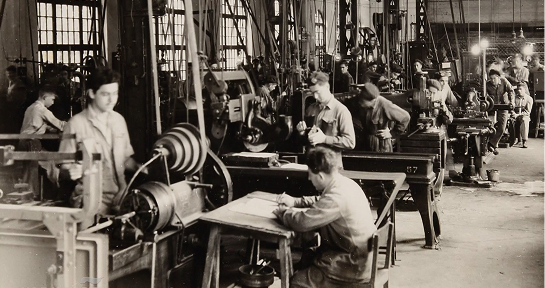
The Technion’s story has been intertwined with Israel’s for more than a century, from laying the foundations for a new nation to shaping its future.

Step inside Israeli innovation at the David and Janet Polak Visitors Center. Experience our 360° immersive movie and tech exhibition. Open to individuals and groups.
Learn More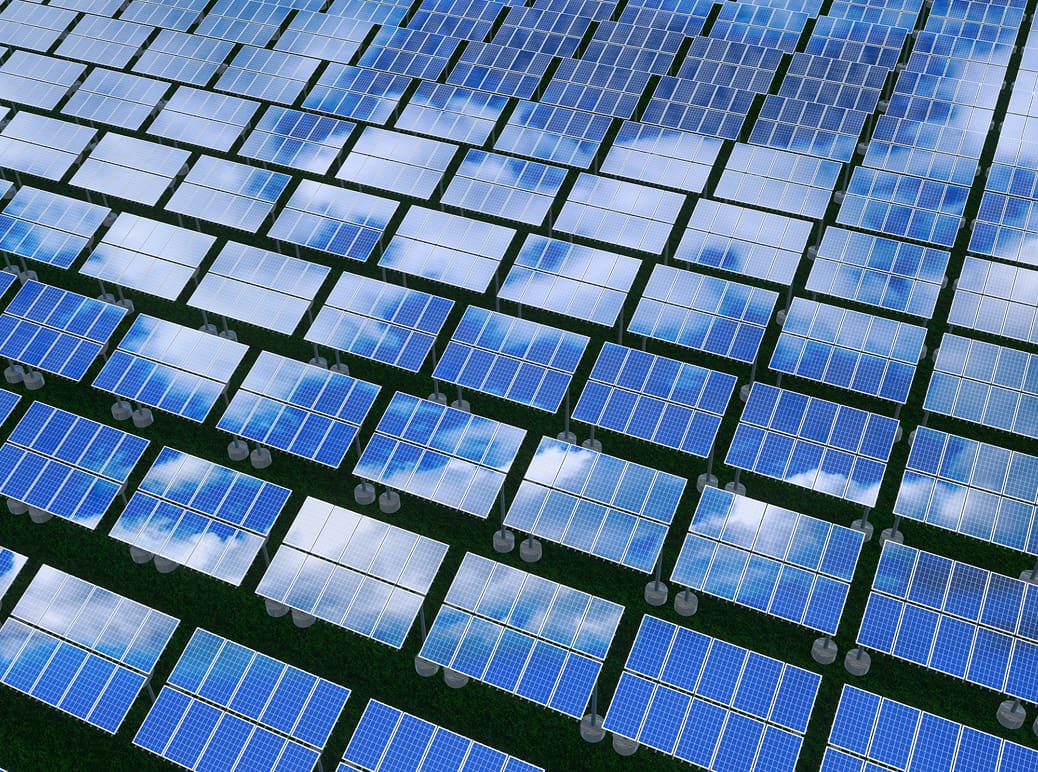

A potentially game-changing construction material under development at the Technion – Israel Institute of Technology utilizes microorganisms, rather than cement, to bind sand particles together, while also absorbing atmospheric carbon dioxide that contributes to global warming. According to the UN Environment Program, the construction industry accounts for a whopping 37 percent of global warming emissions. The Technion’s interdisciplinary project CyanoGems utilizes microorganisms that photosynthesize, meaning they use sunlight to create food from carbon dioxide and water. During photosynthesis, carbon dioxide is removed from the atmosphere and oxygen is emitted.
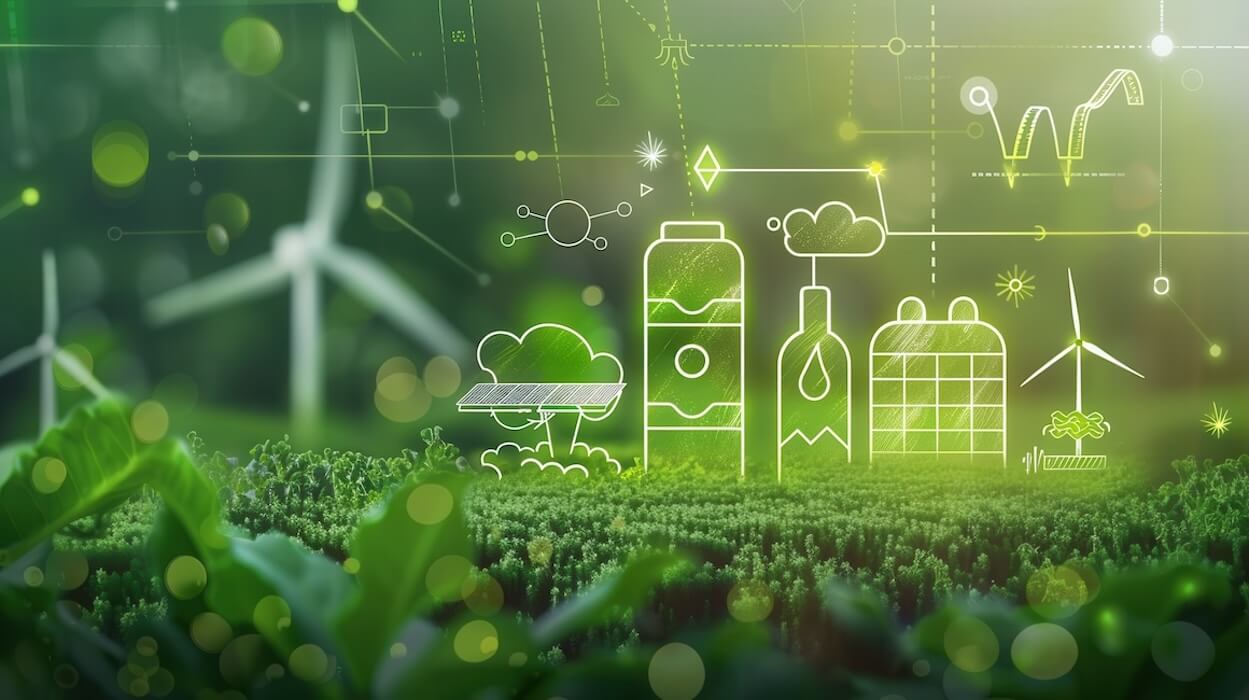
A breakthrough in clean energy could unlock affordable, industrial-scale green hydrogen. For the first time, scientists have determined how to scale up decoupled water electrolysis, a technique that produces green hydrogen without carbon emissions or expensive hardware. This method could be a game-changer in how hydrogen is made, stored, and used across various energy-intensive industries. Traditional hydrogen production relies on dirty energy, releasing tons of pollution. Green hydrogen, by contrast, is made by splitting water with clean energy like solar or wind, but current technologies struggle to scale due to cost and instability. Conventional electrolysis uses membranes to separate hydrogen…
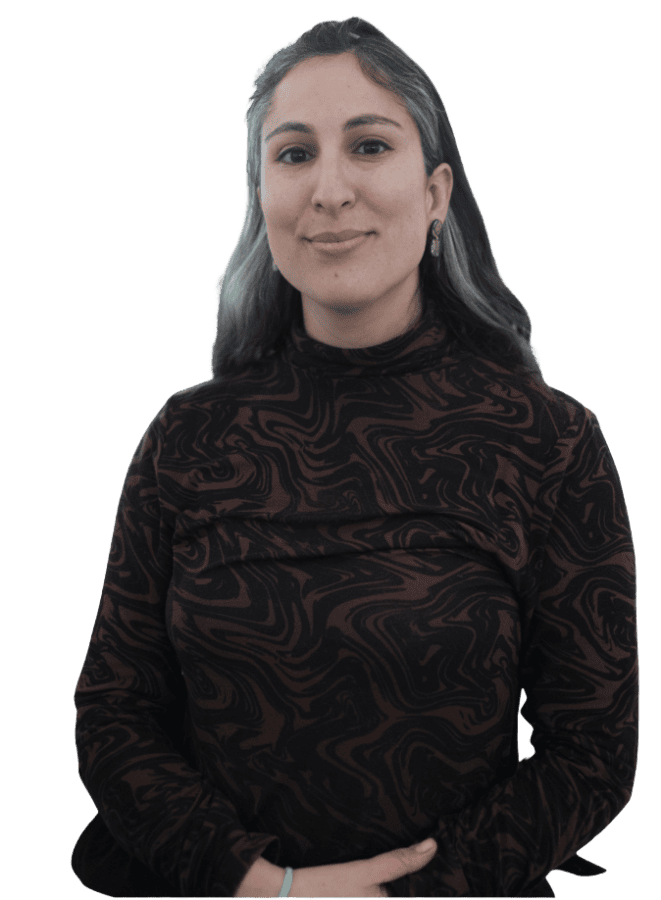
Lola Ben Alon is Assistant Professor at Columbia University’s Graduate School of Architecture, Planning and Preservation – where she directs both the Natural Materials Lab, and the Building Technology curriculum. Her work has been exhibited in some of the most prestigious museums and events in the field of architecture and design; she curates and serves […]

Forty years of clinical studies leave no doubt that a diet rich in fresh vegetables saves lives. The link between lack of fresh dietary vegetables and early death from diseases like cancer and heart disease is clear. By fully embracing World Health Organization guidelines concerning fresh vegetables, that risk could slashed by nearly half. “As a cancer immunotherapy researcher, who’s lived and breathed the immune system for years, I realized that the way to fight disease starts not in the hospital but on the plate,” says Dr. Tsipi Shoham, founder and CEO of GreenOnyx. She spearheaded the creation of this…

A Process of Translation This work builds on decades of prior research. In the late 1950s, the well-known American physicist Richard Feynman first proposed the idea of storing information in DNA. Then, in the 2010s, research teams from Harvard and Oxford independently conducted the first large-scale proof-of-concept experiments, inspiring the contemporary wave of research that […]

Here’s a win-win opportunity if you grow grapes for a living. A startup in Israel is integrating solar panels into vineyards. They generate electricity (and revenue). And they give the farmer precise control over how much sunshine reaches the vine. The solar panels are fitted right above the grapes, tilting throughout the day – either to capture as much sunlight as possible for energy production, or to shade the vine to delay ripening and improve the flavor of the grapes. Generating solar energy in vineyards (agrivoltaics) is not a new idea. The challenge is to do it better than the…

A research team by Prof. Ezri Tarazi as part of the Design-Tech Lab at the Technion – Israel Institute of Technology recently conducted a field project on Beqa Island, Fiji, aimed at restoring coral reefs damaged by climate change. The initiative was carried out in collaboration with marine biologists from Bar-Ilan University, led by Prof. Oren Levy, and Blue Ocean, an American NGO operating in Fiji on sustainability and social impact projects. This innovative project demonstrates how technology, design, and local knowledge can be combined to create effective, sustainable coral reef restoration solutions. Ocean warming, human activities, and other environmental…
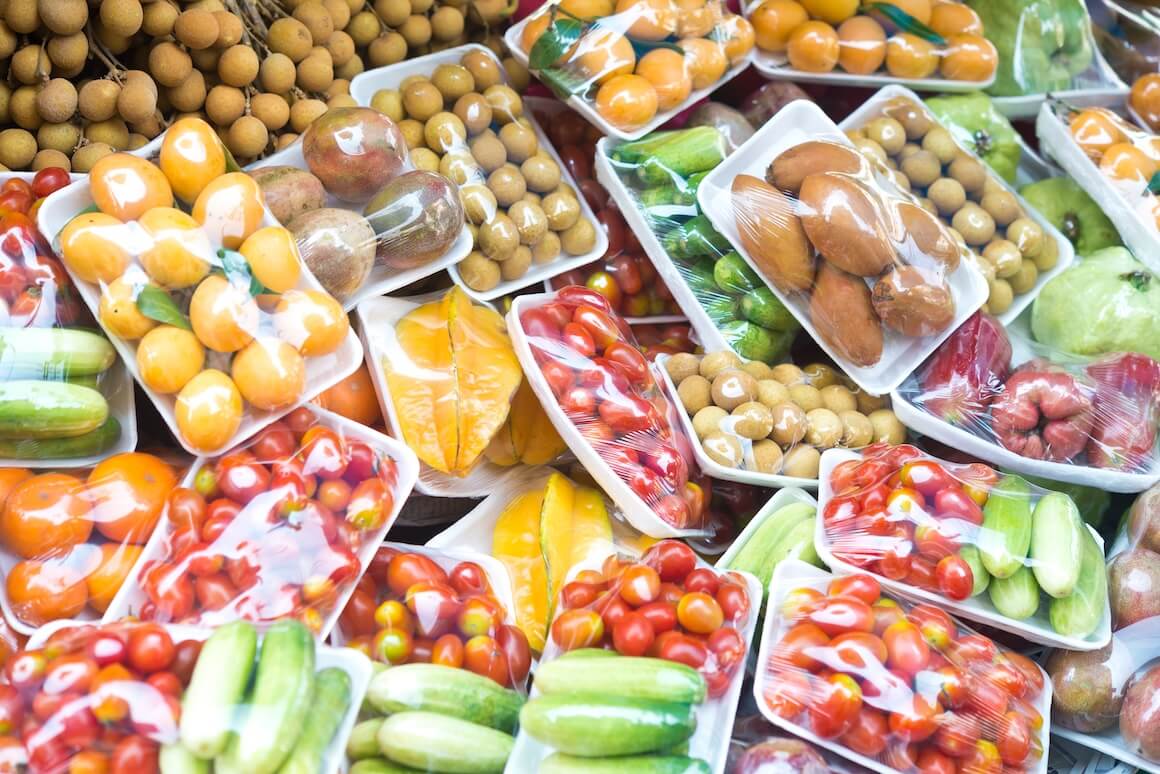
Israeli clean-tech startup W-Cycle has partnered with Brazilian company Melhoramentos to develop a new compostable food packaging material that fully decomposes within 100 days. The strategic partnership aims to create an ecofriendly alternative to single-use plastics that can withstand extreme temperatures and provide robust food containment. W-Cycle’s proprietary material, SupraPulp, is made from agricultural waste products like sugarcane bagasse, eucalyptus wood fibers and banana leaves. The packaging is oil- and water-resistant and can endure temperatures ranging from minus -40°C to 220°C, making it suitable for freezer-to-oven use without requiring plastic lamination.

Maya Sigal first learned about the devastating impact of vehicular traffic on Israel’s wildlife when the pandemic was raging. At the time, she was working in the high-tech sector. After discovering the scope of the problem, she cofounded Safe Wildlife Crossings, an organization working to protect animals from deadly traffic collisions. From cats to dogs to mongooses to hyenas, thousands of animals are killed by cars on Israel’s roads every year, and Safe Wildlife Crossings aims to raise public awareness and encourage government action to prevent roadkill.
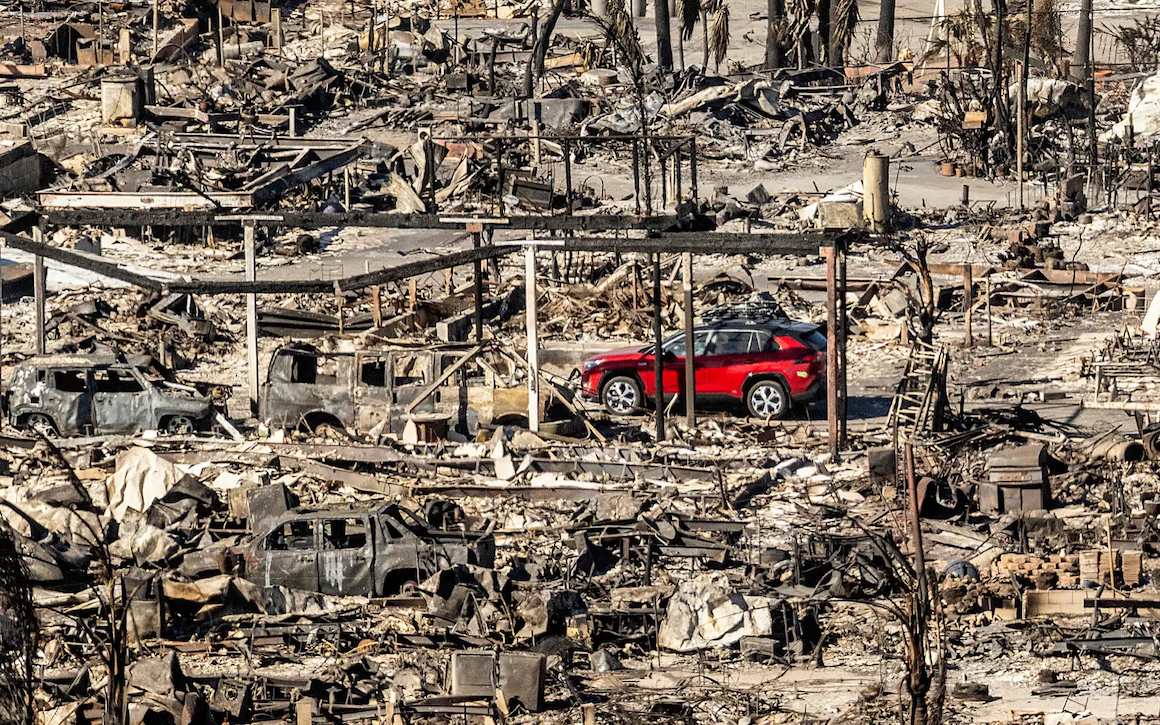
As a charred Los Angeles resurfaces from the infernal flames that engulfed the region last month, questions loom as to how residents will rebuild — and whether they should remake their neighborhoods as they were, or take the chance to make the city less vulnerable to the fires of the future. With an estimated 17,000 structures burned in Eaton and Palisades fires — and ensuing economic losses estimated at more than $250 billion — reconstruction efforts will face monumental challenges from every angle: planning, permitting, supply chains, workforce and insurance. State and local officials have been trying to unload some…

Researchers have come up with another way to mix biology and construction, and it’s changing how we design and build sustainable structures. Scientists at Technion – Israel Institute of Technology developed a material made from sand and bacteria that can repair small cracks on its own, extend the lifespan of buildings, and reduce maintenance needs. This process also cuts waste and lowers the environmental impact of construction. According to SciTechDaily, the key is cyanobacteria, or blue-green algae, which use photosynthesis to produce the common mineral calcium carbonate. When added to sand-based mixtures, they create a curable material that strengthens itself…
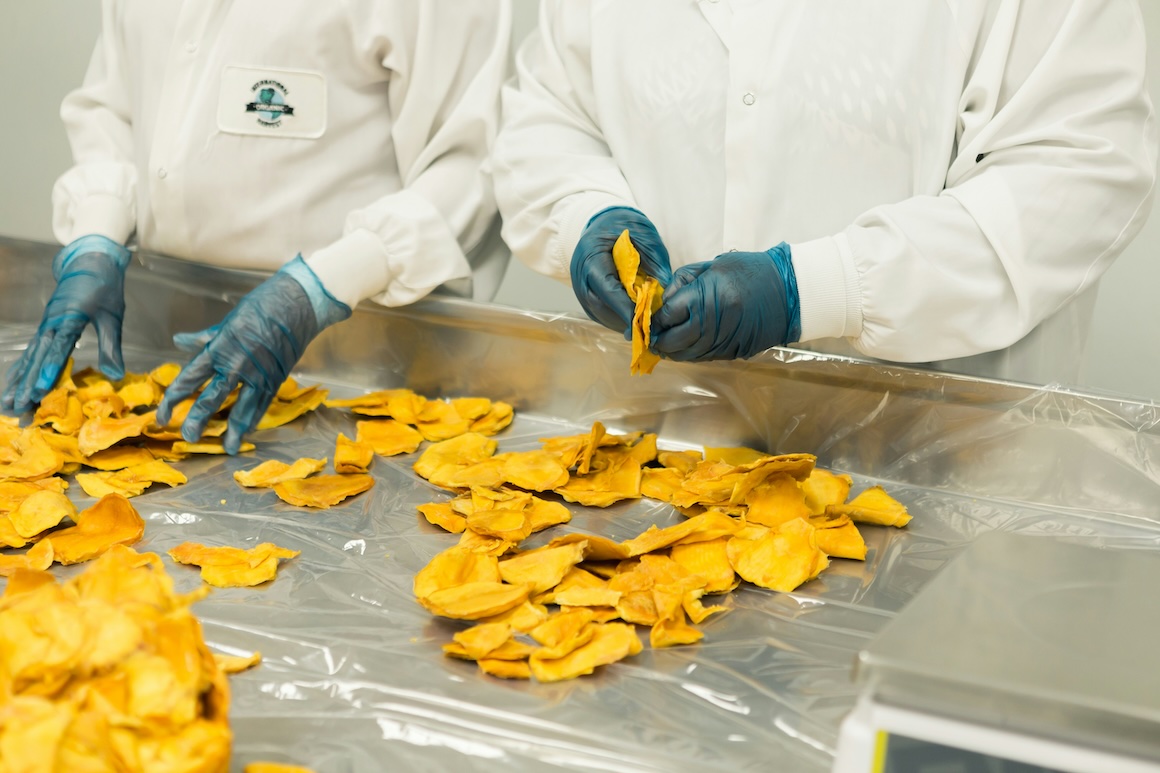
Food recalls take place when regulatory bodies and/or food manufacturers deem food unsafe to eat due to contamination or mislabeling of ingredients. Over the past few years, more recall notices have popped up in the news. This is more than the American public has seen before, and they have caused much alarm. Some of the most recent ones involve cheese potentially contaminated with listeria, heat-damaged milk that may spoil early and pet food potentially contaminated with Salmonella. While it might be concerning that there are more recalls announced now, the more you know about them can help you stay prepared…