Something Fresh in the State of Denmark
October 06, 2026


















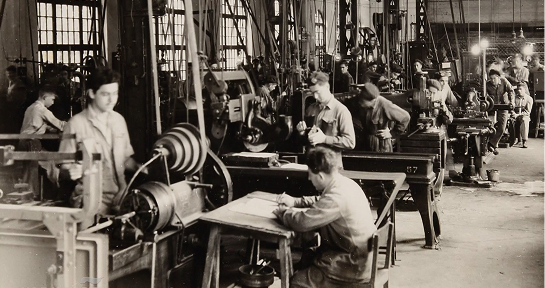
The Technion’s story has been intertwined with Israel’s for more than a century, from laying the foundations for a new nation to shaping its future.

Step inside Israeli innovation at the David and Janet Polak Visitors Center. Experience our 360° immersive movie and tech exhibition. Open to individuals and groups.
Learn More
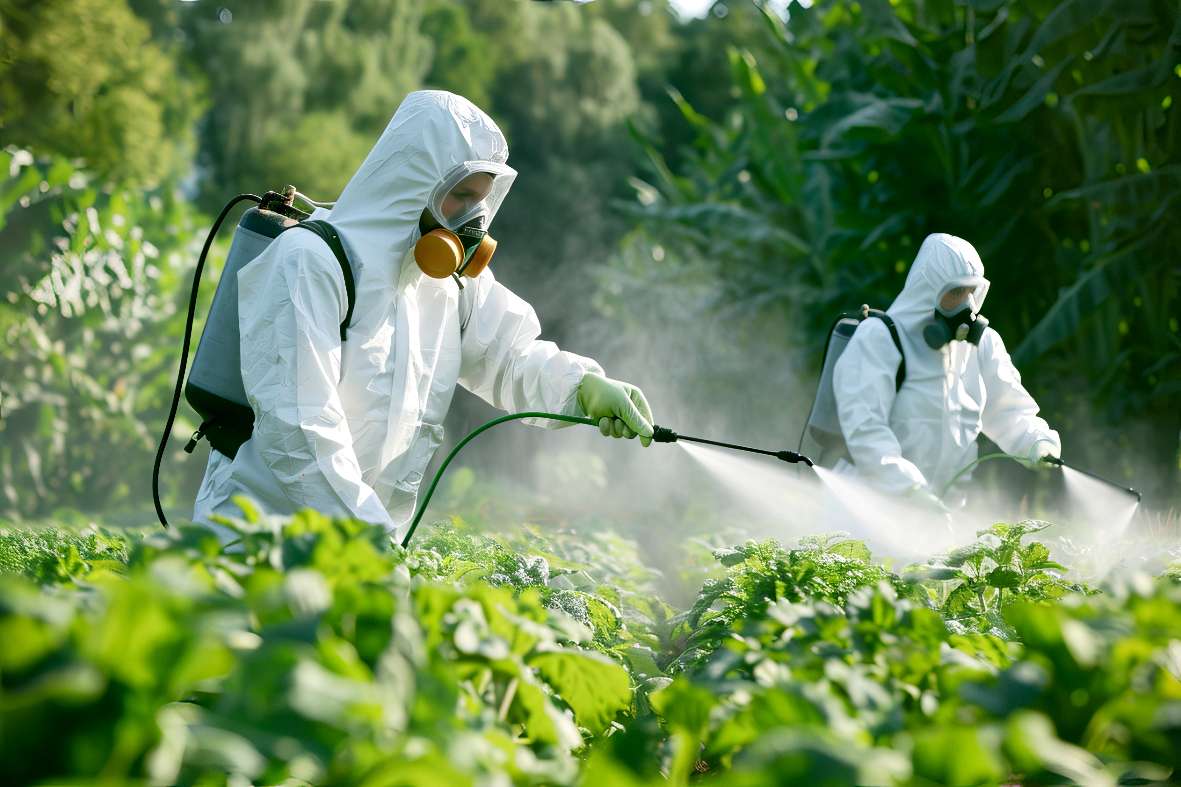
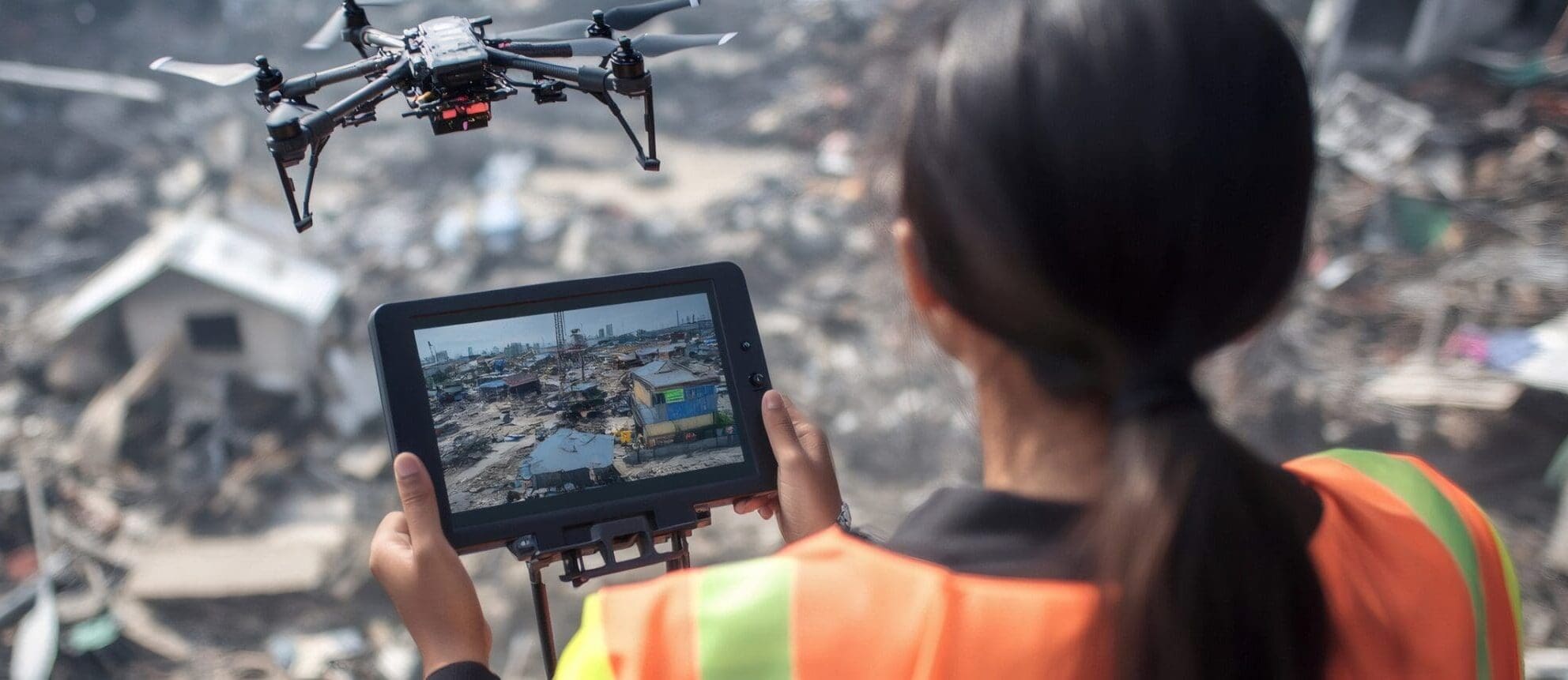
Put bluntly, we simply do not do the best job of feeding all 8.3 billion people on Earth. As the World Food Program explains, 318 million people worldwide are facing “acute hunger” due to conflicts, economic conditions, and, particularly, the climate crisis. According to the United Nations, plant health could be part of the solution to this issue. However, the UN also noted that plant disease is making it harder for us to maintain crops, with about 40% of the planet’s agricultural yield dying off before it ever reaches our plates. While pesticides have helped reduce pest populations, they have…

In recent decades, growing resources have been invested in the field of hydrogen as a raw material that aligns with the vision of a green economy and the use of sustainable energy. Hydrogen production is not a new process, but the aspiration to protect the environment and improve efficiency presents numerous technological challenges. A group of researchers at the Technion – Israel Institue of Technology and Sweden’s Chalmers University of Technology is presenting a breakthrough in the field – a development expected to significantly improve hydrogen storage capacity for future use. Growing awareness of the environmental damage caused by human…

When one of the world’s largest aerospace companies chooses an academic partner, it sends a powerful message. When that partner is the Technion – Israel Institute of Technology, the message is even clearer: world-changing innovation is happening in Israel — and it is being driven by excellence. Boeing and the Technion have marked a major […]
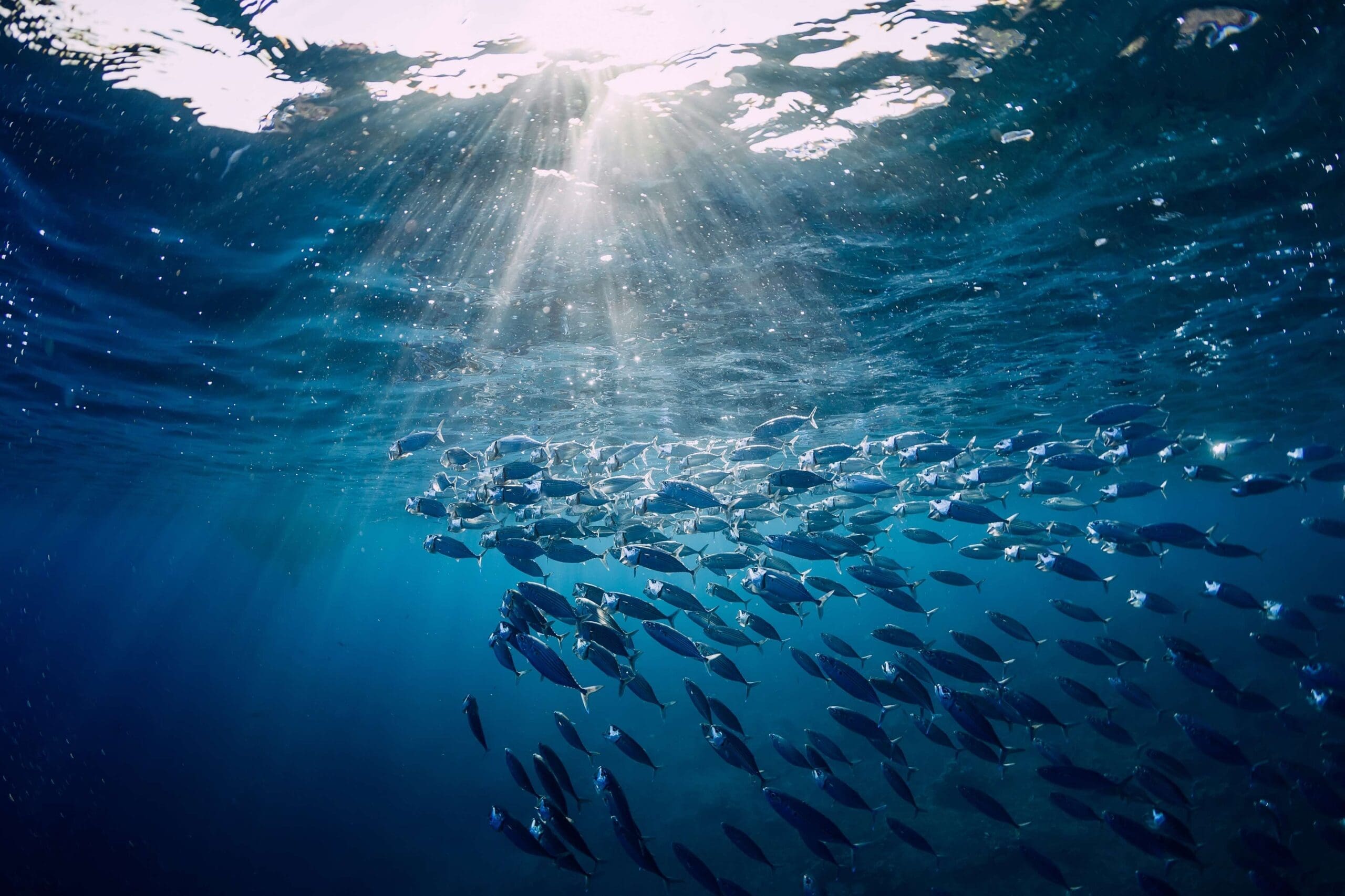
A new Israeli study shows that listening to the sounds fish make while eating can enable real-time monitoring, early detection of disease and more precise feeding in aquaculture ponds. The research will be presented on Tuesday at the International Sea The Future 2026 conference in Eilat, hosted by the Agriculture and Food Security Ministry and the Negev, Galilee and National Resilience Ministry. Contrary to the common perception of the underwater world as silent, it is in fact rich with sound. Marine environments are filled with communication signals between animals, noises created by movement and even sounds accompanying everyday activities such…

There are at least two key resources vital for human existence and progress: Water and power. Israel has partly solved the water problem, with state-of-the-art desalination technology. Engineers figured out how to force high-pressure seawater through semi-permeable membranes that filter out salt and other impurities, leaving behind desalinated water – a process known as reverse osmosis. Some of the desalinated water is actually pumped into the Sea of Galilee, which is desperately shallow. As for energy, offshore natural gas deposits have helped ensure a reliable source of electric power for all Israelis, plus an unprecedented $35 b. gas contract for…

Over the past decade, there has been a growing understanding that we need to rethink not just how we build the structures of the future, but from what materials we build them. The main reason is that the construction industry is one of the world’s leading sources of environmental pollution. Cement production—the most widely used building material—alone accounts for roughly 8% of global carbon emissions. In response, science and technology are advancing to develop alternative, sustainable building materials with lower carbon footprints, often based on recycled resources while preserving strength and quality. As part of a joint initiative by researchers…

We’re in the thick of the holiday shopping season, and U.S. residents are expected to shatter the spending record again this year. The National Retail Federation forecasts that 2025 will be the first time we collectively spend more than $1 trillion on year-end gifts. A lot of materials, energy, packaging and gasoline have gone into making and moving those gifts. All of those processes release planet-warming gases into the atmosphere. But a lot of that environmental impact is avoidable. Making, baking, thrifting and avoiding traditional wrapping paper are all more planet-friendly ways to give. We’ve got tips on how to…

Israeli researchers have discovered a plant-based molecule that can effectively combat pathogenic fungi and serve as a foundation for developing environmentally friendly treatments. The study was led by Dr. Ofri Levi of the MIGAL Galilee Research Institute and Tel-Hai College’s Faculty of Sciences, together with Prof. Benny Horwitz of the Technion’s Faculty of Biology. Their findings were published in mBio, a journal of the American Society for Microbiology, and offer a new approach to addressing one of the fastest-growing threats to public health and agriculture: fungi that have developed resistance to medications and pesticides. Fungal pathogens pose a serious danger…

Researchers from the Technion’s Material Topology Research Lab have unveiled TreeSoil, a 3D-printed earthen structure designed to protect young trees and foster early growth in degraded environments. Fabricated using WASP’s LDM XXL extrusion system mounted on a KUKA KR50 robotic arm, each TreeSoil module is built layer by layer from locally sourced soil, then naturally dried and assembled on-site without adhesives. Drawing inspiration from ancient agricultural methods that shaped soil and stone to shelter crops, TreeSoil applies computational design to reimagine these techniques for modern ecological restoration. The project’s interlocking brick geometry allows for modularity, easy on-site assembly, and strong…
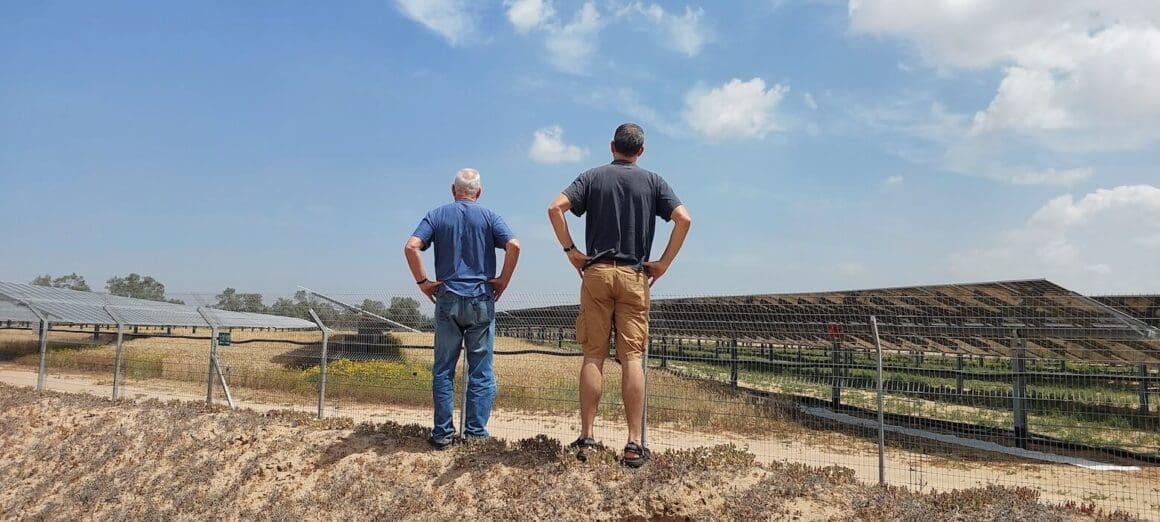
This hands-on, field-based methodology became the foundation of Yaara’s work at the Technion Innovation Center, where she helped traditional industries enhance their innovation capabilities — not just by generating ideas, but by implementing them. “We were focused on how management works within itself, how it enhances creativity and innovation,” she said. “It was a great […]

Or Marantz is a doctorate candidate at the Nagoya University, specializing in sustainable communities development in rural Japan. She also serves as ‘open innovation analyst’ at NGLI, which is an Israeli company that provides services of open innovation to Japanese clients. In this episode, she talks about the different things she learned from working with […]
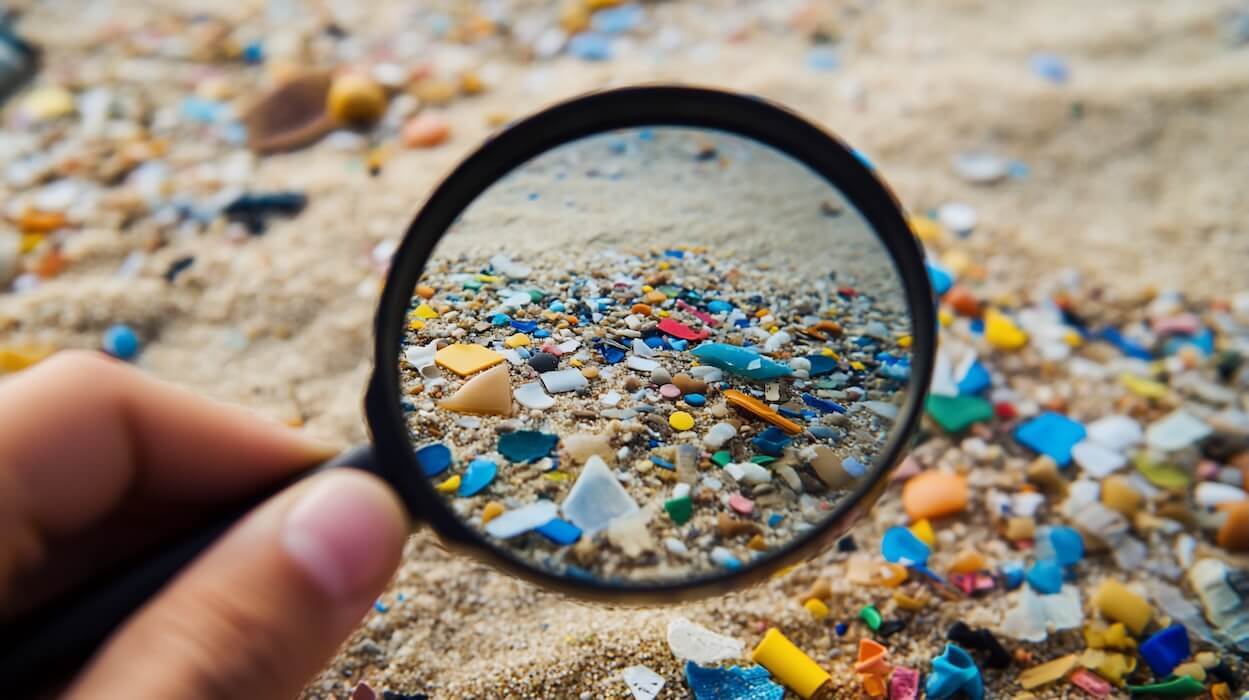
Wash — and learn. “The next time you’re using a tumble dryer, take a look at the lint catcher,” materials scientist Joshua Grolman told The Post. “All of this debris is what we breathe in on a daily basis.” Microplastics are ubiquitous, found in everything from toys and cosmetics to cleaning products and clothing. They’re in the air we breathe, the food we eat and the water we drink and swim in. These particles, which slough off larger plastic, are suspected to harm reproductive, digestive and respiratory health, potentially leading to infertility, colon cancer and lung problems. Joshua Grolman is…