Something Fresh in the State of Denmark
October 06, 2026



















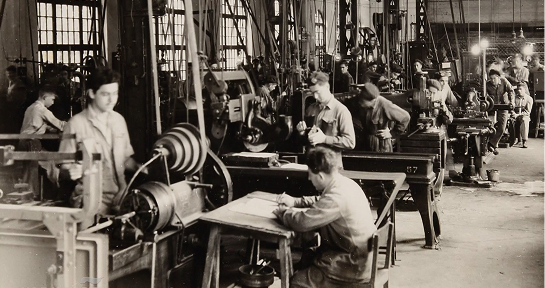
The Technion’s story has been intertwined with Israel’s for more than a century, from laying the foundations for a new nation to shaping its future.

Step inside Israeli innovation at the David and Janet Polak Visitors Center. Experience our 360° immersive movie and tech exhibition. Open to individuals and groups.
Learn More

Like pockmarked pumpkins that go unsold on Halloween, a whopping 30 to 50% of all vegetables and fruits are discarded each year solely because they are too unattractive to sell. But not for long. Israeli startup Anina, whose VP of R&D, Mor Wik, is a Technion alumna, is saving unwanted vegetables from the dumpster by turning them into artistic, edible packaging for ready-made meals. Anina cuts the would-be wasted vegetables into thin slices that are dehydrated and pressed into thin paper-like laminates. The laminates are then molded into edible meal-size containers and filled with instant vegan meals, which currently include…
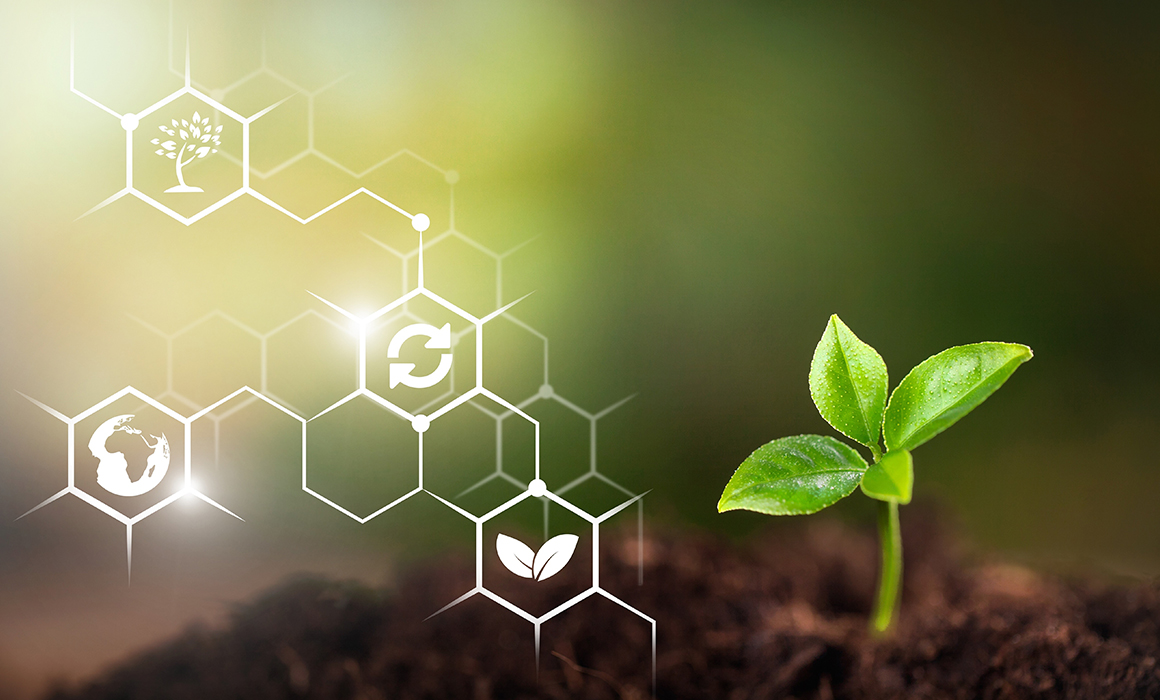
Almost every commodity, from detergents to penicillin to fertilizer, is produced industrially through catalysts, substances introduced to speed up chemical reactions. Yet as indispensable as they are, many catalysts used in industry today create significant environmental waste and economic inefficiency. The Technion’s soon to be established Center for Sustainable Processes and Catalysis aims to discover novel, green catalysts from naturally abundant elements so that industrial processes will require less energy and become more sustainable. Distinguished Professor Ilan Marek, chair of the Center, spoke at the ATS Presidential Forum in March 2022 along with clean energy specialists Assistant Professor Charlotte Vogt…

With an eye toward sustainable solutions to the global energy challenge, a Technion research team has created a proof-of-concept for a rechargeable silicon (Si) battery. Rechargeable batteries are particularly necessary for the electric vehicle (EV) industry, which currently relies on Lithium-ion batteries (LIBs). LIBs, however, are expected to strain lithium (Li) production soon as well as deflect Li from more common uses such as portable consumer electronics. Until now, no battery technology has been strong enough to compete with LIBs. The novel battery allows for Si to be reversibly discharged and charged, making it a green source that could pave…

StoreDot, co-founded by a Technion alumnus, recently received an investment from Volvo that could accelerate development of the startup’s fast-charging batteries for electric cars. StoreDot has been working with strategic investors such as BP Ventures, Daimler AG, and Samsung Ventures, but with this latest collaboration, StoreDot expects to get its revolutionary technology into mass production as early as 2024. The investment marks yet another example of Technion graduates collaborating with industry to better our world through breakthrough technology. “We are extremely excited and proud to be entering into a collaboration with a premium automotive brand,” said StoreDot co-founder and CEO…
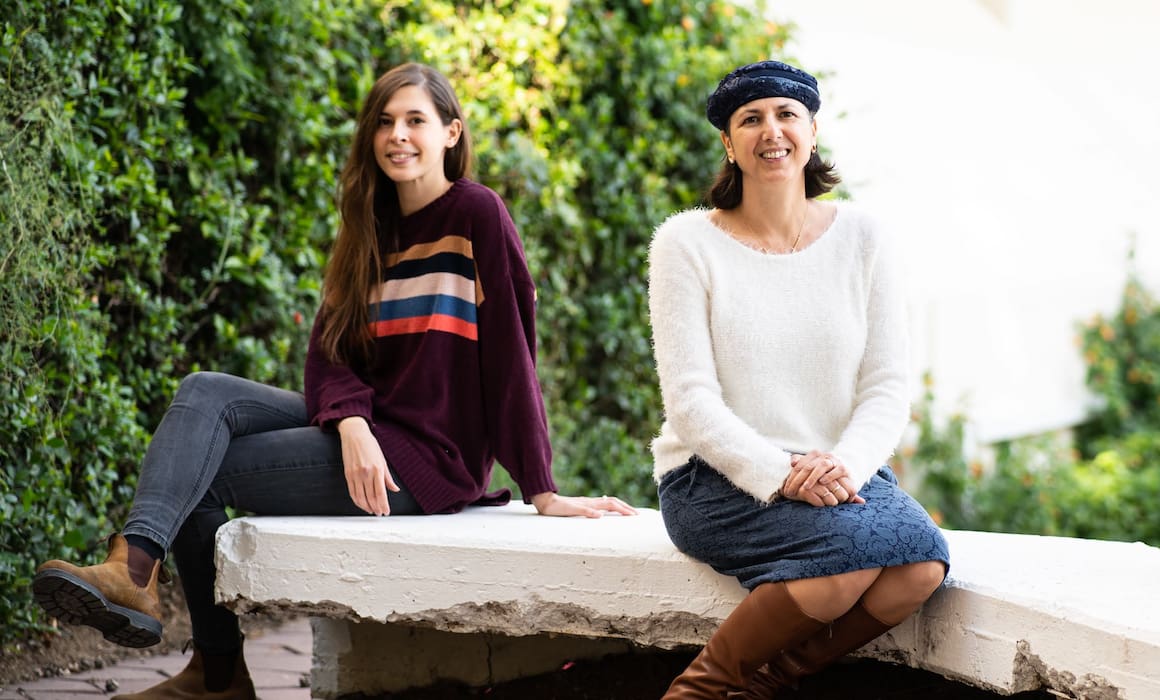
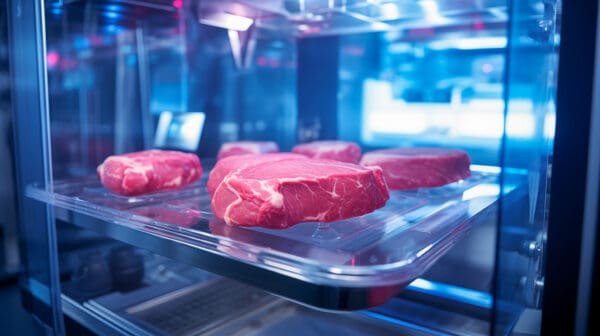
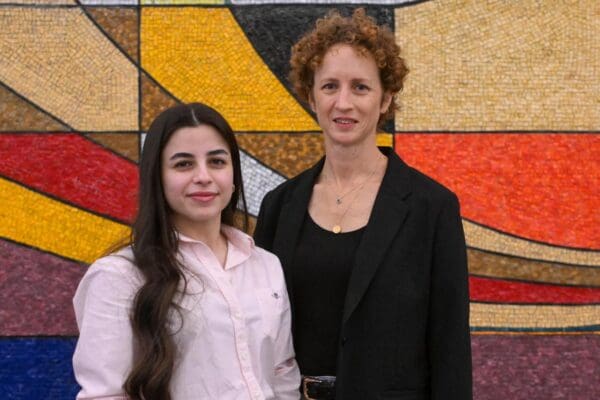
Pictured Above / L to R: Ph.D. student Iris Ianovici and Prof. Shulamit Levenberg. Researchers at the Technion have successfully created edible muscle fibers by bioprinting a plant-based scaffold and living animal cells. The development of cultivated meat — meat that does not involve the raising and slaughtering of animals — is a potential solution for the growing need for meat products following population growth, the environmental damage caused by breeding cattle, and the increasing awareness of animal welfare. To fulfill the promise of cultivated meat to meet various consumer expectations, there is a need for technologies that allow for…
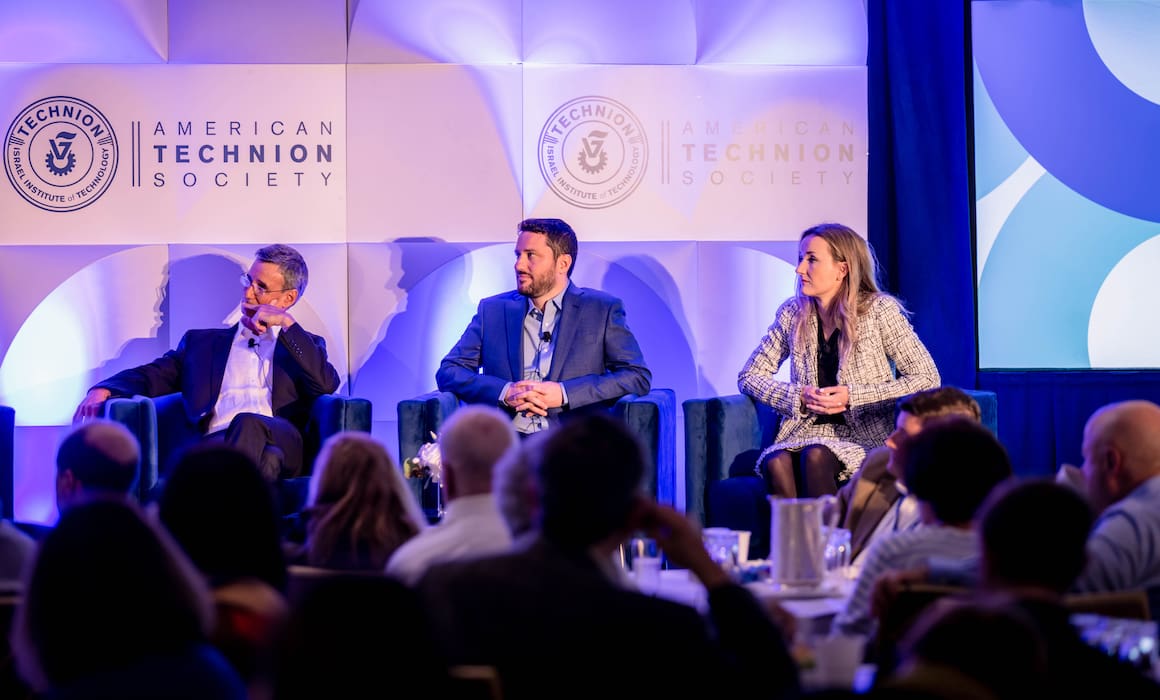
“I think crude oil is amazing,” said Associate Professor Charlotte Vogt, who ticked off a list of products from purses to curtains and shag rugs that are made from fossil fuels. “That’s probably not something you’d expect to hear from somebody who is focusing on sustainable processes,” she added. But while she called “humans and […]
Technion’s Ingenious Approach to Sustainable Food Tech Featuring Professors Marcelle Machluf, Ester Segal,and Uri Lesmes The world’s food system is reaching a crisis point: waste, overfishing, deforestation, greenhouse gas emissions from farming, and more are destroying the planet. As the global population keeps growing, food security is fast becoming one of the major challenges facing […]
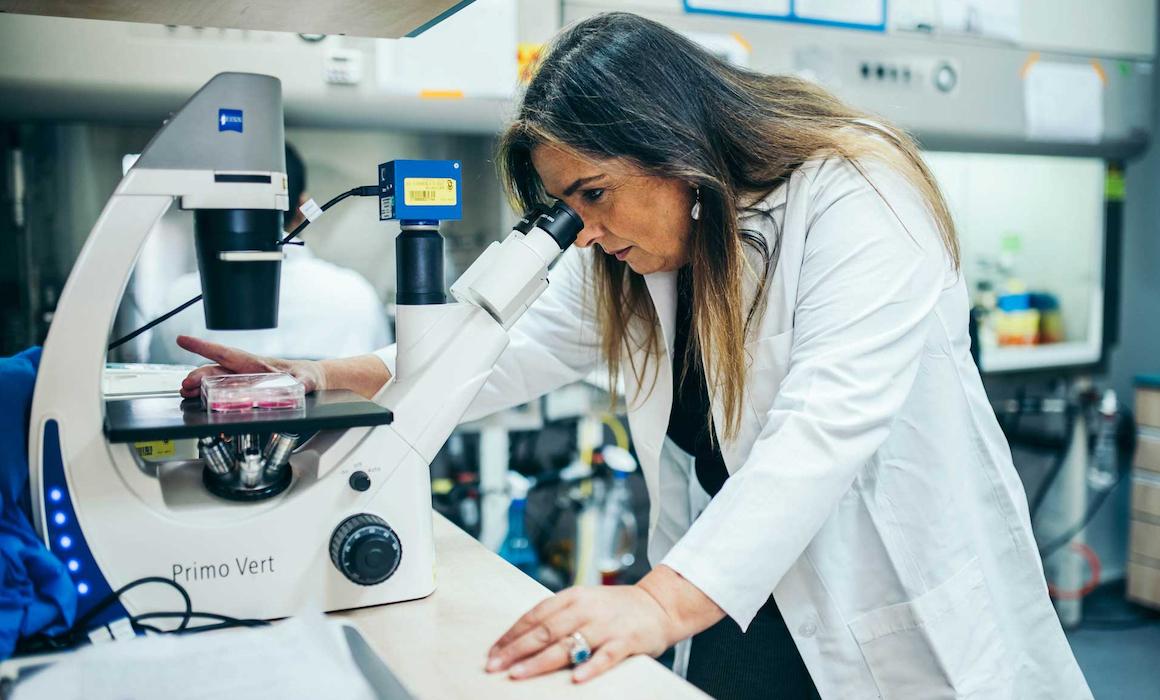
Pictured Above / Professor Marcelle Machluf, dean of the Technion Faculty of Biotechnology and Food Engineering. Israel’s food sector is a $20 billion business, representing 5% of the country’s GDP. Yet lack of capital, stagnating innovation, and rapidly changing consumer demands threaten to erode this success. The new Carasso FoodTech Innovation Center, part of the Faculty of Biotechnology and Food Engineering’s Bio-Health Technology Innovation Initiative, aims to tackle these unanswered challenges. The Center will develop sustainable ways to supply a healthy, tasty, and nutritious diet to a growing world population, while growing Israel’s food sector. “We overfish, overgrow, and overuse…

Climate change and rising concerns about the sustainability and healthfulness of our food supply have prompted researchers to rethink how we produce our food — including some of our favorite meals, like hamburgers. Dr. Dafna Pascoviche of the Faculty of Biotechnology and Food Engineering explains recent food systems research being conducted at the Technion, and […]
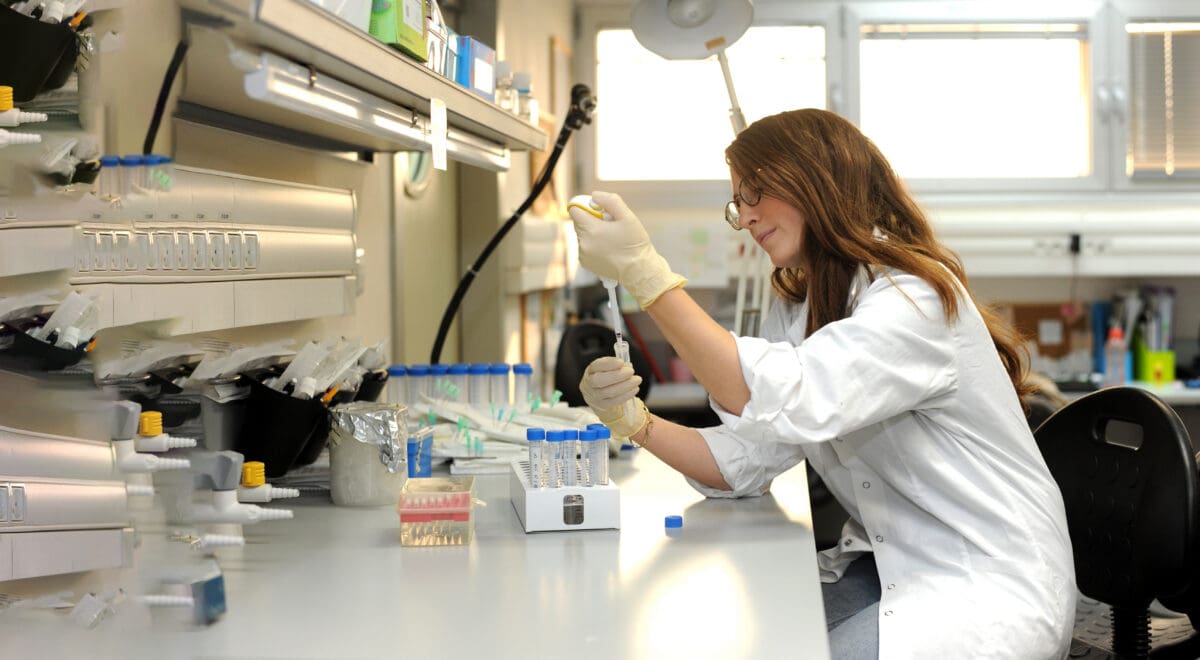
Nobel prize winners. Faculty on par with other world-class institutions like Harvard and MIT. A unique approach to learning and innovation that melds life sciences and engineering. The Technion is truly a force for good. Learn how the Technion’s approach to education and research is preparing the next generation of start-up leaders.
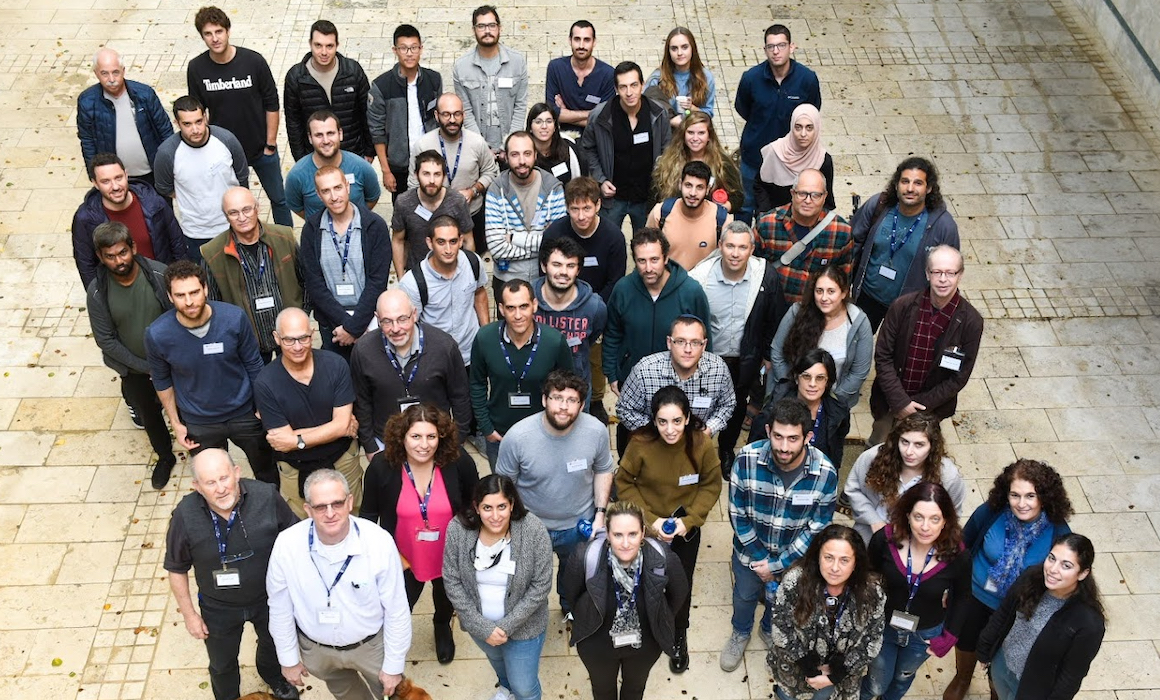
Pictured Above / 2021 GTEP Research Day participants. Every year, the Nancy and Stephen Grand Technion Energy Program (GTEP) invites graduate students to share their research during its Research Day. Prizes were awarded for the most innovative findings. Eliyahu Farber, who developed new methods for the precise production of porous carbon materials, shared the first prize. These porous carbon materials can be used in a variety of applications, including batteries, supercapacitators, and fuel cells. Inbal Offen-Polak also won first prize for research on low cost catalysts for urea oxidation, a useful process with applications in water treatment, hydrogen production, and…
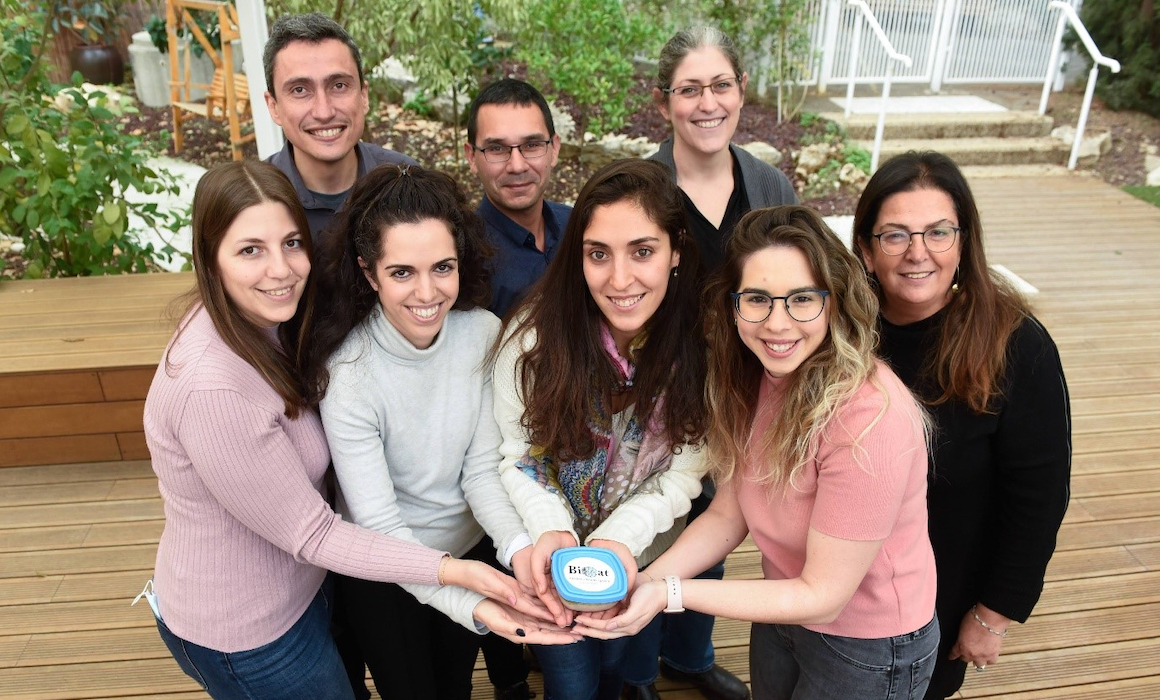
Students of the Faculty of Biotechnology and Food Engineering served up creative and tasty innovations to win top prizes in the European Institute of Innovation & Technology (EIT) Food Solutions Project — the latest in a string of victories in EU-supported competitions. This year’s competition was aimed at finding delicious and sustainable real-world solutions to problems faced by the food industry. The Bioat Group won first place for a challenge presented by Finnish company Myllyn Paras to create an innovative product using an oat-based ingredient. The students developed a vegan “labane” (a cheese-like spread common in Israel) made from fermented…