Something Fresh in the State of Denmark
October 06, 2026





















The Technion’s story has been intertwined with Israel’s for more than a century, from laying the foundations for a new nation to shaping its future.

Step inside Israeli innovation at the David and Janet Polak Visitors Center. Experience our 360° immersive movie and tech exhibition. Open to individuals and groups.
Learn More
“When you look at electricity production, you realize renewable energy has already arrived,” Yonadav Buber tells ISRAEL21c. “The cost of renewable energy production is already competing with that of coal and natural gas. The only reason we haven’t yet become dependent on renewable energy is that it works whenever it wants – you can’t turn on the sun at night or make the wind blow.” There are lots of companies examining ways to store renewable energy to make it more available. “But I always think that the simplest solution is also the best one,” Buber says.

An Israeli startup has bioengineered milk protein to create a wide range of dairy products – using mushrooms and no cows. And, the company says, their products are healthier, greener and cheaper to create. Haifa-based ImaginDairy uses freely available DNA codes for milk proteins to recreate their DNA, the company’s CEO and co-founder Eyal Afergan tells NoCamels. The data is even available on the website of the US government’s National Center for Biotechnology Information. There are two major proteins in milk – whey and casein, Afergan explains. These proteins are present in every single milk-based food. Casein makes up about 80 percent…

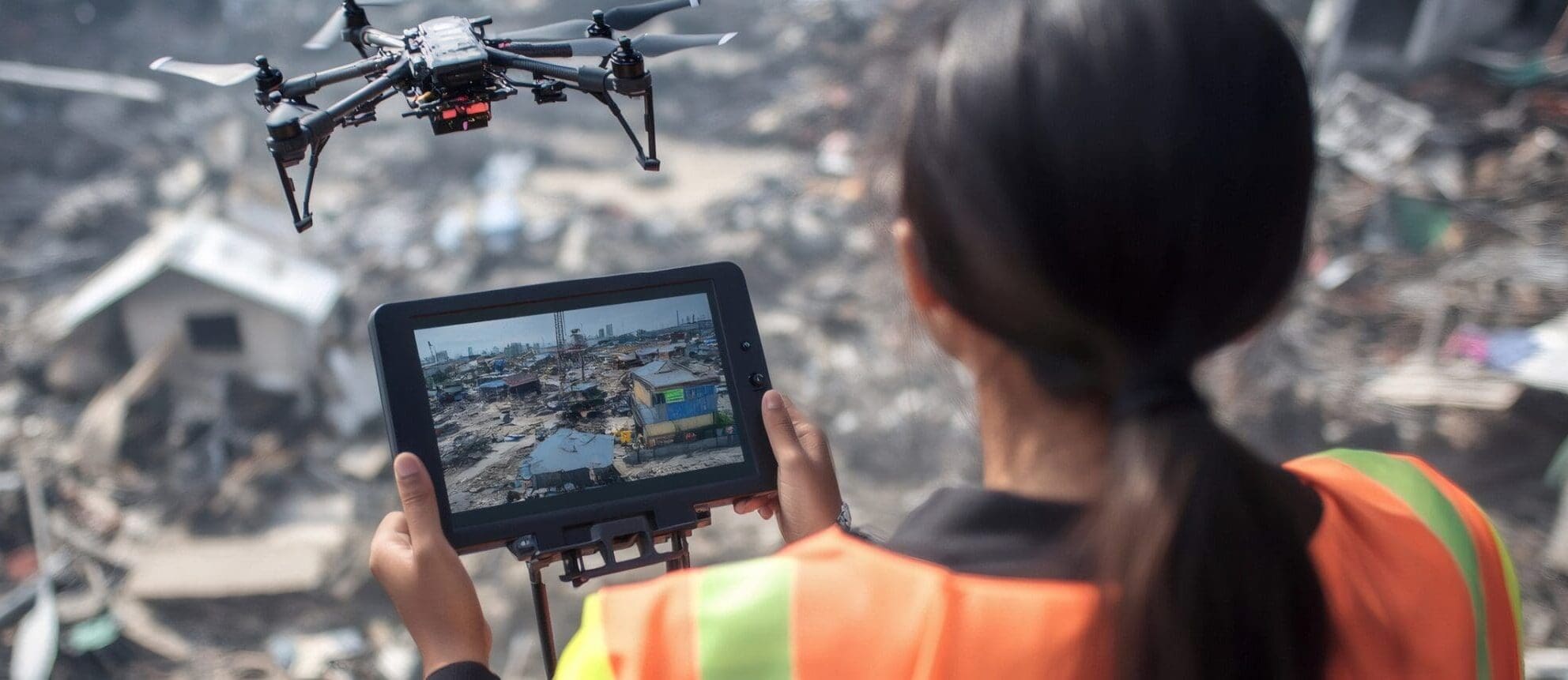
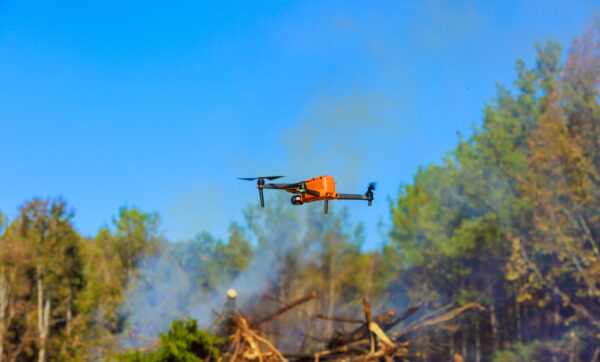
The wildfires in Maui may finally be fully contained, but the environmental impact left in the wake of the the infernos will last for years to come, experts told ABC News. As the Maui community begins to heal from the wildfires that killed more than 100 people and incinerated a large portion of the island, residents will now start to grapple with the painstaking cleanup and rebuilding phase, an emotional process that could also contain health risks, the experts said. The cleanup process will need to be done “very carefully,” due to the hazards, Kristina Dahl, senior climate scientist at the Union of Concerned Scientists,…
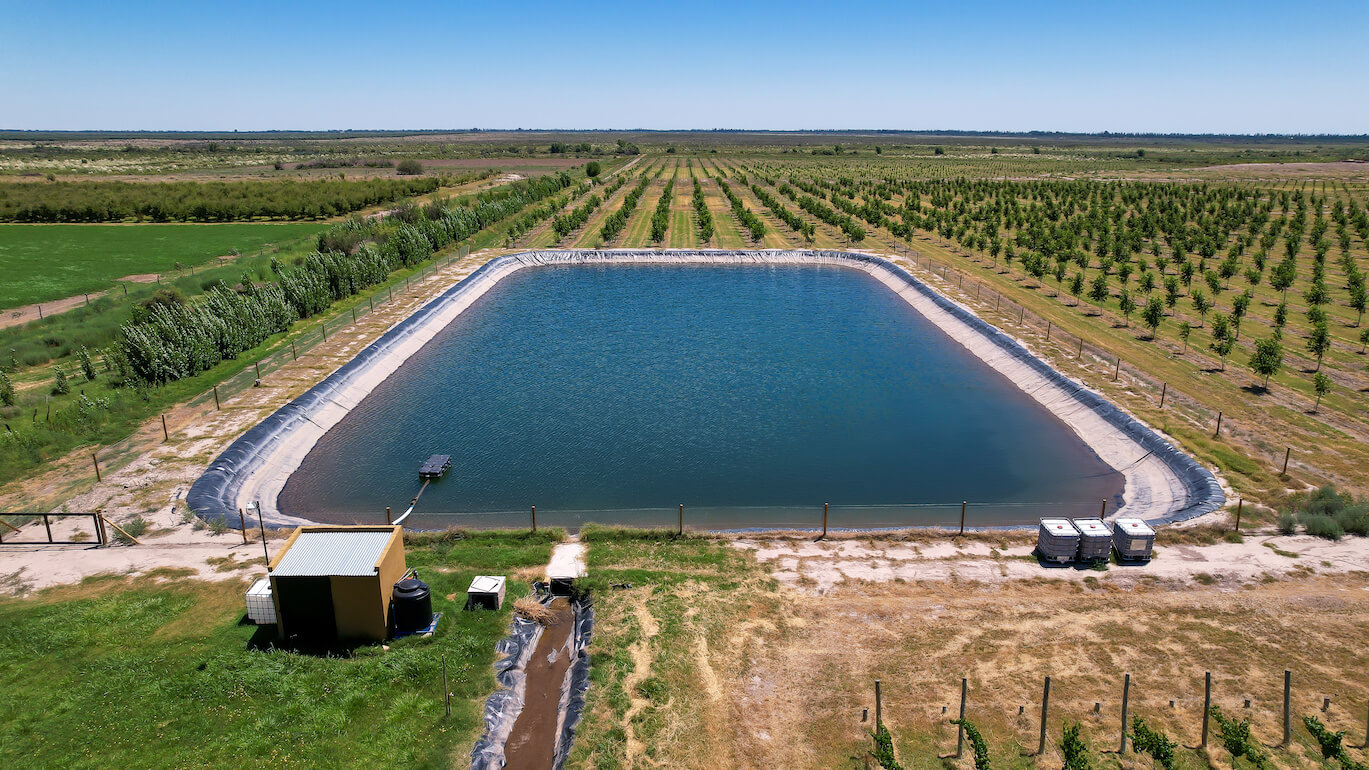
A unique “coworking space” for farmers in drought-stricken Rwanda will soon offer local growers a sustainable way to produce crops. Agriculture accounts for a third of landlocked Rwanda’s GDP but relies on rainfall and suffers low levels of productivity. The unique site, including its purpose-built water source and an energy network, was designed by Israeli precision irrigation pioneer Netafim and built in cooperation with the government, which provided $50 million in funding.
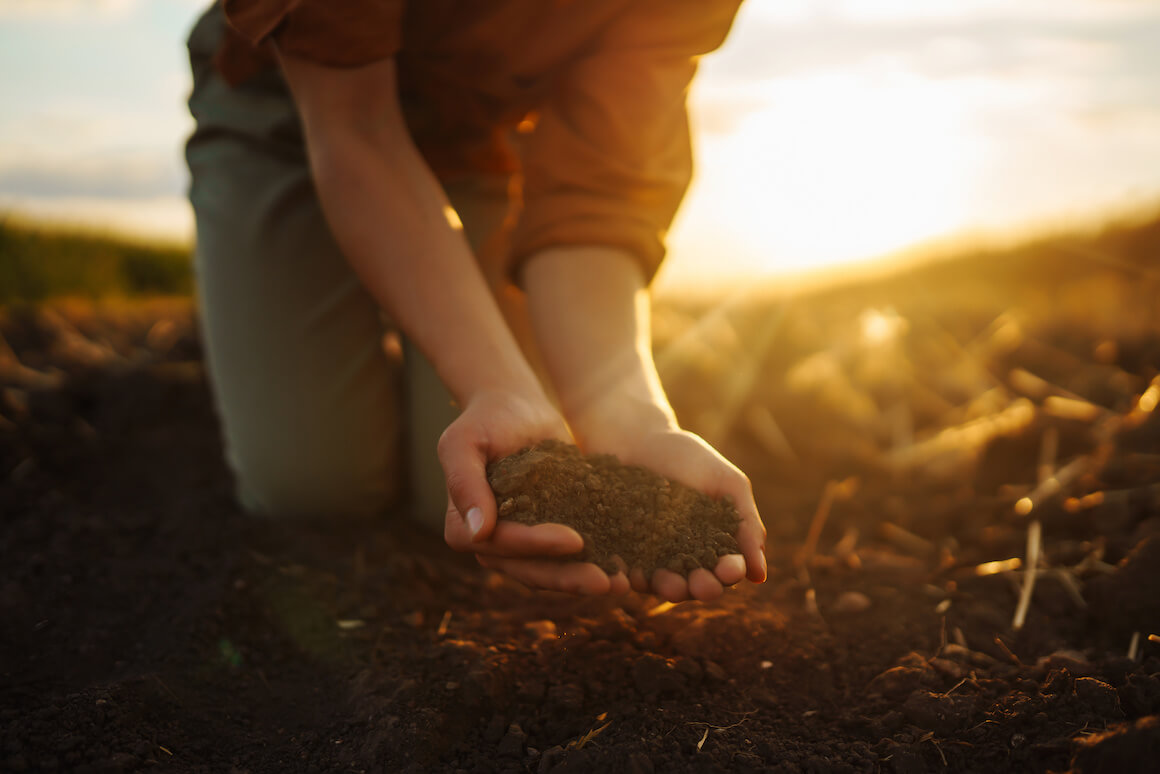
“When we say agriculture, we think green and plants and land, it sounds very sexy. But the reality is that agriculture is one of the major contaminants in the world, both in terms of groundwater contamination and greenhouse gas emissions,” says Rafi Levi. “And fertilizers are the No. 1 contaminant in agriculture.” Levi is the CEO and cofounder of DOTS (Data of the Soil), an Israeli startup bent on helping farmers cut down on the use of excess fertilizers by providing them with real-time monitoring of fertilizer in the soil. This can save them a lot of money and, of course, protect…
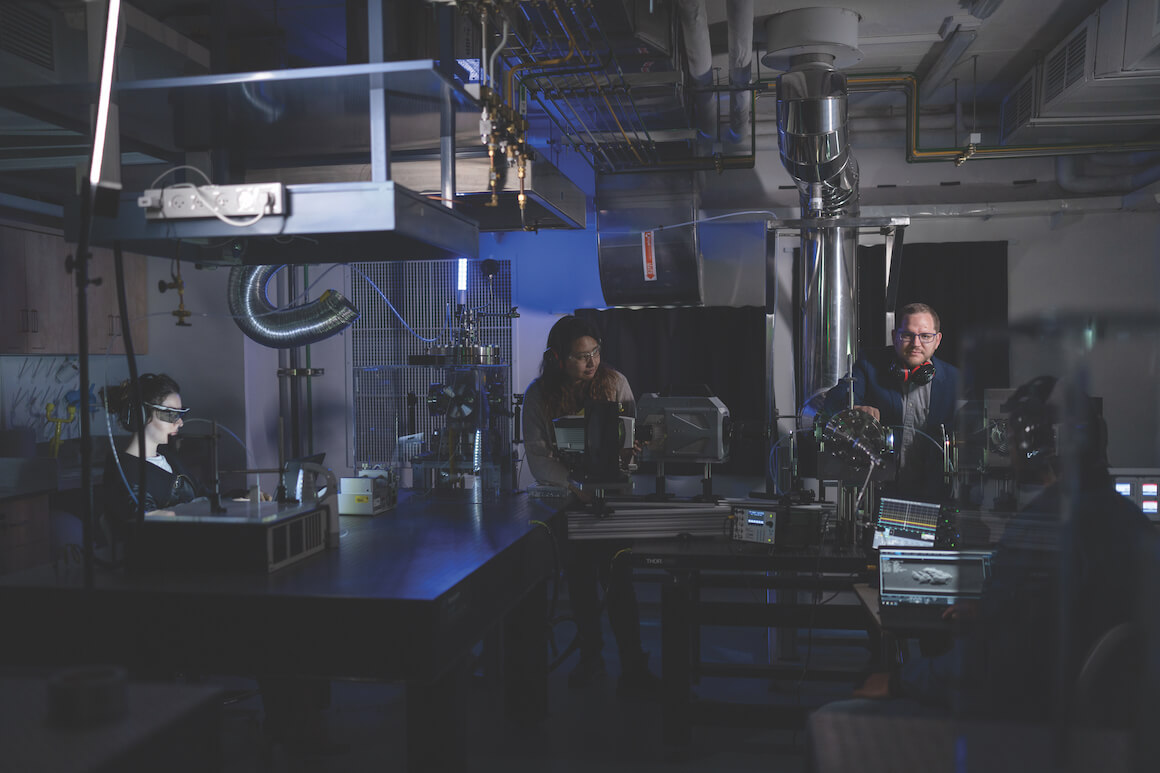
A decade from now, travelers could be flying in a jet that emits no carbon into the atmosphere. The fuel powering that aircraft may have its origins in the Technion’s Faculty of Aerospace Engineering. Technion researchers are working on a variety of projects to develop alternative jet fuels derived from ammonia and hydrogen. While considerable barriers remain, both substances — when produced cleanly with renewable power — have the potential to run jet engines as well as gas turbines to generate carbon-free electricity. “If you want to live in a world where we reduce the carbon dioxide in the air…

Imagine juicy burgers sizzling on the grill, made from beef cells without environmental impact or harm to animals. Or cookies that release nutritious protein as they rise in the oven. Teaming up with the nonprofit think tank the Good Food Institute in Israel, the Technion is establishing the Sustainable Protein Research Center (SPRC) to conduct research to develop and help commercialize forward-looking food technologies like these. Professor Yoav Livney, who helped Technion students create the prizewinning “Algalafel,” a falafel enriched with the microalgae spirulina, is leading the endeavor. At a time when the world is battling the dual challenges of…

With the ongoing climate crisis and the speed with which it is hitting us, more and more researchers and entrepreneurs are looking for solutions outside of the box. Experts warn that these ideas are very dangerous, that the governments do not fully know how to deal with climate engineering, and that billionaires are looking at this as yet another frontier from which they can profit. In a series of interviews, Calcalist spoke to various climate experts about innovative solutions to tackle the crisis. “We won’t succeed in reducing greenhouse gas emissions to zero,” says Professor Yoram Rosen, head of the…

“Nearly all dwellings and buildings require heating and cooling, now more than ever in the face of climate change,” says ThermoTerra. “The increasing use of air conditioners transfers heat from the inside to the outside of buildings, and this in addition to the CO2 emissions resulting from air conditioning energy use only exacerbates the problem.” To address this, the company has developed a cooling and heating technology that avoids CO2 emissions and heating the environment and uses carbon capture materials. Its pilot structure at Ben-Gurion University demonstrated passive cooling continuously to 24°C (75F) solely using water collected from the relatively…
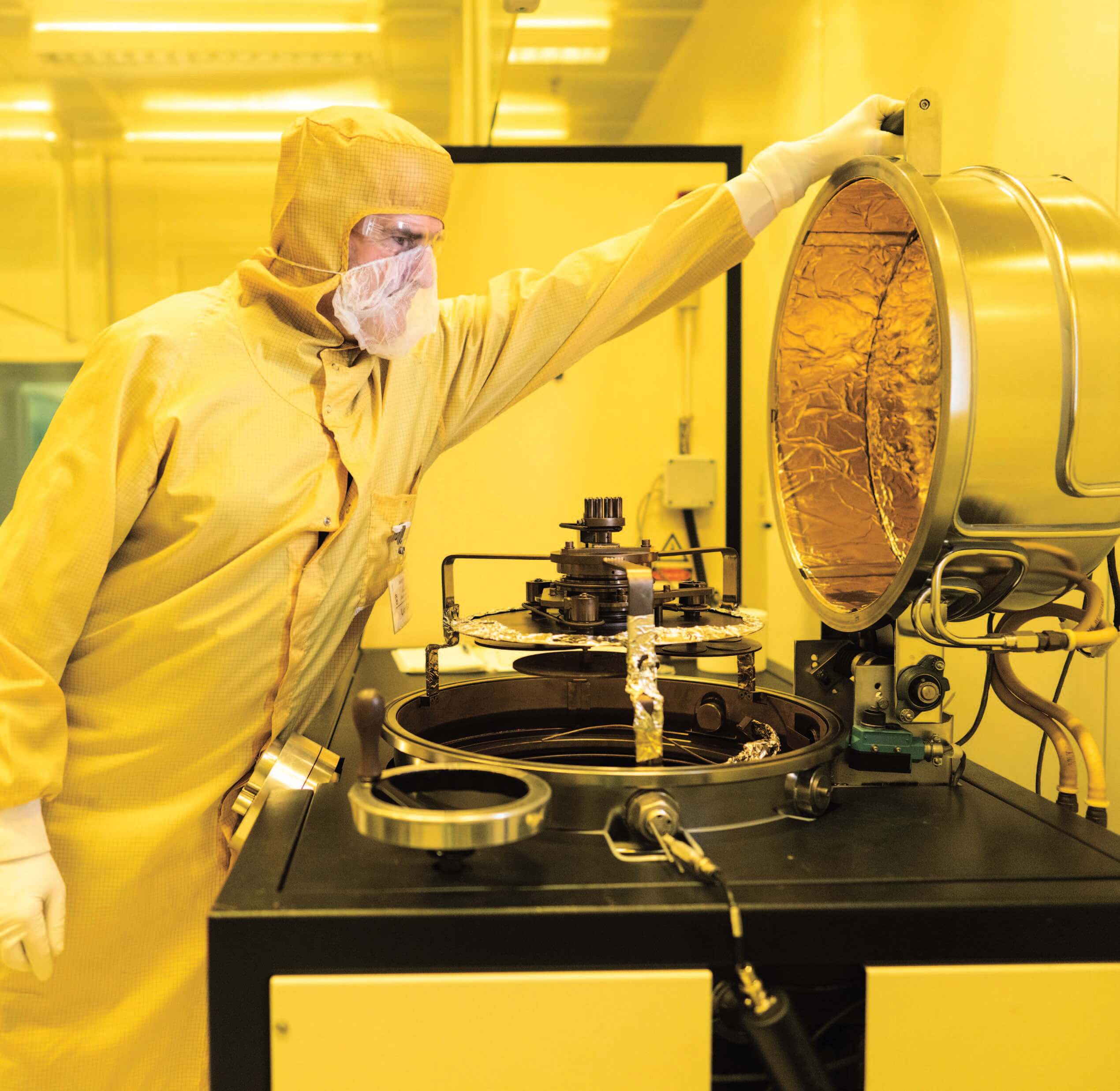
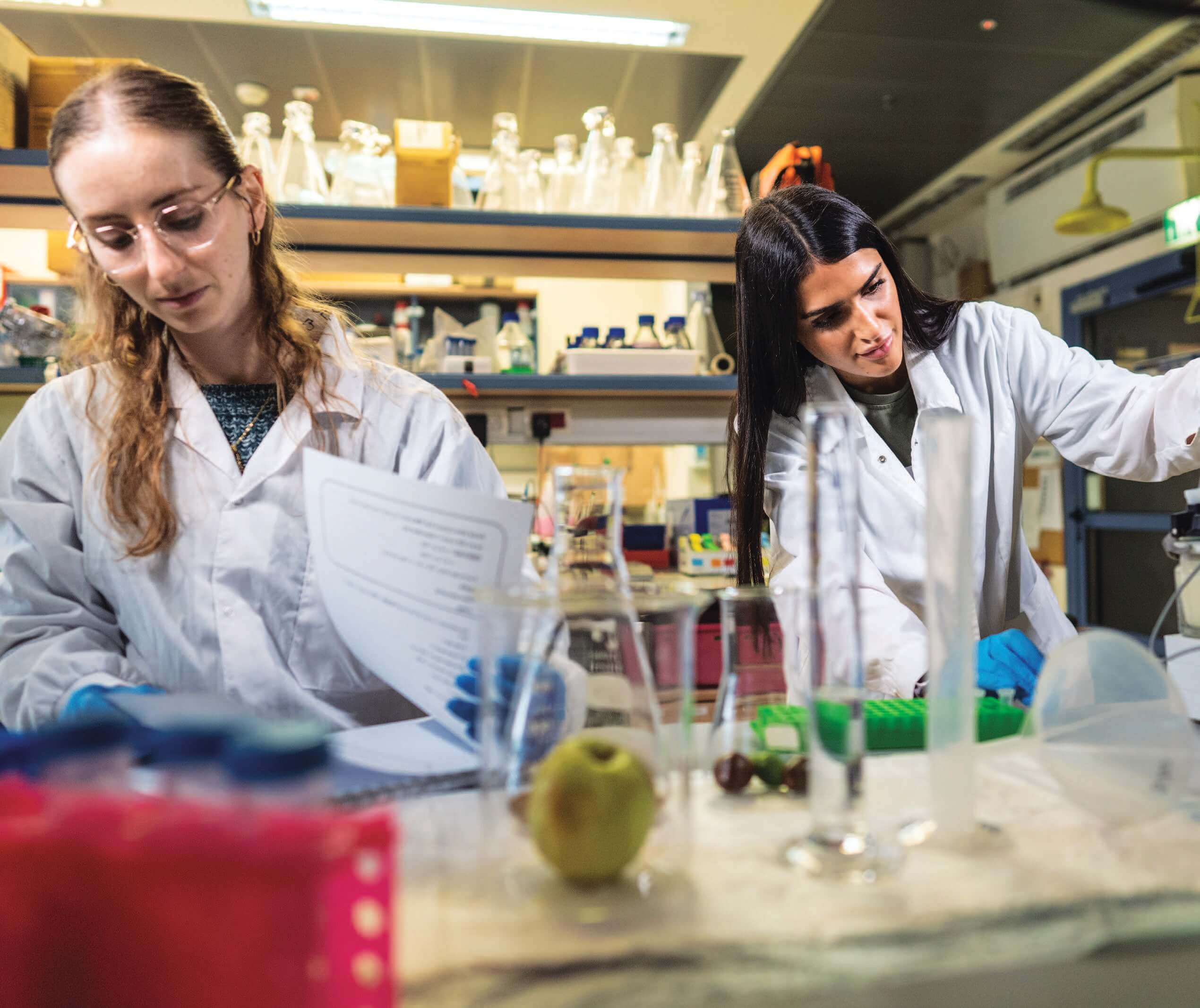
Increasing the global food supply while protecting the environment is one of the world’s most pressing challenges. Technion is heavily invested in meeting this challenge, perpetuating Israel’s dominant position in the FoodTech revolution. “Eradicating world hunger and improving food security are among the main challenges facing humanity in the 21st century, as defined by the UN’s Sustainable Development Goals,” notes Technion President Prof. Uri Sivan. “The Technion has the only faculty in Israel for research in food engineering, a faculty that leads the Israeli FoodTech industry.” The Faculty of Biotechnology and Food Engineering at the Technion is also one of…

Since its founding nearly 100 years ago, the Technion’s world-class scientists have focused on developing innovative and cutting-edge technologies crucial not only for Israel’s economy, society, and security, but also for humanity. Well before climate change became a buzzword on the lips of many, the university’s researchers prioritized solutions to promote sustainability and help reverse our planet’s grim prognosis. In March, United Nations’ Secretary-General António Guterres warned that “the climate time-bomb is ticking,” after a report cautioned that the world faces an even tighter deadline to avoid catastrophic climate change disruption. At the Technion, a wide range of activities and…