Something Fresh in the State of Denmark
October 06, 2026




























The Technion’s story has been intertwined with Israel’s for more than a century, from laying the foundations for a new nation to shaping its future.

Step inside Israeli innovation at the David and Janet Polak Visitors Center. Experience our 360° immersive movie and tech exhibition. Open to individuals and groups.
Learn More

To wean itself off fossil fuels, the world needs cheaper ways to produce green hydrogen—a clean-burning fuel made by using renewable electricity to split water into hydrogen and oxygen. Now, researchers report a way to avoid the need for a costly membrane at the heart of the water-splitting devices, and to instead produce hydrogen and oxygen in completely separate chambers. As a lab-based proof of concept, the new setup—reported this month in Nature Materials—is a long way from working at an industrial scale. But if successful, it could help heavy industries such as steelmaking and fertilizer production reduce their dependence on oil,…

An Israeli startup that uses innovative technology to reduce the sugar content in fruit juices has partnered with a leading American food and beverage supplier. Rehovot-based Better Juice uses natural enzymes to convert sugars in juice to non-digestible compounds, like dietary fibers. The sugar is replaced with other sweet molecules, without changing the taste or affecting the naturally occurring nutrients, including vitamins, minerals, and antioxidants. The collaboration will see global company Ingredion, which is headquartered in Illinois, lead Better Juice’s Series A funding round through its investment arm, Ingredion Ventures. The aim is to fast track Better Juice’s entry into the US juice…
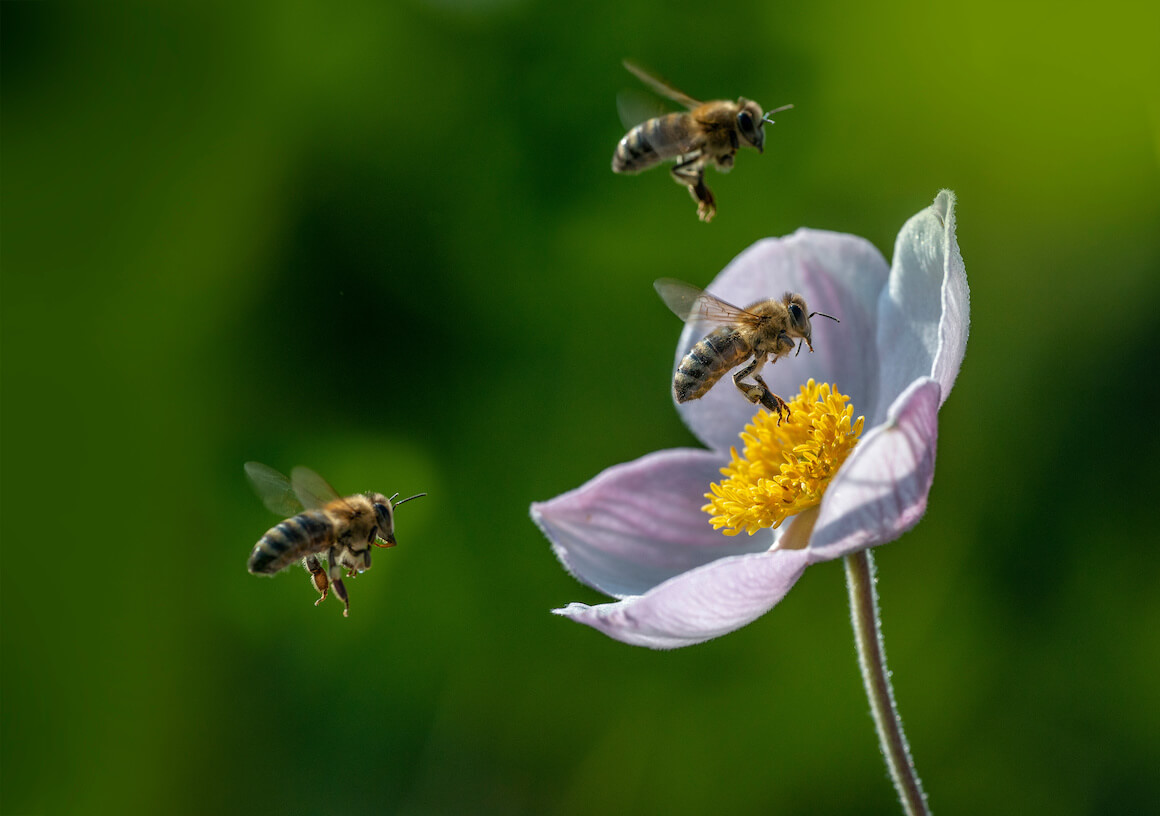
That the world’s bee population is in crisis is no secret. Scientists, conservationists and agriculturalists have been scrambling for a solution to a situation that could be catastrophic for humans who rely on these stripy natural pollinators and their winged cohorts to propagate much of the food that we eat. Israeli company Edete says it has a unique solution, giving the insects – and those who benefit from their hard work – a helping hand in the form of mechanical artificial pollination, which it says is vital if we wish to ensure food security for future generations.

Cornell researchers’ “leaf-level” visualization of every tree in New York City – and how much shade each provides – could inform new strategies for mitigating extreme heat there, and in other cities coping with record-breaking temperatures. Tree Folio NYC creates a “digital twin” of New York’s urban canopy. The high-resolution, 3D model not only details trees’ location, type and size, but simulates how local conditions such as street orientation, street width and building height influence their shading benefits. For decades, cities have planted trees in uniform rows along streets. But improved understanding of how tree placement impacts shading could help planners…
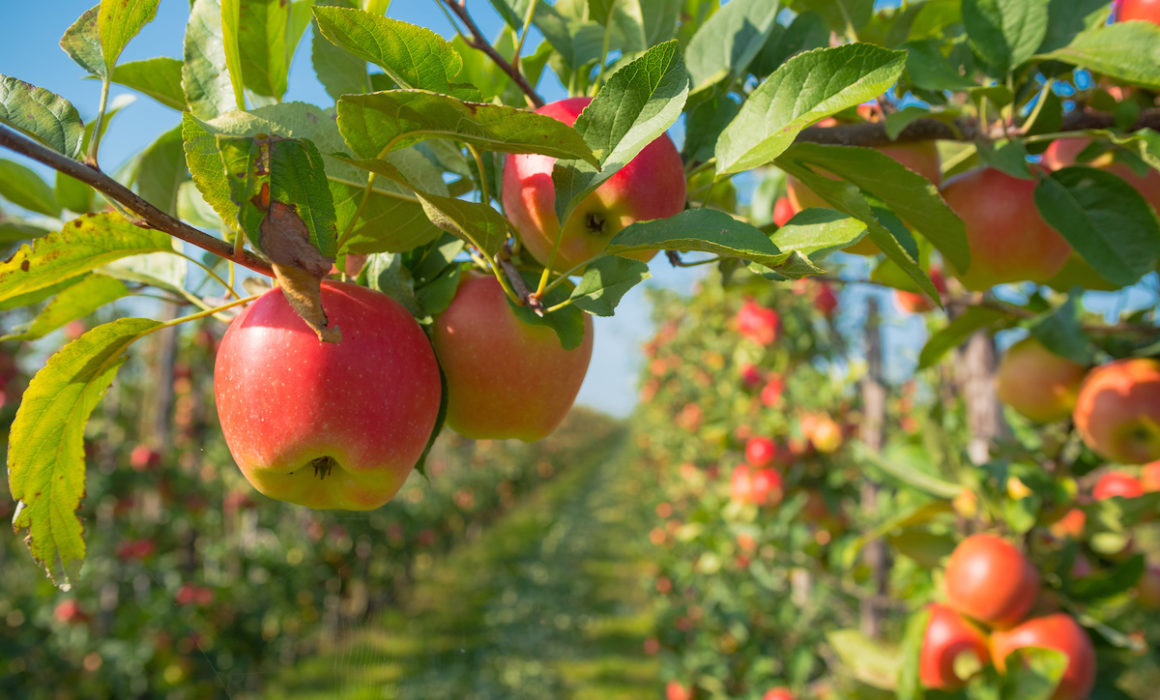
Tevel Aerobotics, an Israeli ag-tech startup with a novel drone-based harvesting solution, demonstrated the latest edition of its harvesting solution at the 2023 World Ag Expo. The company has partnered with S&S Metal Fabrication to build an autonomous tree fruit harvesting solution called the Alpha-Bot that is ready for deployment this upcoming growing season. Tevel Aerobotics is a 2021 recipient of an RBR50 innovation award for fruit-collecting drones. The partnership with S&S Metal Fabrication is critical to the overall success of this solution. The drones are tethered so that they can work continuously all day gathering ripe fruit from the trees in an orchard. The drones…

Classic denim blue jeans have been a staple in the global fashion industry for over half a century – but their iconic color comes with a heavy environmental price. Dyeing just a single pair of jeans involves thousands of liters of water. And the dye itself comes from synthetic indigo, which is made of a slew of toxic chemicals, including hydrosulfites, that are all later released into the environment via waterways. Israeli startup Sonovia has created a way to give blue jeans their quintessential color that both uses a non-toxic dye that is better for the environment and cuts water use by…
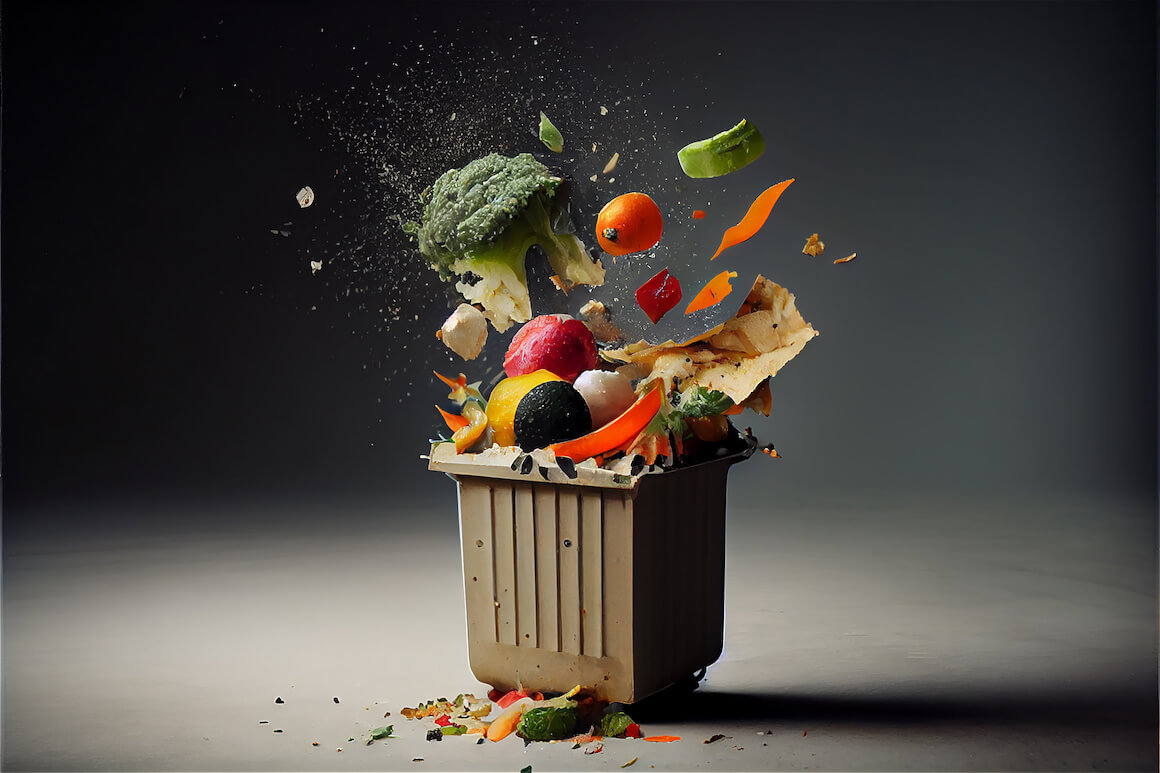
Israel, the land flowing with milk and honey, is wasting millions of tons of its food every year. In fact, according to Leket Israel, the country’s leading food rescue organization, over one third of all the food that it produces gets thrown away. An Israeli startup is looking to put a dent in this statistic by providing bakeries, delis and other food establishments with a platform to specifically sell the food products remaining at the end of the day, which would otherwise be trashed. SpareEat’s app lets Israelis purchase “surprise bags” of pastries, sandwiches, produce and more at heavily discounted…
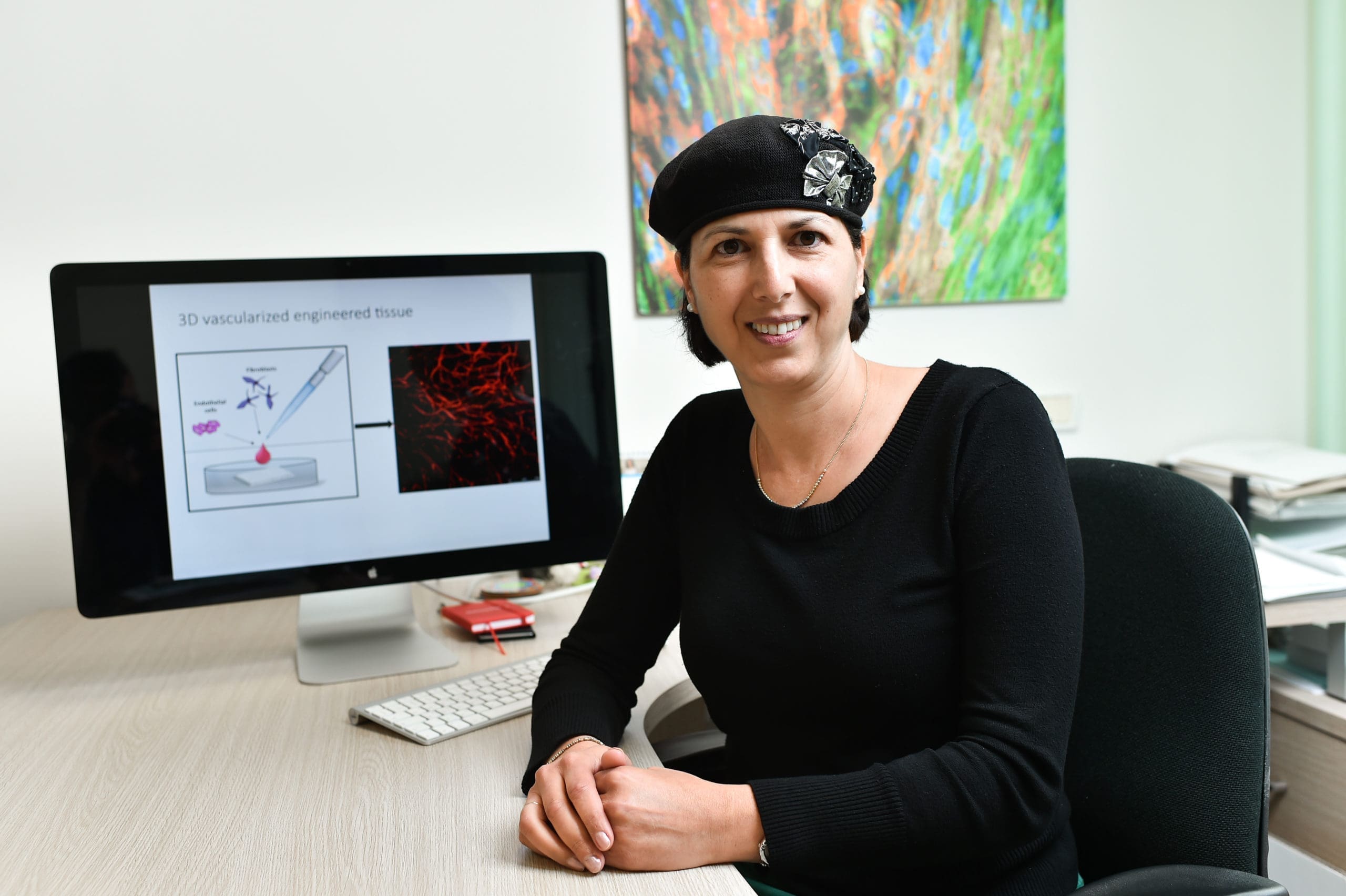
We interview Sandhya Sriram (SS) from Shiok Meats, Shulamit Levenberg (SL) from the Technion and Aleph Farms and Timothy Olsen (TO) from Merck on the current status, challenges and future directions of cultured meat. SS: Shiok Meats, established in 2018, is a cultivated, cell-based meat and seafood company, headquartered in Singapore. It is the first of its kind in Singapore and South-East Asia with a mission to bring delicious, sustainable and healthy shrimp, lobster, crab and meats to your table, by harvesting from cells instead of animals. Our meats are animal-, health- and environment-friendly with similar taste and texture compared to…

In a bid to unlock the full potential of hydrogen fuel cells as a cleaner alternative to conventional energy sources, researchers from the Department of Energy’s SLAC National Accelerator Laboratory, Stanford University, and the Toyota Research Institute (TRI) have made significant strides in reducing the cost of fuel cell technology. The breakthrough involves a radical shift in the catalyst composition, traditionally reliant on expensive platinum group metals (PGM), according to an SLAC release. Hydrogen fuel cells have long been recognized for their promise in energy storage and conversion, but the prohibitive cost of PGMs in the catalyst has hindered widespread adoption. Michaela Burke…
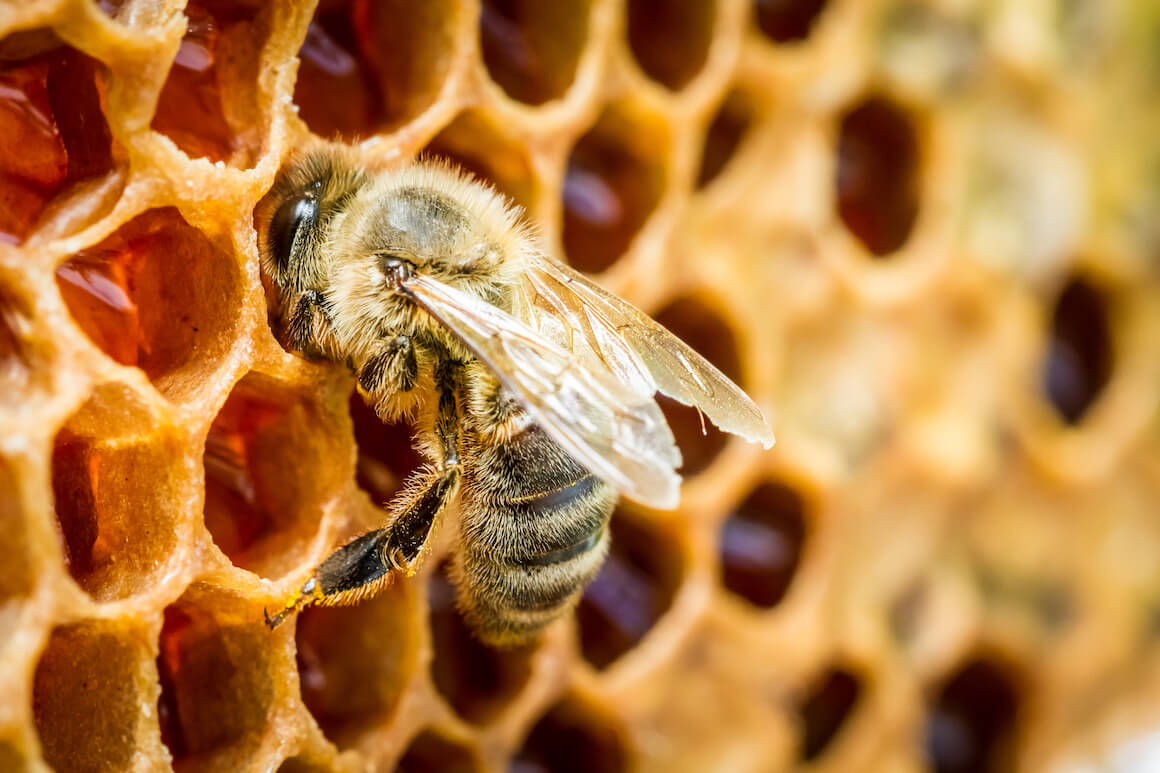
For almost two decades, agriculturalists around the world have been sounding the alarm about the global disappearance of entire bee colonies, a vital link in the food chain whose absence is threatening the world’s food supply. Scientists have determined that one of the primary causes of colony collapse disorder (CCD) is the Varroa mite, a pest that attaches itself to bees as they develop in their cocoons and feeds on them, transmits viruses to them and can even kill them. Israeli startup ToBe has developed a device that releases precise amounts of miticides in beehives to rid them of these parasites without…

A visit to the bakery usually involves temptation by cupcakes or pastries in enticing hues of orange, pink and purple. What if we could create those vibrant shades of sweet treats without artificial additives and as naturally as bread rises? Israeli startup Phytolon (a combination of phyto, the Greek word for plant, and lon, Arabic for color) has developed strains of baker’s yeast that can produce 75 percent of the colors used in the food industry – including shades of orange, red, pink and purple. The startup’s yeast produces the betalain pigments that are naturally found in bright red beetroot, sunny yellow cactus fruit and…
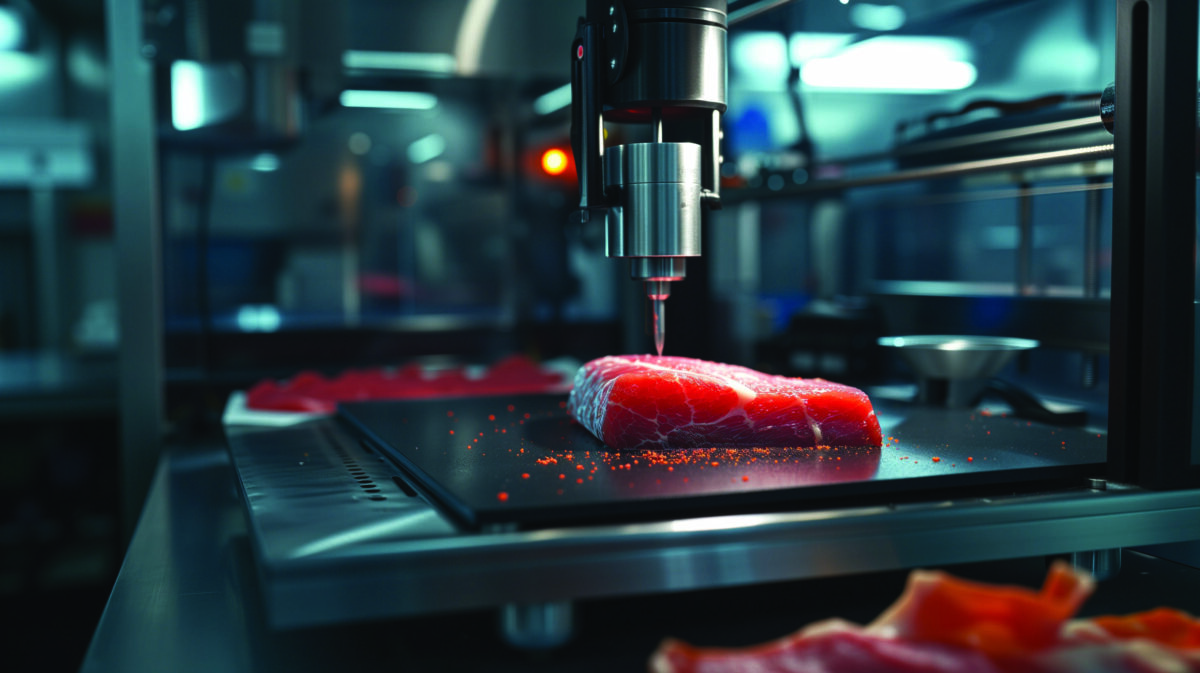
Could sustainable plant-based food created at the Technion help solve world hunger and mitigate the climate crisis? The Technion – Israel Institute of Technology’s Sustainable Protein Research Center is developing solutions to feed our growing population while cutting our carbon footprint. Gain insights from SPRC experts who are revolutionizing the field: Prof. Yoav D. Livney […]