Something Fresh in the State of Denmark
October 06, 2026






























The Technion’s story has been intertwined with Israel’s for more than a century, from laying the foundations for a new nation to shaping its future.

Step inside Israeli innovation at the David and Janet Polak Visitors Center. Experience our 360° immersive movie and tech exhibition. Open to individuals and groups.
Learn More
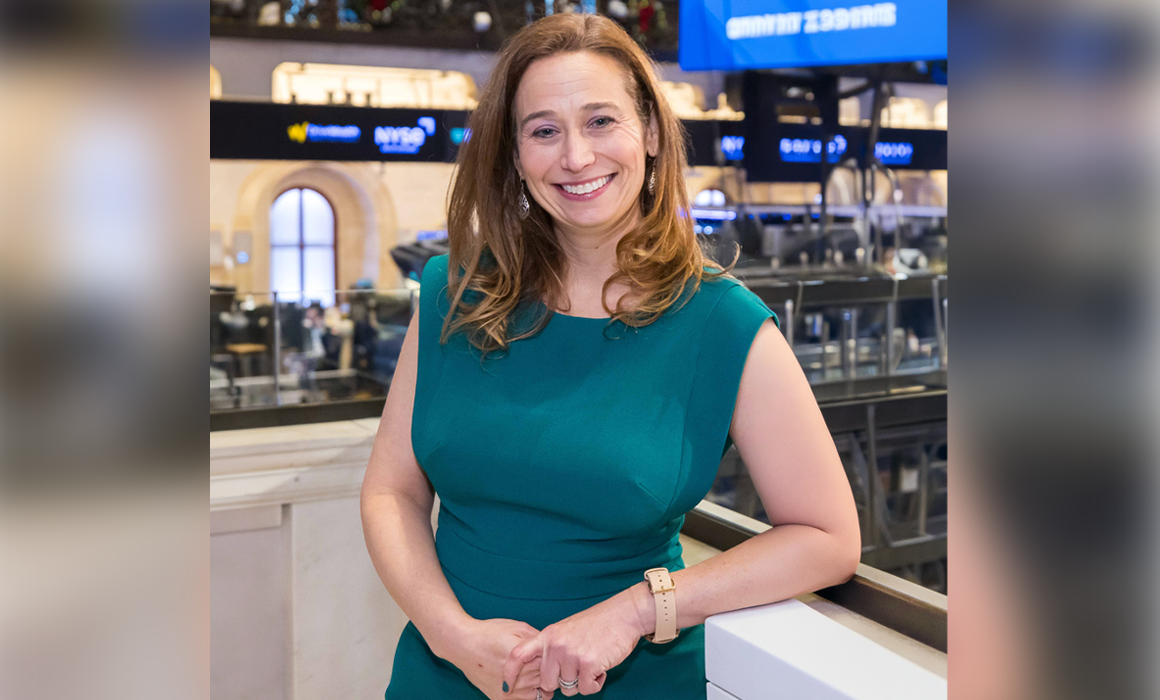
After more than two decades in philanthropy and development, I have come to believe that the most powerful driver of giving is not proximity – it is purpose. My career has been split almost evenly between two worlds that, at first glance, might seem distinct: the Jewish communal sector and international development. In reality, they have always been deeply intertwined. I have had the privilege of working and volunteering with extraordinary organizations – from Americares to the American Jewish Joint Distribution Committee to American Jewish World Service to Hebrew Union College–Jewish Institute of Religion. Each experience deepened my understanding of…

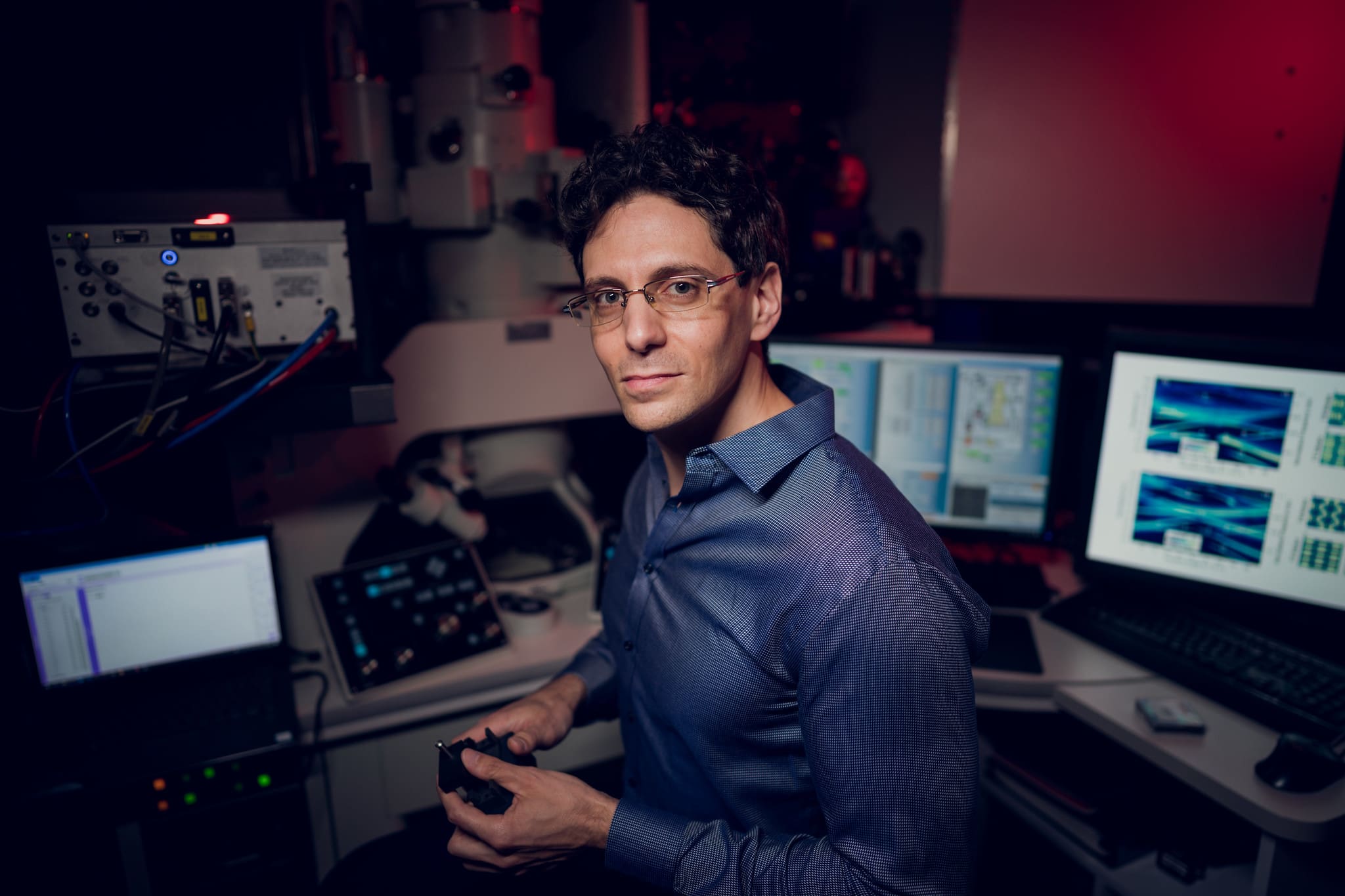
Researchers have developed a set of tools that look inside large language models to detect when they go wrong, including hallucinations, memorization of training data and other forms of unreliable output. Rather than relying only on a model’s final answer, the approach analyzes internal signals produced during computation, including activation patterns, attention maps and output probability distributions. The goal is to identify signs of failure as the model generates text. These challenges are a major focus of the research group led by Dr. Haggai Maron from the Andrew and Erna Viterbi Faculty of Electrical and Computer Engineering at the Technion…

Concrete shapes the world you live in, but its environmental toll is massive. Imagine, though, if the buildings around you could grow and breathe, helping to heal the planet. This isn’t science fiction. It’s the vision of CyanoCement. Developed by researchers from the Technion – Israel Institute of Technology, this innovative biocement uses ancient microbes to redefine how we think about construction materials. At the heart of CyanoCement are cyanobacteria, tiny photosynthetic organisms responsible for Earth’s first oxygen-rich atmosphere. By leveraging these extraordinary capabilities, the team—Perla Armaly, Yuval Berger, Lubov Iliassafov, Keren Rosenblau, Yechezkel Kashi, and Shany Barath—crafted a process where these microbes bind minerals…

Researchers at the Technion – Israel Institute of Technology have developed a technology that allows users to control movement in AI-generated videos using simple mouse gestures, without requiring large computing resources or retraining on massive video datasets. The system, called Time to Move, or TTM, was developed by Dr. Or Litany of the Henry and Marilyn Taub Faculty of Computer Science, together with Prof. Ron Kimmel and students Asaf Singer, Noam Rotstein and Amir Mann. Litany presented the research last month at the International Conference on Learning Representations, or ICLR 2026, in Brazil. The conference is considered one of the…

“You’re from the Jewish school?” the French Ministry of Education official quizzed the teenage girl who had come for her post-high school baccalaureate exam. The examiner began firing off the most difficult questions on the physics test, seemingly seeking to trip up the high school senior, but Noa Uziel, 18, who was at the top of her class at Paris’s Yabne school, stood her ground. “Are you going to cry?” the Education Ministry official pressed her. “I am the one who chooses the questions.” A life journey changed by Oct. 7 It was more than a year earlier, after the…
Founded in 1912, the Technion – Israel Institute of Technology predates the State of Israel by 36 years. Its early researchers and graduates built the infrastructure, trained the engineers, and laid the scientific foundation for a nation that existed first only as a dream. We honor a legacy of nation-building and the ongoing work that lies ahead. The Technion helped build Israel. Now, it will help rebuild it. Support the Technion’s rebuilding efforts here.

President Herzog on the Unmistakable Connection Between Israel and the Technion As Israel celebrates its 78th year of independence, President Isaac Herzog invites us to look back with gratitude — and forward with confidence — by remembering where the story of the State of Israel truly began. Marking the 102nd anniversary of the Technion – […]
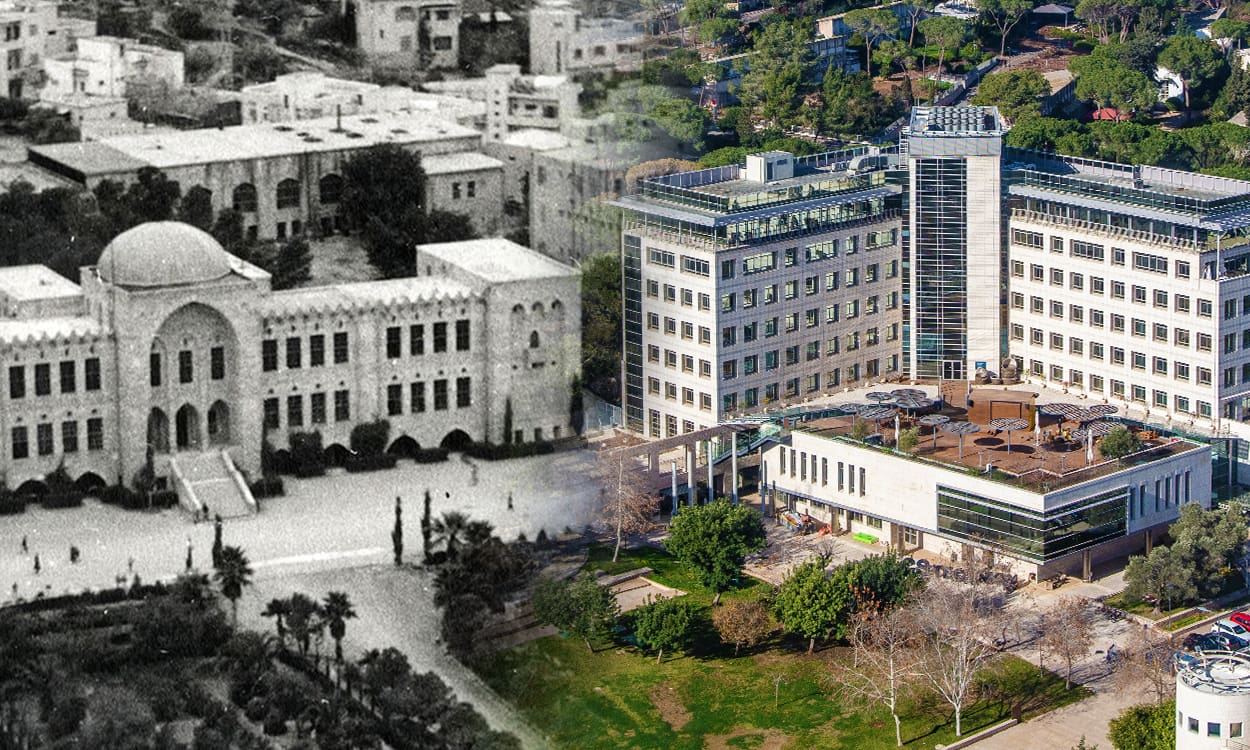
Two Israeli universities rank among the world’s top 10 for the number of undergraduate alumni who founded startups that raised venture capital, according to the latest ranking released by Andreessen Horowitz, also known as a16z, one of the world’s largest and most influential venture capital firms. The ranking, based on data from research firm PitchBook covering the end of 2025 and early 2026, places Tel Aviv University seventh, with about 865 alumni founders who have raised roughly $30 billion. The Technion — Israel Institute of Technology — ranks 10th, with about 783 alumni founders who have raised $23 billion. The…
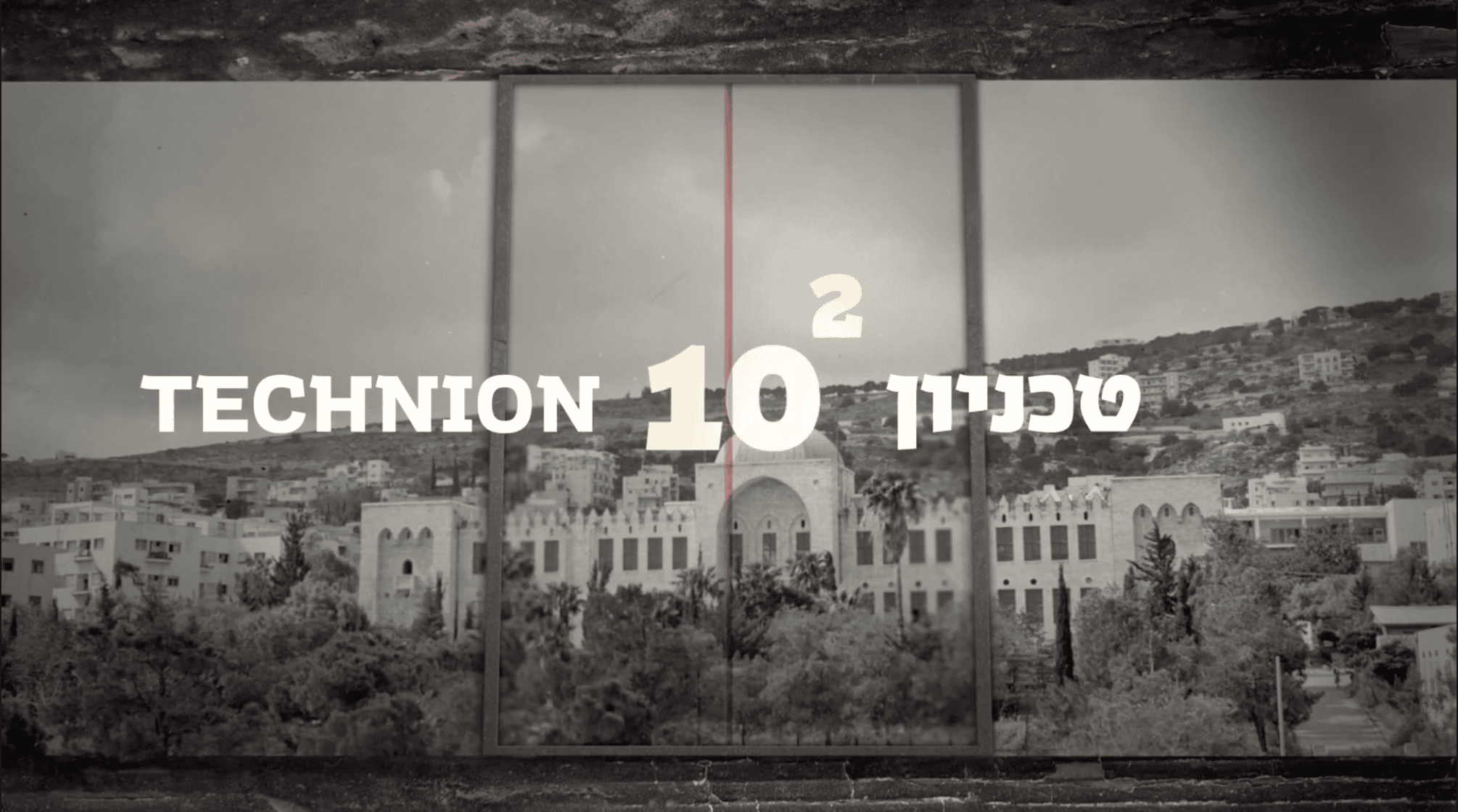
More than a century ago, the future of technological education in Israel was dismissed with quiet certainty: there would never be a need for more than a handful of engineers. History, however, had other plans. The Technion – Israel Institute of Technology began as an audacious idea that was imagined in the corridors of the […]

AI is transforming nearly every aspect of modern life — and the Technion – Israel Institute of Technology stands at the forefront of that change. From breakthrough research to globally influential startups, the Technion has earned international recognition as a leader in AI innovation. That leadership was underscored with the release of Greenfield Partners’ 2025 […]
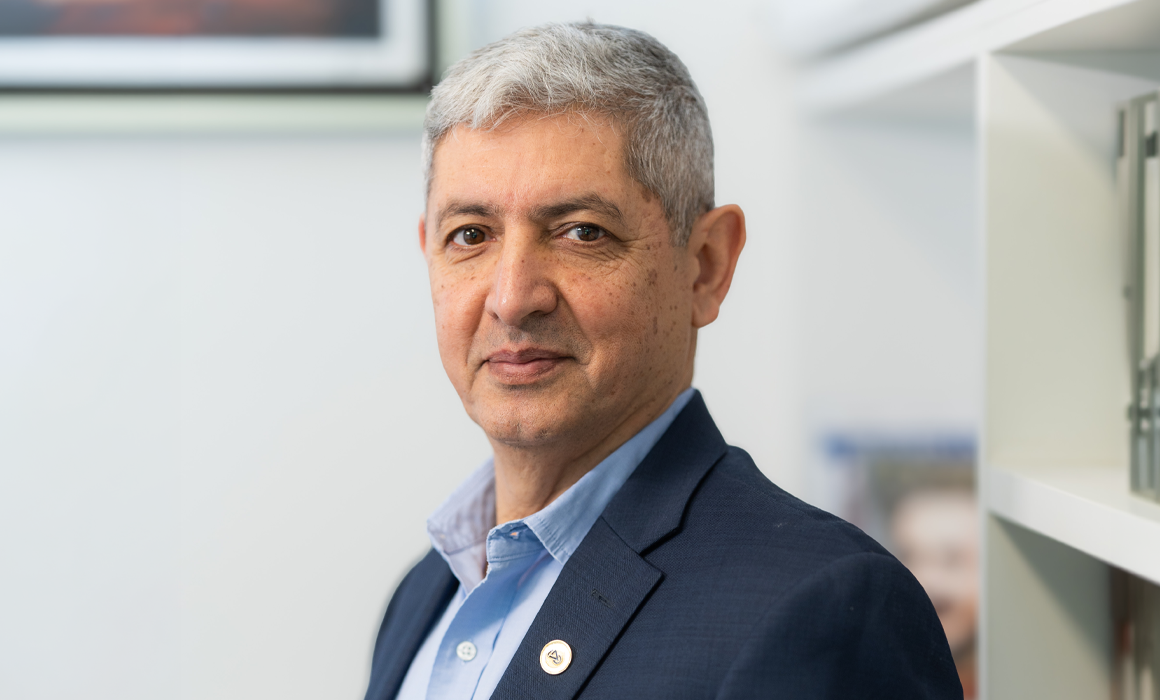
Outside of Israel, headlines rarely portray the country in a positive light. Ambassador Reda Mansour — the Technion’s new senior director of global resource development and a decorated diplomat, poet, historian, and member of Israel’s Druze community — is committed to changing that narrative. Dr. Mansour has spent his career sharing positive stories about Israel, […]
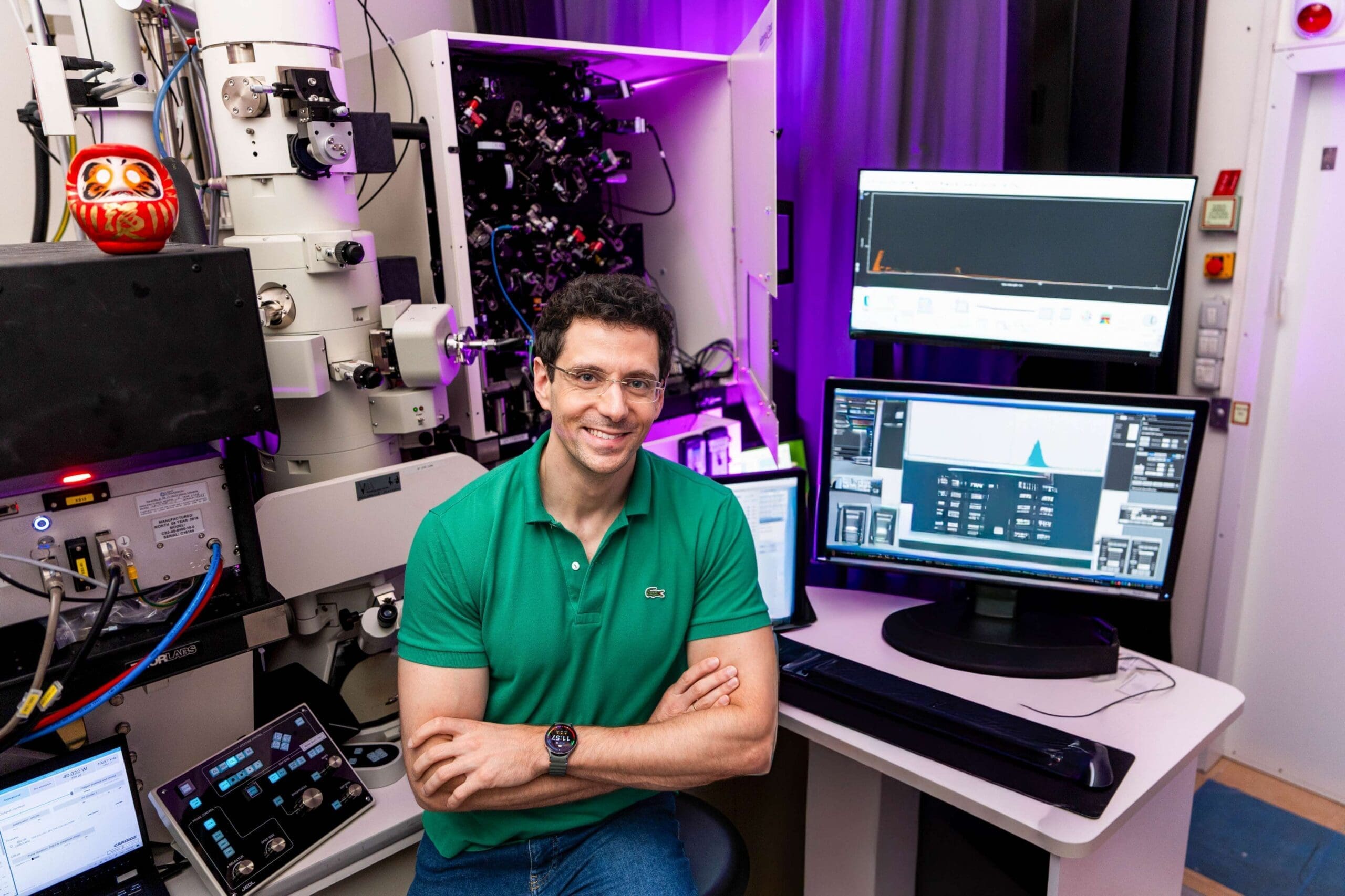
Though invisible to the naked eye, every light wave contains tiny points of complete darkness. For half a century, scientists have theorized that these “dark points” move even faster than the light waves in which they’re formed. Thanks to a group of researchers from the Technion’s Andrew and Erna Viterbi Faculty of Electrical and Computer […]