Shaping the Future of Data Storage With an Eye on the Corner Office
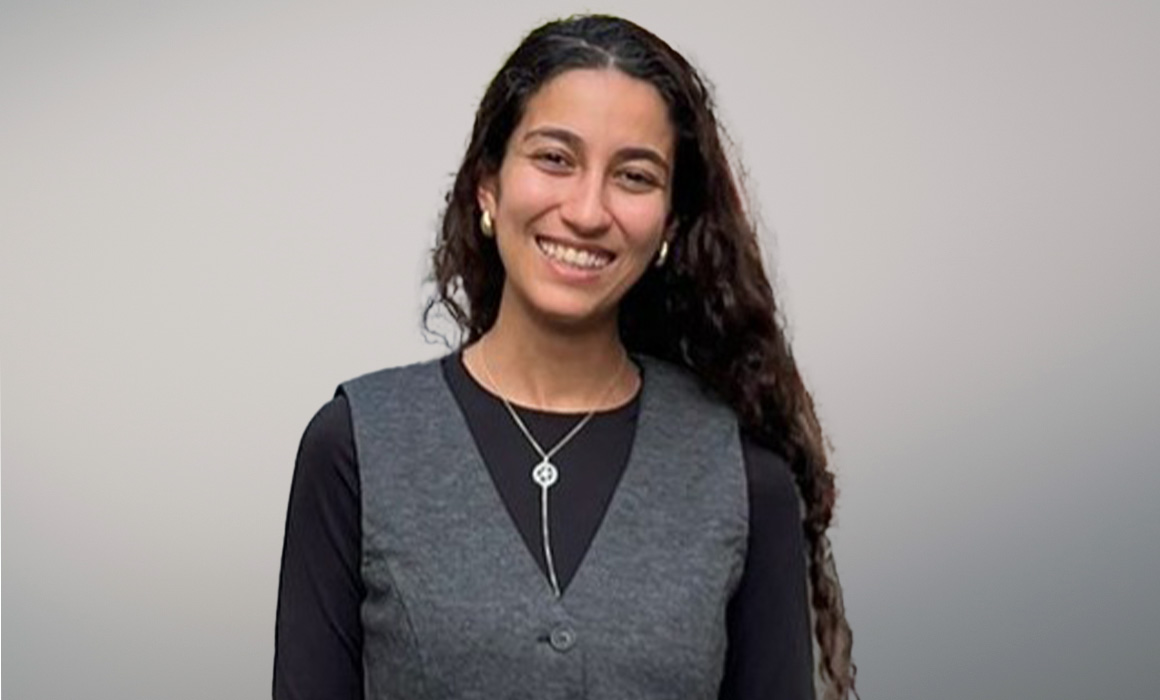
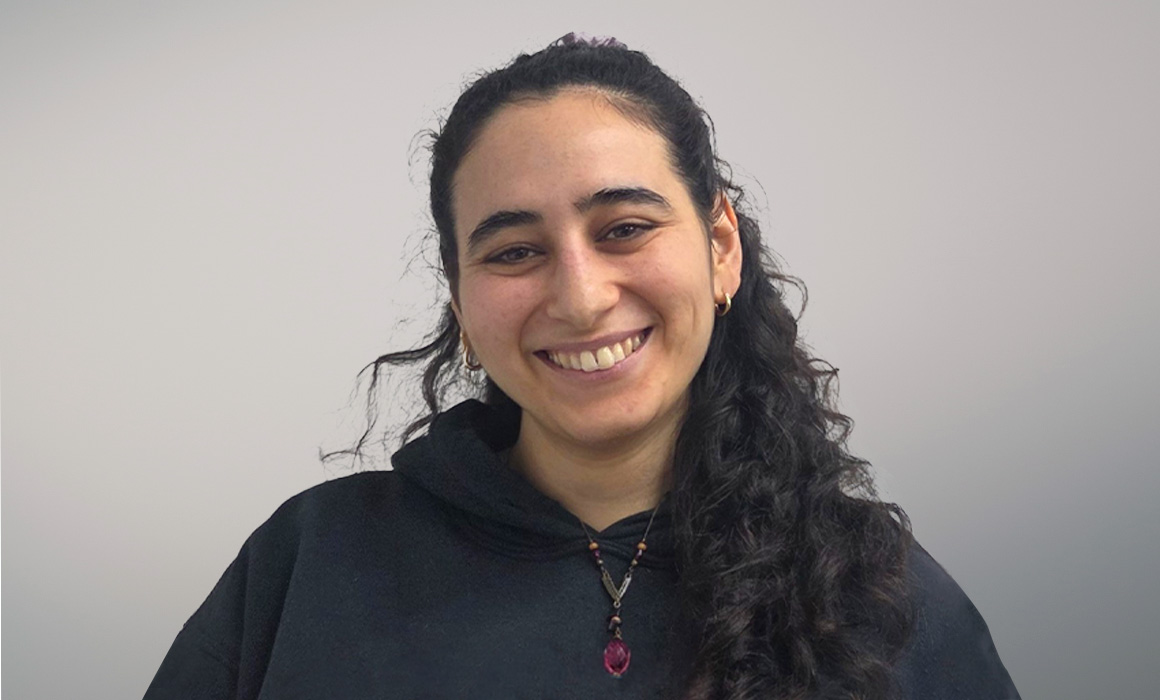
A Personal Narrative by Hadas Abraham
Ever since second grade, I knew I wanted three things: to study computer science, to do that at the Technion, and to one day become the CEO of Google or another major tech company. Today, as a Ph.D. student in The Henry and Marilyn Taub Faculty of Computer Science at the Technion, I’m living the first part of that dream — and building the foundation for the rest.
I thank my late uncle, a fallen IDF soldier, for steering me on to this path. He studied computer engineering at the Technion, and his name is on the University’s memorial wall. I didn’t have the honor of meeting him, but I remember stories about him and knew I wanted to continue his legacy here.
I studied computer science and physics in high school and started my bachelor’s degree at the Technion in 2019. At the end of my first year, I was accepted into the LAPIDIM excellence program in the computer science faculty — one of the University’s leading excellence programs. During the third year of my bachelor’s degree, I began working as a software engineer at NVIDIA. However, I felt compelled to further my education and pursue a master’s degree, which led me to join Prof. Eitan Yaakobi’s research group. Last summer I started my Ph.D. while doing a summer internship as a data science researcher at IBM.
My research focuses on DNA data storage. This is an emerging technology that uses the same molecules found in any living organism, the human body and animals alike, to store digital information. A single tube of DNA can store all of Wikipedia, making it more efficient than traditional data centers, which hold less information, use more energy, and degrade over time. The field is still in its early stages, so the potential impact of my work is especially significant.
In the first year of my master’s degree at the Technion, I was honored to win the “Best Poster Award” in the Oxford Nanopore Conference for my work on DNA sequencing. Prof. Yaakobi plans to use my work to improve the performance of what is known as the “clustering and reconstruction” steps in DNA storage, which will make the results more accurate and efficient. Though my uncle studied at the Technion, I am the first in my immediate family to pursue a degree in higher education (my mom works as a bookkeeper, and my father is a store manager). So I am motivated by each achievement.
In the wake of October 7, nearly 3,000 Technion students pressed pause on their studies when called to active duty. As a Technion teaching assistant, I can truly say that the academic staff and administration made every effort to make students’ return to campus as seamless as possible. We provided subsidized private tutors, recordings of missed lectures, extra exam dates, and more to help close the gap and get students back up to speed.
Looking ahead, I aspire to grow into leadership positions in industry, ultimately serving as a CEO or following the path of countless Technion graduates who have founded their own companies.