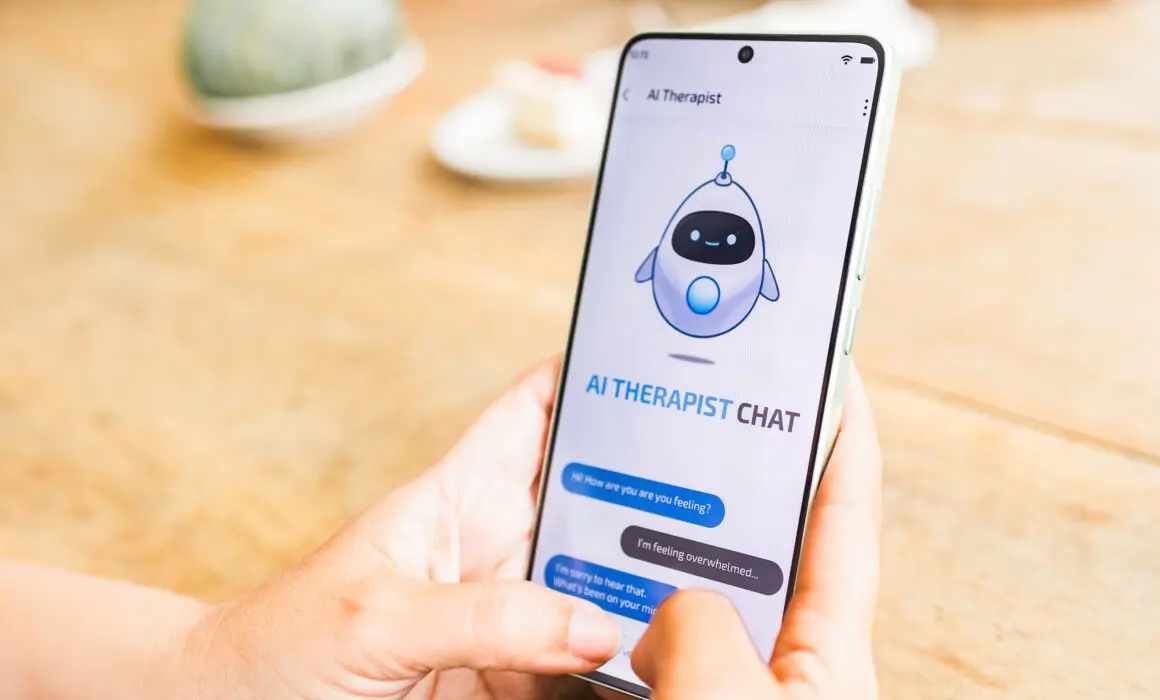
Where AI Meets Medicine
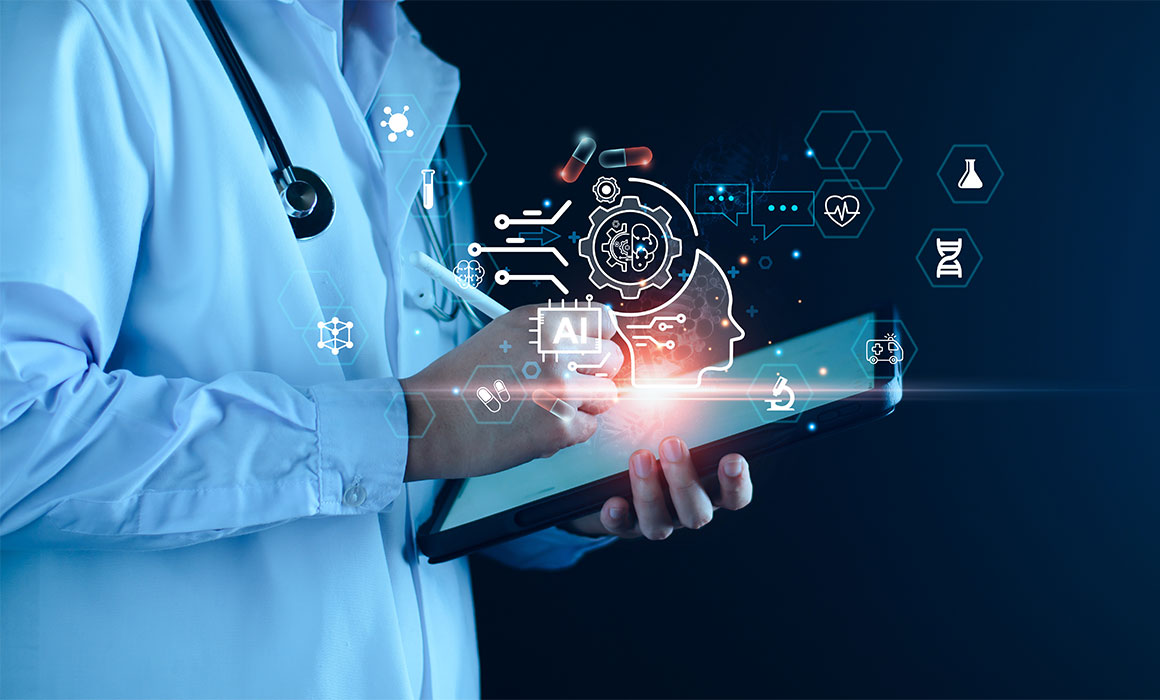
At the Zimin Institute for AI Solutions in Health Care, innovation meets impact. Founded in 2022 through a partnership between the Zimin Foundation and the Technion’s Tech.AI.BioMed arm, the institute supports transformative research that applies artificial intelligence to real-world medical challenges. From diagnostics to drug discovery and patient care, AI is redefining what’s possible in health care. In this special feature, meet four Technion researchers whose groundbreaking projects — backed by Zimin funding — are shaping the future of medicine. With a shared commitment to solving urgent, real-world problems, these scientists are advancing technologies that promise smarter, faster, and more personalized health care for all.
A Novel AI Framework for Cancer Phenotyping and Treatment Planning – Ron Kimmel
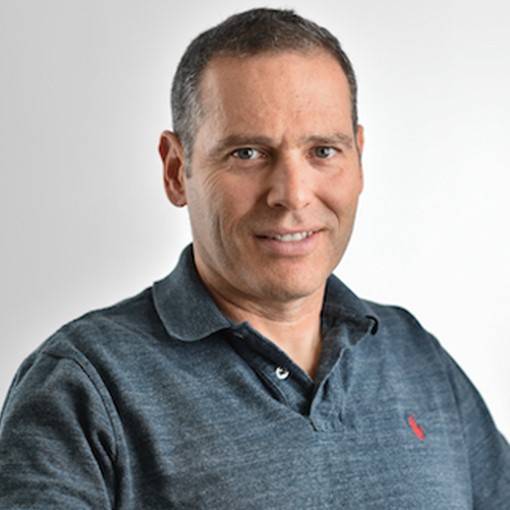
Prof. Ron Kimmel, Henry and Marilyn Taub Faculty of Computer Science
Choosing the right cancer treatment is one of the most critical and complex decisions in modern medicine. While advanced lab tests can help guide therapy, they are often expensive, limited in accuracy, and not universally available. Professor Ron Kimmel’s team is addressing this challenge with an innovative artificial intelligence (AI) system that can predict a patient’s response to treatments, like chemotherapy, hormone therapy, and immunotherapy, by analyzing standard pathology slides that are already part of routine cancer care. This technology has shown impressive results in analysing clinical samples, outperforming traditional methods in identifying patients likely to benefit from specific therapies. By making personalized cancer treatment faster, more accurate, and widely accessible, the project holds great promise for improving patient outcomes and reducing unnecessary treatments.
Harnessing AI to predict omics signature out of histological data to improve biopsy-based diagnostics and prognosis – Yoni Savir
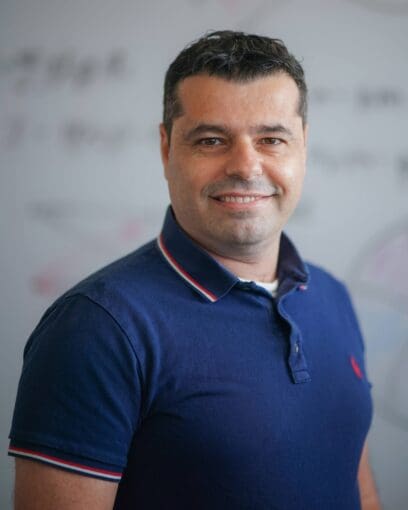
Prof. Yonatan (Yoni) Savir, Ruth and Bruce Rappaport Faculty of Medicine
Diagnosing complex diseases like cancer or chronic inflammation often requires multiple costly and time-consuming lab tests. Prof. Yonatan Savir’s research is working to change that by combining AI-powered image analysis with cutting-edge molecular data, what’s known as “multi-omics”. His system can analyze digital pathology images from biopsies and predict molecular markers that usually require separate lab procedures. One promising application is a model to detect and evaluate Eosinophilic Esophagitis (EoE), a chronic inflammatory disease, with high accuracy. The research is also extending to cancer, aiming to predict how patients will respond to treatment such as chemotherapy or immunotherapy. Ultimately, this technology could streamline diagnostics, reduce costs, improve precision, and personalize care for patients, while also offering powerful tools for pharmaceutical development and clinical trials.
AI-Powered Motion Correction for Cardiac T1 Mapping in Free-Breathing MRI – Moti Freiman
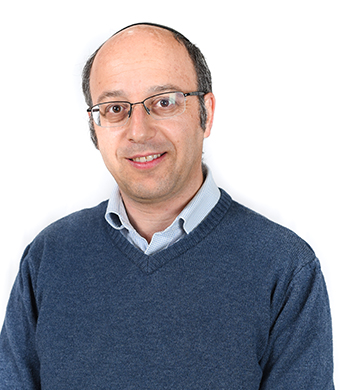
Prof. Moti Freiman, Faculty of Biomedical Engineering
Cardiac MRI is one of the best tools for diagnosing heart conditions like fibrosis or inflammation, but it often requires patients to hold their breath during the scan to avoid blurry images. This can be difficult or impossible for young children, elderly patients, or people with respiratory problems, including many recovering from COVID-19. Prof. Moti Freiman’s project introduces a cutting-edge AI solution that corrects motion during heart MRI scans, allowing for high-quality imaging even when the patient is breathing freely. This technology, called MBSS-T1, uses artificial intelligence to automatically adjust for movement and generate clear, accurate maps of heart tissue. It holds the potential to improve early diagnosis of heart disease, expand access to advanced imaging for vulnerable populations, and reduce scan failures. The system is being designed for easy integration into existing MRI machines and may soon be available as both a built-in tool and a cloud-based service for hospitals and clinics worldwide.
AI-Driven Analysis of Heartbeat Interval Dynamics for Atrial Fibrillation Screening in Sinus Rhythm – Yael Yaniv
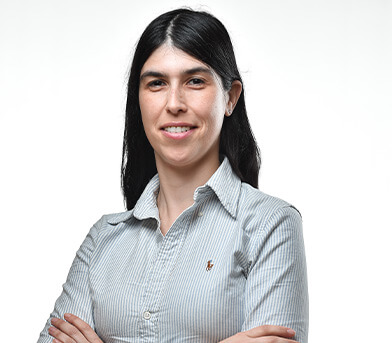
Prof. Yael Yaniv, Faculty of Biomedical Engineering
Atrial fibrillation (AF) is a common heart rhythm disorder that can lead to serious complications like stroke, but it often goes undiagnosed because it doesn’t always show symptoms. Prof. Yael Yaniv and her team are developing an innovative method to detect early signs of AF using data from smartwatches. Instead of relying on expensive, hospital-based equipment and 24-hour monitoring, their AI-powered approach analyzes natural heartbeat patterns while the heart appears to beat normally. By using advanced algorithms, the system can detect subtle signs of AF from just a few hours of wearable data. This could make AF screening more accessible, faster, and far more affordable, helping millions of at-risk individuals get diagnosed earlier and prevent life-threatening complications.