
It’s not just humans – plants get stressed too. And like the rest of us, when they get stressed they tend to “shut down” and simply not produce.
The most common kind, abiotic stress, is from intense heat or cold, prolonged dry spells or unhealthy levels of salinity due to rising sea levels and the intrusion of seawater into agricultural fields.
How bad is it? More than 830 million hectares of agricultural land is now overly salty. Heat stress is expected to threaten nearly three-quarters of the world’s food production over the next 20 years, according to the research group Verisk Maplecroft.
Abiotic stress is estimated to be responsible for a 30% to 50% loss of agricultural productivity worldwide, resulting in an annual loss of $170 billion in revenue.
Keep reading at israel21c.org.
SaliCrop Co-founder and Chairman of the Board Sharon Devir is a Technion alum.
More Protecting Our Planet stories
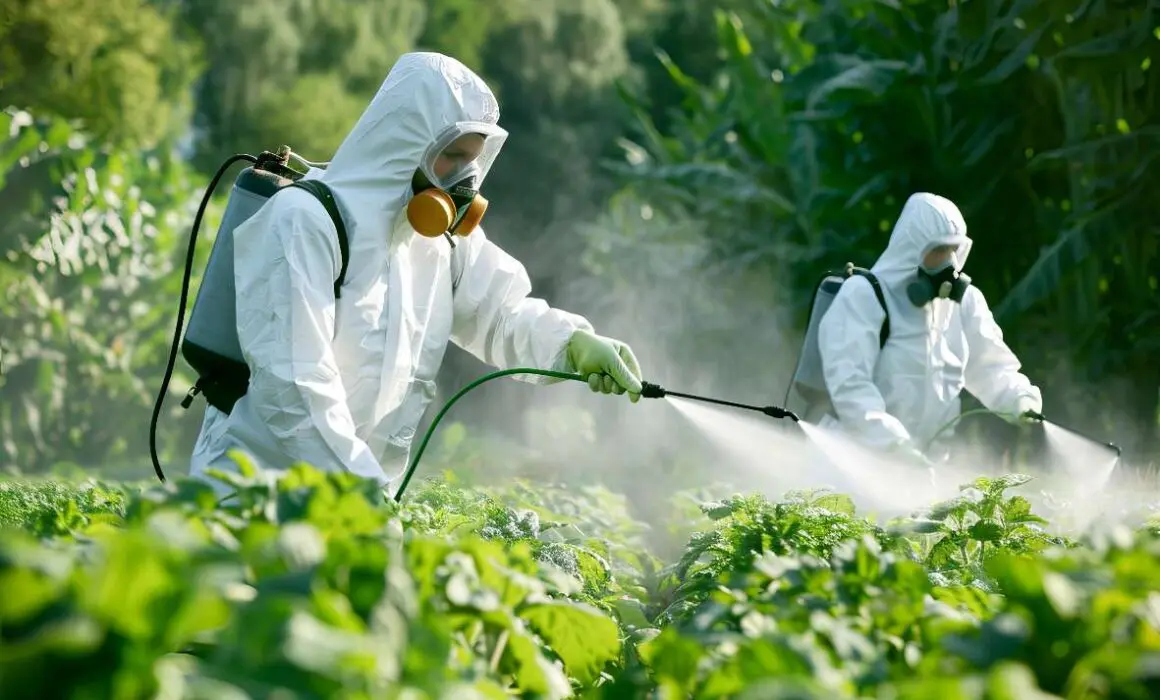
Technion Scientists Create Method to Reduce Pesticide Use 50%