Something Fresh in the State of Denmark
October 06, 2026


























The Technion’s story has been intertwined with Israel’s for more than a century, from laying the foundations for a new nation to shaping its future.

Step inside Israeli innovation at the David and Janet Polak Visitors Center. Experience our 360° immersive movie and tech exhibition. Open to individuals and groups.
Learn More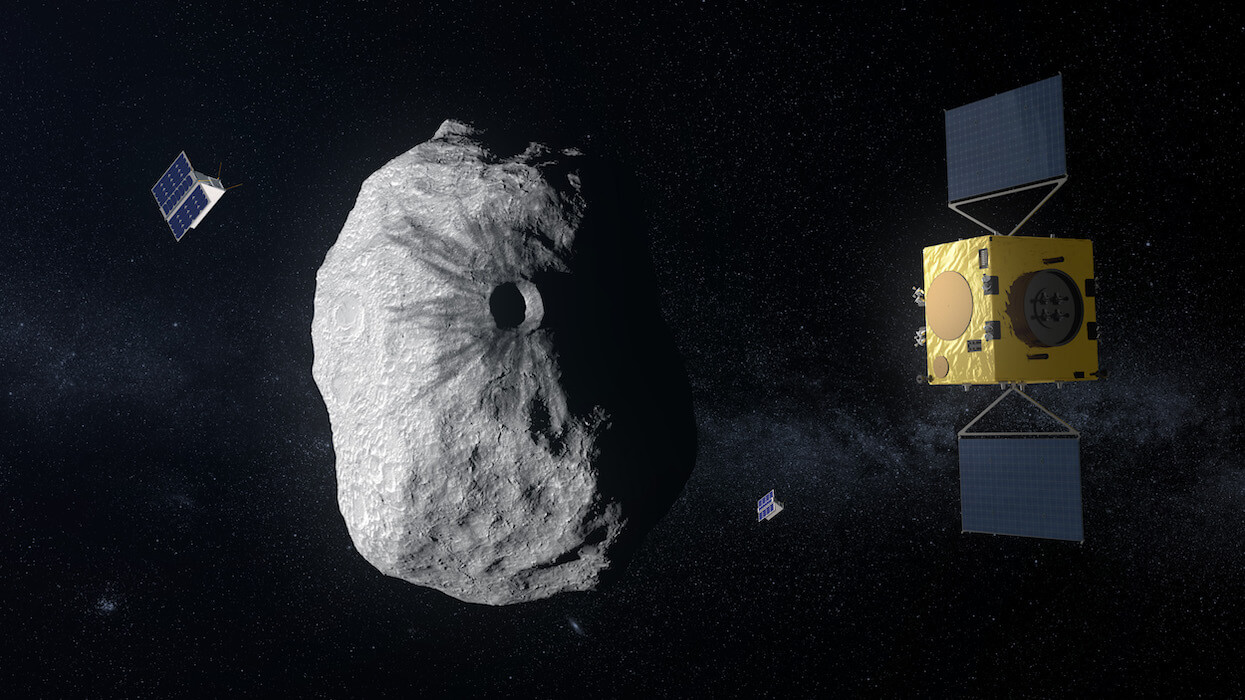
Ever since scientists embraced the evidenced-backed theory that an asteroid impact on Earth caused the extinction of dinosaurs, researchers, sci-fi enthusiasts, and ordinary citizens have been concerned about it happening again. This possibility has been depicted in various dystopian films, books, and TV series, including “Don’t Look Up,” “Deep Impact,” and Amazon Prime’s hit TV show, “Expanse.” In reality, the phenomenon remains a tangible threat that experts are studying worldwide.
And now Technion researchers are participating in the Hera project (opens in a new tab), led by the European Space Agency (ESA), which marks the first attempt in history to divert an asteroid from its course. Dr. Uri Malamud from the Technion’s Faculty of Physics is part of the international team responsible for conducting collision simulations. He and Professor Hagai Perets, an expert in solar system bodies also from the Faculty of Physics, received a grant from the Israeli Ministry of Science, Technology, and Space to enhance Israel’s participation in the mission as principal investigators.
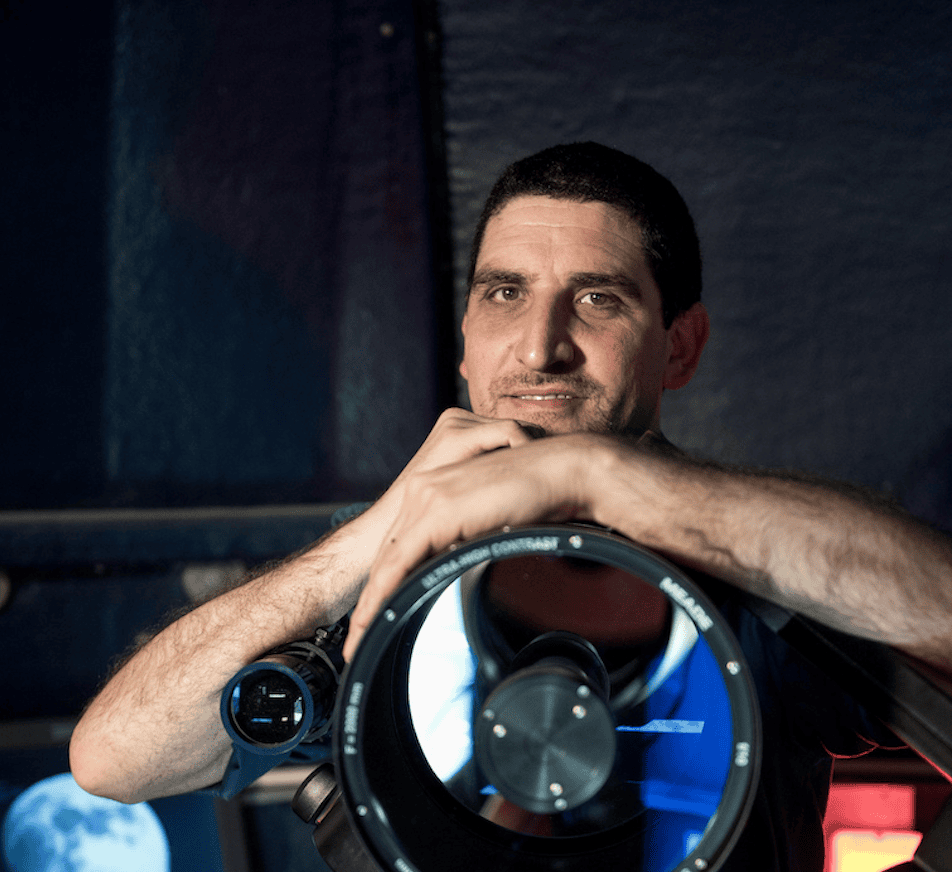
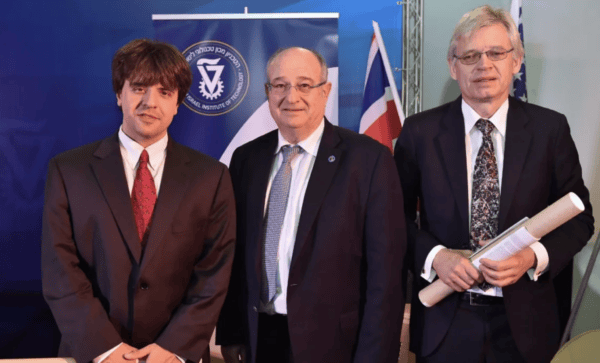
Prof. Hagai Perets
To develop asteroid-collision mitigation strategies, two specialized space missions have emerged: the NASA DART (Double Asteroid Redirection Test) and the European Hera, named after the Greek goddess of marriage. On the international level, these missions combine efforts under the joint Asteroid Impact Deflection Assessment (AIDA) mission.
DART was a first-ever space mission dedicated to investigating and demonstrating one method of asteroid deflection by changing an asteroid’s motion in space through kinetic impact. The spacecraft successfully collided with a pyramid-sized asteroid in 2022. “Hera will follow-up with a detailed post-impact survey that will turn this grand-scale experiment into a well-understood and repeatable planetary defense technique,” according to ESA’s website.
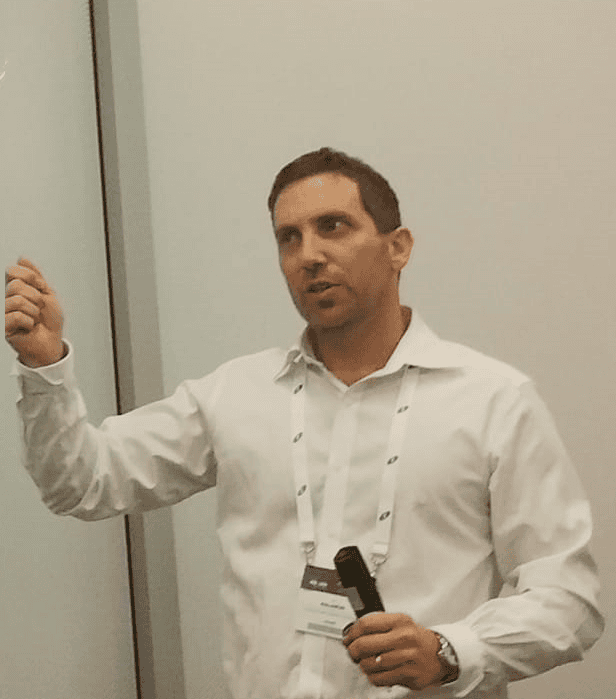
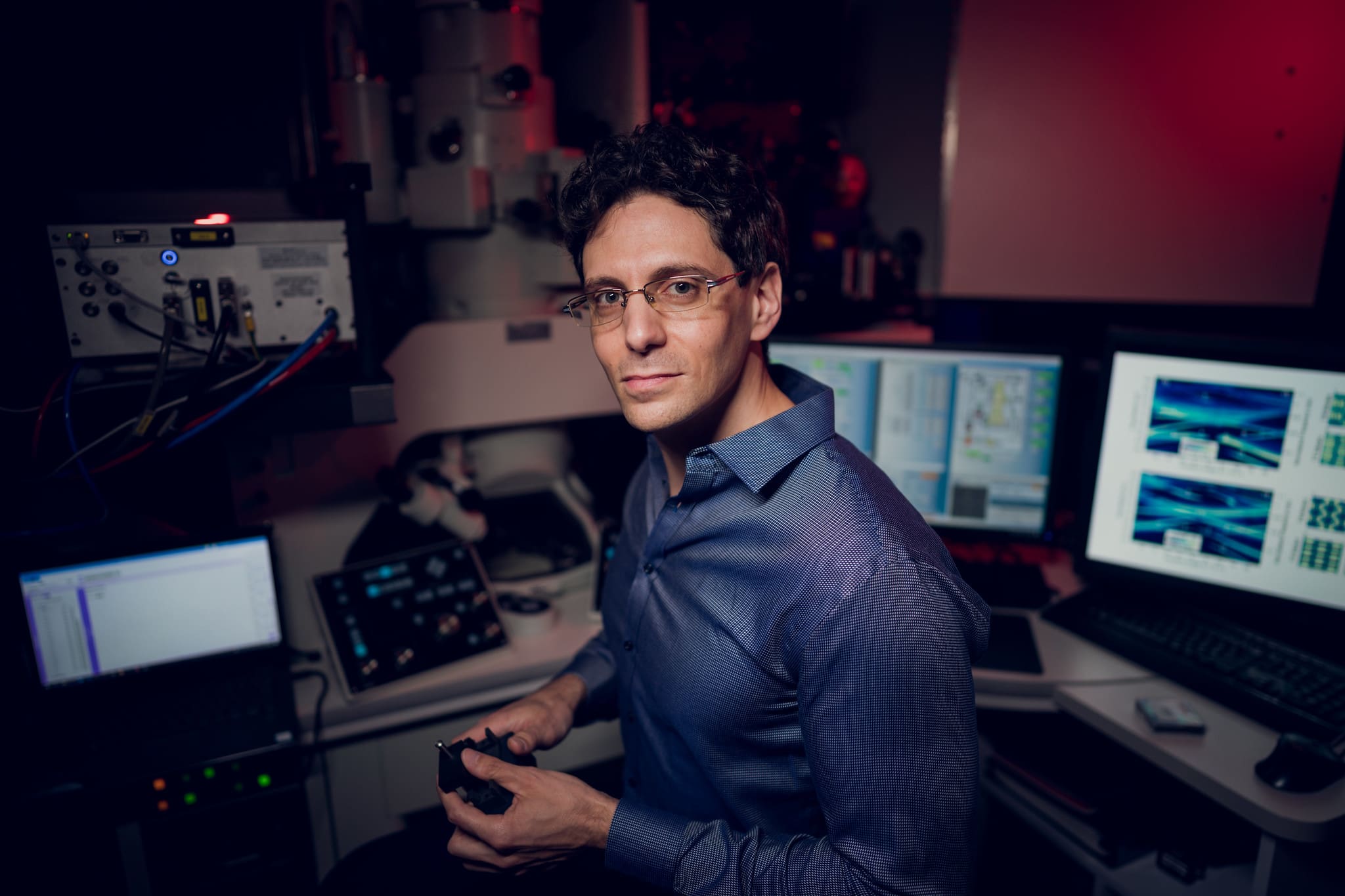
Dr. Uri Malamud
The Israeli team used advanced theoretical methods to simulate the collision between the DART spacecraft and the asteroid. In collaboration with two groups from Germany, the researchers conducted cutting-edge measurements using a specially developed system. The resulting measurements led to the formulation of a new and precise compression curve, enhancing the accuracy of simulations of collisions between spacecraft and asteroids.
“Besides posing a genuine threat to civilization, small bodies in the solar system also play a crucial role in planetary science,” explained Dr. Malamud. “They provide clues to the early formation of the solar system as well as to questions concerning the presence of water and various organic compounds necessary for the development of life. In addition, asteroids and comets also have commercial potential that may affect the future of humanity.”
Top image: Hera in orbit. Credit: ESA Science Office