Something Fresh in the State of Denmark
October 06, 2026




























The Technion’s story has been intertwined with Israel’s for more than a century, from laying the foundations for a new nation to shaping its future.

Step inside Israeli innovation at the David and Janet Polak Visitors Center. Experience our 360° immersive movie and tech exhibition. Open to individuals and groups.
Learn MoreRecommendations for Israel’s Defense
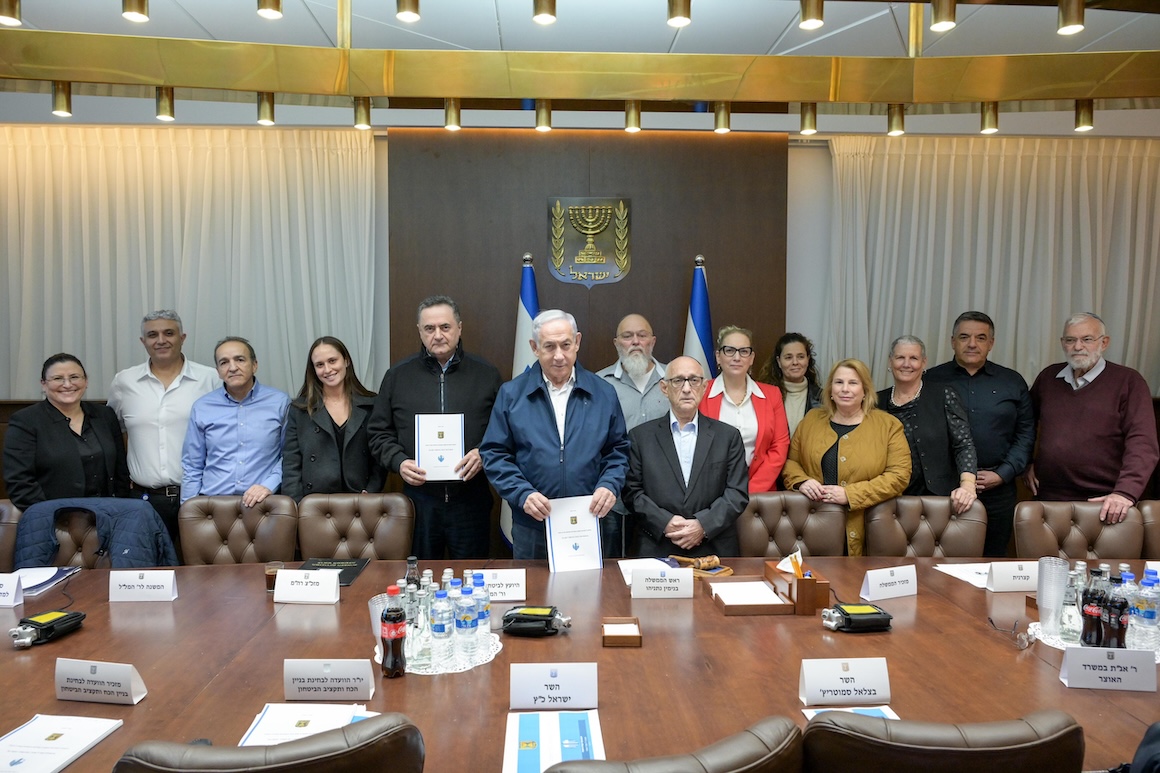
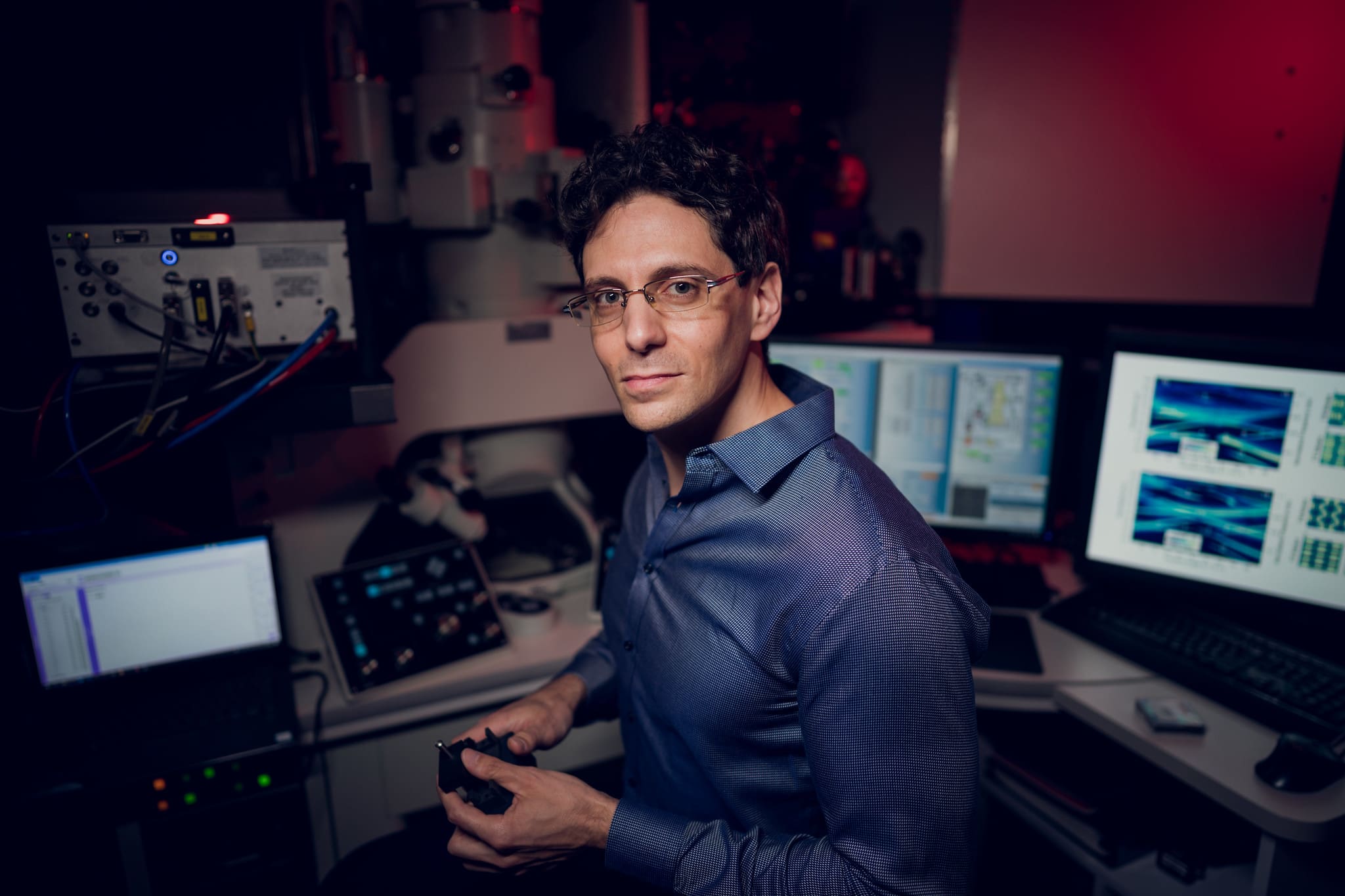
Jacob Nagel, a brigadier general who still serves about 80 days a year in the reserves, is one of Israel’s foremost security experts and has served as acting national security adviser. He is also a Technion alum and visiting professor who heads the Technion’s Advanced Defense Research Institute and is a senior fellow at the Foundation for Defense of Democracies, a nonpartisan research institute based in Washington, D.C.
In August 2024, Prof. Nagel was asked by Prime Minister Benjamin Netanyahu to make recommendations for Israel’s security strategy and budget for the next decade. He formed a committee comprised of 12 experts and former high-ranking defense officials. The 130-page “Nagel Committee Report” (opens in a new tab) was presented to the prime minister, defense minister, and treasury minister on January 6, 2025. All but 20 pages have been made public. American Technion Society (ATS) staff recently met with Prof. Nagel to discuss the committee’s key findings and the Technion’s role in their implementation.
ATS: Prof. Nagel, news reports about the committee’s report highlight two main points: First, Israel must be able to defend itself independently, and second, the Israel Defense Forces (IDF) must shift from a defensive posture to a more proactive and preemptive attack strategy. Is that accurate?
Jacob Nagel: That is partially accurate, because there’s much more to the report. When we presented it, I emphasized that while these two points are among the top five, the report includes over 80 recommendations covering a wide range of issues, including military preparedness, defense technology, manpower, and national security strategy.
One of the central themes is that Iran remains the primary threat to Israel. A significant portion of the defense budget must be allocated toward force buildup and preparedness for an inevitable confrontation with Iran. This includes investing in advanced weapons systems, intelligence capabilities, and cyber warfare. Another crucial shift is our transition from a strategy of containment and defense to one of offense and prevention. Preemptive attacks and proactive operations must be part of our military doctrine moving forward.
We also identified manpower as a critical challenge. The strength of the IDF is built not just on weapon systems but on human capital. The IDF faces a growing crisis in retaining top talent, and our recommendations focus on ensuring the best and brightest stay within the system. This requires enhancing career incentives, improving technological education, and fostering a stronger link among academia, the defense industry, and the military.
Regional Threats and Changes in Strategy
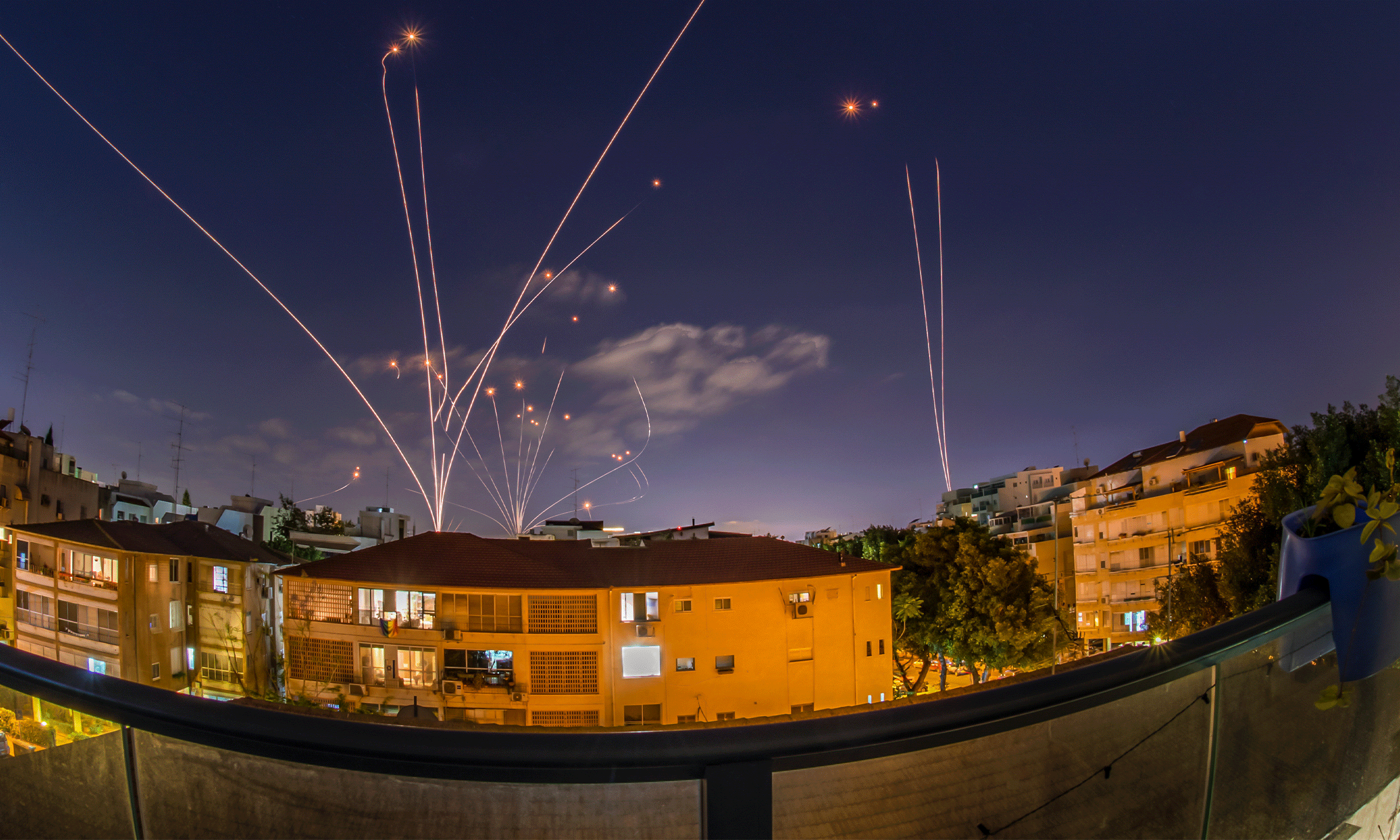
J.N.: Beyond Iran, we need to reassess our entire defense posture. We must ensure our capability to attack deep into enemy territory and enhance our missile defense systems. Additionally, we must adapt our ground forces and maneuverability to counter evolving threats. One of the key aspects of our recommendations is ensuring that Israel can independently produce critical defense weapon systems so that we are not dependent on foreign suppliers.
ATS: Some news reports claim your committee recommended preparing for potential conflict with Turkey. Can you clarify?
J.N.: They blew it out of proportion. Our report discussed the evolving regional landscape and emphasized that Israel must monitor and prepare for geopolitical shifts. For example, Turkey’s increasing presence in Syria is something we must pay attention to, but we never recommended initiating conflict with Turkey.
On April 8, the American Technion Society held a virtual security briefing with Brigadier General (res.) Jacob Nagel, Israel’s former national security adviser, who was tasked by Prime Minister Netanyahu to develop a defense strategy for the next decade. Brig. Gen. Prof. Nagel is also the head of the Technion’s Advanced Defense Research Institute where he coordinates between the University, IDF, and Israeli defense industry to promote high-value defense technology development.

ATS: And what about Syria?
J.N.: The situation in Syria remains complex. The new administration, while not directly aligned with Iran, is still a volatile entity, originated from a terror organization. They understand that if they want to be recognized globally and stabilize their country, they must distance themselves from Iran’s influence. However, we cannot assume they will automatically become a reliable partner. We must remain cautious and watch their actions closely. Respect should be given based on behavior, not rhetoric.
At the same time, the Syrian military has been severely weakened, and their ability to threaten Israel directly is very limited. But we cannot let our guard down. We must ensure that terrorist organizations do not exploit the power vacuum to establish stronger footholds near our borders. Israel’s approach will be one of vigilance and readiness to act if necessary.
ATS: What is the current status of Hamas and Hezbollah? Can they be eradicated, or will they be replaced by other threats?
J.N.: Hamas, as a military organization, has been largely dismantled. We have taken out 23 of 24 battalions. The only reason one remains is because it is believed that’s where most of the hostages are. However, Gaza still harbors thousands of terrorists and eradicating them will take years. The shift in our strategy is that we will no longer wait for threats to materialize — we will act preemptively. One other recommendation is for Israel to build underground infrastructure to protect our infrastructure and main systems.
Hezbollah poses a greater challenge. Their forces are better equipped. Even after the severe hit from Israel they salvaged around a third of their 200,000 missiles. That’s why our approach in the ceasefire in Lebanon differs. We maintain a presence and act immediately against imminent threats, without waiting for approval.
Technological Innovation and the Role of the Technion
ATS: You mentioned a need for underground infrastructure. What does that entail?
J.N.: This involves both civilian and military infrastructure. In the wake of World War II, many cities — like New York — expanded underground to provide shelters and secure facilities. Israel must do the same. Our enemies have built extensive tunnel networks in Gaza and Lebanon; we must develop underground command centers, production and storage facilities, and shelters to maintain operational continuity during attacks.
This effort requires a long-term investment of billions of shekels and will take years to implement, but we have already begun. The Technion plays an essential role in this by developing the necessary engineering solutions, structural reinforcements, and underground defense technologies.
Researchers at the Technion are working on innovative methods to detect, neutralize, and even counter enemy tunnels utilizing advanced robotics, AI-driven mapping, and detection technologies. These efforts ensure that Israel remains ahead in underground warfare capabilities and military resilience.
ATS: How else will the Technion contribute to defense strategies?
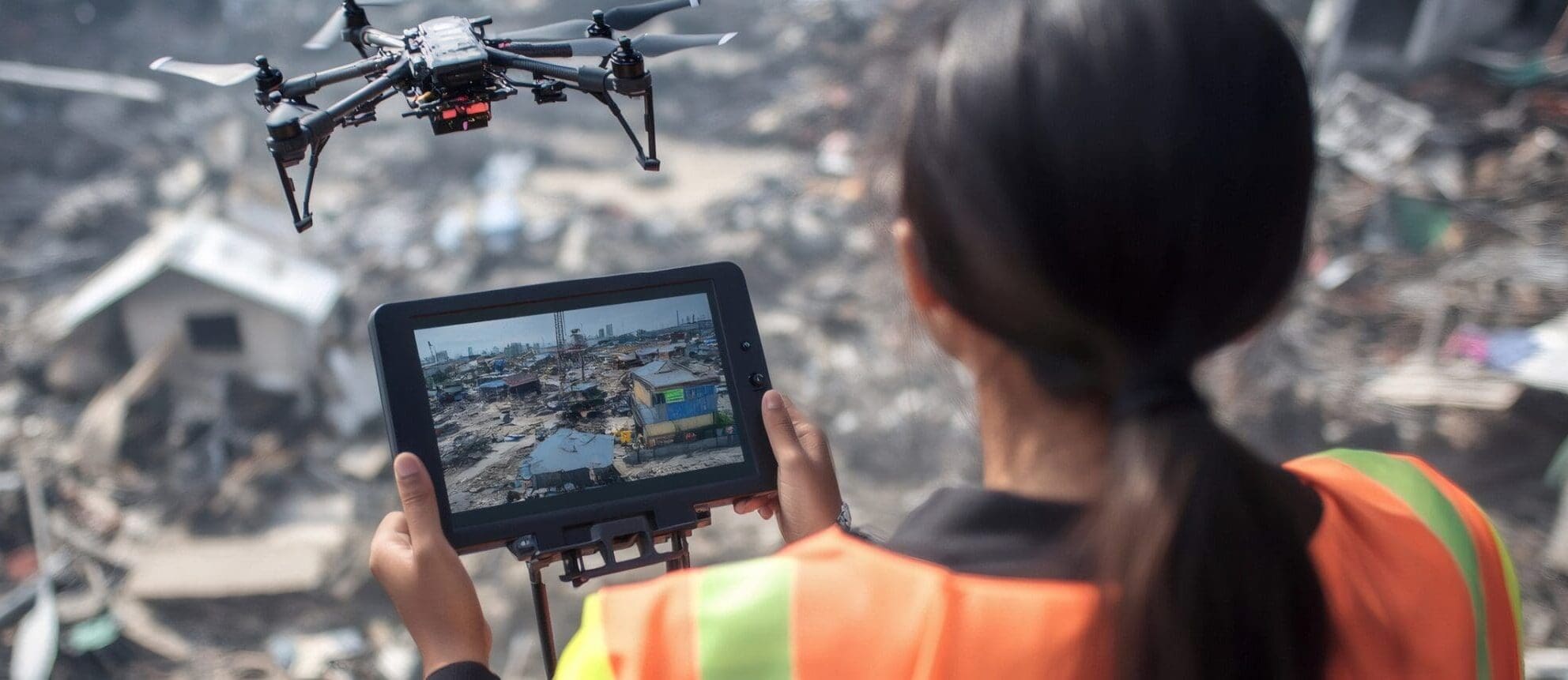
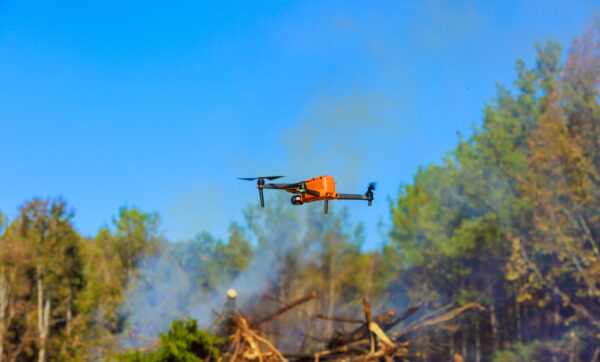
J.N.: The Technion plays a vital role in technological education and research. Our expertise in aerospace engineering is unique and critical to the development of next-generation UAVs [unmanned aerial vehicles], hypersonic missiles, and directed-energy weapons, and the new Center for High-Speed Flight will contribute to advancements in capabilities, autonomous systems, and advanced propulsion technologies. The research conducted here lays the foundation for future aerial combat and surveillance capabilities. Additionally, the Technion is working on AI-driven decision-making, quantum computing, and space technologies — all of which will define the future of warfare.
ATS: The Technion is launching a high-performance computing center. Will it also play a role in Israel’s security?
J.N.: High-performance computing is crucial for simulations, data analysis, and AI applications. The Technion’s work in this field supports various defense and civilian projects by enabling more sophisticated computational capabilities. Our advancements in quantum computing, AI, and deep learning are vital for the next generation of defense systems.
Additionally, one of my roles at the Technion is to bridge the gap between academia and the defense industry and defense forces. Often, researchers have groundbreaking ideas but don’t know that they could apply to national security. Conversely, the defense establishment has needs but doesn’t always know that solutions and ideas already exist in academia. My center [the Advanced Defense Research Institute] helps connect these dots.
During the war, we rapidly turned academic concepts into operational solutions for the battlefield, demonstrating the power of collaboration between academia and the military. This includes advancements in swarm drone technology, cyber defense, and battlefield robotics.

The Hypocrisy of BDS
ATS: What do you say to supporters of the Boycott, Divestment, and Sanctions (BDS) movement who claim the Technion is some sort of arm for the military?
J.N.: It’s important to highlight that universities worldwide play a similar role in developing research that ultimately benefits their nations’ defense industries. This is not unique to the Technion or Israel. The United States, for example, has academic institutions like MIT, Stanford, Purdue, and many more that conduct dual-use defense-related research and collaborate with military and civilian entities. The idea that the Technion is a military arm is a complete misrepresentation. The BDS movement, which attempts to delegitimize Israeli institutions, ignores the fact that many American universities engage in similar kinds of research and partnerships. This double standard is not only hypocritical but also intellectually dishonest.
Final Thoughts
ATS: Any final words on the report and Israel’s defense future?
J.N.: Our report is about ensuring Israel’s security for the next decade and beyond. We need strategic, technological, and manpower investments to remain ahead of our adversaries. The collaboration among academia, industry, and the defense establishment is crucial to this mission.
At the end of the day, it’s all about protecting Israel and ensuring our forces have the tools they need to succeed. The Technion will continue to be a cornerstone of these efforts by developing technological innovations that will make Israel stronger and keep it safe.