Something Fresh in the State of Denmark
October 06, 2026


























The Technion’s story has been intertwined with Israel’s for more than a century, from laying the foundations for a new nation to shaping its future.

Step inside Israeli innovation at the David and Janet Polak Visitors Center. Experience our 360° immersive movie and tech exhibition. Open to individuals and groups.
Learn More
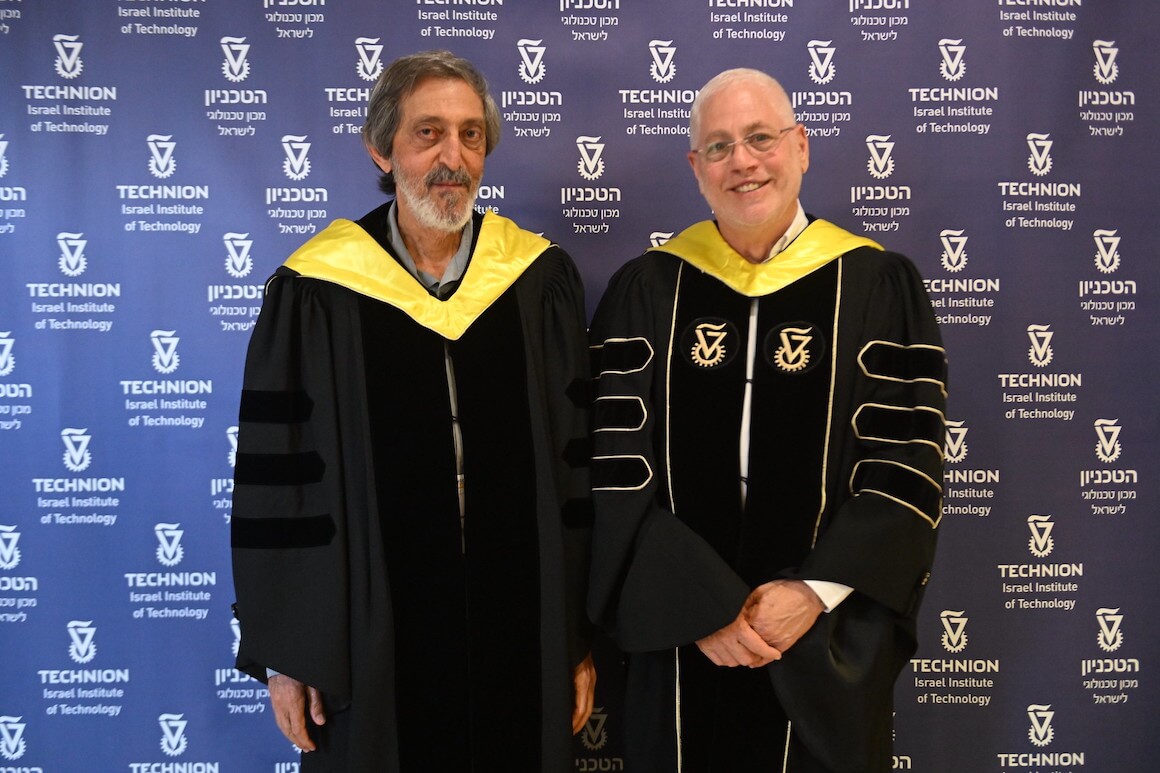
For more than 40 years, Avi Wigderson has studied problems. But as a computational complexity theorist, he doesn’t necessarily care about the answers to these problems. He often just wants to know if they’re solvable or not, and how to tell. “The situation is ridiculous,” said Wigderson, a computer scientist at the Institute for Advanced Study in Princeton, New Jersey. No matter how hard a question seems, an efficient way to answer it could be hiding just out of reach. “As far as we know, for every problem that we face and try to solve, we can’t rule out that…

No idea is too big in Start-Up Nation, and resilience and motivation are what make Israel’s bustling tech economy so successful. I recently had the pleasure of speaking with Omer Schneider, former CEO and co-founder of cybersecurity company CyberX, about his time at the Technion and how he took his big idea all the way to an acquisition deal with the largest tech company in the world. His dedication to his work in every stage of life gave him the confidence to believe in himself and make an impact on millions of people throughout his career. Omer’s story is also…

Stav Cohen is a Ph.D. candidate in the Technion’s Faculty of Data and Decision Sciences. He is researching generative artificial intelligence (GenAI) methodologies, with a specific emphasis on security and operational aspects. He recently discovered, or rather created, a potential threat to GenAI systems. GenAI uses artificial intelligence to create unique content, including audio, […]
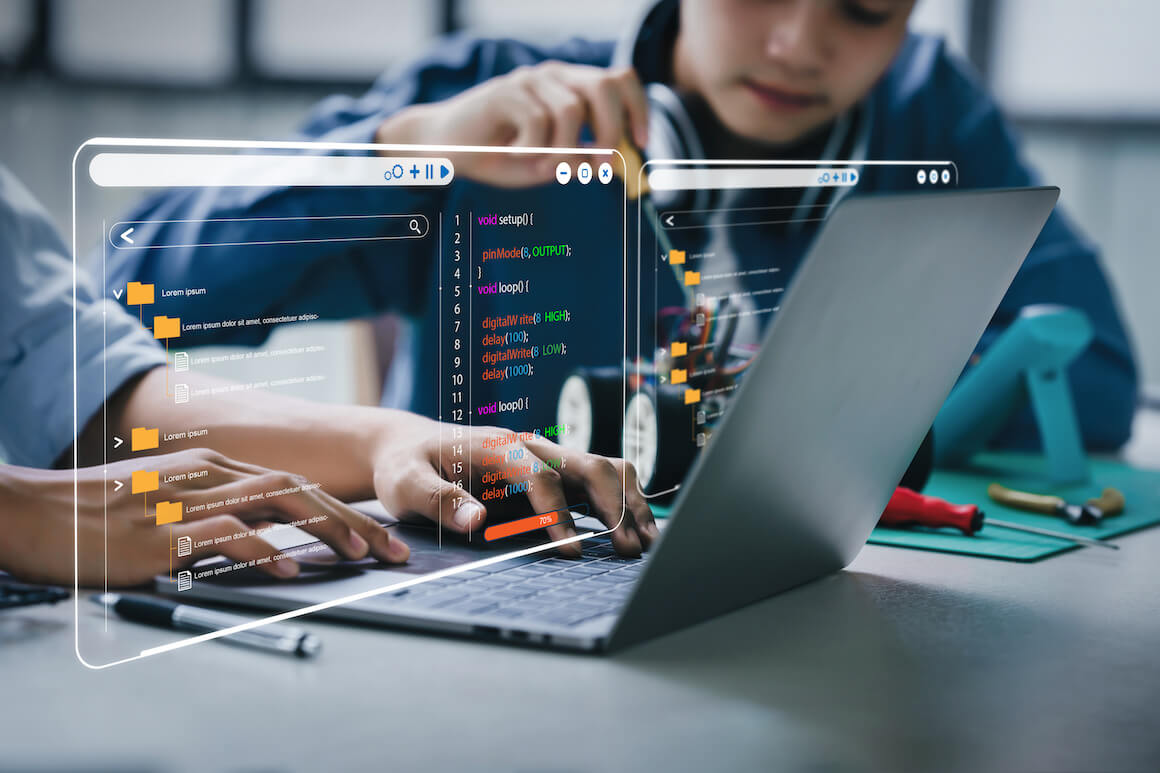
Programs, apps and websites are all built using code that tells a computer, phone or other device what to do and how to do it. Actually creating that code is a tricky and complicated process, where even the smallest error can cause entire platforms to fail. Finding a mistake in rows of letters and numbers can be even harder and is extremely time consuming. In fact, software developers can spend up to 50 percent of their working hours testing and debugging code, according to well-respected trade magazine ACM Queue. But now an Israeli company has developed an AI “team member”…

The city that never sleeps is also, it seems, unable to take down scaffolding. New Yorkers have grown so sick of the ugly structures, and the accompanying ground-level cages in place to protect and divert pedestrians, that Eric Adams, the mayor, last year launched a campaign to clear them from the streets. Now computer scientists in the city have made a hit list of possible targets. Using ai to sift through thousands of hours of dashcam footage, the researchers identified some 5,000 scaffolding sites across all five boroughs, of which 500 were found to have no permit. “This city is the best…

Israeli AI-assisted colonoscopy technology has been given the seal of approval from the internationally respected Lancet Digital Health journal, following an extensive study of its capabilities. The novel polyp detection system developed by Haifa-based MAGENTIQ-EYE was studied by the Lancet over a 14-month period at 10 leading medical centers around the world, involving 31 endoscopists and 952 patients. The study, titled “A computer-aided polyp detection system in screening and surveillance colonoscopy: an international, multicentre, randomised, tandem trial,” found that the MAGNETIQ-EYE platform increases the average detection rate for adenoma (non-cancerous or pre-cancerous tumors) by 7 percent, and had a 17-percent lower rate of missed…

Israeli startup Wearable Devices is collaborating with US-based Qualcomm Technologies to integrate its touchless control solution into the latter’s development platform. The Mudra Band – an AI-powered wristband created by Wearable Devices – can be paired to any device via Bluetooth, and uses a combination of unique sensors and artificial intelligence to support touchless control of the Apple Watch. Users can toggle and switch between connected devices, including Mac computers, Apple TVs, smart glasses, and various mobile gaming systems. Mudra will be integrated into Qualcomm’s Snapdragon Spaces XR Developer Platform, which allows developers to create applications for devices that use virtual and augmented reality…

Emma Pierson, assistant professor of computer science at the Jacobs Technion-Cornell Institute at Cornell Tech, is one of 19 researchers who have been awarded an AI2050 Early Career Fellowship from Schmidt Sciences for her work seeking to use artificial intelligence to promote equity. Pierson, also a computer science field member at the Cornell Ann S. Bowers College of Computing and Information Science, is working on “Using LLMs (large-language models) for Health Equity.” As a member of the second cohort of Early Career Fellows, she will receive $300,000 over two years from Schmidt Sciences to further her work related to artificial intelligence and health care.

The car industry is pretty conservative and it’s usually led by men. This gives Michal Geva an entrepreneurial edge. Geva is the general manager of Harman Automotive Israel and the general manager for OTA (over the air) and cybersecurity at Harman International. She became associated with Harman some 10 years ago, when she joined Israeli startup Red Bend just before it evolved into Harman Israel upon being purchased by Harman, an automotive electronics technology company and a subsidiary of Samsung Electronics. “We do software updates for cars,” she explains to ISRAEL21c. “Think of how you update the software for your phone – the same goes…

Hours in surgery, weeks in hospitals and months of recuperation – or a five-minute procedure under local anesthesia and straight back home with no side effects. That’s the difference that AI (artificial intelligence) developed in Israel will now be making for patients diagnosed with liver cancer. Techsomed, a medical imaging startup, allows physicians for the first time to see exactly what’s happening in real time while they destroy (or ablate) a tumor using targeted heat through a needle. Thermal ablation therapy, a minimally invasive procedure for small tumors, has huge benefits over surgery or chemotherapy for the patients.
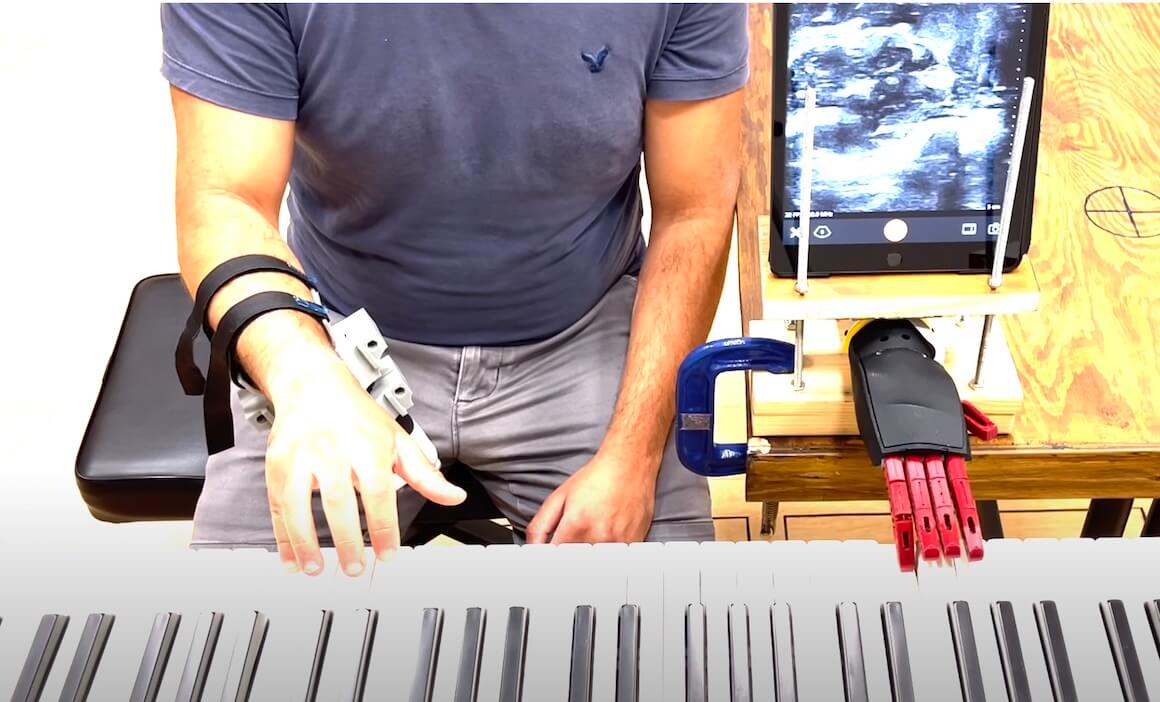
Despite advances in technology, providing amputees with prosthetics that mimic real limbs is an ongoing challenge. They may be more aesthetically pleasing than they used to be but are not necessarily practical. For example, a prosthetic hand may help wearers hold a cup and drink from it, but making the coffee, using a computer, or playing the piano involves much more complexity. “Many people who have lost a hand give up on the prosthesis after a short period because it is heavy, cumbersome, and its effectiveness is very limited,” said Dean Zadok, a Ph.D. student in the Henry and Marilyn…

Ever since scientists embraced the evidenced-backed theory that an asteroid impact on Earth caused the extinction of dinosaurs, researchers, sci-fi enthusiasts, and ordinary citizens have been concerned about it happening again. This possibility has been depicted in various dystopian films, books, and TV series, including “Don’t Look Up,” “Deep Impact,” and Amazon Prime’s hit TV show, “Expanse.” In reality, the phenomenon remains a tangible threat that experts are studying worldwide. And now Technion researchers are participating in the Hera project, led by the European Space Agency (ESA), which marks the first attempt in history to divert an asteroid from its…