Something Fresh in the State of Denmark
October 06, 2026






























The Technion’s story has been intertwined with Israel’s for more than a century, from laying the foundations for a new nation to shaping its future.

Step inside Israeli innovation at the David and Janet Polak Visitors Center. Experience our 360° immersive movie and tech exhibition. Open to individuals and groups.
Learn More
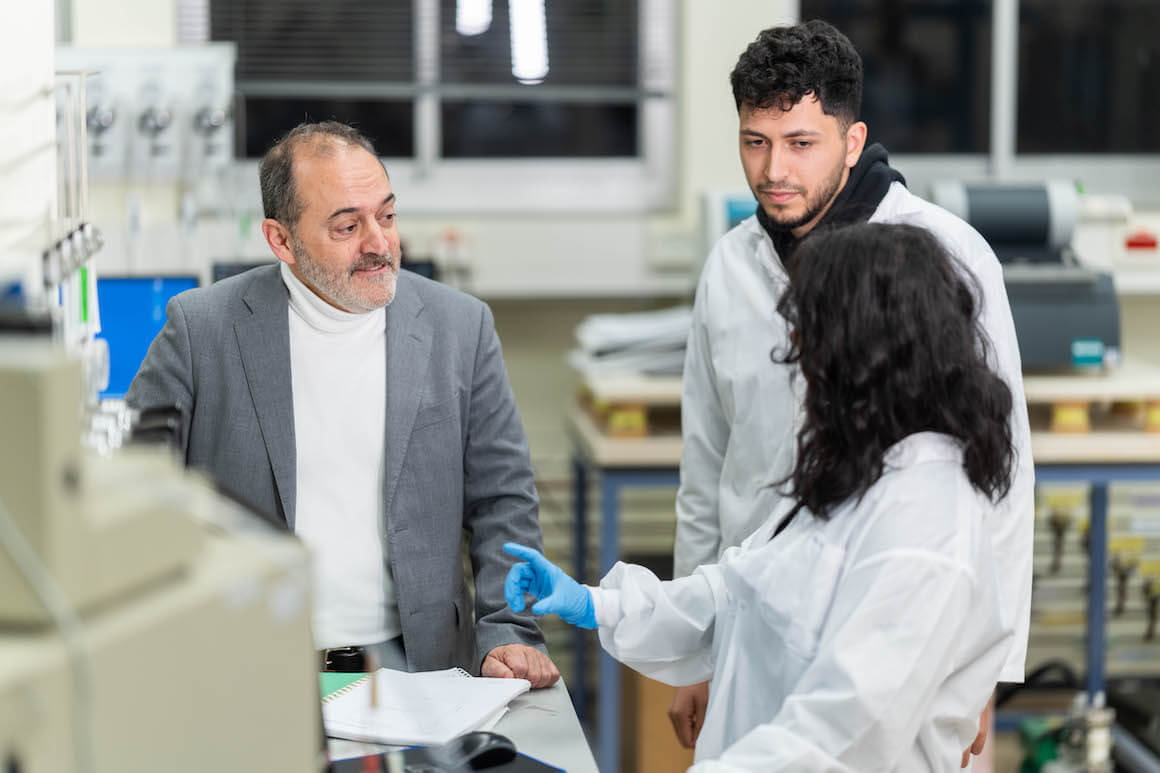
“If you have energy, you have everything — food, water, heating, defense,” said Professor Dario Dekel, director of the Nancy and Stephen Grand Technion Energy Program (GTEP) at the Technion. “Energy is critical for the future.” The GTEP has already made impressive breakthroughs in alternative and sustainable technologies, including fuel cells and batteries, green hydrogen and electrolyzers, water energy, renewable energies, and more. But the war with Hamas has made Israel’s need for energy security more crucial, even with the discovery of natural gas in the Mediterranean. “Given the political situation in Israel, you cannot depend on getting energy from…

Since it was founded in 1912, the Technion – Israel Institute of Technology has contributed massively to every aspect of Israel’s development. It has trained generations of first-rate scientists, engineers and architects who have consistently taken on leadership positions at the helm of Israeli industry. Moreover, through the years members of the Technion community have shined not only as highly respected scientists and educators, but also as pioneers in a wide variety of technological fields. Indeed, research conducted on the Technion’s campus has led to innumerable breakthroughs, many of which have made a real impact on humanity. Redefining relations with…

Best-selling author Saul Singer didn’t know how profound his research for his latest book with Dan Senor, “The Genius of Israel: The Surprising Resilience of a Divided Nation in a Troubled World,” would be until after Oct. 7. The book hit the U.S. market on Nov. 7, a month after Hamas’ deadly attack on Israel. Senor and Singer also co-wrote “Start-Up Nation: The Story of Israel’s Economic Miracle,” but this time, instead of concentrating on Israel’s technology, they focused on its people. In researching his book, Singer discovered that Israel is a “young” nation with the median age being 29;…
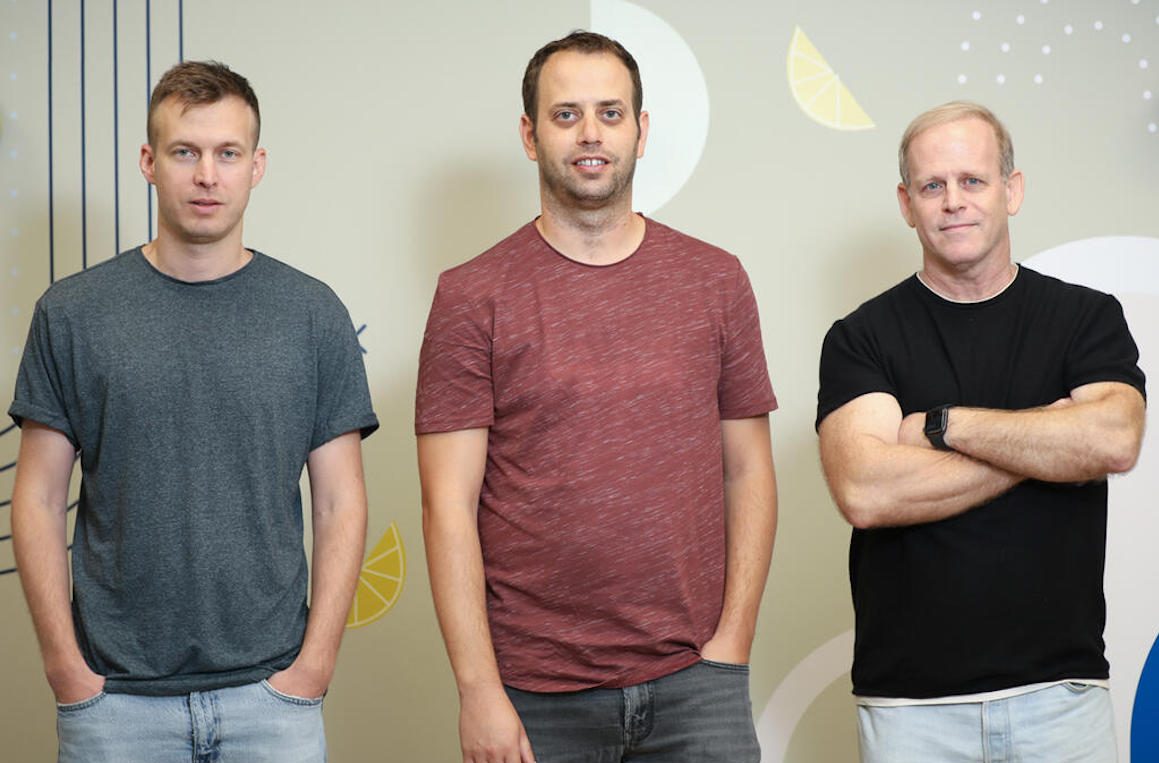
Nvidia has agreed to acquire Israeli artificial intelligence (AI) company Deci. According to estimates obtained by Calcalist, the value of the deal is $300 million. In Deci’s last fundraising round in July 2022, it was valued at an estimated $200 million. The acquisition is subject to regulatory approvals and is expected to close during the second quarter. Nvidia confirmed the deal to Calcalist, stating that “NVIDIA’s expertise in AI will be complemented by Deci’s capabilities in NAS, which automates the design of deep learning models to improve performance. Deci’s engineering team has knowledge in NAS, Foundational Models, Inference and in…
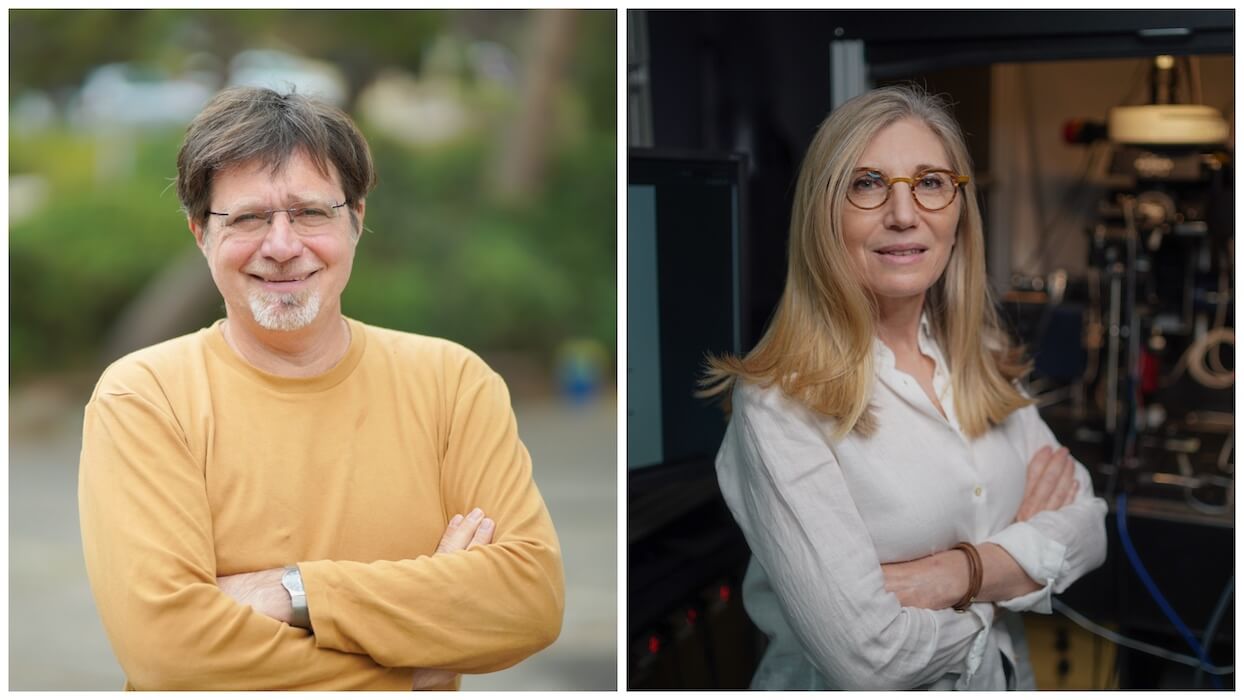
Prestigious grants from the European Commission’s Horizon Europe program were awarded to two Technion researchers to advance their decade-long research. Each of them will receive €2.5 million ($2.66 million). Coincidentally, both grants will further studies in brain science. Professor Michael Glickman, dean of the Faculty of Biology, was awarded for his work on an innovative model to study Alzheimer’s disease that uses nerve cells derived from human stem cells. His team’s research is based on the hypothesis that impairment of the ubiquitin system, which clears cells of damaged proteins, could lead to the development of Alzheimer’s. The grant will enable…

An Israeli professor is among 10 international recipients of an award for innovative neurobiological and behavioral research. Prof. Dorit Ben-Shachar from the Technion – Israel Institute of Technology is one of the 10 senior-level scientists to equally share the grant of $1 million from the Brain & Behavior Research Foundation (BBRF). Ben-Shachar aims to target mitochondria (the producers of energy within a cell) with a treatment that can help with biological and behavioral problems in schizophrenia. If successful, it can offer a better understanding of the role of mitochondria in schizophrenia, and potentially a new way of treating the condition.

The bacteria in the gut – known as the microbiome – have in recent years emerged as a focal point of scientific exploration, with their intricate roles in our metabolism, nutrition, and overall health coming into sharp focus. Researchers at the Technion-Israel Institute of Technology in Haifa have now made a discovery that could lead to a better understanding of and treatment for inflammatory bowel diseases (IBD) such as colitis and Crohn’s disease. Over millions of years of co-evolution with humans, gut bacteria have become indispensable for the proper functioning of our immune system. The gut is a constantly changing organ,…

An innovative, noninvasive Israeli medication administered through the nose hopes to be a life-changer for people suffering acute spinal cord injuries – even helping them to walk again. NurExone Biologic Inc. developed ExoPTEN, which treats damage to the nervous system, from a concept created by two members of its Scientific Advisory Board: Prof. Shulamit Levenberg of the Technion – Israel Institute of Technology and Prof. Daniel Offen from Tel Aviv University. (Another member of the board is Prof. Gabriel Zeilig, the head of the National Spinal Cord Injury Rehabilitation Unit at Sheba Medical Center, Israel’s largest and globally renowned hospital.)

The city that never sleeps is also, it seems, unable to take down scaffolding. New Yorkers have grown so sick of the ugly structures, and the accompanying ground-level cages in place to protect and divert pedestrians, that Eric Adams, the mayor, last year launched a campaign to clear them from the streets. Now computer scientists in the city have made a hit list of possible targets. Using ai to sift through thousands of hours of dashcam footage, the researchers identified some 5,000 scaffolding sites across all five boroughs, of which 500 were found to have no permit. “This city is the best…

Emma Pierson, assistant professor of computer science at the Jacobs Technion-Cornell Institute at Cornell Tech, is one of 19 researchers who have been awarded an AI2050 Early Career Fellowship from Schmidt Sciences for her work seeking to use artificial intelligence to promote equity. Pierson, also a computer science field member at the Cornell Ann S. Bowers College of Computing and Information Science, is working on “Using LLMs (large-language models) for Health Equity.” As a member of the second cohort of Early Career Fellows, she will receive $300,000 over two years from Schmidt Sciences to further her work related to artificial intelligence and health care.
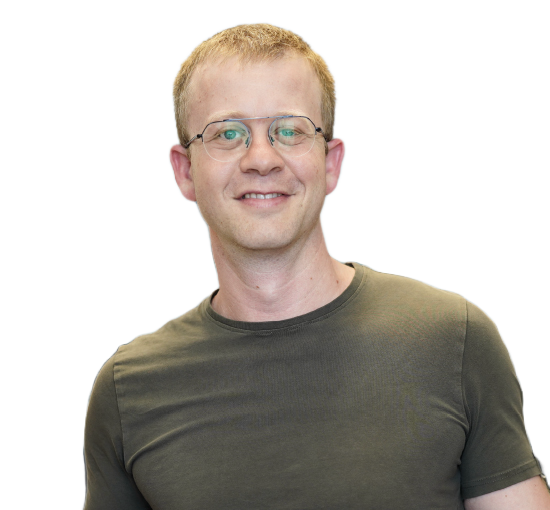
In this captivating episode of Lexicon Podcast, we delve into the fascinating world of fluid mechanics with Professor Moran Bercovici. From his groundbreaking research in microfluidics at Technion – Israel Institute of Technology, to pioneering applications in space technology and vision enhancement, Moran shares insights into how fluid mechanics can shape the future, from improving eyesight in developing countries to enabling advanced space exploration.
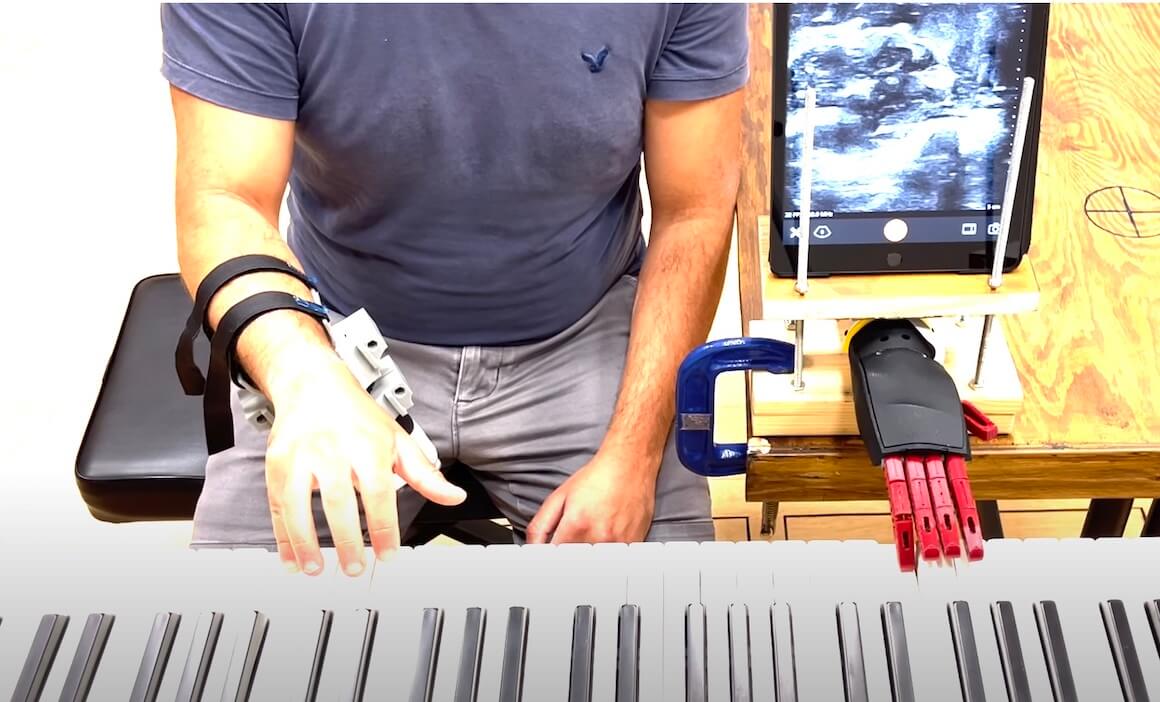
Despite advances in technology, providing amputees with prosthetics that mimic real limbs is an ongoing challenge. They may be more aesthetically pleasing than they used to be but are not necessarily practical. For example, a prosthetic hand may help wearers hold a cup and drink from it, but making the coffee, using a computer, or playing the piano involves much more complexity. “Many people who have lost a hand give up on the prosthesis after a short period because it is heavy, cumbersome, and its effectiveness is very limited,” said Dean Zadok, a Ph.D. student in the Henry and Marilyn…