Something Fresh in the State of Denmark
October 06, 2026






























The Technion’s story has been intertwined with Israel’s for more than a century, from laying the foundations for a new nation to shaping its future.

Step inside Israeli innovation at the David and Janet Polak Visitors Center. Experience our 360° immersive movie and tech exhibition. Open to individuals and groups.
Learn More

A Technion Earth Day Webinar With the health of our planet failing, we need big ideas and innovative solutions to reverse the current environmental crisis. In this enlightening webinar, a distinguished panel of Technion scientists share their insights and research on topics that include sustainable development, renewable energy solutions, sustainable material innovations, and eco-friendly alternatives for chemical processes. Be inspired when you learn how Technion science can help forge a healthier planet and a better future for all. Executive vice president for research at the Technion Prof. Noam Adir moderates this can’t-miss webinar.
The Technion recently welcomed 25 new faculty members during a festive reception at the David and Janet Polak Visitors Center. The reception was attended by Technion management, faculty deans, and Technion President Professor Uri Sivan, who shared words of wisdom for the new cohort. The new faculty members will join the talented ranks of Technion educators to continue developing the next generation of Israel’s innovators and leaders. Thirty-five percent of the new faculty members are women, and many are Technion alumni themselves. The group will bring their expertise to 13 different faculties with research focusing on a wide range of…

Scientists at the Technion have come upon a surprising discovery that could help frustrated would-be fathers determine their fertility. If validated in humans, this discovery could lead to a reliable, fast, and simple method for diagnosing male infertility, and “could predict the success of assisted reproductive techniques such as IVF or evaluate the fertility of stud animals,” said Technion Professor Benjamin Podbilewicz. The result came unexpectedly, when baby hamster kidney cells surprisingly merged into a single giant cell with multiple nuclei. Scientists discovered that the ability of mice sperm to merge those cells corresponded to the sperm’s fertilizing potential –…
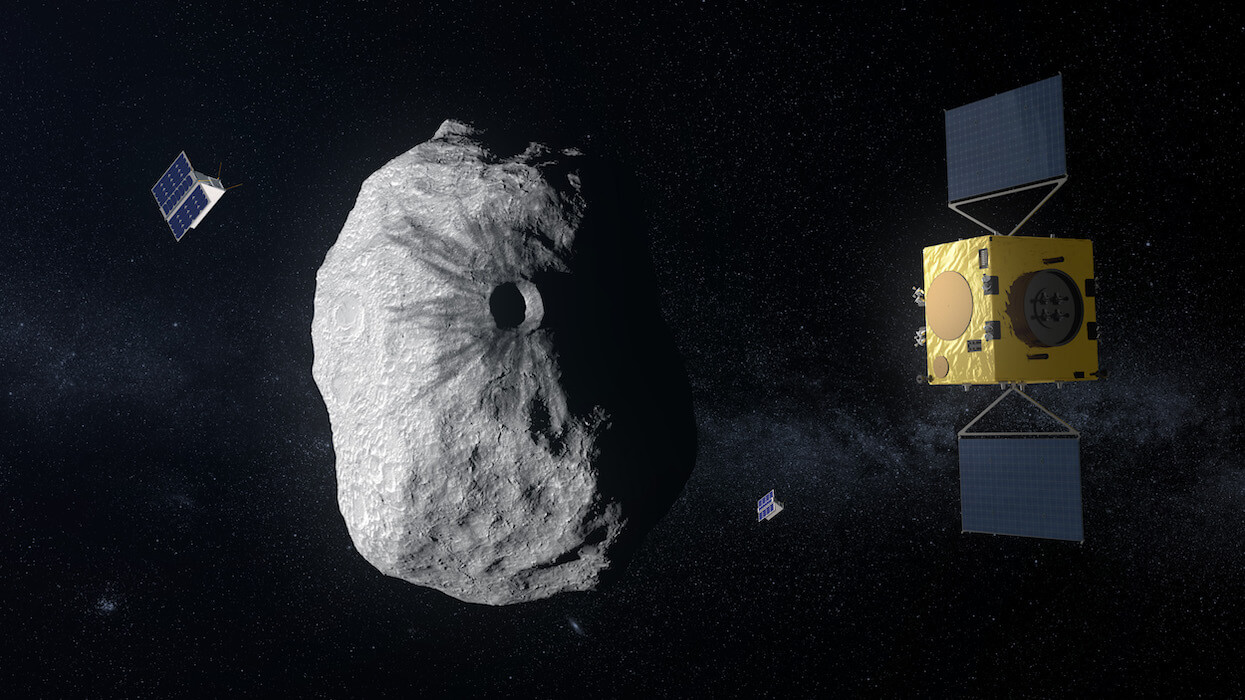
Ever since scientists embraced the evidenced-backed theory that an asteroid impact on Earth caused the extinction of dinosaurs, researchers, sci-fi enthusiasts, and ordinary citizens have been concerned about it happening again. This possibility has been depicted in various dystopian films, books, and TV series, including “Don’t Look Up,” “Deep Impact,” and Amazon Prime’s hit TV show, “Expanse.” In reality, the phenomenon remains a tangible threat that experts are studying worldwide. And now Technion researchers are participating in the Hera project, led by the European Space Agency (ESA), which marks the first attempt in history to divert an asteroid from its…

Associate Professor Shenhav Shemer from the Technion’s Faculty of Biology has joined the DREAMS team, a European Union-funded project to discover treatments for five rare neuromuscular disorders. DREAMS (Drug REpurposing and Artificial intelligence for Muscular disorderS) will focus on treatments for Duchenne muscular dystrophy, centronuclear myopathy, Emery-Dreifuss muscular dystrophy, Pompe disease, and Danon disease. Approximately 400,000 people worldwide suffer from these diseases. “My group is engaged in various phases of the project, including the key phases of identifying biomarkers and therapeutic targets, assessing the efficacy of molecules as novel drugs to inhibit these targets and address the disease, validating…
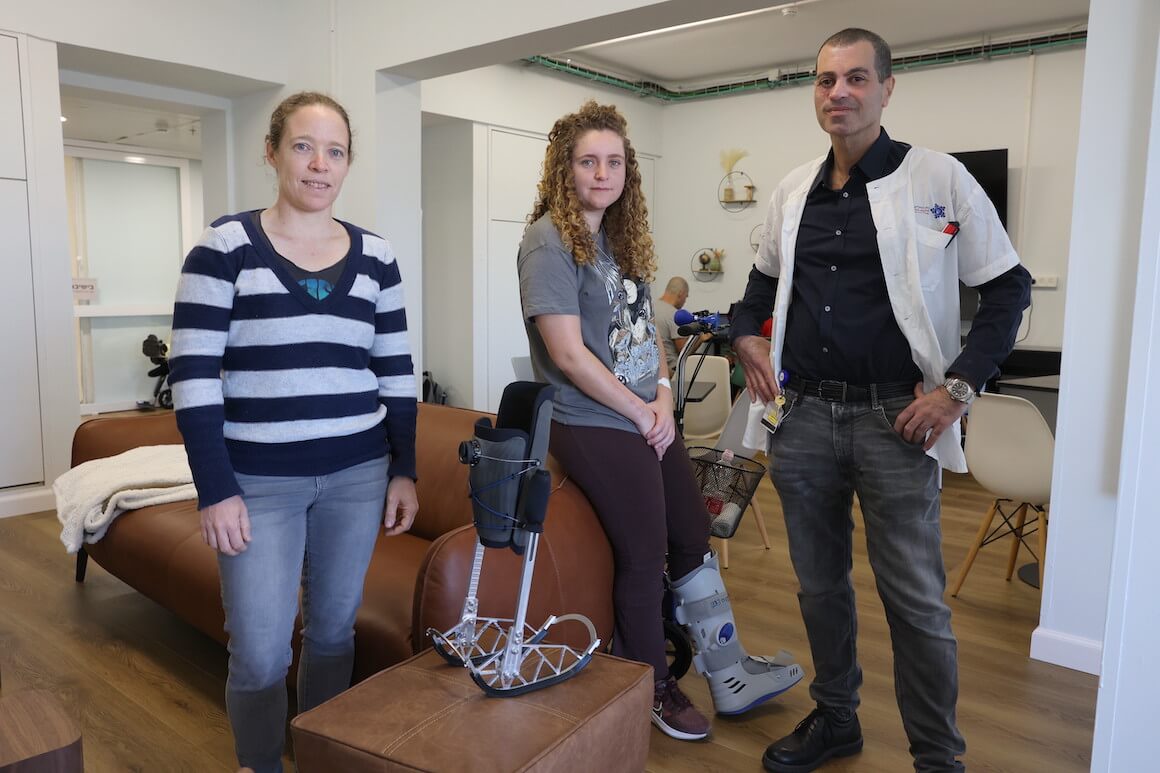
Kfar Aza resident Neta Portal woke up to the sound of warning sirens in her apartment with her partner Santiago on the morning of October 7. Despite hiding out in their safe room, terrorists penetrated the door with bullets before throwing a grenade that forced Neta and Santiago to flee from the apartment through a window. While escaping, Neta retained seven gunshot wounds to her legs while Santiago suffered from a gunshot to his back. The couple was ultimately rescued and treated in the hospital, but both still have a long way to go to heal. Now, Neta is back…

The Technion is the leading university in Israel and Europe, and one of the top 100 in the world for registered patents in the United States. The National Academy of Inventors just released its report for 2023, based on data from the United States Patent and Trademark Office. The Technion filed 48 patents in the past year, ranking the University 65th in the world and first in Israel and Europe. This marks a rise of three places from 2022 when the Technion was ranked 68th in the world. When adjusting for the number of faculty, the Technion ranks 20th in…

Professor Daniella Raveh became dean of the Technion’s Faculty of Aerospace Engineering on January 1, 2024. She is the first woman to have obtained this position at the University. An alumna of the Faculty, she graduated with honors and went on to earn both a master’s and Ph.D. degree at the Technion. She became a prominent researcher and a popular lecturer in the Faculty. “I’m honored to become the dean of the Faculty where I once studied, and where I have spent many years conducting research and teaching,” said Prof. Raveh. “Aerospace engineering is a field suitable for both men…
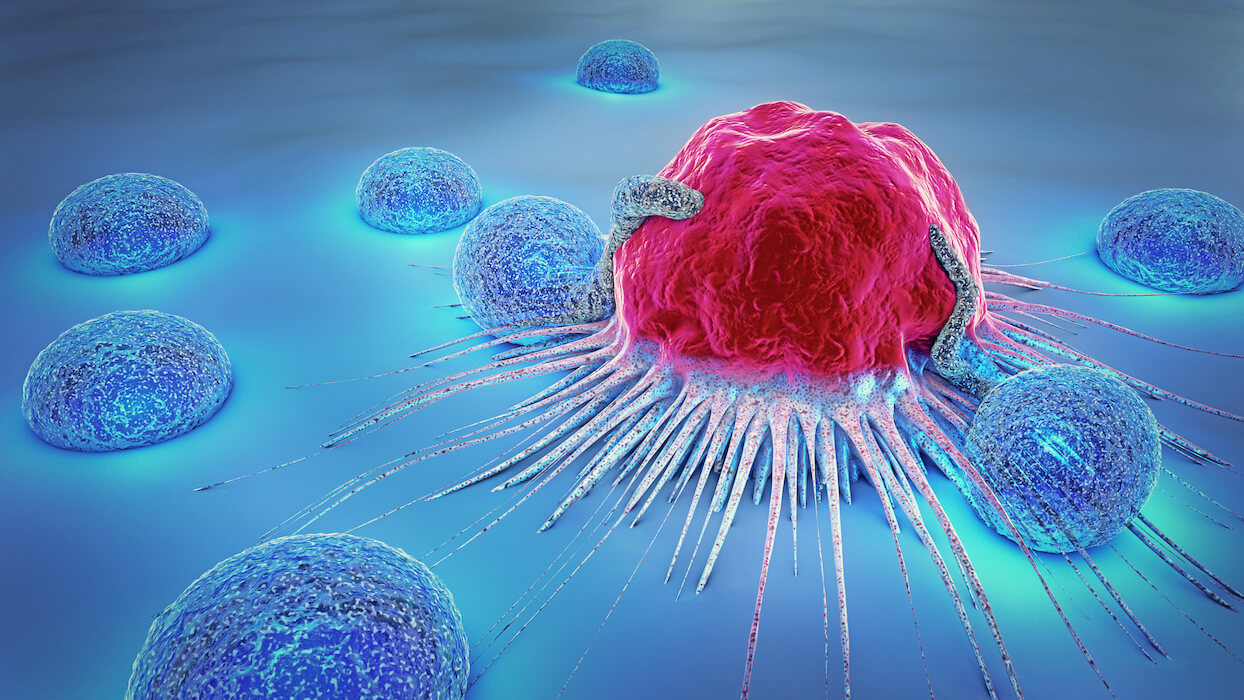
Researchers in the Technion’s Faculty of Materials Science and Engineering and Rappaport Technion Integrated Cancer Center have developed a new patented technology to treat tumors. They estimate it could accelerate the development of personalized treatments for various types of cancer. Typical cancer treatments, such as chemotherapy and radiation, often cause serious side effects, because in addition to attacking the cancerous cells, they damage healthy ones. Moreover, certain types of cancer don’t respond well to chemotherapy. Professor Alejandro Sosnik and doctoral student Ivan Zlotver have developed a treatment that combines sonodynamic therapy with a special formula of nanoparticles. Sonodynamic therapy is…

Soon, cancer patients will have an additional treatment option, moving away from relying solely on chemotherapy, which often has deleterious side effects. The current one-size-fits-all approach to treating many diseases will soon be replaced by personalized (or precision) medicine. Essentially, the patient’s DNA will be sequenced, to analyze subclass diseases and identify the cause of the mutation. With a better understanding of disease mechanisms, patients can be diagnosed with great precision and the treatment can be tailored specifically to the target. For breast cancer alone, there will be more than 20 drugs designed to cure each specific type. Thai PBS…

To bring a new drug to market costs on average $1.3 billion, according to a recent report in the Journal of the American Medical Association, and takes up to 20 years. These astronomical sums do factor in the billions of dollars and years of research invested in what potentially promising therapies that ultimately lead nowhere, according to David Harel, the co-founder and CEO of CytoReason, an Israeli startup using AI and reams of data on the human body to create computational models of diseases affecting mankind. “Developing new drugs is very, very expensive. And the reason it’s expensive is not only…
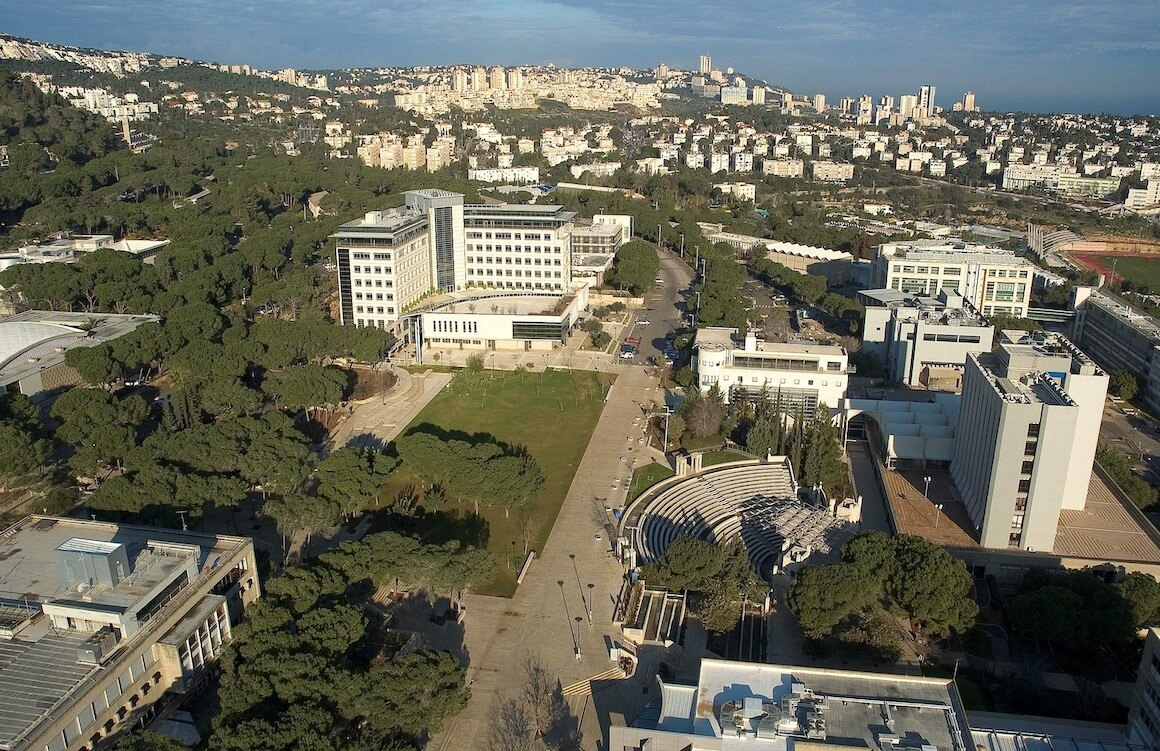
In December, the Technion – Israel Institute of Technology will celebrate 100 years. Looking at the list of achievements over the years makes you realize how significant its contribution to the state’s development has been – and still is. “For many years we were essentially the only engineering school in the country, and to this day we are the only technological university,” the Technion president, Prof. Uri Sivan, tells Israel Hayom in a special interview. “To a large extent, we shouldered the burden of founding the state on our shoulders, and over the years we have all reaped the rewards for this….