Something Fresh in the State of Denmark
October 06, 2026






























The Technion’s story has been intertwined with Israel’s for more than a century, from laying the foundations for a new nation to shaping its future.

Step inside Israeli innovation at the David and Janet Polak Visitors Center. Experience our 360° immersive movie and tech exhibition. Open to individuals and groups.
Learn More
In this webinar, discover how the Technion’s leading minds are realizing this vision while also tackling issues of how to overcome age-related motor and cognitive decline. Technion alumnus Prof. Nir Barzilai, M.D., and Prof. Firas Mawase discuss their groundbreaking research on health across the lifespan — and how their work promises to make life’s next […]
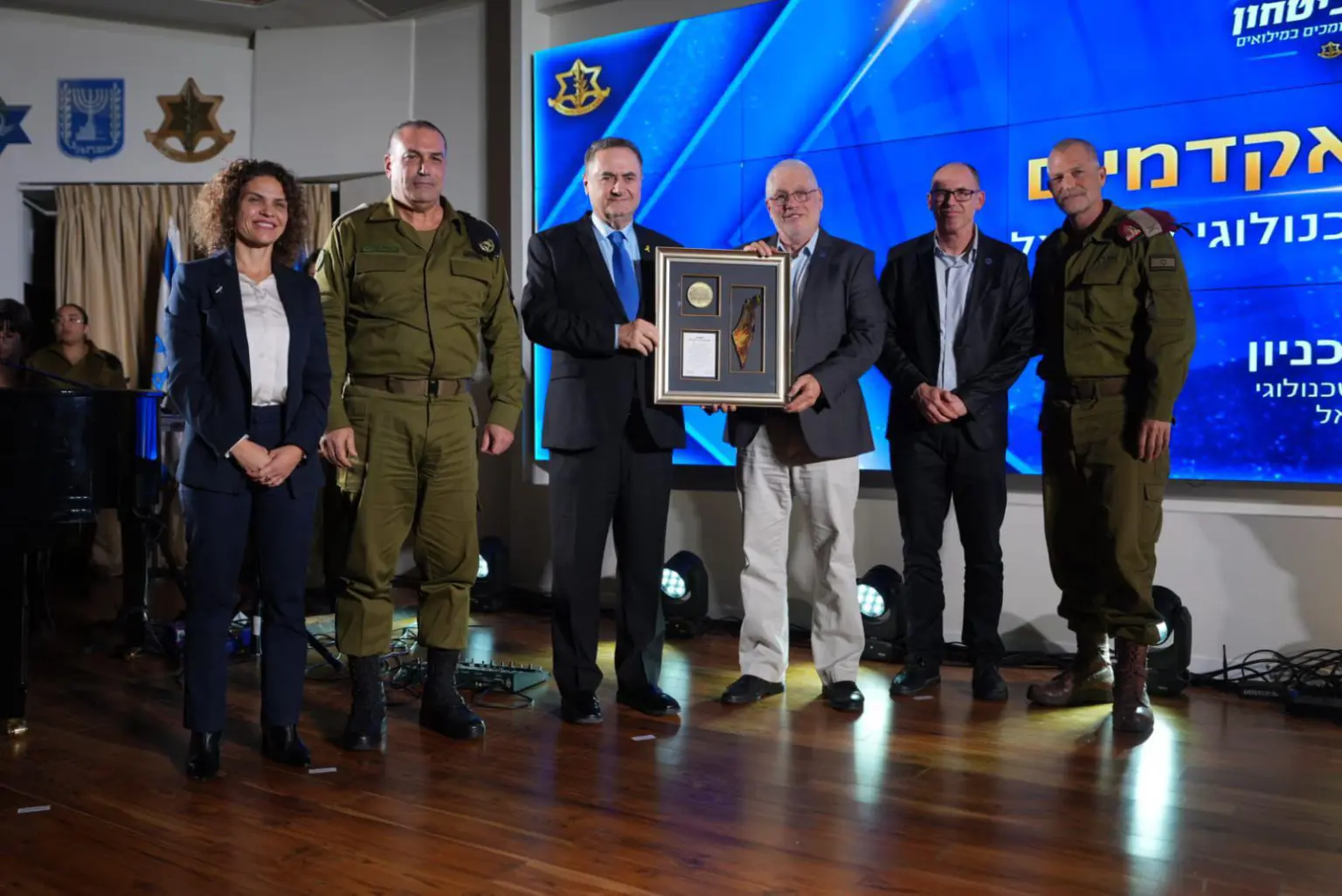
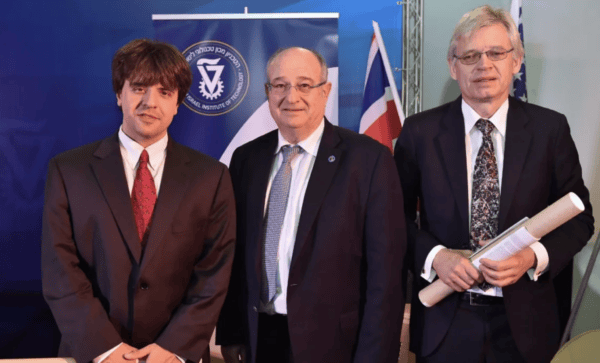
In the presence of the Defense Minister and the Chief of the General Staff of the IDF: The Technion awarded the Defense Minister’s Shield for its support of reserve-duty students With the outbreak of the war, the Technion established an unprecedented support system that provided reserve-duty students with financial assistance, academic accommodations, tutoring, and emotional support The Defense Minister’s Shield for 2025 was awarded to the Technion on Monday, December 29, in recognition of its outstanding support for military reservists. Technion President Prof. Uri Sivan and Vice President for Academic Affairs Prof. Oded Rabinovitch received the shield, which is granted to organizations…
A technology developed in the laboratory of Prof. Amit Meller from the Technion—Israel Institute of Technology Faculty of Biomedical Engineering marks a significant advancement toward rapid proteome analysis, with far-reaching implications for both fundamental research and disease diagnosis. A 2023 Nature opinion article identified the seven most important emerging technologies to watch—with single-molecule protein sequencing taking the top spot. The article highlighted the pivotal contributions of Prof. Meller’s research group in advancing key technologies toward the commercialization of protein sequencing systems, paving the way for a true revolution in biological and medical research. Since proteins are the body’s fundamental building blocks, their rapid and…
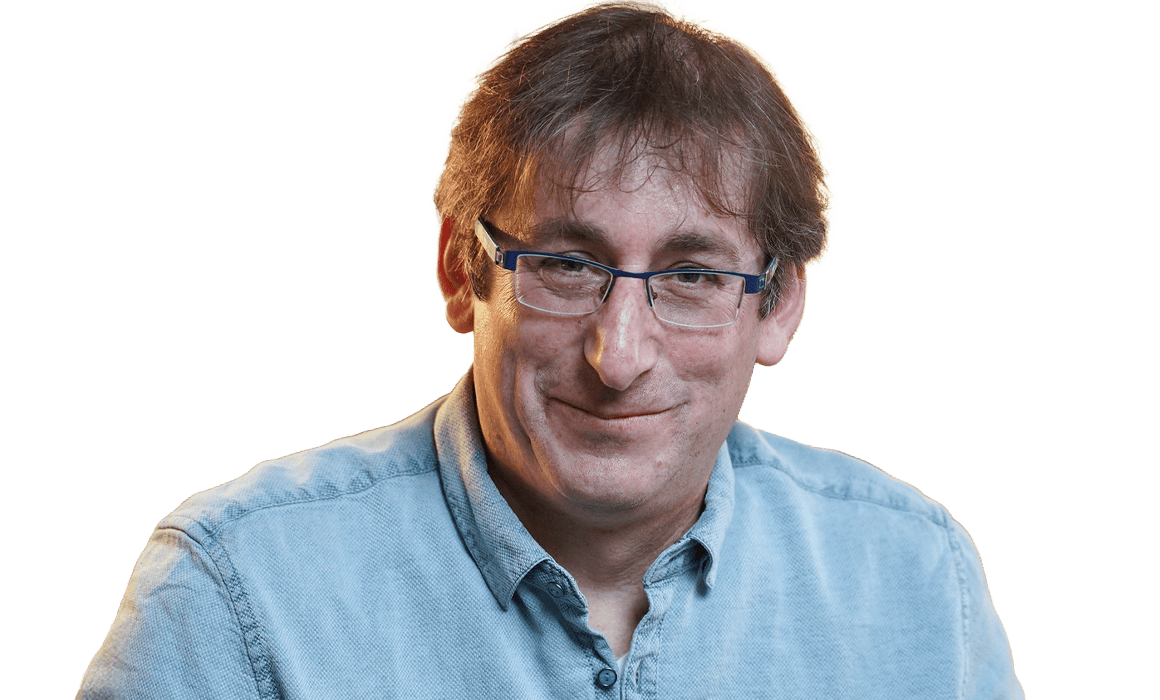
Shai Shen-Orr on the Future of Disease Modeling In this newly released podcast, Shai Shen-Orr, co-founder and chief scientist at CytoReason and professor at the Technion – Israel Institute of Technology, dives into the next frontier of health care: disease modeling. He explains how CytoReason transforms today’s overwhelming biological data into actionable insights that power […]

Imagine: After a business lunch in Tel Aviv, you’re back in New York City in time for dinner. Your teen aces her afternoon math exam in Boston before kicking her way to victory at a twilight soccer match in Los Angeles. Academic researchers are discovering new minerals on their weekly expeditions to the moon. You’re […]
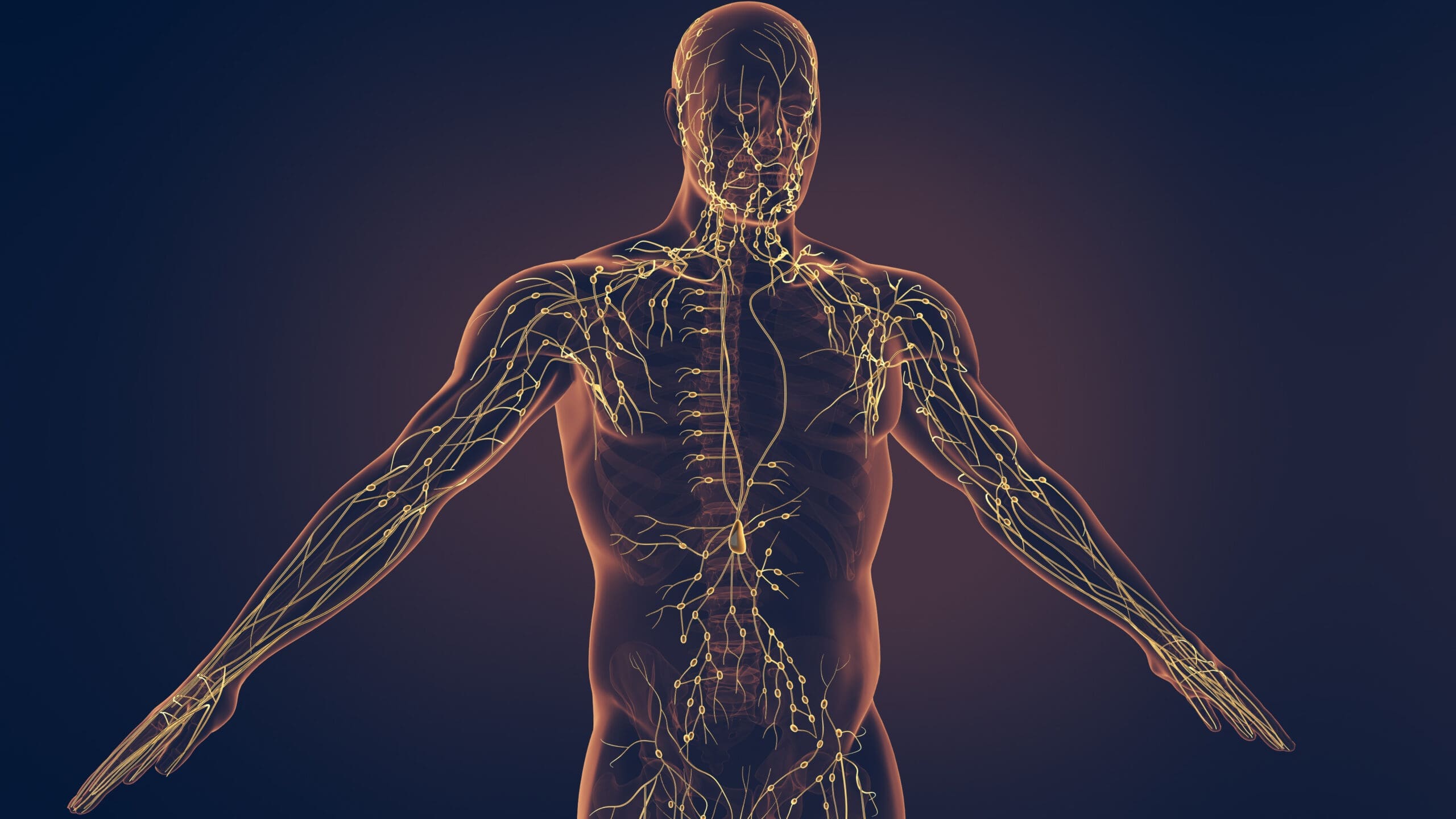
Imagine being able to peer into your immune system and see not just how healthy you are today, but how your body fights, adapts, and ages over time. Journalist David Ewing Duncan recently had the chance to do that. Instead of a standard blood test, he tried a new kind of immune analysis. This test doesn’t look at a handful of markers. It examines nearly a million immune signals with advanced technology and machine learning to create a personal immune health score. The idea is to detect illness before symptoms appear, understand how people will respond to treatments, and even…

Scientists at the Technion – Israel Institute of Technology have developed a smart biological adhesive that could change the way wounds are treated and surgeries are performed. The new material, which mimics the natural sticking ability of mollusks on wet surfaces, can bond to tissues within seconds and safely biodegrade inside the body. For decades, surgeons have relied on stitches and metal staples to close incisions and stop bleeding. While effective, these methods are invasive, painful and can lead to infections. The Technion’s breakthrough offers a less invasive, more tissue-friendly alternative. The development, patented and recently published in the scientific…

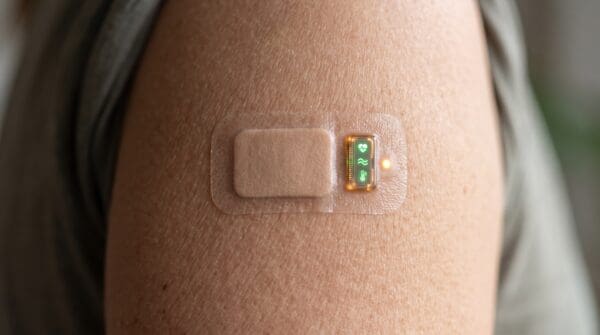
A groundbreaking wearable device is set to change how diabetes is managed through personalized, real-time care. Developed by researchers in Israel and China, the microneedle-based system offers a new level of patient support. It lets doctors and patients track disease markers and medication levels at the same time, without drawing blood. The device works in real time and is painless, providing critical health data through the skin’s interstitial fluid. Professor Hossam Haick of the Technion-Israel Institute of Technology led the research with Sun Yat-sen University colleagues. Their findings were recently published in the scientific journal Nature Communications, highlighting the system’s…

At the Technion, researchers are unraveling the fierce battles our cells wage against viruses, uncovering how gut microbes shift the tide in chronic disease, and revealing the brain’s surprising power to heal broken hearts. From revolutionary dual-target antibodies that outsmart the flu to groundbreaking discoveries in inflammation, these breakthroughs are rewriting the future of medicine — promising lifesaving therapies that arrive faster, hit harder, and change everything.
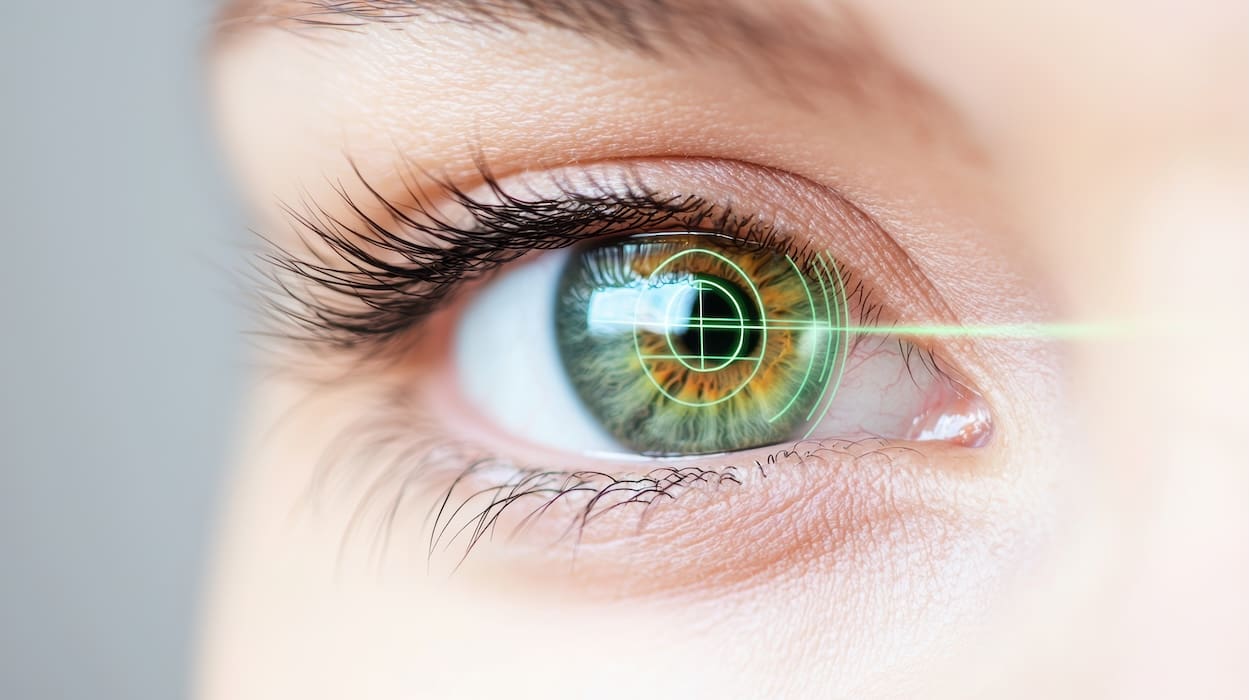
Researchers from the Faculty of Data and Decision Sciences at the Technion have developed a technology capable of identifying various aspects of a reader’s interaction with a text that is based solely on their eye movements. The team’s findings were presented at Association for Computational Linguistics, a conference in the field of Natural Language Processing (NLP) in Vienna. The research was led by doctoral student Omer Shubi, together with master’s student Cfir Hadar, under the supervision of Dr. Yevgeni Berzak. People read texts with different goals. Whether it’s a novel, a cooking recipe, a newspaper article, or a scientific paper,…
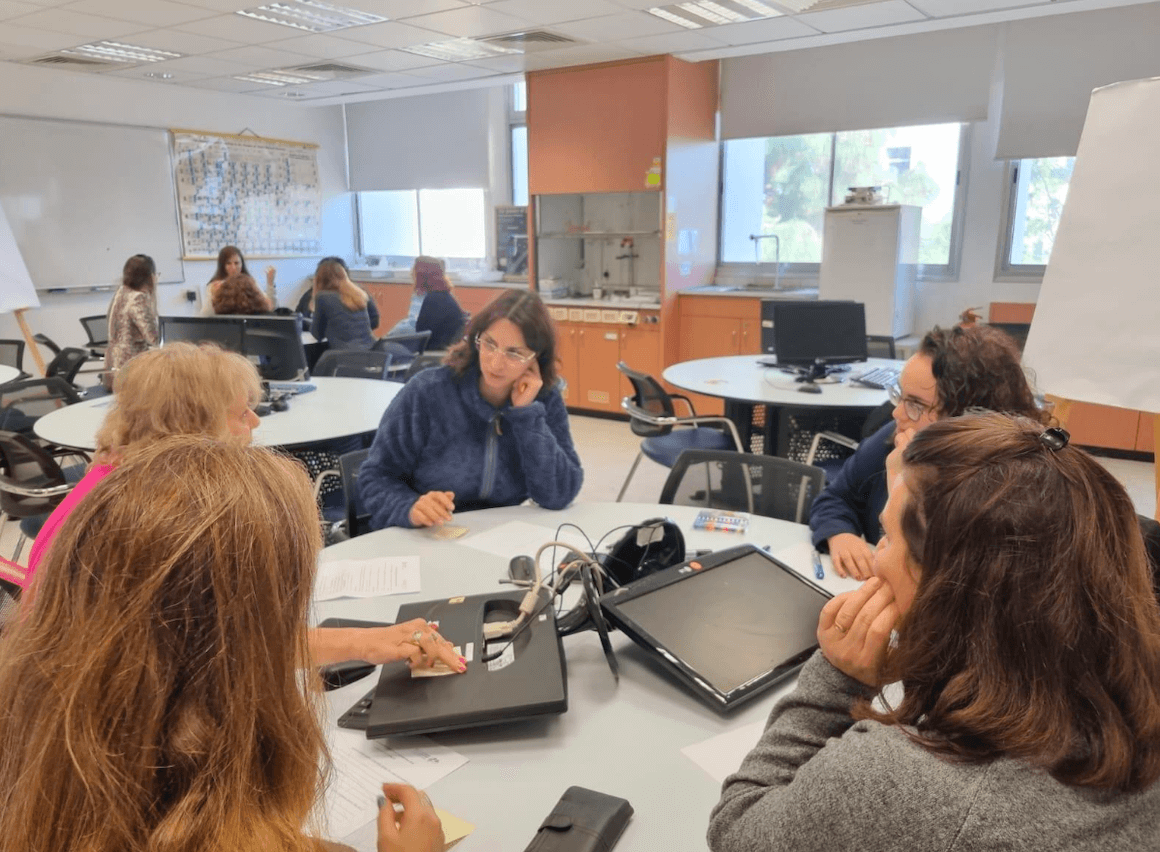
Teaching Resilience after Crisis Where the Ideas get Built The Faculty’s labs are as unique as its mission. In the Mathematics Education Lab, math comes alive through engineering scenarios modeled on the Iron Dome defense system. The People & Plant Lab takes a more introspective route, examining how identity, mobility, agency, and the environment shape […]

A potentially game-changing construction material under development at the Technion – Israel Institute of Technology utilizes microorganisms, rather than cement, to bind sand particles together, while also absorbing atmospheric carbon dioxide that contributes to global warming. According to the UN Environment Program, the construction industry accounts for a whopping 37 percent of global warming emissions. The Technion’s interdisciplinary project CyanoGems utilizes microorganisms that photosynthesize, meaning they use sunlight to create food from carbon dioxide and water. During photosynthesis, carbon dioxide is removed from the atmosphere and oxygen is emitted.