Something Fresh in the State of Denmark
October 06, 2026





















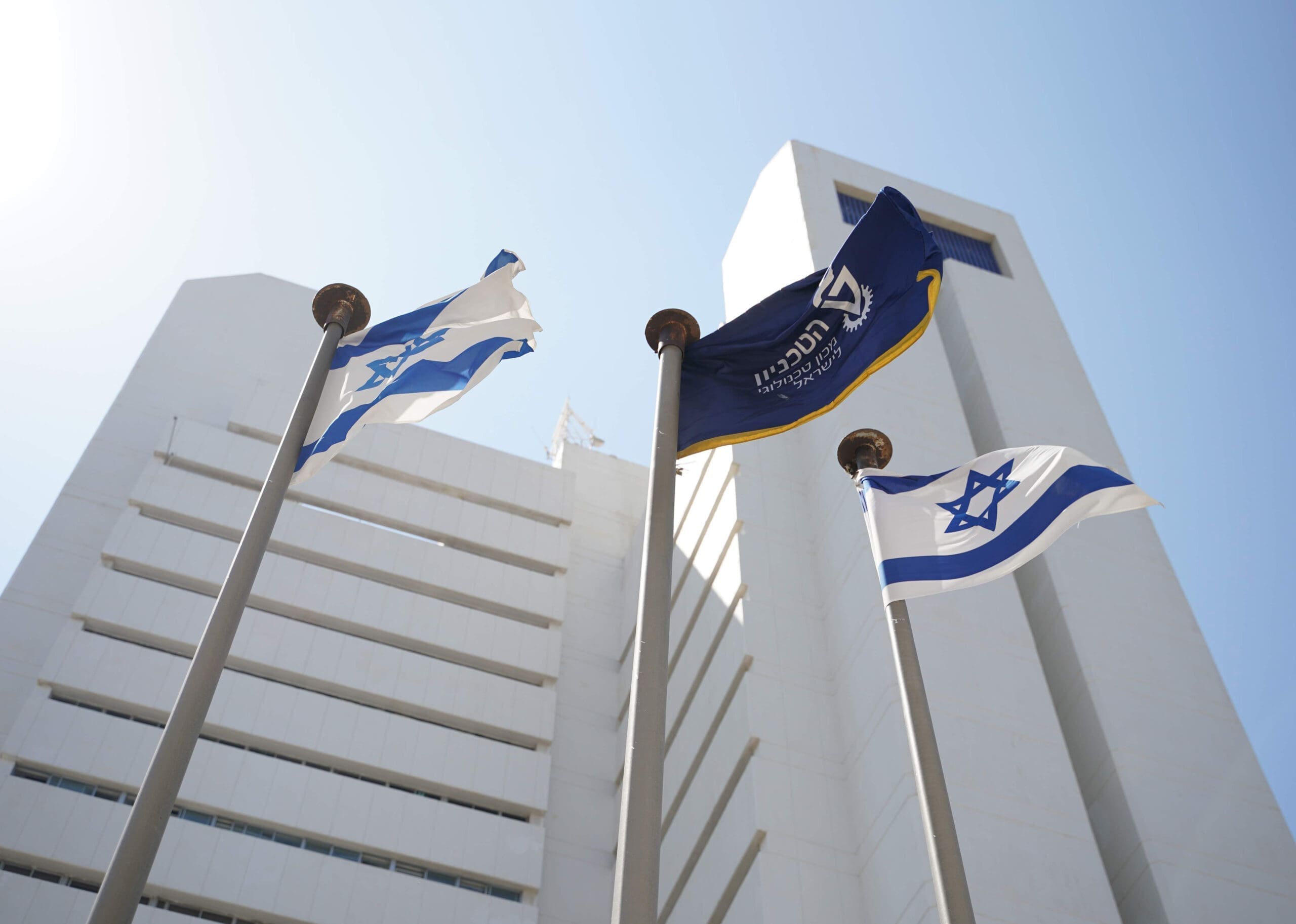





The Technion’s story has been intertwined with Israel’s for more than a century, from laying the foundations for a new nation to shaping its future.

Step inside Israeli innovation at the David and Janet Polak Visitors Center. Experience our 360° immersive movie and tech exhibition. Open to individuals and groups.
Learn More

Artificial intelligence is here to stay, and the Technion – Israel Institute of Technology will be instrumental in shaping the way it impacts all facets of our lives, from the cars we drive to how scientists develop medicine. To meet that demand, the Martin and Grace Druan Rosman Performance Computing Data Center will serve as a new high-performance computing (HPC) hub on campus to ensure that the University is prepared for the demands of research, development, and innovation for years to come. As it prepares to open its doors to students and faculty across campus next year, I spoke with…

Some of the greatest mysteries of the universe, such as the possibility of life on Mars or Venus, may never be solved because of Donald Trump’s proposed “extinction-level” cuts to Nasa spending, scientists are warning. The Trump administration revealed last month its plan to slash the space agency’s overall budget by 24% to $18.8bn, the lowest figure since 2015. Space and Earth science missions would bear the brunt of the cutbacks, losing more than 53% of what was allocated to them in 2024. If the budget is approved by Congress, opponents say, longstanding Nasa labs will close, deep-space missions, including…
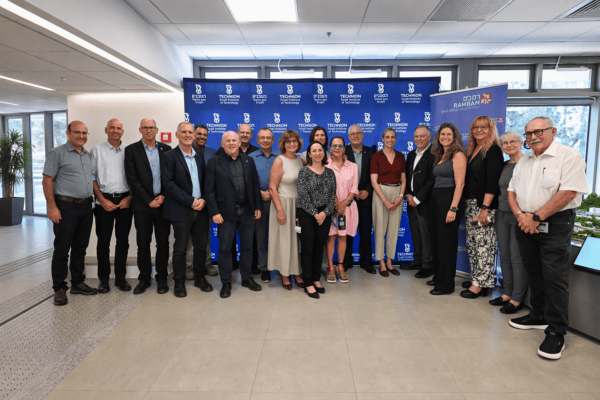
On Wednesday, May 21, 2025, a delegation from the Zimin Foundation visited the Technion, led by Foundation President Boris Zimin and including Augie Fabela, co-founder and business partner of late Dr. Dmitry Zimin, and Dr. Mark Shmulevich, Director of the Zimin Institutes. During the visit, which marked a key milestone in AI-powered medical innovation at the Technion, Mr. Zimin unveiled a new plaque at the Zimin Institute for AI Solutions in Healthcare, which honors Dr. Dmitry Zimin and Mr. Boris Zimin and the inspiring legacy of the Zimin family. The delegation met with Technion President Prof. Uri Sivan, who thanked…

Everybody needs a buddy – especially Navy divers. Working underwater is physically taxing, visibility is low, and divers can easily become exhausted or suffer from insufficient oxygen or nitrogen narcosis, resulting in cognitive impairment. The problem with relying on a partner who can come to your rescue, however, is that they are vulnerable to the same conditions. That’s why Cornell researchers are working to understand how robots can assist humans in dangerous and physically challenging environments. “We have these tools with amazing capacity, but for them to work with people, they need to be able to understand people,” said Andrea…

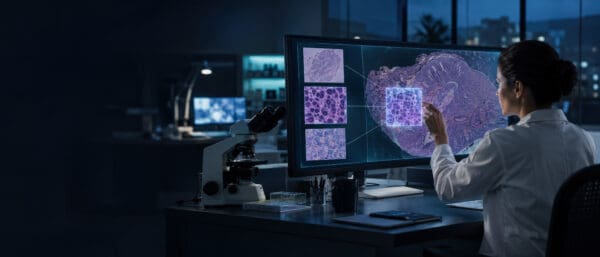
Considered to be one of the greatest revolutions in cancer treatment, immunotherapy enhances the immune system’s ability to target and destroy cancer cells efficiently. One of the key challenges in immunotherapy is the uncertainty regarding patients’ responses—not all patients respond to the treatment, and some may experience side effects without meaningful therapeutic gain. Therefore, there is a need to identify biomarkers that can predict treatment effectiveness based on individual patient data. New and promising findings on this topic are now presented in a study by Technion researchers published in the journal Cell Genomics. The research was led by Prof. Keren…

The electrocardiogram (ECG) is one of the most essential tools in modern medicine, used to detect heart problems ranging from arrhythmias to structural abnormalities. In the U.S. alone, millions of ECGs are performed each year, whether in emergency rooms or routine doctor visits. As artificial intelligence (AI) systems become more advanced, they are increasingly being used to analyze ECGs—sometimes even detecting conditions that doctors might miss. The problem with this is that doctors need to understand why an AI system is making a certain diagnosis. While AI-powered ECG analysis can achieve high accuracy, it often works like a “black box,”…

For delivery robots, not all sidewalks are created equal – some are uneven or clogged with people and bus shelters – so researchers at Cornell Tech developed a “robotability score” and rated every street in New York City on how hospitable it would be to robots. Their rating system is the first of its kind, researchers said, and may help urban planners and robotics companies plan for future robot deployments that won’t disrupt existing sidewalk environments. “I don’t know that everybody wants robots in their neighborhood, but if they do, the robotability score can help them think about, what are…

A Process of Translation This work builds on decades of prior research. In the late 1950s, the well-known American physicist Richard Feynman first proposed the idea of storing information in DNA. Then, in the 2010s, research teams from Harvard and Oxford independently conducted the first large-scale proof-of-concept experiments, inspiring the contemporary wave of research that […]
During my time with the American Technion Society (ATS), I have always been blown away by how we have cultivated a united community from different areas of the country to support the Technion – Israel Institute of Technology and the State of Israel. As a testament of that commitment, we are excited to announce the incredible milestone of having raised more than $1 billion over the last decade. Regardless of our backgrounds, each and every member has made a distinct impact on the future of the Technion, thereby ensuring the future of Israel itself. Philanthropy is an essential tool, not…

A research team by Prof. Ezri Tarazi as part of the Design-Tech Lab at the Technion – Israel Institute of Technology recently conducted a field project on Beqa Island, Fiji, aimed at restoring coral reefs damaged by climate change. The initiative was carried out in collaboration with marine biologists from Bar-Ilan University, led by Prof. Oren Levy, and Blue Ocean, an American NGO operating in Fiji on sustainability and social impact projects. This innovative project demonstrates how technology, design, and local knowledge can be combined to create effective, sustainable coral reef restoration solutions. Ocean warming, human activities, and other environmental…

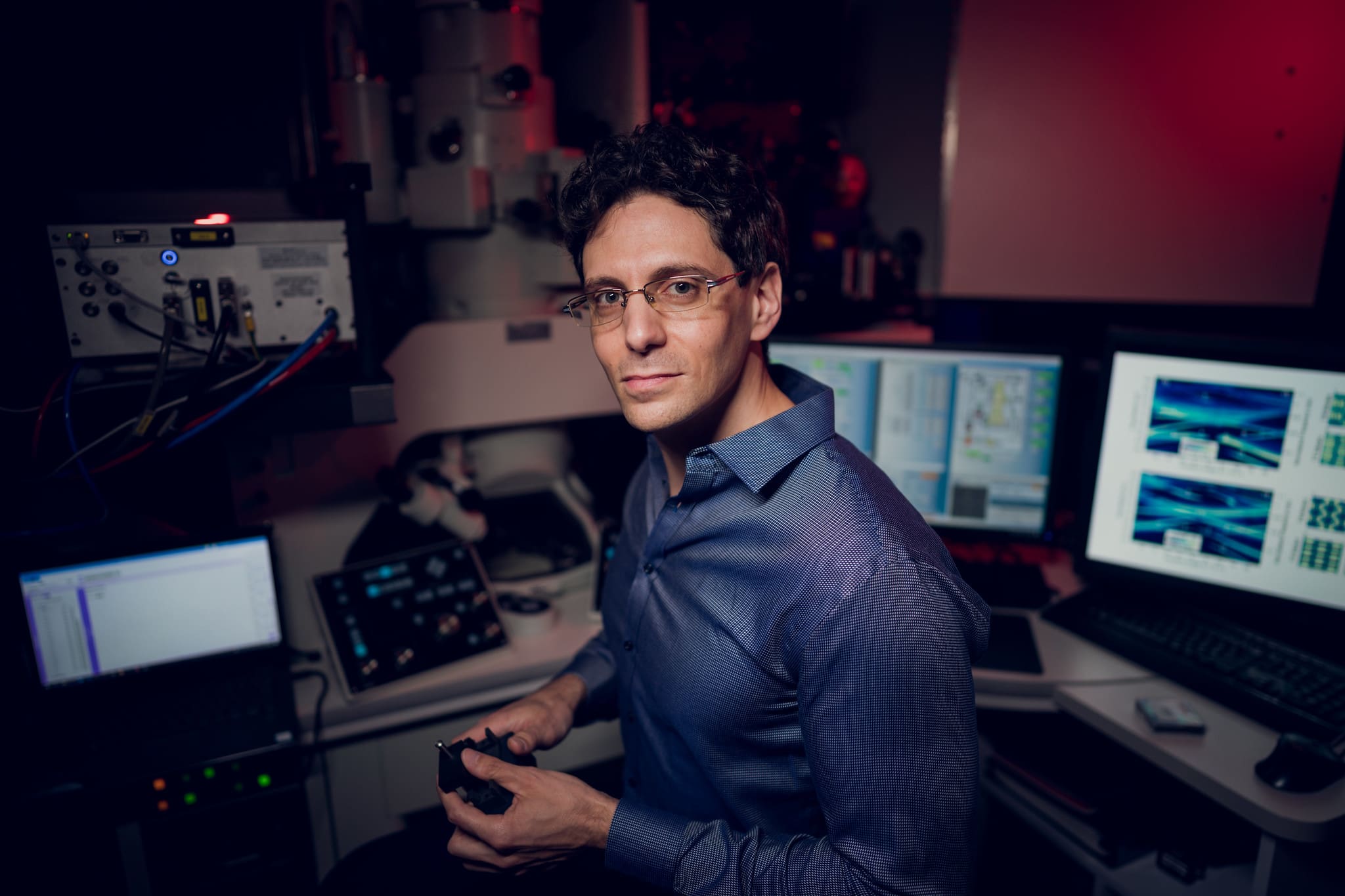
A groundbreaking study from the Technion – Israel Institute of Technology unveils a newly discovered form of quantum entanglement in the total angular momentum of photons confined in nanoscale structures – just a thousandth the width of a human hair. This discovery could play a key role in the future miniaturization of quantum communication and computing components. The study, published in Nature, was led by Ph.D. student Amit Kam and Dr. Shai Tsesses (now a postdoctoral researcher at MIT) from Prof. Guy Bartal’s research group, in collaboration with the groups of Distinguished Prof. Moti Segev and Prof. Meir Orenstein. Additional…

A new interdisciplinary study by researchers from the Ruth and Bruce Rappaport Faculty of Medicine and the Andrew and Erna Viterbi Faculty of Electrical and Computer Engineering at the Technion reveals a surprising insight: local release of dopamine—a molecule best known for its role in the brain’s reward system—is a key factor in acquiring new motor skills From writing and typing to playing a musical instrument or mastering a sport, learning movement-based tasks is one of the brain’s most complex challenges. This collaborative new study reveals how the brain reorganizes its neural networks during such skill learning and uncovers the…