
A Home Away From Home: Dorm Life at the Technion
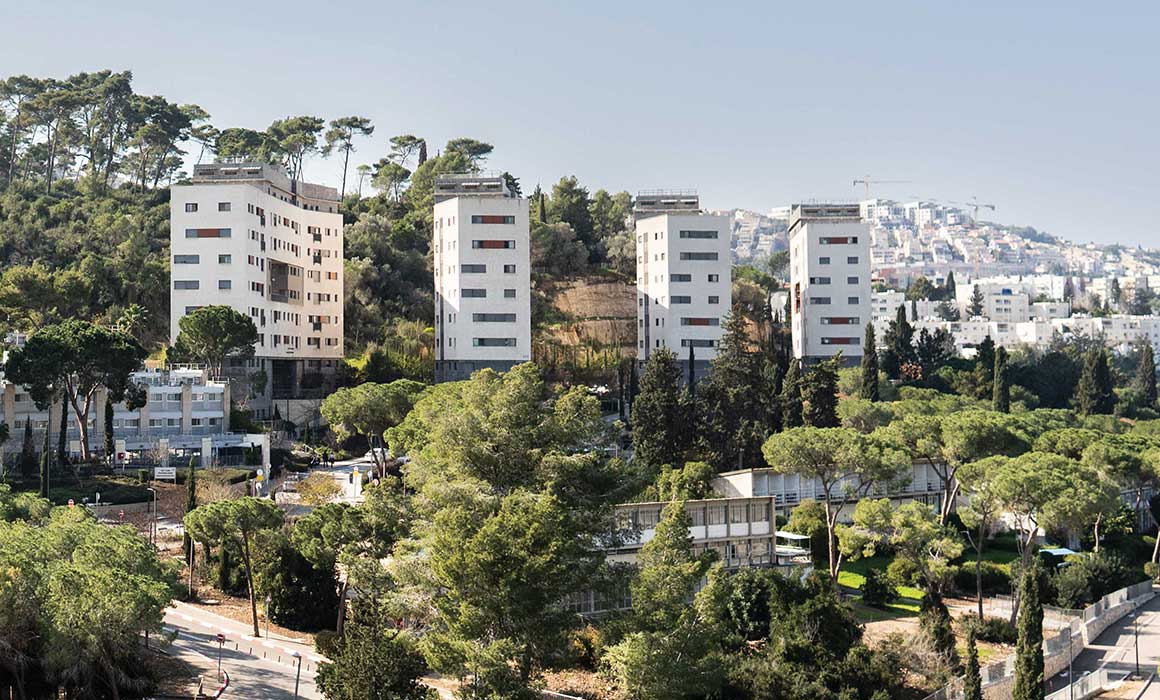
On any given day at the Technion dormitories, you might see parents pushing strollers through the hallways. Students preparing Shabbat dinner in the communal kitchen. International students honing their Hebrew. IDF reservists reflecting on their experiences in Gaza.
“The Technion dorms feel like home,” said one student. “The ability to knock on a neighbor’s door to ask for sugar or milk — that’s how you get to know one another in Israel.”
Technion dorms boast all the amenities an Israeli student needs, from on-site kindergartens to gyms to communal study spaces. Among dorm life’s many benefits, the most important is the feeling of belonging it fosters.
This sense of community is critical for student reservists, who endure strain on their bodies and minds. When they return home, the dorms provide a space for healing. “When I came back, I was happy to see my friends, and we talked about what happened,” said a student reservist.
Another student, who experienced a life-altering injury in Gaza, received a wheelchair-accessible dorm with an elevator where he and his wife could focus on his recovery and his studies. D.K., another student reservist, routinely visited the campus’ psychological center because it was a short walk away.
Beyond supporting student reservists themselves, dorm life lifts the spirits of their spouses and children. “After October 7, all the men disappeared for reserve duty,” recalled D.K. “For my wife and baby, the community became very, very important.”
His wife cooked Shabbat dinner alongside fellow moms as their children played. They rocked their babies to sleep in the dorm’s safe room during missile attacks. Playdates provided her with much-needed breaks.
Dorms are a tremendous boon to international students, too, who may feel adrift in Haifa, far from family. In dorms, these students can better leverage the support of the Technion community and network with international peers.
“Dorms create an environment of friendship,” said Technion undergraduate Samuel Mamou, who came to the Technion from France. “My roommates and I study together, play sports together, cook together.” Mamou explained that he and his dormmates celebrate Jewish holidays and weekly Shabbat dinners together, creating a sense of family in a foreign land.
Living in a Technion dorm is also a source of creative inspiration for budding scientists and engineers. Mamou’s dorm has a dedicated study space filled, day and night, with dorm residents — especially during exam periods. Students enjoy a sense of solidarity during these particularly demanding times, whether it’s sharing a midnight snack or offering a high five at 3 a.m.
Dorms also provide logistical benefits: Just a short walk or bike ride from campus, they enable students to spend more time on their studies and less time commuting. This benefit is particularly salient for master’s student Elchai Refoua, who works full time in Lod, near Tel Aviv. His dorm spares him from a three-hour commute.
I have a class or a test at 9 in the morning. If I would not have a place to sleep, I would have to drive in for the final. So usually, I come a day before. For me, it’s a life-changing thing.
Technion Master’s student Elchai Refoua
Dorms offer these benefits at a deeply discounted price — 30% to 40% less than apartments in Haifa. Their affordability provides a lifeline to students of limited means, who may not otherwise be able to afford housing near campus, or who may need to divert precious study time to paid work.
One student explained that her position in the IDF’s academic reserves prevents her from working while pursuing her studies, making subsidized dorms even more important. “We cannot work during our studies because it’s too intense,” she said. “And then everything is falling on my parents, and they can’t afford an apartment off-campus.”
Though students who reside in dorms benefit greatly from the experience, the demand for dorms exceeds the available space. This is why Technion President Prof. Uri Sivan has pledged to create an additional 800 to 1,000 beds — with support from American Technion Society donors and donors around the world. In this way, the University will allow even more students to find a home away from home.