Something Fresh in the State of Denmark
October 06, 2026




















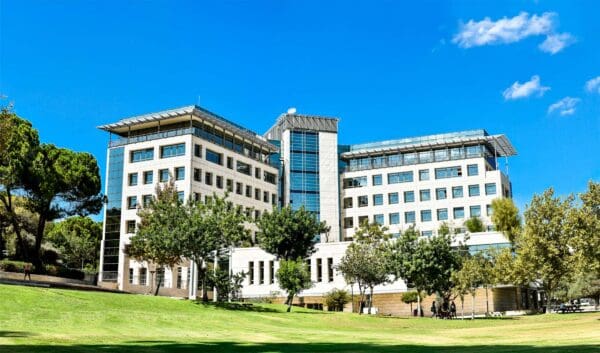









The Technion’s story has been intertwined with Israel’s for more than a century, from laying the foundations for a new nation to shaping its future.

Step inside Israeli innovation at the David and Janet Polak Visitors Center. Experience our 360° immersive movie and tech exhibition. Open to individuals and groups.
Learn More
Technion ingenuity is addressing some of humankind’s most pressing problems: ending hunger and water scarcity, discovering sustainable energy alternatives, and developing noninvasive cancer therapies and other medical interventions.
The inventions highlighted here are just a sample of some of the most recent innovations made by Technion students, faculty, and alumni.
Whatever new challenge Israel faces, it’s likely the solution will be born at the Technion.

A team of Technion researchers is finding a way to encode digital information in DNA, striving to replace massive, energy-intensive data centers with microscopic strands — and taking a cue from nature to transform data storage.

Decart is pioneering AI’s next frontier: real-time videos. While its competitors focus on text generation, Decart is developing products that generate and manipulate video instantaneously, turning everyday users into “Hollywood” producers.
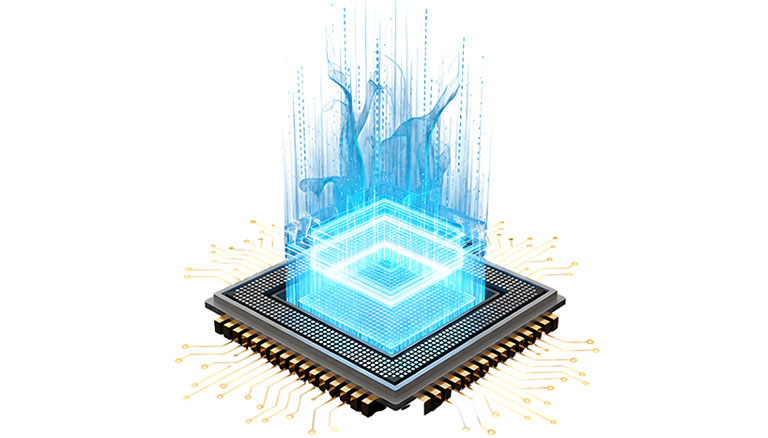
Researchers have uncovered a new form of quantum entanglement, a discovery that not only marks a milestone in physics, but could also open the door to tiny quantum chips that fit inside smartphones and laptops, making this tech faster, more secure, and more powerful.

Epitomee® is an FDA-cleared weight management medical device — a pharmaceutical-free pill that expands in the stomach, causing early satiety and resulting in reduced food intake. The pill naturally clears out of the body after several hours.
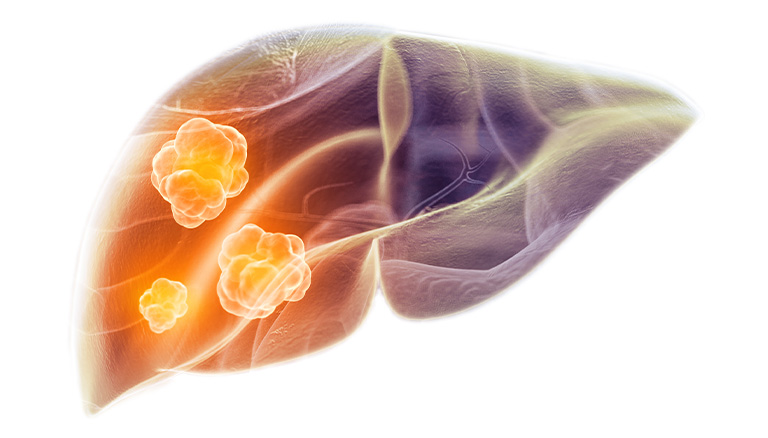
A new platform by TechsoMed, using AI through ultrasound imaging allows physicians to see exactly what’s happening in real time while they kill (or ablate) a tumor using targeted heat through a needle. Thermal ablation therapy, a minimally invasive procedure for small tumors, has huge benefits over surgery or chemotherapy.
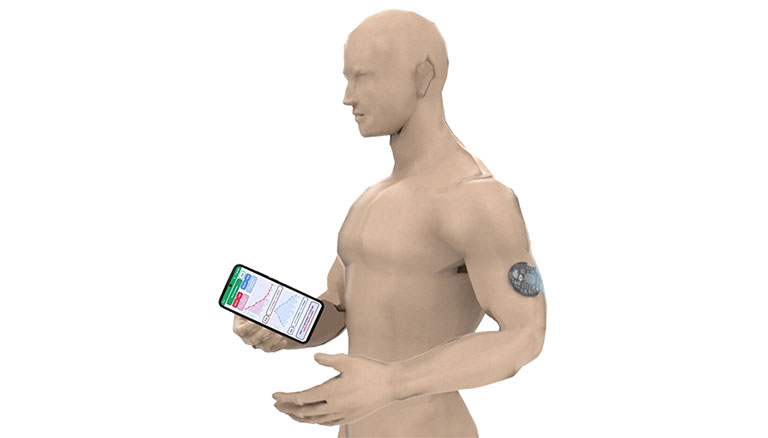
The MCBM system is a painless wearable microneedle device that continuously tracks glucose and medication levels through fluid just beneath the skin, enabling real-time, personalized diabetes care and adaptable monitoring for other chronic diseases.
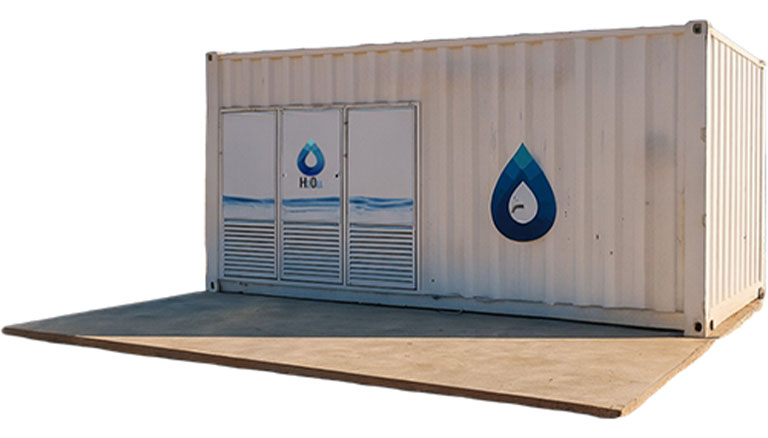
H2OLL pulls moisture from the air to produce clean drinking water — even in arid conditions — without the need for an external power source, offering a sustainable water solution for Israel and the world.
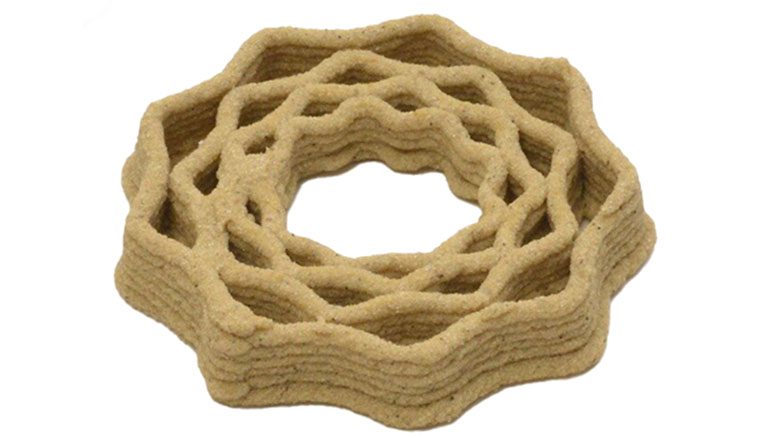
CyanoGems integrates bacteria into 3D-printed models made of sand that can repair its own cracks, extend building life, and reduce maintenance — offering a sustainable solution for an industry responsible for 40% of global carbon emissions. The project is led by Asst. Prof. Shany Barath and Prof. Yechezkel Kashi, in collaboration with Ph.D. student Perla Armaly, master’s student Yuval Berger, and Dr. Lubov Illiasafov.

With early testing now complete, the Boeing–Technion SAF Innovation Center is moving into hands-on development, turning promising ideas into solutions that can be used in the real world. The goal is to unlock 100% sustainable aviation fuel for aircraft by 2030.
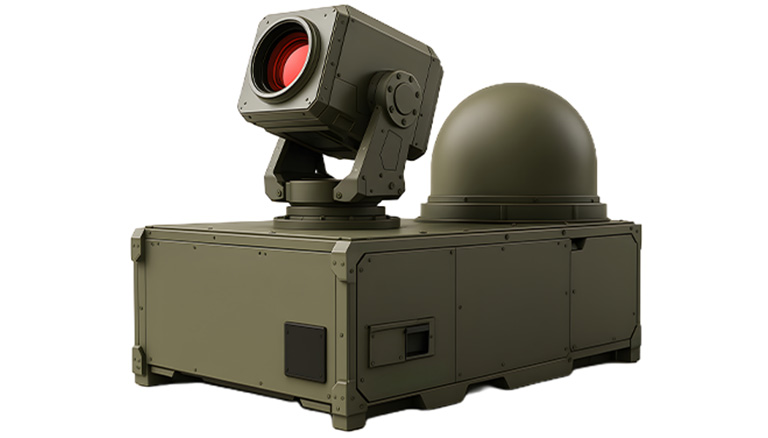
Iron Beam destroys short-range rockets, artillery, and mortar bombs using a laser beam — eliminating the need for expensive interceptor missiles. This extremely cost-effective defense system complements Iron Dome, which was also conceived and developed by Technion alumni.

Armis developed software that gives organizations a complete, real‑time picture of every device and digital asset they own — along with the risks, vulnerabilities, and relationships between them, enabling companies to see, prioritize, and reduce cyber risk across all their devices. In December 2025, it was acquired by the American software giant ServiceNow for an extraordinary $7.75 billion in cash, marking one of the largest cybersecurity exits in Israel’s history.

The Ministry of Defense is developing camouflage materials that will conceal soldiers and can be molded to take the shape and look of objects, like rocks and trees. (image is a simulation)