
Marine viruses deploy a sophisticated Trojan horse maneuver that enables them to dismantle the energy systems of ocean bacteria and use the breakdown products for self-replication. This finding comes from a study conducted at the Technion Faculty of Biology published in Nature.
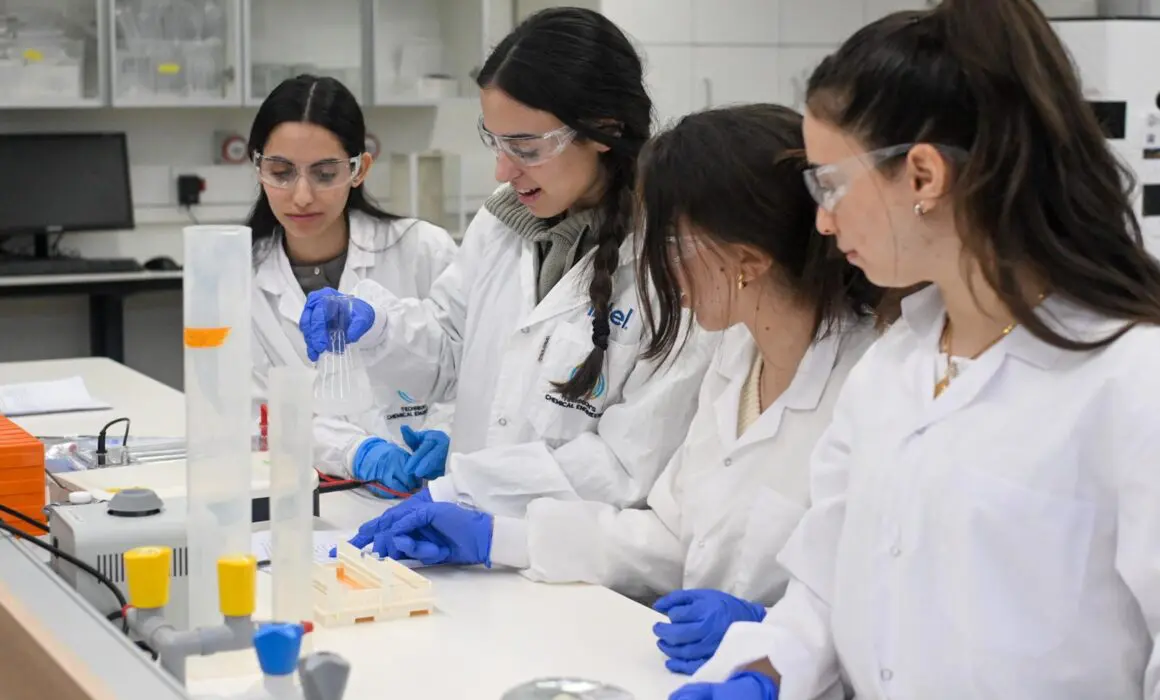
The article is the result of a unique collaboration among three faculty members, Prof. Debbie Lindell, Prof. Oded Béjà, and Prof. Oded Kleifeld; and three young researchers — Dr. Omer Nadel, Dr. Rawad Hanna, and Dr. Andrey Rozenberg.
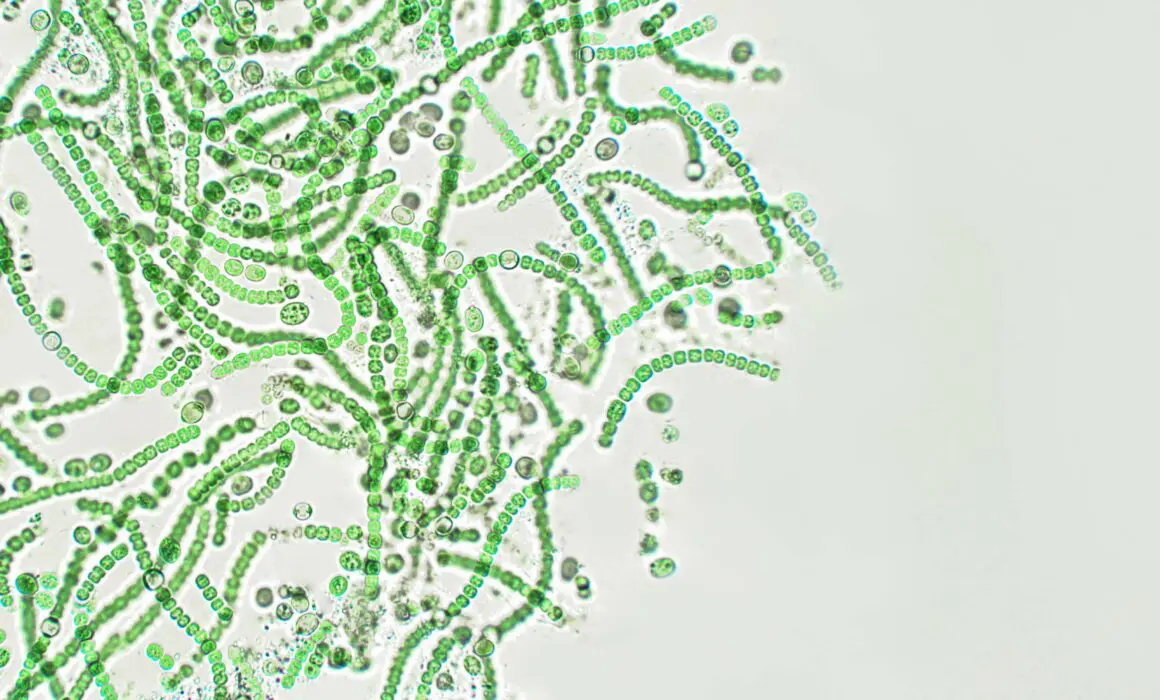
Tiny cyanobacterial cells that live in the oceans play a crucial role in the global ecosystem, as they carry out photosynthesis to produce the organic carbon that serves as the basis of the oceanic food web. In the process, they contribute significantly to oxygen production and carbon dioxide draw down from the atmosphere, influencing the global carbon cycle.
These essential bacteria are frequently attacked by viruses called cyanophages, which specialize in infecting and destroying marine cyanobacteria.
Read more at phys.org.
This study was conducted at the Technion Faculty of Biology.