
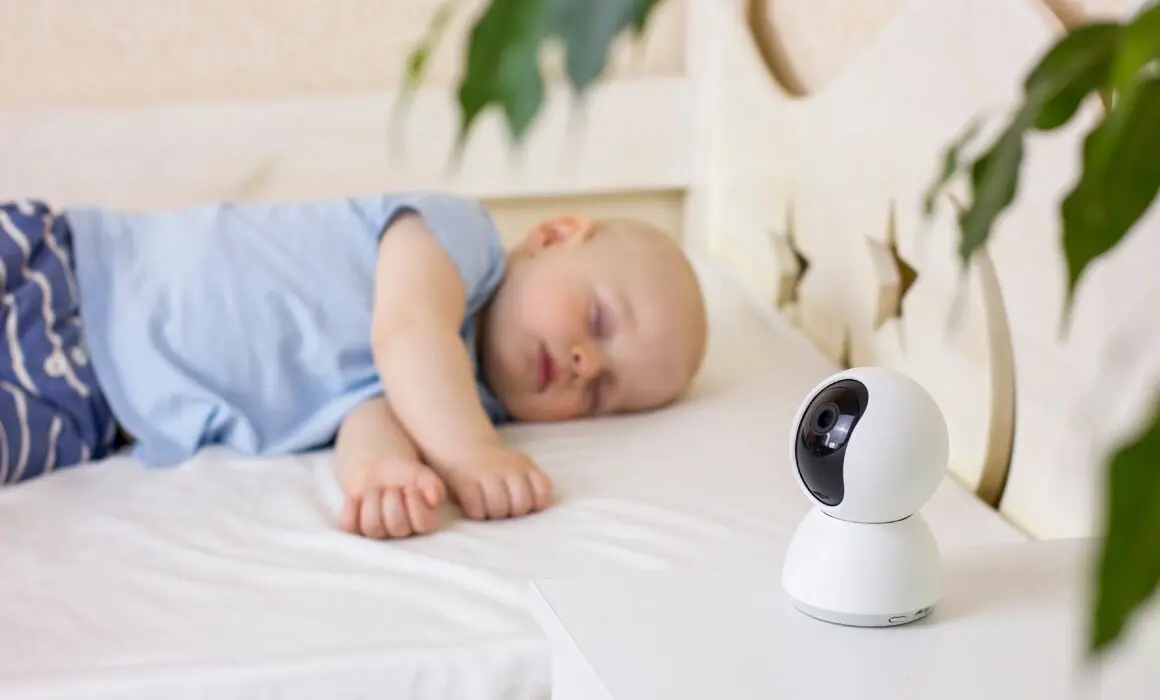
For all but a few nights of my first child’s life, her sleep has been recorded and analyzed by the Nanit Smart Baby Monitor System. A sleek white camera, bolted to the wall, points straight down at her body. High-definition footage is beamed to a server, where machine-learning algorithms log her movements and the precise moments her eyes open and close. The data are distilled into charts and insights that my husband and I review in the Nanit app: a daily “sleep efficiency” score, from zero to 100; minutes until sleep onset; the number of times we were needed over the course of a night.
Initially, we’d purchased the monitor simply for the ability to check on our daughter from anywhere using our phones. But we were quickly awed by everything else it could do, even as I recognized how unnecessary it was to have this much data about our baby, who was in fact a pretty decent sleeper. “SO MUCH INFORMATION,” I texted a friend. “it’s honestly TMI but i love it so much.” The Nanit straddles the line between creepy and delightful. It is the Eye of Sauron, but it also knows when we enter our daughter’s room in the morning and joy hits her face — and it sends us intelligently edited montages of these moments.
Keep reading at nytimes.com.
More High-Tech Future stories
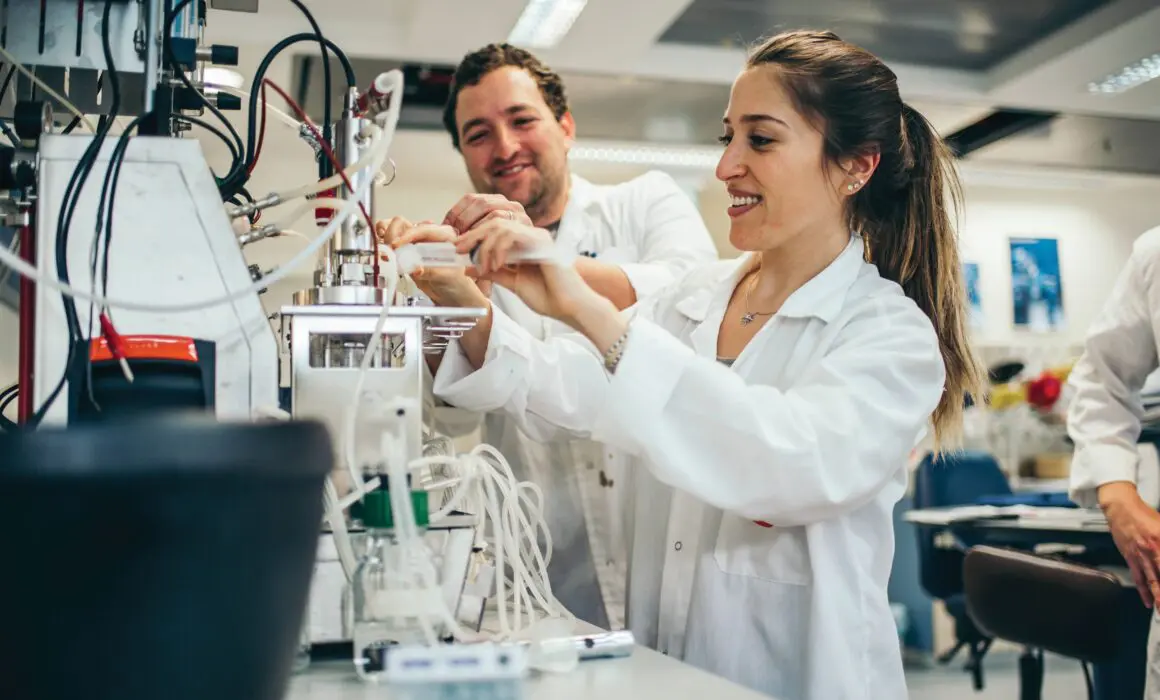
Beyond the Breakthrough: Inside the Technion Labs Shaping Tomorrow’s Technologies