Something Fresh in the State of Denmark
October 06, 2026

























The Technion’s story has been intertwined with Israel’s for more than a century, from laying the foundations for a new nation to shaping its future.

Step inside Israeli innovation at the David and Janet Polak Visitors Center. Experience our 360° immersive movie and tech exhibition. Open to individuals and groups.
Learn More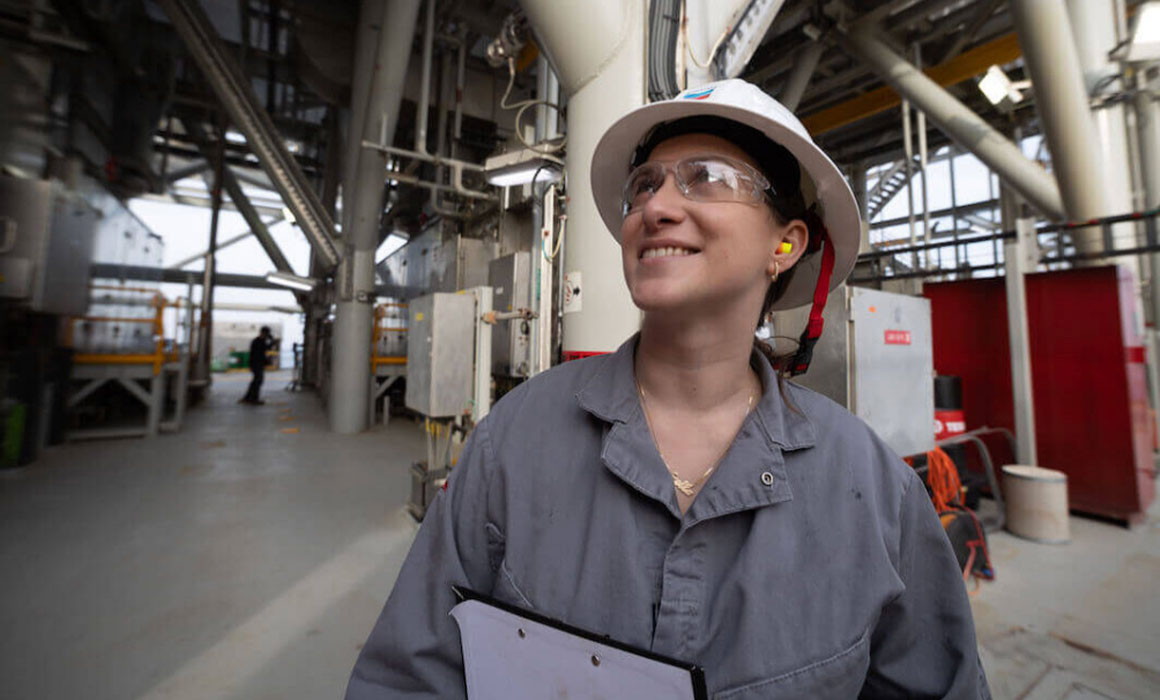
Rafaella Waissertreiger admits with a chuckle she is losing touch with what’s fashionable these days. Each morning, she dons gray, flame-resistant pants and a work shirt, steel-tipped boots, safety goggles, earmuffs, and hard hat, before heading upstairs to work on the Tamar gas platform in the Mediterranean Sea, approximately 15 miles from Ashkelon. Graduating from the Technion in 2020, chemical engineering degree in hand, she is one of Israel’s new breed of workers — a natural gas engineer.
“It’s an honor to help reduce the air pollution in Israel, and to be part of the nation’s efforts to become energy independent,” said Ms. Waissertreiger, a facility engineer for Chevron Mediterranean Limited, which owns the rights to gas deposits off Israel’s coastline.
Israel had long been regarded as a nation rich in brain power but poor in natural resources. That changed in 2009 and 2010 with the discoveries of the Tamar and Leviathan gas fields, which collectively hold substantial amounts of natural gas — far more than Israel can consume. Even though Israel still imports crude oil from several of its Arab neighbors, the natural gas findings could be a game-changer that helps to foster improved relations in the area.
Already Chevron exports about half its Israeli gas via pipeline to Jordan and Egypt, which sends some of that gas to European countries. Israel now uses its domestically produced natural gas to generate 70% of its electricity. “This is a tremendous success story,” said Waissertreiger. “The country’s air quality has improved, government revenues have risen, and Israel has strengthened its energy security. People everywhere share the same desire — to improve their lives. Affordable and cleaner energy resources like natural gas can help humanity achieve this goal.”
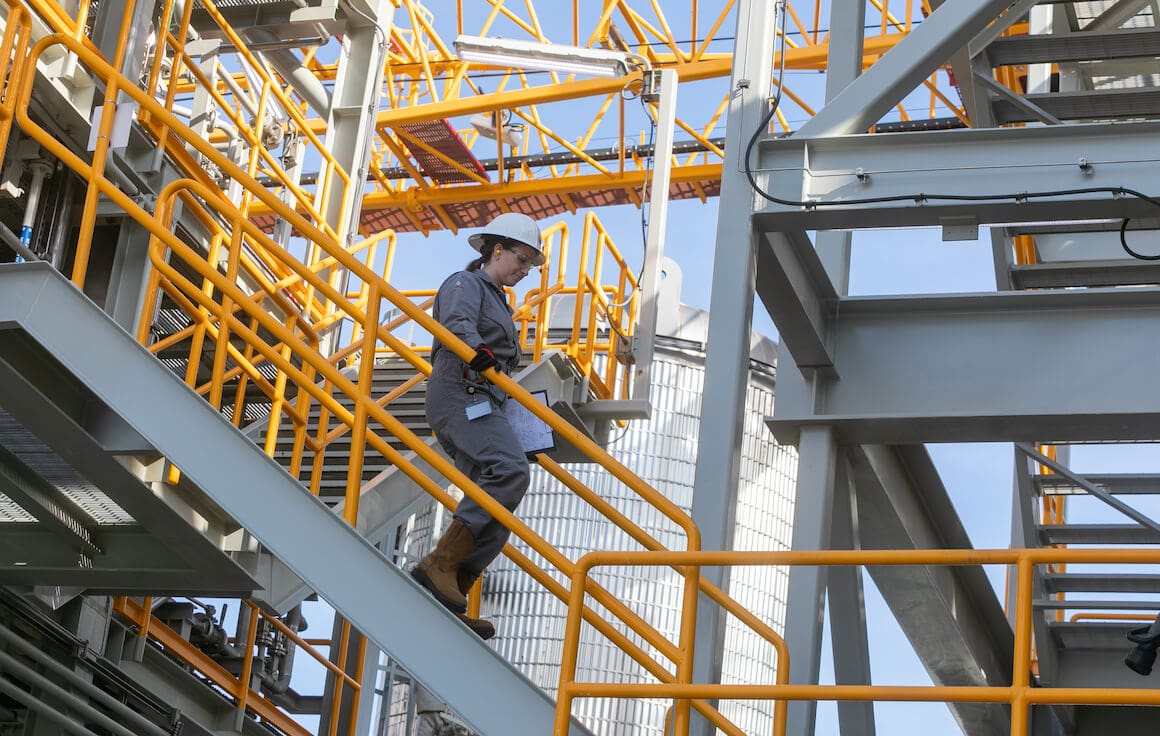
As an offshore facility engineer, Waissertreiger is responsible for operations support and project management. “We’re the eyes on the platform, making sure procedures are followed correctly and everything flows with the standards to keep the platform and personnel safe.” She works with 10 other Technion alumni, including her previous supervisor — and for good reason. Technion students “learn to be proactive, self-disciplined, and to understand the logic behind any process.” Technical and soft skills learned at the Technion “helped me integrate into my role at Chevron.”
Before moving to Tamar in July 2023, Waissertreiger was based at the Leviathan field, where initially she was the only woman among more than 100 men; now there are three. “My first instinct was to try to be a guy,” she recalled. “Then I realized that when I chose to be me, the guys felt more comfortable around me, connected better, and came to me with issues.”
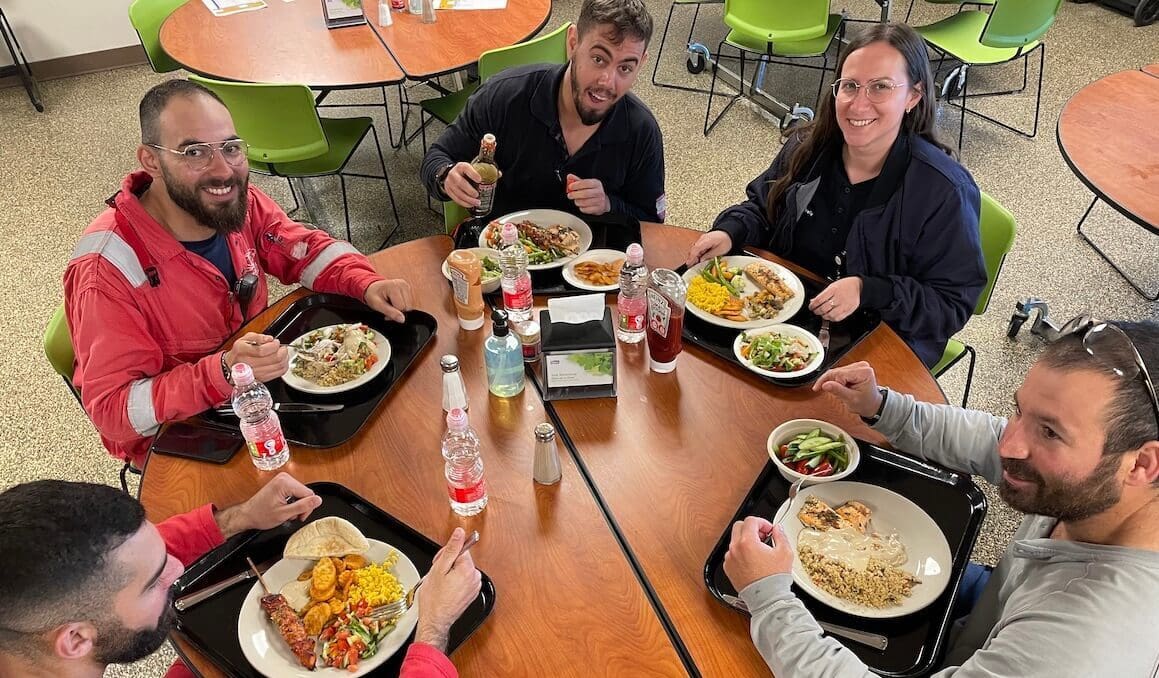
Currently, she works 12-hour shifts, living side-by-side with her colleagues for two straight weeks, then gets two weeks off. Tamar’s living quarters include a dining hall, gym, and communal areas for playing card games and ping pong. Waissertreiger has a private room when she is the only woman aboard. “You live together day in and day out, taking care of each other,” she said. “It’s been less than a year, and yet it feels like my second family.”
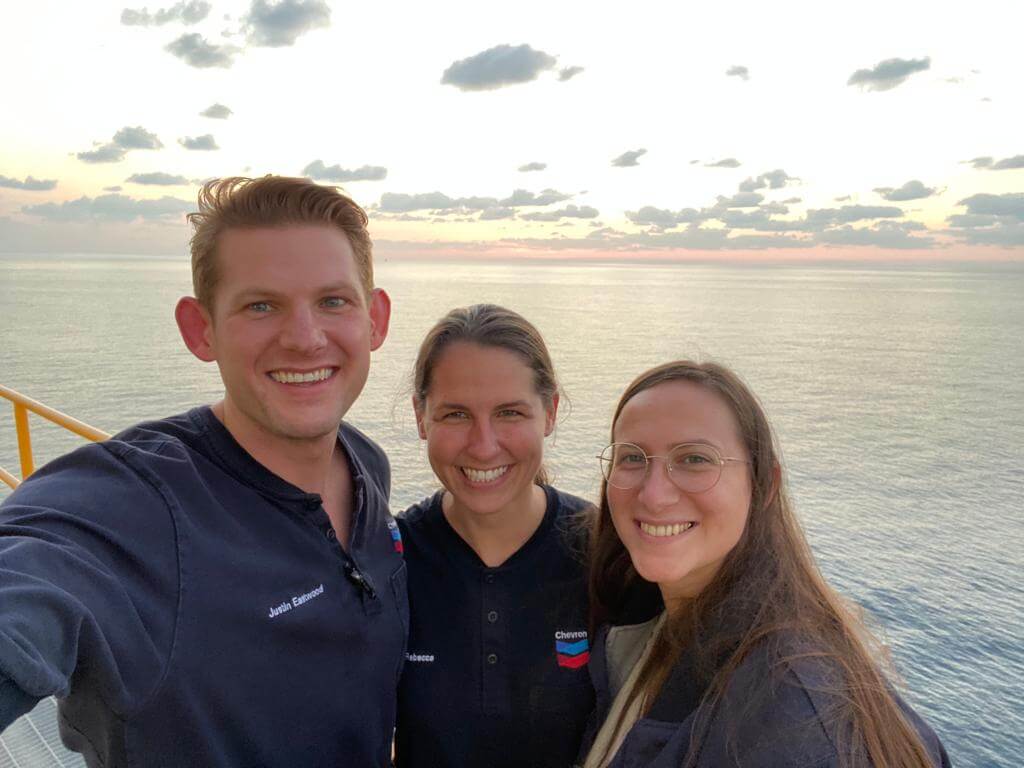
Waissertreiger once thought about becoming a doctor or a veterinarian. Now her love for animals finds its outlet in the wildlife observable in the ocean. On Leviathan, one distinctive sea turtle came around often whom she and her colleagues named Charley. Many nights at Tamar she finds herself sitting outside at twilight watching a family of dolphins at play.
“I feel very lucky, like I won the Lotto,” she said. “There are so many important aspects to the job, and I love being part of it.”