Something Fresh in the State of Denmark
October 06, 2026



















The Technion’s story has been intertwined with Israel’s for more than a century, from laying the foundations for a new nation to shaping its future.

Step inside Israeli innovation at the David and Janet Polak Visitors Center. Experience our 360° immersive movie and tech exhibition. Open to individuals and groups.
Learn More
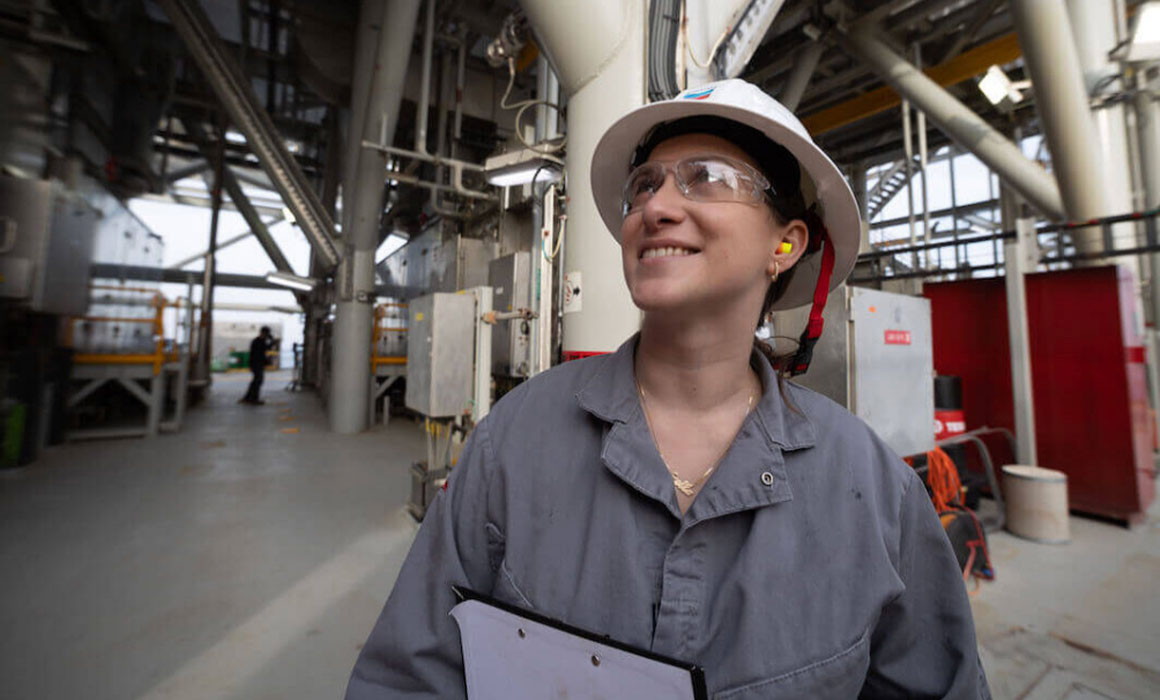
Rafaella Waissertreiger admits with a chuckle she is losing touch with what’s fashionable these days. Each morning, she dons gray, flame-resistant pants and a work shirt, steel-tipped boots, safety goggles, earmuffs, and hard hat, before heading upstairs to work on the Tamar gas platform in the Mediterranean Sea, approximately 15 miles from Ashkelon. Graduating from the Technion in 2020, chemical engineering degree in hand, she is one of Israel’s new breed of workers — a natural gas engineer. “It’s an honor to help reduce the air pollution in Israel, and to be part of the nation’s efforts to become…

An Israeli startup is on a mission to bring the benefit of natural sunlight indoors into our homes, workplaces and even hospitals. Solight addresses the issue of lack of sunlight in indoor spaces by creating a solar lighting system that takes the natural light of the morning and afternoon hours and channels it into desired spaces, providing health benefits to those stuck inside and cutting exposure to artificial light. The company was founded in 2012 by brothers Ofer and Dror Becker, who recognized the energy-saving advantages of sunlight but also realized that its health benefits shine brightest. Solight Founder and…

Despite the ongoing war and its effects on Israel’s younger population, an Israeli team won first place at the international robotics competition in Houston, Texas, at the end of April, for the first time in twenty years. This competition is run by a non-profit organization called FIRST which strives to expose students to STEM-related subjects through different robotics competitions. With the support and sponsorship of the Technion – Israel Institute of Technology, FIRST Israel offers children programming from when they are in primary school to when they attend high school through which they can learn about robotics as part of…
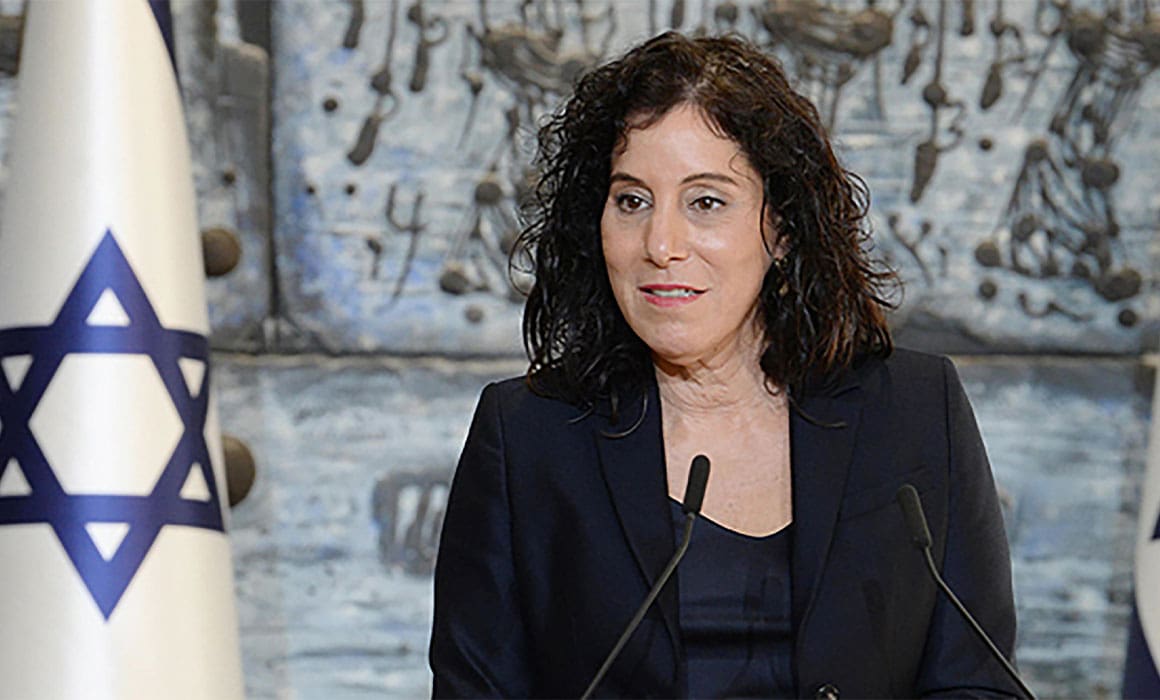
“Every time I’d bring him a project, he’d hand it back full of comments and tell me, ‘You can do better,’” said aerospace engineer Inbal Kreiss ’88, who fondly recalled that lesson learned as a student from Technion Professor Yeshayahu Talmon. And that advice helped shape her career. Kreiss, a graduate of the Wolfson Faculty of Chemical Engineering, is today head of innovation at the Systems Missiles and Space Group of Israel Aerospace Industries Ltd. (IAI), the nation’s prominent aerospace and aviation corporation. Since joining IAI in 2000, she has held leadership positions on projects that have contributed to Israel’s…
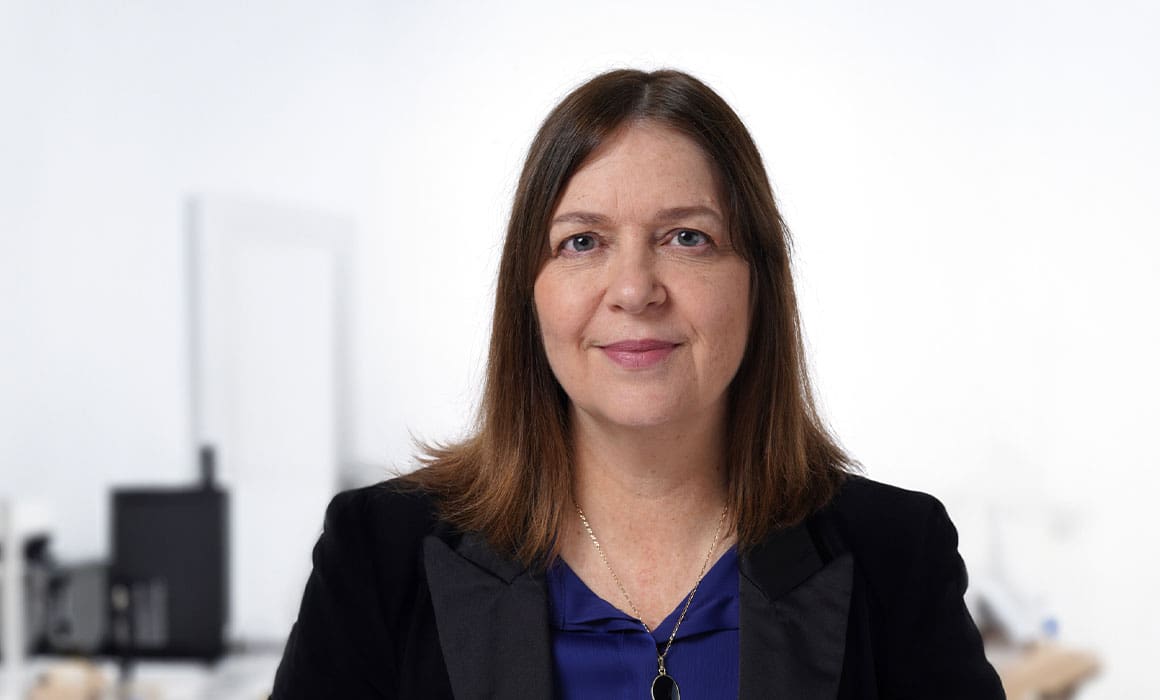
Judith Hocherman-Frommer always envisioned an academic career at the Technion. After all, she spent 10 years there. She received a bachelor’s degree (’87) in electrical engineering followed by a master’s (’90) and doctoral degree (’94) in control systems. After a postdoc at Princeton University, she taught as an adjunct lecturer for three years, while working full time at Rafael Advanced Defense Systems. “I thought I would get some real-world experience before immersing myself in academia,” she said. She intended to stay for one year, but 27 years and five promotions later, Hocherman-Frommer is the executive vice president for research and…

An innovative, noninvasive Israeli medication administered through the nose hopes to be a life-changer for people suffering acute spinal cord injuries – even helping them to walk again. NurExone Biologic Inc. developed ExoPTEN, which treats damage to the nervous system, from a concept created by two members of its Scientific Advisory Board: Prof. Shulamit Levenberg of the Technion – Israel Institute of Technology and Prof. Daniel Offen from Tel Aviv University. (Another member of the board is Prof. Gabriel Zeilig, the head of the National Spinal Cord Injury Rehabilitation Unit at Sheba Medical Center, Israel’s largest and globally renowned hospital.)

In this captivating episode of Lexicon Podcast, we delve into the fascinating world of fluid mechanics with Professor Moran Bercovici. From his groundbreaking research in microfluidics at Technion – Israel Institute of Technology, to pioneering applications in space technology and vision enhancement, Moran shares insights into how fluid mechanics can shape the future, from improving eyesight in developing countries to enabling advanced space exploration.

An award of $1.3 million has been split between seven Israeli climate tech startups as part of the startup category of the Climate Solution Prize, an initiative created to encourage innovation in this field. The selection for the track was carried out by Startup Nation Central, a Tel Aviv-based nonprofit dedicated to promoting Israeli innovation, and the Climate Solutions Prize Organization. The winners include: Filo System, whose data compression engine provides storage and networking saving, which lowers energy consumption and cooling cost for data centers; TIGI Solar CEO Zvika Klier is a Technion alumnus.
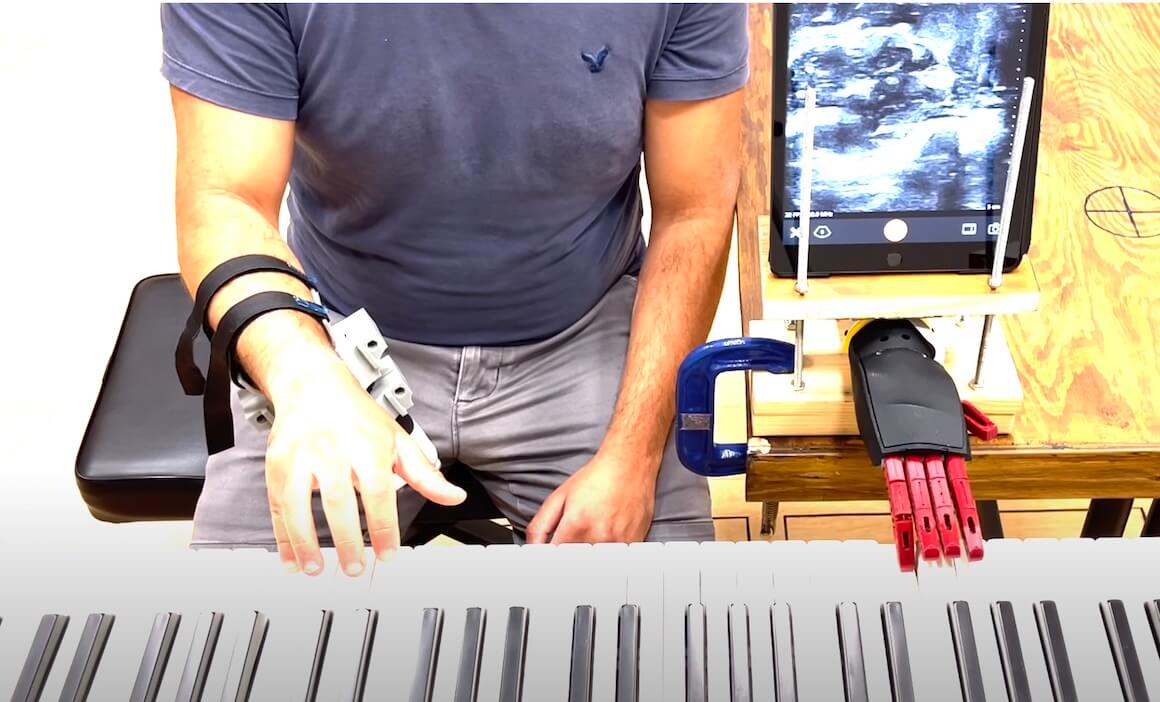
Despite advances in technology, providing amputees with prosthetics that mimic real limbs is an ongoing challenge. They may be more aesthetically pleasing than they used to be but are not necessarily practical. For example, a prosthetic hand may help wearers hold a cup and drink from it, but making the coffee, using a computer, or playing the piano involves much more complexity. “Many people who have lost a hand give up on the prosthesis after a short period because it is heavy, cumbersome, and its effectiveness is very limited,” said Dean Zadok, a Ph.D. student in the Henry and Marilyn…
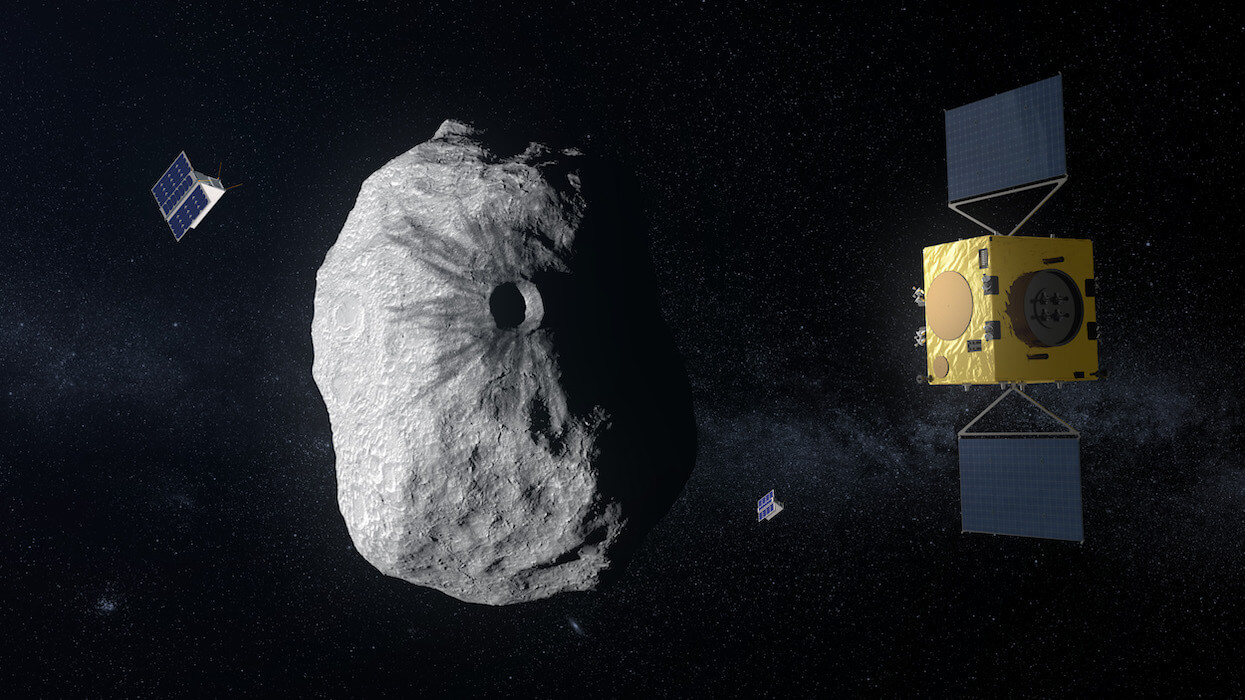
Ever since scientists embraced the evidenced-backed theory that an asteroid impact on Earth caused the extinction of dinosaurs, researchers, sci-fi enthusiasts, and ordinary citizens have been concerned about it happening again. This possibility has been depicted in various dystopian films, books, and TV series, including “Don’t Look Up,” “Deep Impact,” and Amazon Prime’s hit TV show, “Expanse.” In reality, the phenomenon remains a tangible threat that experts are studying worldwide. And now Technion researchers are participating in the Hera project, led by the European Space Agency (ESA), which marks the first attempt in history to divert an asteroid from its…

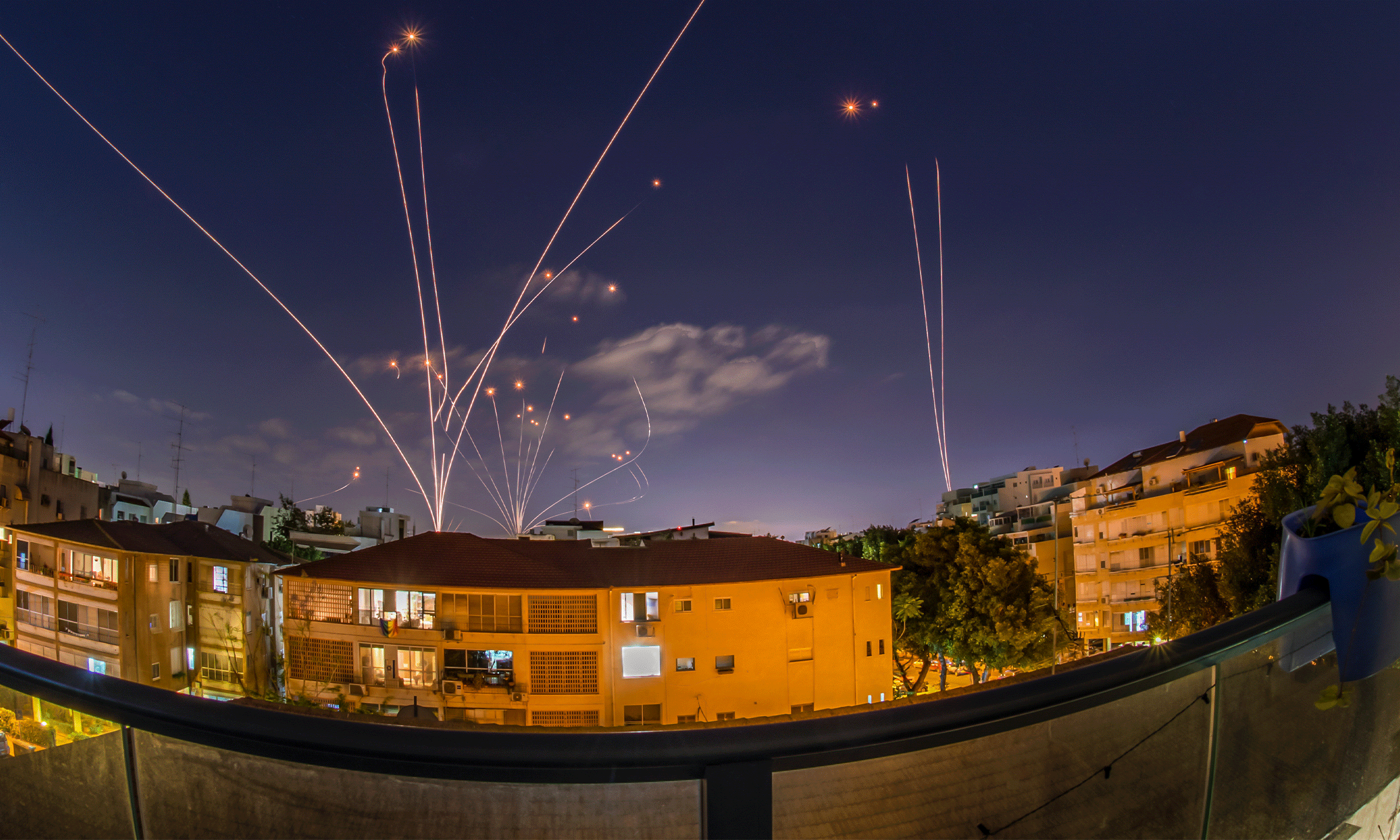
Going from development on Israel’s world famous Iron Dome missile defense system to maximizing energy usage might sound a little odd, but to Ron Halpern, chief commercial officer at mPrest, the software company behind the platform, the transition was a natural one. “Iron Dome essentially is a real-time distributed asset optimization system; the assets happened to be interceptors,” Halpern tells NoCamels. mPrest CEO and Founder Natan Barak and CTO Noam Arbel are Technion alumni. Iron Dome was developed in large part by Technion alumni working at Rafael Advanced Defense Systems.

A sensor that measures the “heartbeat” of a plant is being used by farmers around the world to optimize the growing process, most notably how much water it needs, at a time when weather patterns are shifting and becoming unpredictable due to climate change. Almost all plants, big and small, rely on the process of photosynthesis (using light, carbon dioxide and water to produce oxygen and energy), and the correct conditions are crucial for its survival. But for farmers, knowing how much water to give each plant can be an inexact science, with agriculturalists generally relying on experience and intuition…