Something Fresh in the State of Denmark
October 06, 2026












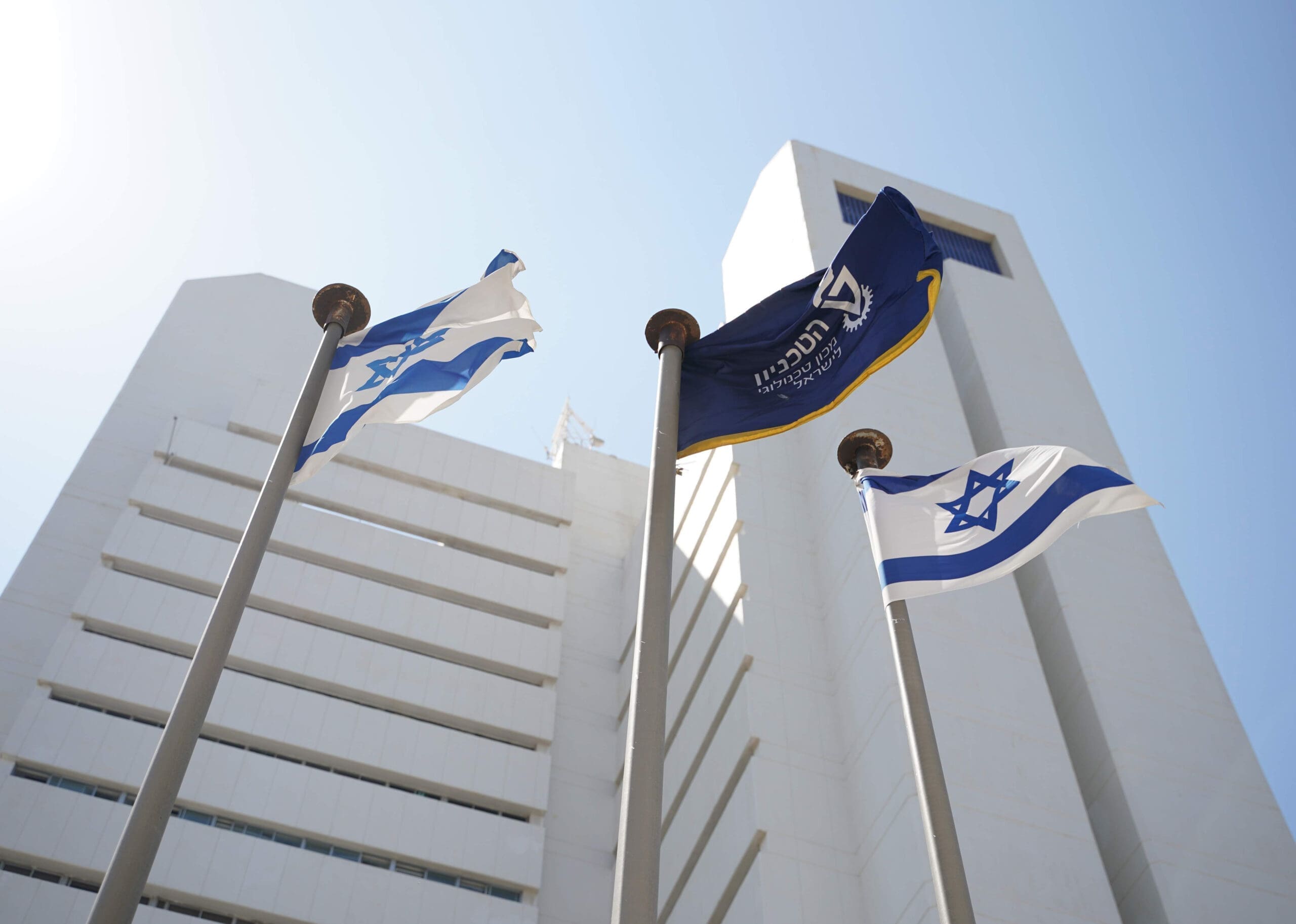



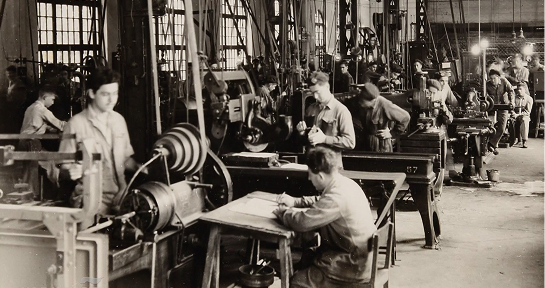
The Technion’s story has been intertwined with Israel’s for more than a century, from laying the foundations for a new nation to shaping its future.

Step inside Israeli innovation at the David and Janet Polak Visitors Center. Experience our 360° immersive movie and tech exhibition. Open to individuals and groups.
Learn More

A.J. searched several jewelry stores to find the perfect wedding ring for his fiancée, but nothing was quite right. So being the Technion student he is, he taught himself 3D modeling, designed it in 3D software, found the stone he wanted, and searched for the perfect jeweler and goldsmith to put it together. That’s before arranging for a friend of a friend to stealthily deliver the ring to him in Vienna, check that the sun would shine in just the right spot in the botanical garden in the Belvedere Palace where he would propose, and cover informational signs in the…

R.B.Z.E. is about to complete her doctorate in the Technion’s Ruth and Bruce Rappaport Faculty of Medicine. She is also a mother of two boys, ages 6 years and 16 months, and chief executive officer of Wisemama, which supports women who are combining parenthood and academic studies. While R.B.Z.E. was working on her master’s degree with a toddler at home, she relied on a friend who had completed an advanced degree with children. “She helped me through challenges unique to student mothers, and I couldn’t have done it without her,” she said. “That’s why I started Wisemama.” The mentoring project…

Since October 7, tens of thousands of wounded soldiers and civilians in Israel have embarked on rehabilitation processes. According to relevant professionals, a large share of them is not only coping with physical challenges but also with anxiety, depression, post-traumatic stress disorder (PTSD), problems adapting, problems communicating, and psychotic conditions. Consequently, it’s crucial to find efficient solutions related to mental resilience. To that end, the Technion’s Henry and Marilyn Taub Faculty of Computer Science dedicated its annual social–technological hackathon, CS Hack: Doing Good, to developing solutions to improve mental resilience. Each year, the hackathon chooses a theme for innovation that…

This month, 136 new doctors received their medical diplomas from the Ruth and Bruce Rappaport Faculty of Medicine at the Technion. Twenty-six of them graduated with honors, five with special distinction, and 14 completed the prestigious M.D.–Ph.D. program, which combines medicine and research. Three of the outstanding graduates claim proud family legacies at the Technion and in medicine.

Many of us rely on the internet for images we need in our daily work or correspondence. But all too often, the search doesn’t always hit the mark — despite continuous advances in artificial intelligence. For instance, you need a picture of a female CEO but most of the images popping up are of men. You’d like to playfully send your girlfriend a picture of roses in her favorite color, lavender, but you can only find red. Better results could be coming your way, thanks to a team of Technion doctoral students and alumni working with Technion Assistant Professor Yonatan…

“Stay positive,” we’re told when suffering from an illness. It’s easy to dismiss such comments as platitudes from well-meaning friends. But Technion scientists have demonstrated that activation of the brain’s reward system can boost recovery from a heart attack. Establishing the connection between the two can potentially lead to therapeutic avenues for intervention. “It’s time that both researchers and clinicians take the link between psychology and physiology seriously,” said Technion Associate Professor Asya Rolls, a psychoneuroimmunologist and pioneer in mind-body interactions. Scientists have previously shown that the emotional state can influence the course of disease following a heart attack. But…

Karwan Halabi, a 29-year-old from Usfiya, a Druze village in northern Israel, is a biomedical engineer working as a research and development support specialist at Ossio, a medical equipment company. She is also Israel’s champion in various long-distance running events, married, and a participant in the series “Diary of a Sportswoman” (directed by Suha Araf), which focuses on female athletes from the Arab sector. “A few weeks ago, while competing in a 2,000-meter steeplechase in Germany, I collided with a hurdle and fell hard on my head and side. I got up feeling a bit dizzy but continued running and…

Captain (res.) Denis Krokhmalov Veksler z”l was due to begin his studies this year at the Technion, pursuing his dream of becoming an aerospace engineer. But, on January 8, just weeks before the start of the school year, Captain Krokhmalov Veksler tragically fell in battle in the Gaza Strip. His ultimate sacrifice is being memorialized through a collaboration between the Technion and Israel Aerospace Industries (IAI) to develop a communications satellite.

Exposure to nature and the natural world during daily activities such as walking to and from work reduces stress and anxiety, according to a new study at the Technion – Israel Institute of Technology in Haifa. Using eye-tracking technology, Technion students who participated in the study walked around the campus to simulate a daily walk to work or school. The students formed three separate groups: one whose members made a point of observing the nature around them and stopped 10 times at “green” spots that included elements of the natural world; one group whose members also stopped at 10 points,…

Even before the establishment of the State of Israel, faculty, students, and alumni of the Technion helped develop and manage water resources in a desert land. They contributed to the national water carrier that brought water from the Kinneret (Sea of Galilee) in the north to the drylands in the south. They improved technologies for water treatment, desalination, and drip irrigation. These efforts have turned Israel from a water-deficient to a water-abundant country. Today, Israel leads the world in water reclamation, recycling more than 90% of its wastewater for use in agriculture and industry. No longer reliant on the Kinneret,…
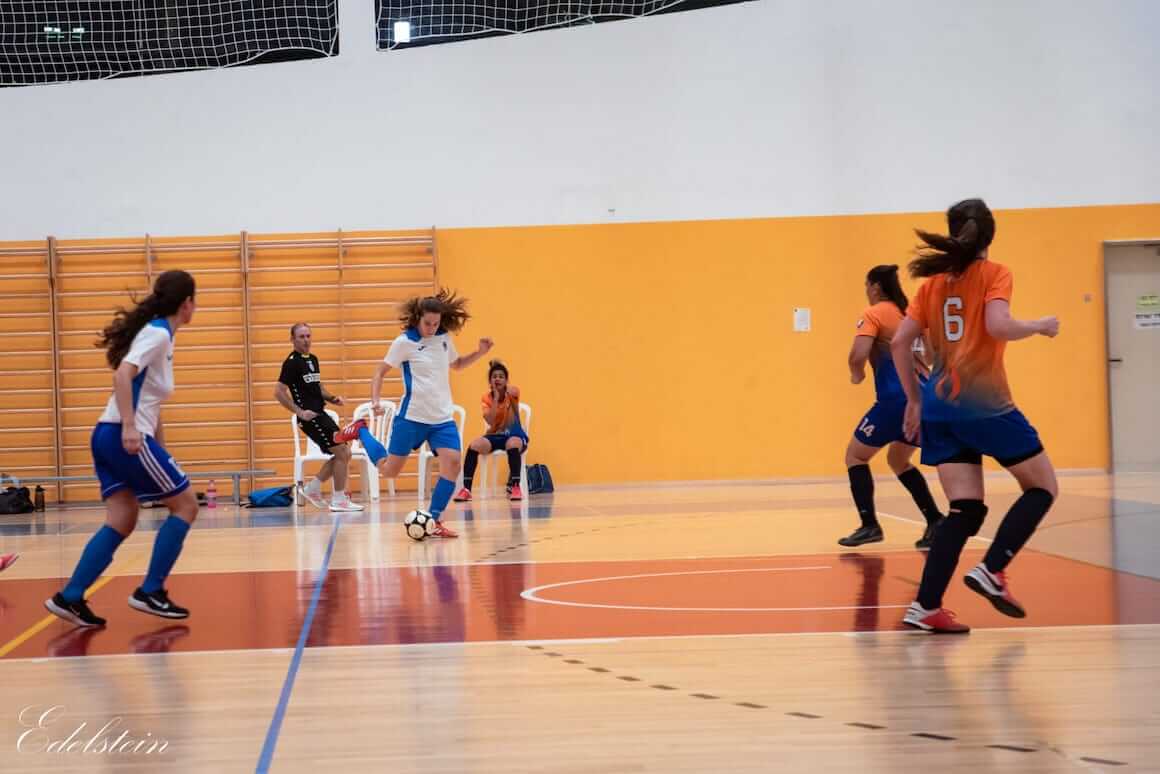
For Israel and many countries, the game of soccer, which most of the world calls football, is a symbol of national pride, inspiring passion and loyalty in fans worldwide. A variation of the sport that is gaining traction is called futsal, and the Technion has a winning women’s team. Last summer, the Technion’s women’s futsal team reached new heights following its qualification for the European Universities Futsal Championship. Their participation was ultimately canceled due to the war, but the coach and players believe the opportunity will return. Futsal is a type of soccer with five members per team that is…
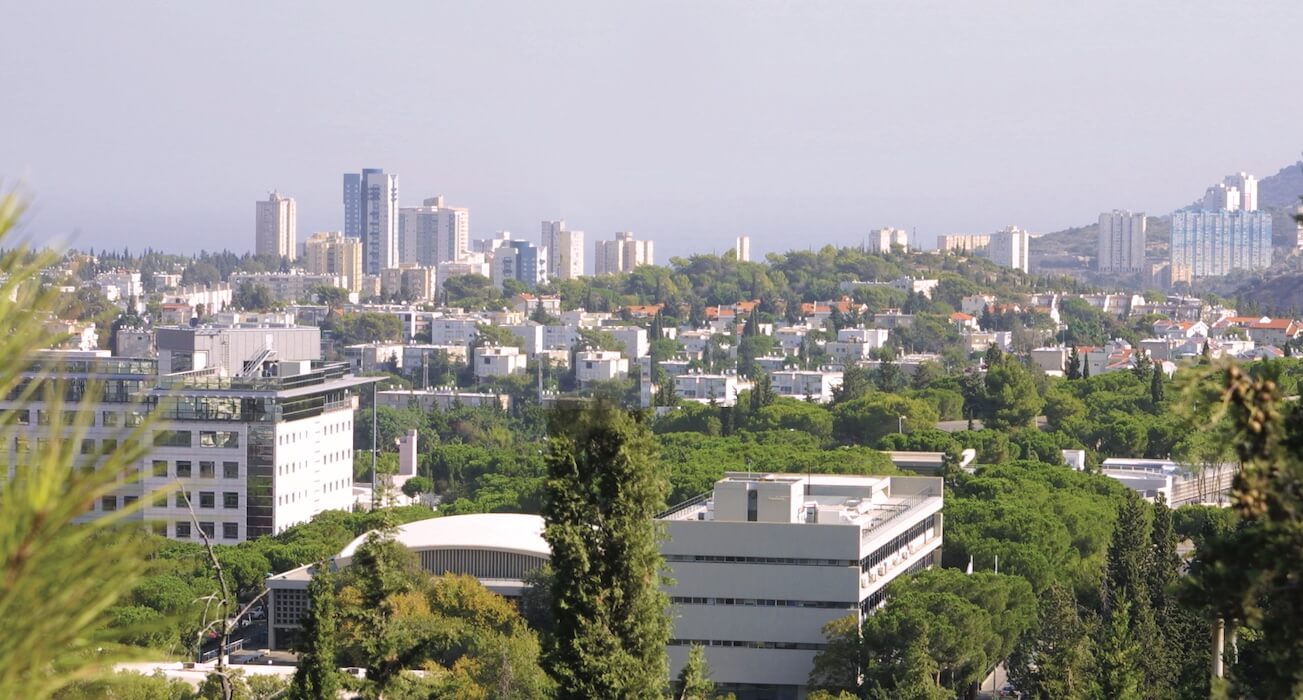
Since it was founded in 1912, the Technion – Israel Institute of Technology has contributed massively to every aspect of Israel’s development. It has trained generations of first-rate scientists, engineers and architects who have consistently taken on leadership positions at the helm of Israeli industry. Moreover, through the years members of the Technion community have shined not only as highly respected scientists and educators, but also as pioneers in a wide variety of technological fields. Indeed, research conducted on the Technion’s campus has led to innumerable breakthroughs, many of which have made a real impact on humanity. Redefining relations with…