Something Fresh in the State of Denmark
October 06, 2026






















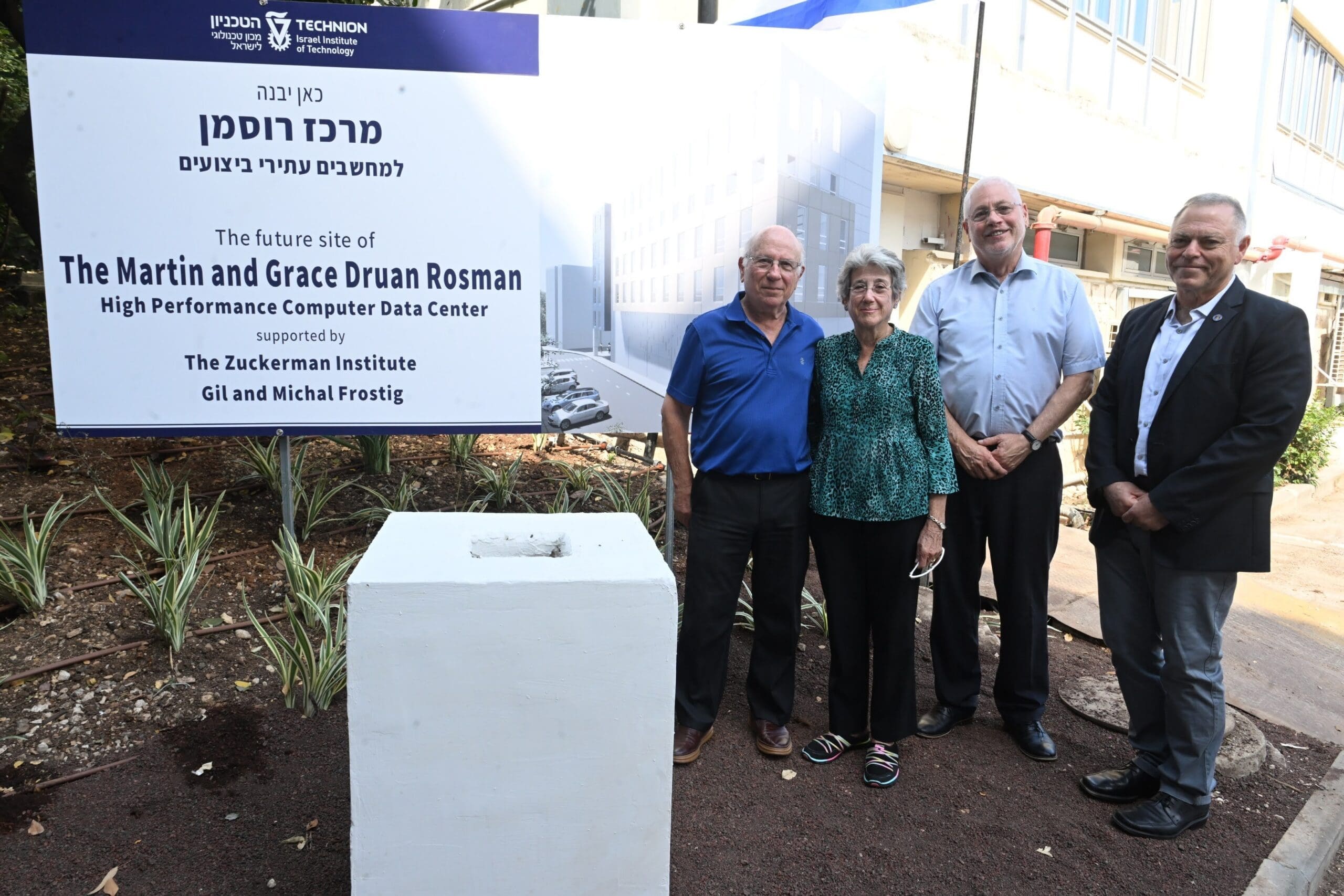







The Technion’s story has been intertwined with Israel’s for more than a century, from laying the foundations for a new nation to shaping its future.

Step inside Israeli innovation at the David and Janet Polak Visitors Center. Experience our 360° immersive movie and tech exhibition. Open to individuals and groups.
Learn More
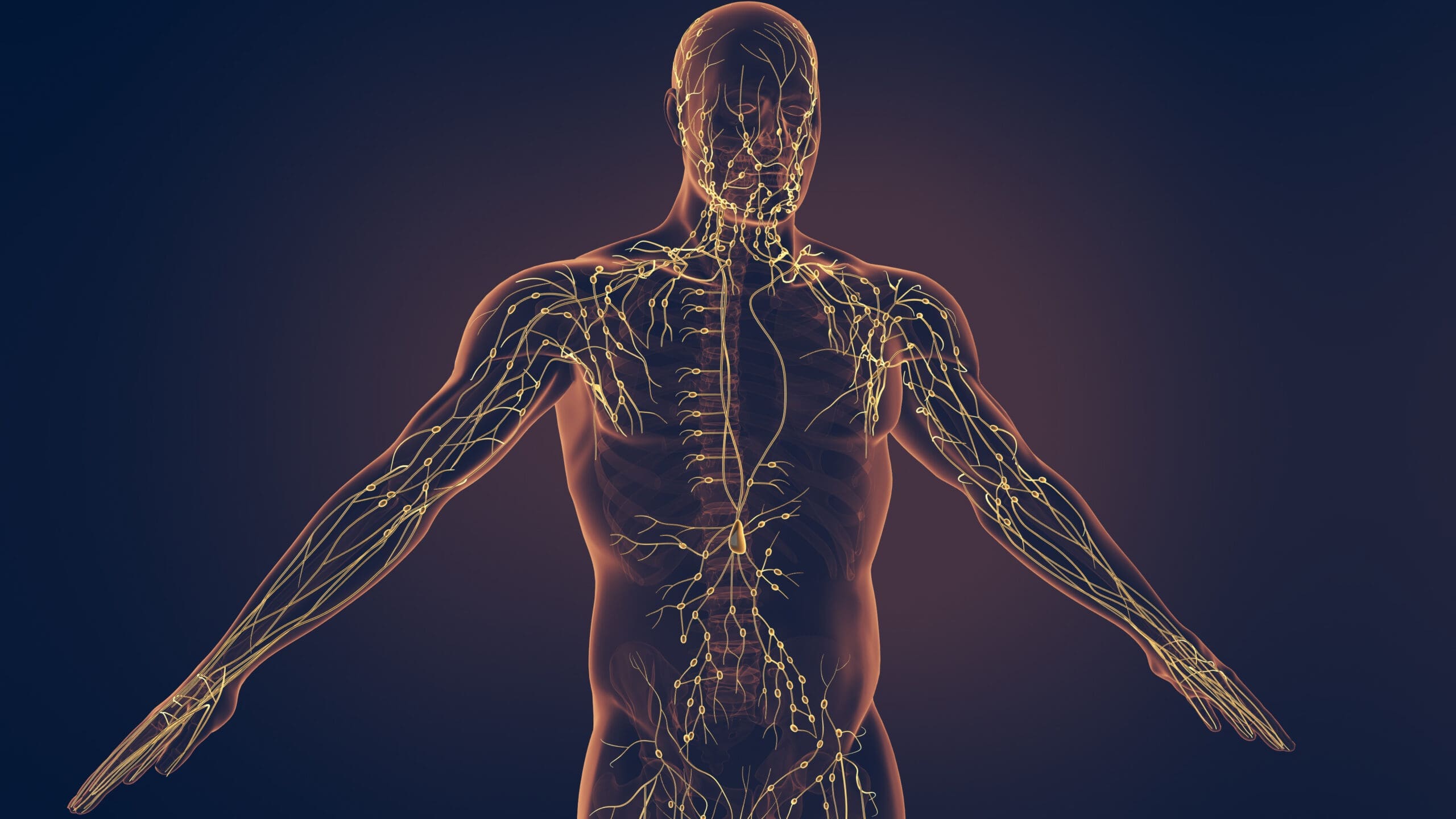
Imagine being able to peer into your immune system and see not just how healthy you are today, but how your body fights, adapts, and ages over time. Journalist David Ewing Duncan recently had the chance to do that. Instead of a standard blood test, he tried a new kind of immune analysis. This test doesn’t look at a handful of markers. It examines nearly a million immune signals with advanced technology and machine learning to create a personal immune health score. The idea is to detect illness before symptoms appear, understand how people will respond to treatments, and even…
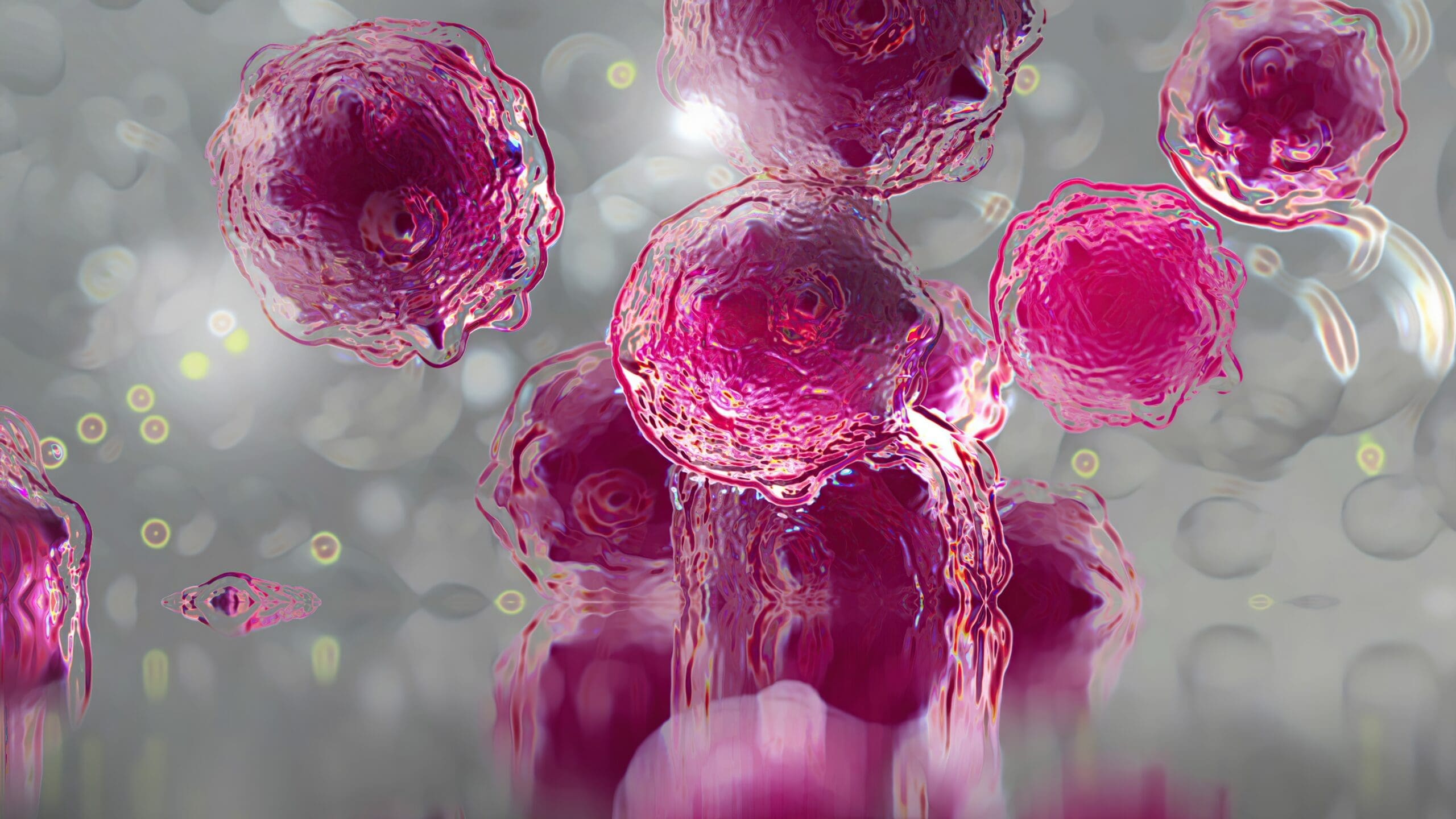
IceCure Medical’s tumor-freezing treatment ProSense has nabbed FDA approval, making it the first medical device of its kind to be endorsed for the local treatment of breast cancer. The Israeli medical technology company saw its shares jump more than 17% afterhours Friday, Oct. 3, after the company announced the approval. Shares lost some of their gains by Monday morning and were trading up about 8% from Friday’s close. Treatment with ProSense involves a minimally invasive outpatient procedure that aims to destroy tumors by freezing them, all without the need for surgical removal of breast tissue. This approach also allows for…

Pigs have long carried a bad reputation. They are often described as dirty, greedy animals that eat everything in sight and spend their days lying around. In reality, none of these stereotypes are true. Pigs are intelligent, have a highly developed sense of smell, and like to stay clean. They often roll in mud, not because of laziness but to cool down and protect themselves from parasites. But there is another, far more important fact about pigs: they are now at the center of a medical revolution that could transform the future of organ transplantation. With demand for donor organs…

Their music is one of the most influential examples of mind-altering psychedelic rock. But scientists say listening to Pink Floyd really does have an effect on your brain cells – and could make them more susceptible to future treatments for Alzheimer’s and Parkinson’s. The surprising finding comes from a study in which researchers played the band’s 1979 hit, Another Brick In The Wall, and monitored the impact it had on brain cells in humans and mice. They found the low-frequency sounds in the song made cells ‘vibrate’ and caused certain parts of the brain to ‘light up’, indicating greater activity,…

Scientists at the Technion – Israel Institute of Technology have developed a smart biological adhesive that could change the way wounds are treated and surgeries are performed. The new material, which mimics the natural sticking ability of mollusks on wet surfaces, can bond to tissues within seconds and safely biodegrade inside the body. For decades, surgeons have relied on stitches and metal staples to close incisions and stop bleeding. While effective, these methods are invasive, painful and can lead to infections. The Technion’s breakthrough offers a less invasive, more tissue-friendly alternative. The development, patented and recently published in the scientific…

Maayan Kinsbursky “I am a 31-year-old industrial designer, a wife, and a mother to a baby. I hold a bachelor’s degree in industrial design from Bezalel Academy of Arts and Design and a master’s degree in industrial design from the Technion – Israel Institute of Technology, which I completed with honors. My thesis focused on […]

A groundbreaking wearable device is set to change how diabetes is managed through personalized, real-time care. Developed by researchers in Israel and China, the microneedle-based system offers a new level of patient support. It lets doctors and patients track disease markers and medication levels at the same time, without drawing blood. The device works in real time and is painless, providing critical health data through the skin’s interstitial fluid. Professor Hossam Haick of the Technion-Israel Institute of Technology led the research with Sun Yat-sen University colleagues. Their findings were recently published in the scientific journal Nature Communications, highlighting the system’s…

This week, two Israeli neuroscientists have rolled out a blood test in the US and Israel that they say can measure the responsiveness of a patient with major depressive disorder to common antidepressants. Depression is one of the most common forms of mental disorder, affecting more than 330 million people worldwide. Treatment methods rely primarily on a taxing trial-and-error process to find the right prescription drug, which can take years. In Israel, the psychological toll of 23 months of war and counting has made the need for effective mental health treatment felt more than ever. The blood test, created by…

Dr. Eyal Orion did not dream of being an entrepreneur, certainly not a serial entrepreneur. He knew little about economics or entrepreneurship. By the age of 30, he had not yet decided what he truly wanted to do in life. Even while on a seemingly safe path at the Technion’s medical school, doubts about whether medicine was the right choice never gave him any rest. Today, nearly two decades later, he is one of the most prominent figures in Israel’s medical device industry. He spent his childhood in Ramat Efal as one of four siblings. His parents still live in…

As global life expectancy rises, a pressing question emerges: How can we maintain health and vitality in our later years? This question is at the heart of the Technion’s latest initiative — the Healthy Aging Institute, a groundbreaking endeavor that challenges traditional boundaries in academic research. Breaking Down Barriers to Tackle Aging The Healthy Aging […]

At the Technion, researchers are unraveling the fierce battles our cells wage against viruses, uncovering how gut microbes shift the tide in chronic disease, and revealing the brain’s surprising power to heal broken hearts. From revolutionary dual-target antibodies that outsmart the flu to groundbreaking discoveries in inflammation, these breakthroughs are rewriting the future of medicine — promising lifesaving therapies that arrive faster, hit harder, and change everything.
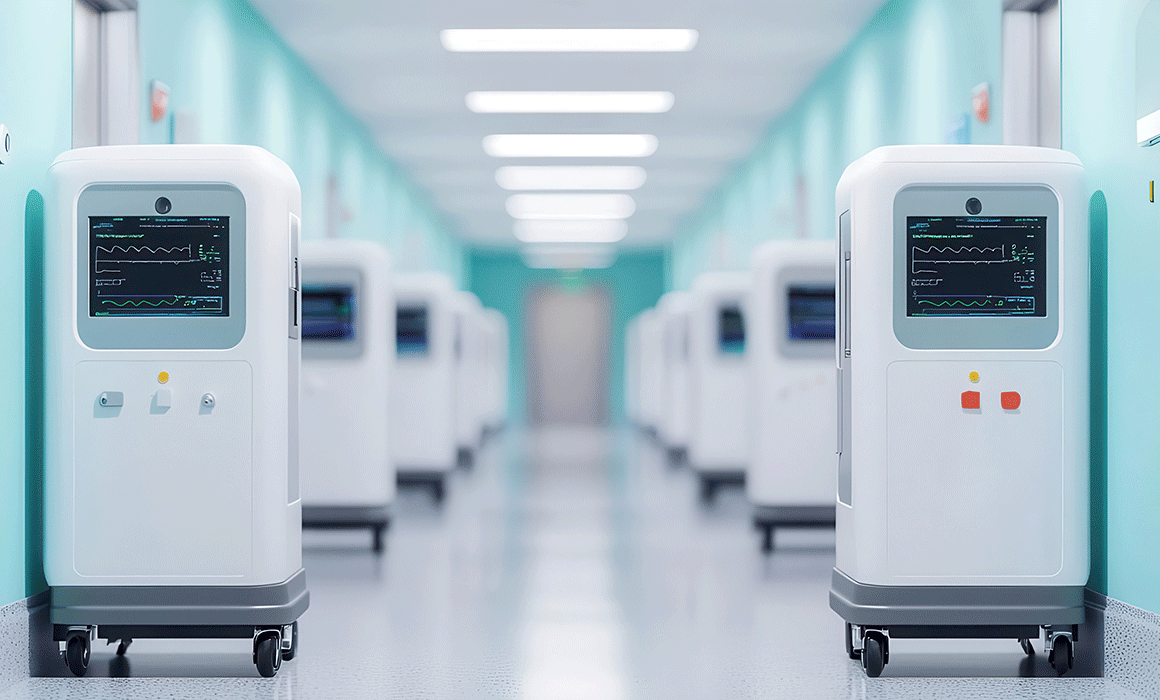
Medical crash carts — stocked with medications, syringes, gauze, and IV fluids — are essential tools in emergency rooms, where seconds matter, space is tight, and confusion can cost lives. However, despite their importance, crash carts vary widely in layout between hospitals and departments. In high-stress situations, this inconsistency can lead to delays as providers search for supplies or open the wrong drawers. That’s why a team of Cornell researchers set out to reimagine the traditional crash cart, transforming it into a robot designed to support, not disrupt, emergency care teams during critical, time-sensitive procedures. Their work, led by Angelique…