Something Fresh in the State of Denmark
October 06, 2026




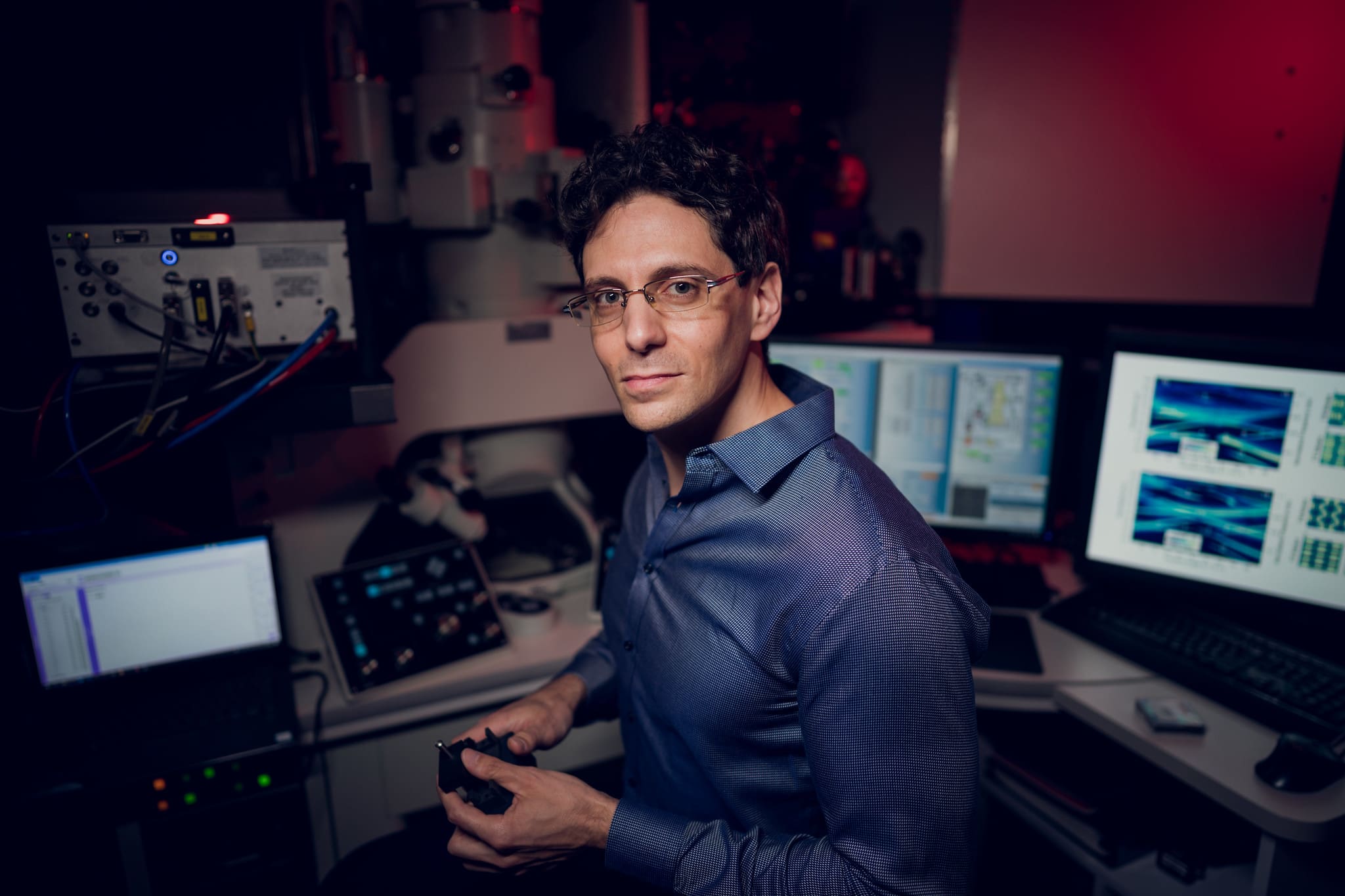










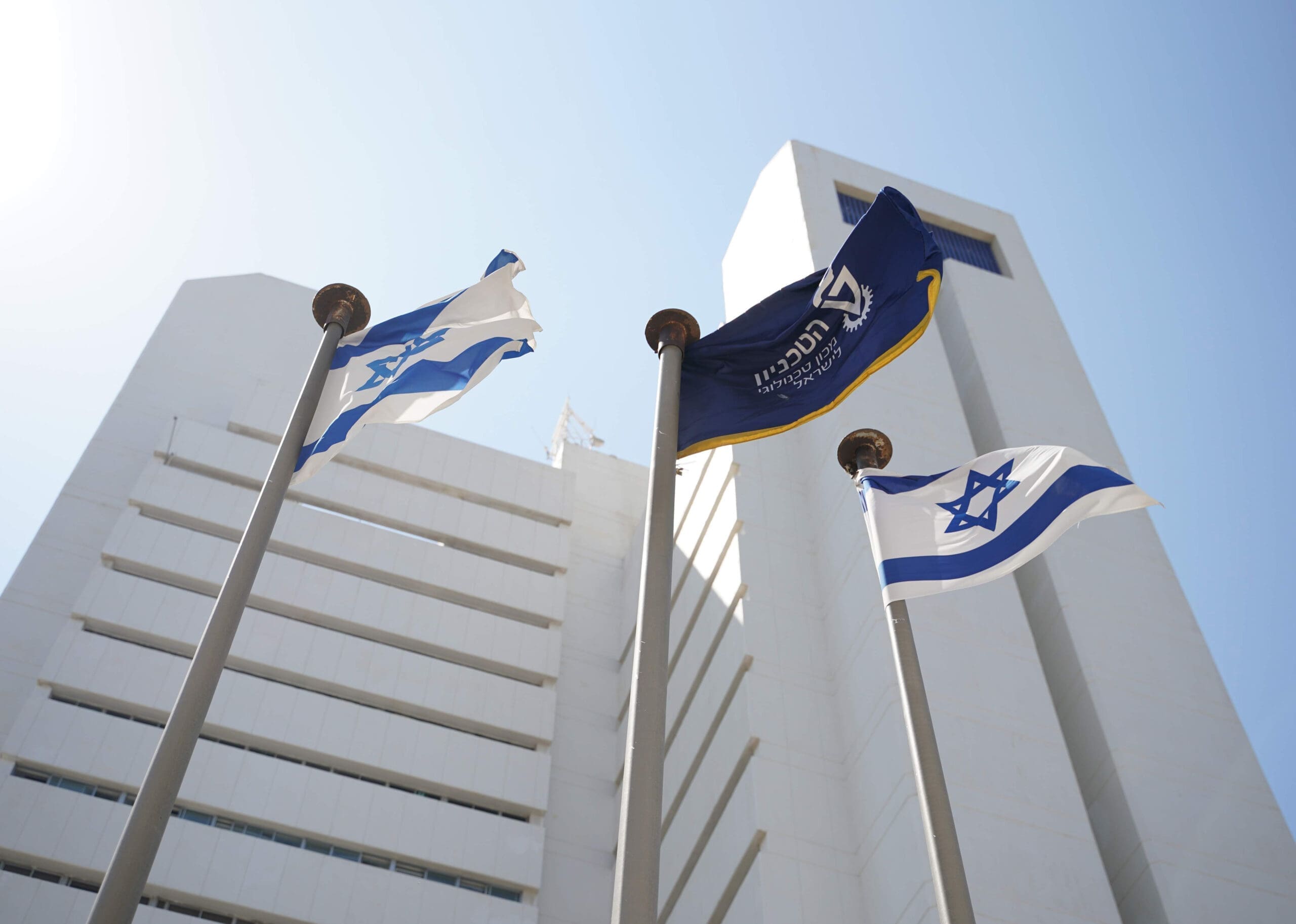



The Technion’s story has been intertwined with Israel’s for more than a century, from laying the foundations for a new nation to shaping its future.

Step inside Israeli innovation at the David and Janet Polak Visitors Center. Experience our 360° immersive movie and tech exhibition. Open to individuals and groups.
Learn More
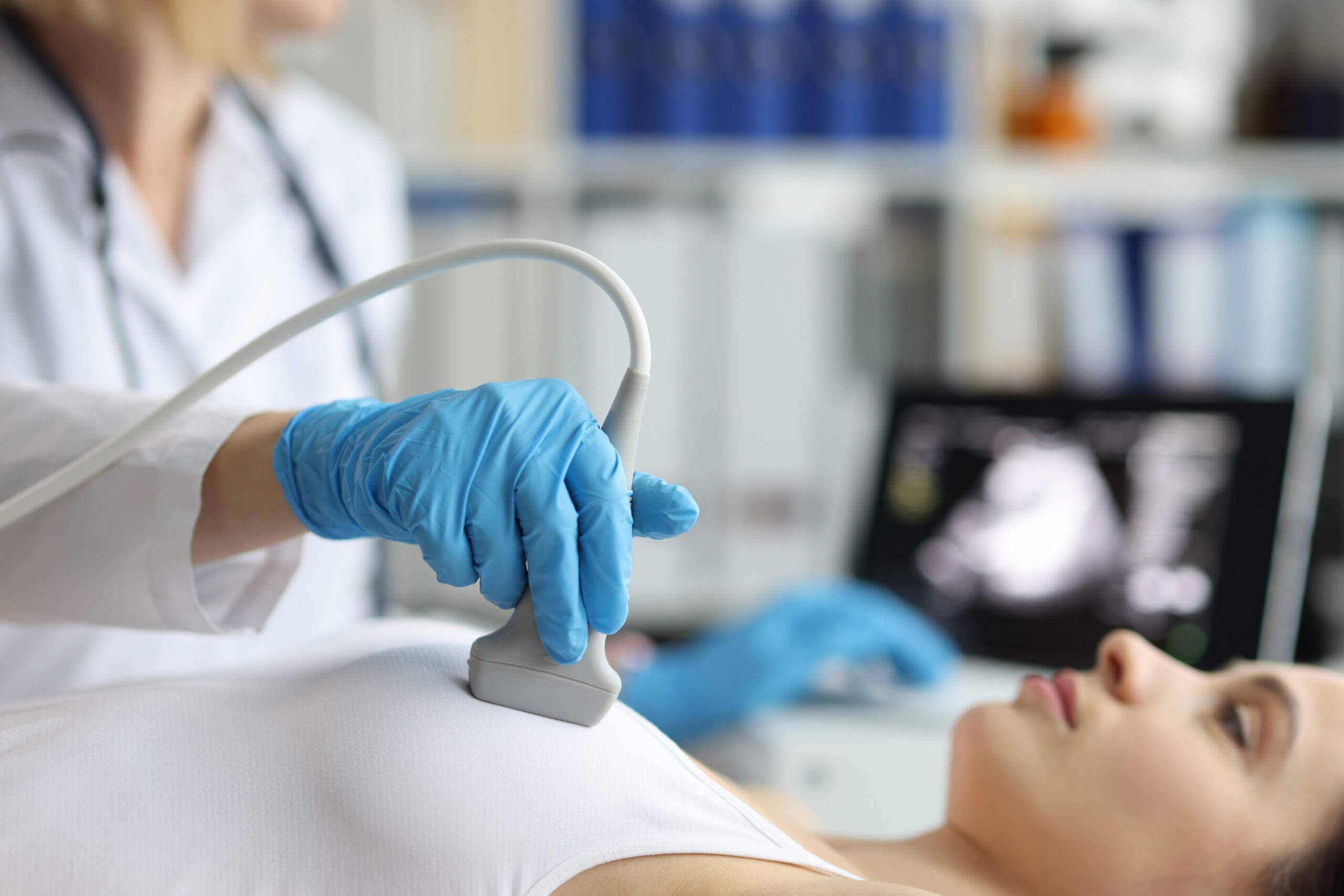
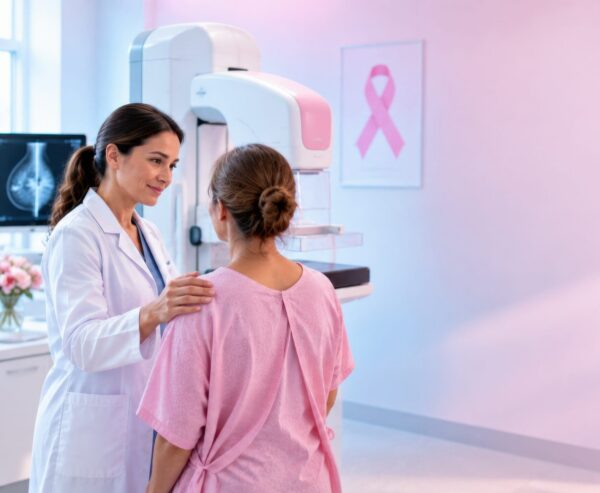
An innovative technology developed by researchers at the Technion – Israel Institute of Technology could lead to a fundamental shift in the cancer treatment paradigm. They created advanced nanoparticles that successfully halt aggressive triple-negative breast cancer tumors – without releasing a single drug molecule. The particles operate through a sophisticated interaction with the immune system, changing the rules of the game by delivering a biological message to the tumor microenvironment and to immune system cells. Published in ACS Nano, the study was led by Ph.D. candidate Ofri Vizenblit, with the assistance of Ph.D. candidate Rawan Mhajne, under the supervision of…
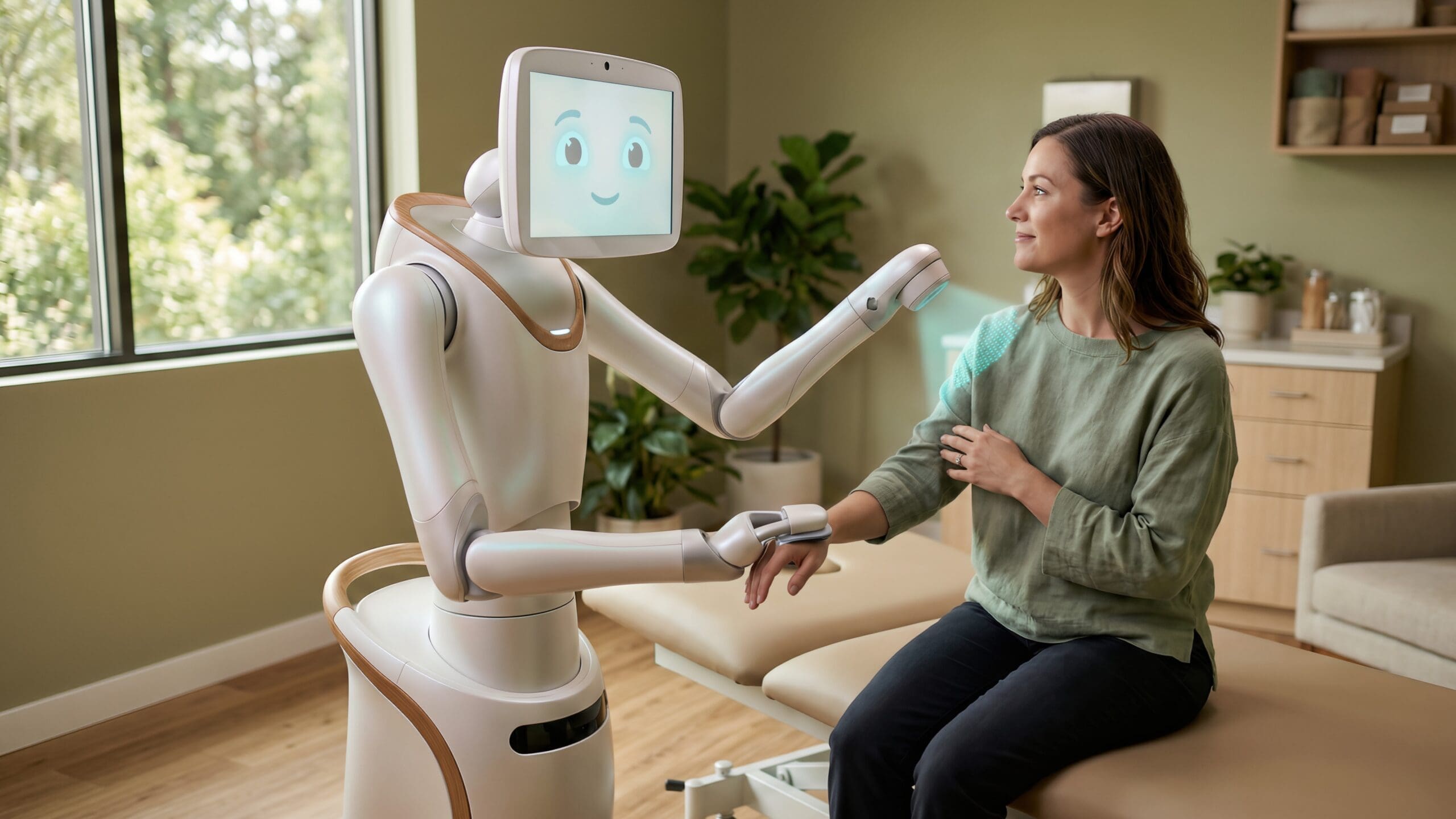
As robots enter hospitals and care facilities, questions remain about whether they actually make care easier for the people who give and receive it. A new Cornell Tech-led study approaches that challenge by inviting healthcare workers, long-term care residents, and community members to help design the robots themselves. Presented at the 2026 Association for Computing Machinery CHI Conference on Human Factors in Computing Systems, the research documents a 14‑week “co-design” project in which nurses, doctors, nursing center residents, artists, engineers, computer scientists, and craftsmen worked side by side to imagine and physically build robots that could ease daily burdens in…

A human ear, engineered and printed in a laboratory, may sound like science fiction — but at the Technion, it is already becoming reality. Prof. Shulamit Levenberg, a member of the Faculty of Biomedical Engineering at the Technion, has successfully developed a method to bioprint cartilage structures designed to replace undeveloped ears. Her work represents […]

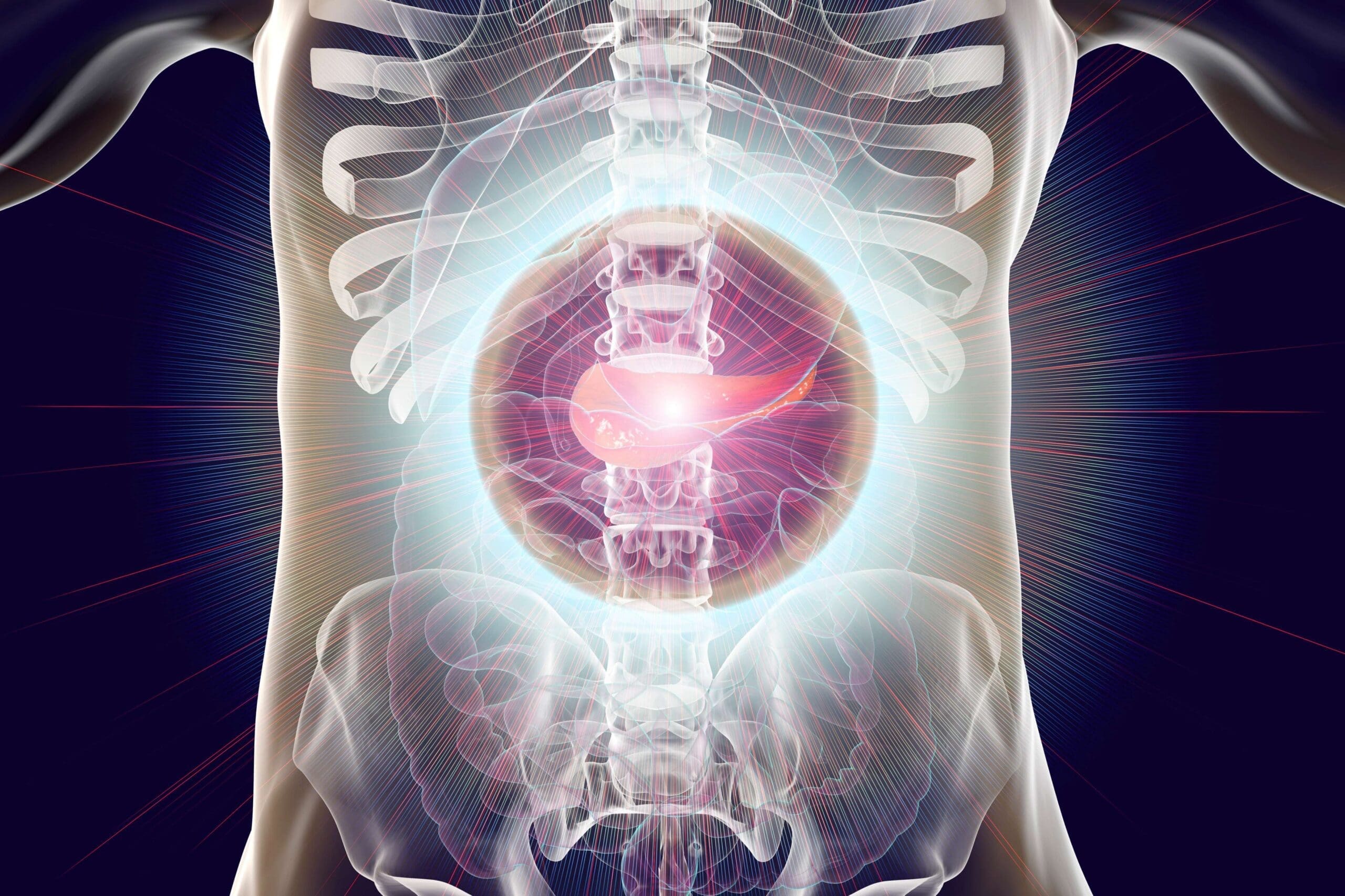
Consider pancreatic cancer – the disease that killed Steve Jobs, e.g., despite the best medical technology money could buy. Approximately 467,000 to 500,000 people die from pancreatic cancer worldwide each year. It is the sixth most common cause of cancer death globally. Due to its high mortality rate and lack of early detection, the number of deaths is projected to rise significantly in the coming decades. And no new drug to treat it has gained FDA approval – for 30 years! Moreover, survival rates are bleak: Metastatic (Stage IV): 3–6 months, though recent advancements may improve this. Locally Advanced (Stage…
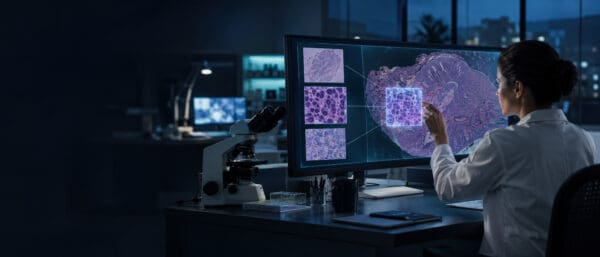
Researchers at the Technion – Israel Institute of Technology have developed an artificial intelligence (AI) model designed to help guide whether to administer chemotherapy directly after tumor resection in breast cancer patients. The model, which uses high-resolution images from hematoxylin and eosin (H&E)-stained tumor samples collected at the time of diagnosis, predicts both the risk of cancer recurrence and the likelihood that a patient will benefit from chemotherapy. The research, published in The Lancet Oncology, identifies patterns and signals in the tumor that might otherwise escape detection. “These are complex biological signals that the human eye cannot consistently quantify,” said…

By now, this has become a daily challenge: how many hours of sleep can one get in a night riddled with air-raid alerts, racing to shelter and attempts at shuteye before being woken up again. And not just how many hours in total, but also how long one can sleep uninterrupted. All this comes before the real challenge – staying awake during the day, functioning as normally as possible and perhaps even forgetting – until the next siren – that this is an open-ended state of emergency. This reality has direct and indirect health implications, some immediate and clearly felt…
Six international companies are relocating to Boston as part of an artificial intelligence health care accelerator backed by the Middle East’s largest medical center. Sheba Medical Center in Israel — which has the world’s first AI-powered emergency department — first announced its new U.S. endeavor last May. Now it has officially launched the ARC Innovation Boston location in the city’s downtown, a “soft landing pad” for international startups working to transform the delivery of health care through AI and digital solutions. The Boston hub is joining a network of existing ARC (Accelerate, Redesign, Collaborate) programs in London, Melbourne, Singapore, Berlin…
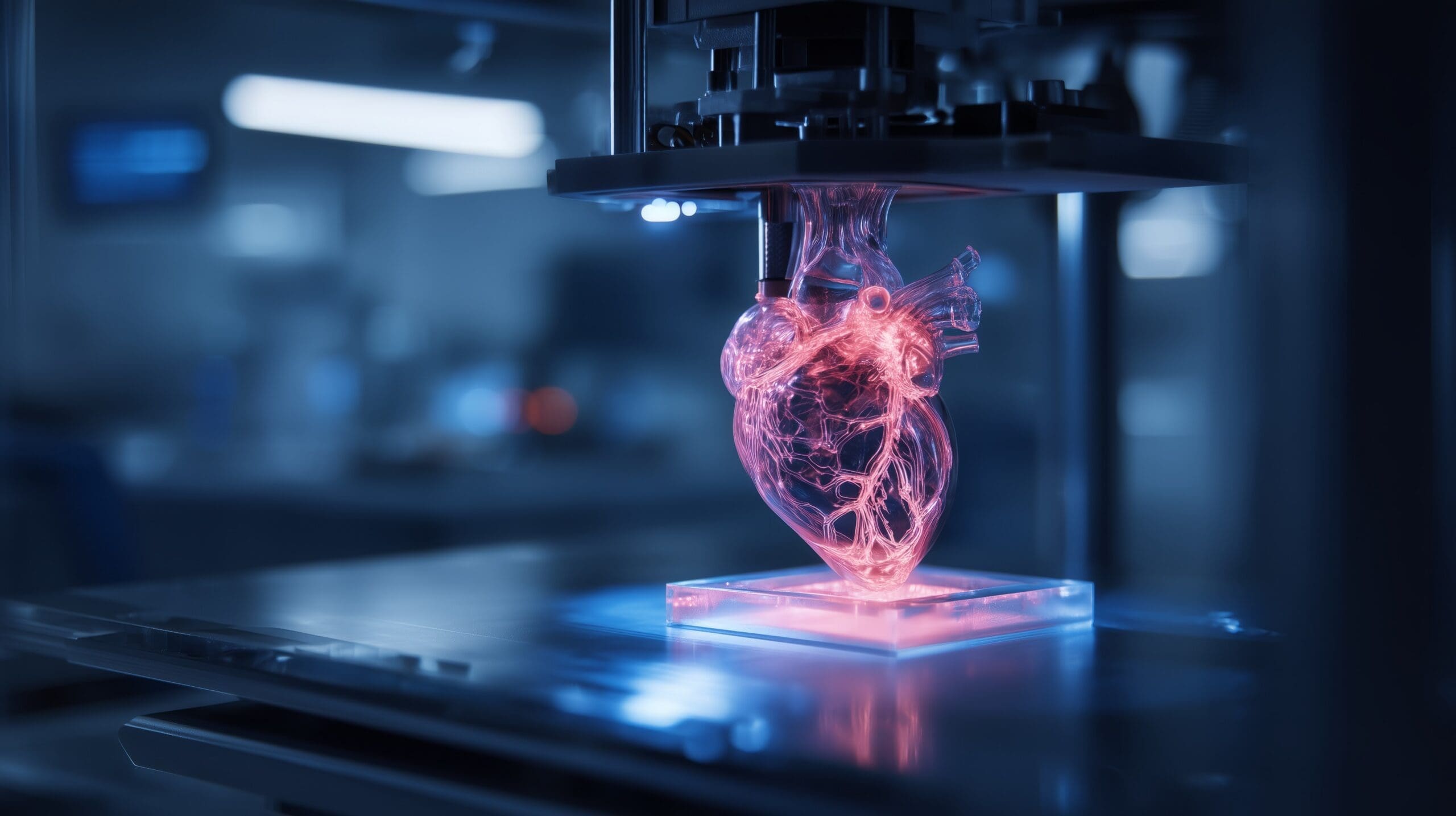
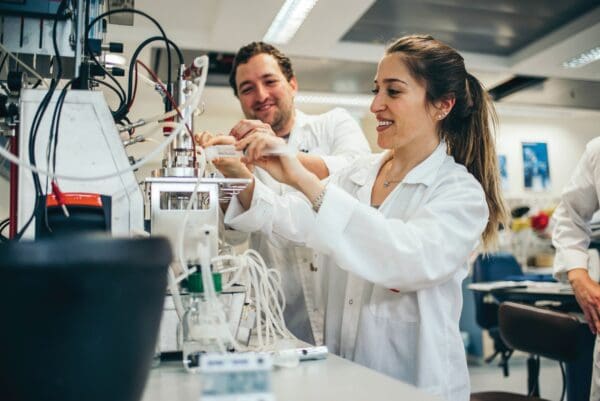
Researchers at the Technion — Israel Institute of Technology have developed a first-of-its-kind 3D engineered tissue implant that combines muscle and fat tissue with both blood vessels and a lymphatic network, a step they say could eventually help treat patients with major tissue loss from injuries, burns or cancer surgery. The findings were published in the journal Cell Biomaterials by an international team led by the Levenberg Laboratory in the Faculty of Biomedical Engineering at the Technion-Israel Institute of Technology. The current standard treatment for significant tissue loss is an autologous flap, in which tissue is taken from one part…
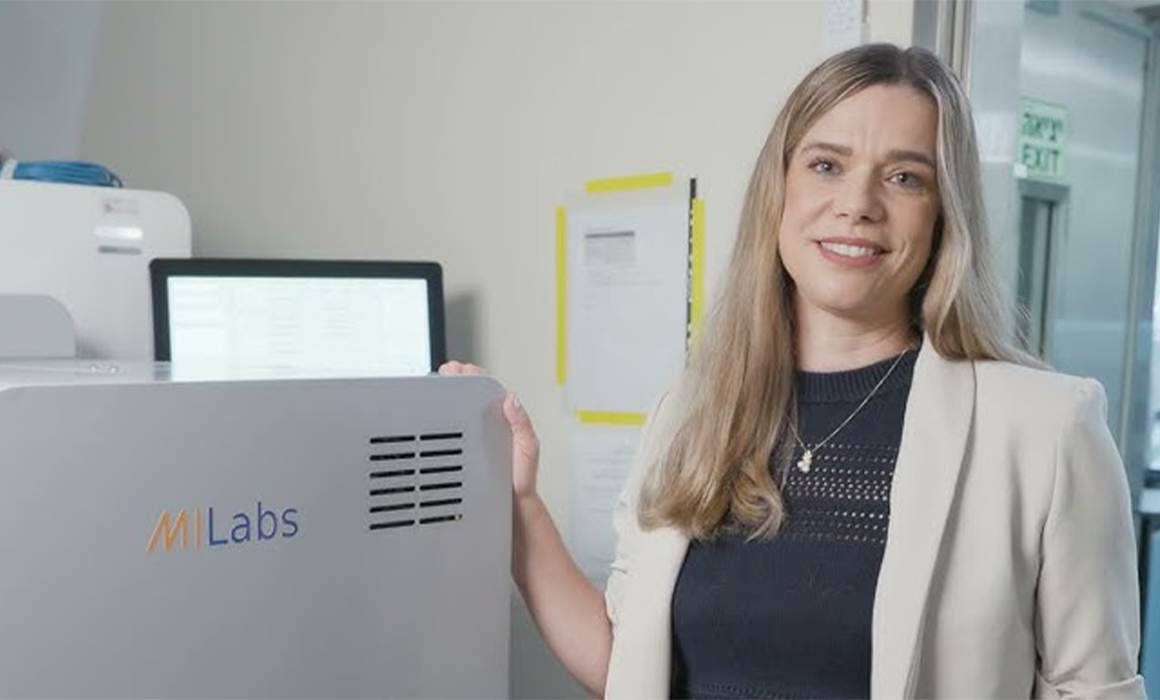
When Dr. Katrien Vandoorne first arrived in Israel to pursue her PhD at the Weizmann Institute of Science, she was struck by something that went far beyond laboratories and research facilities. “The people were very collaborative and warm and inspiring,” she recalled. “The science was really great for me, but also the Mediterranean climate, the food, all those things.” Originally from Belgium, Vandoorne said the country’s scientific culture felt very different from the academic environment she had known in Europe. “In Belgium it’s very hierarchical,” she said. “The professor is very high up, and you should always be very polite…
From regenerative implants to smarter therapies, Israel’s innovation ecosystem keeps delivering life-saving advances. Researchers from Haifa’s Technion – Israel Institue of Technology unveiled a breakthrough biological implant that could end daily insulin injections for millions with Type 1 diabetes by producing insulin inside the body without rejection. Hebrew University discovered a tiny RNA molecule that bacteriophages use to combat bacteria, offering fresh hope in the fight against antibiotic-resistant “superbugs.”
Artificial intelligence is so much more than the latest buzzword. By blurring the line between human and technology, AI has proven its staying power and will undoubtedly shape the future of life on Earth. It is also no secret that when it comes to AI innovation, Israel punches above its weight class. I recently called upon the brightest minds in Israel to take an active role in shaping AI applications on a global scale, setting ethical standards and ensuring that this technology is used for good. When I think of Israel’s AI prowess, I can’t help but place the Technion…