Something Fresh in the State of Denmark
October 06, 2026



















The Technion’s story has been intertwined with Israel’s for more than a century, from laying the foundations for a new nation to shaping its future.

Step inside Israeli innovation at the David and Janet Polak Visitors Center. Experience our 360° immersive movie and tech exhibition. Open to individuals and groups.
Learn More

A new implant developed at the Technion – Israel Institute of Technology may offer a self-regulating treatment for diabetes, according to a new study in collaboration with MIT, Harvard, Johns Hopkins University, and the University of Massachusetts. The study, led by Assistant Professor Shady Farah of the Faculty of Chemical Engineering at the Technion, was peer-reviewed and was published in Science. It introduced a “living, cell-based implant” that works as a pancreas and is protected against immune rejection by a novel system. According to the statement, the implant “continuously senses blood-glucose levels, produces insulin within the implant itself, and releases…

At the Zimin Institute for AI Solutions in Health Care, innovation meets impact. Founded in 2022 through a partnership between the Zimin Foundation and the Technion’s Tech.AI.BioMed arm, the institute supports transformative research that applies artificial intelligence to real-world medical challenges. From diagnostics to drug discovery and patient care, AI is redefining what’s possible in […]

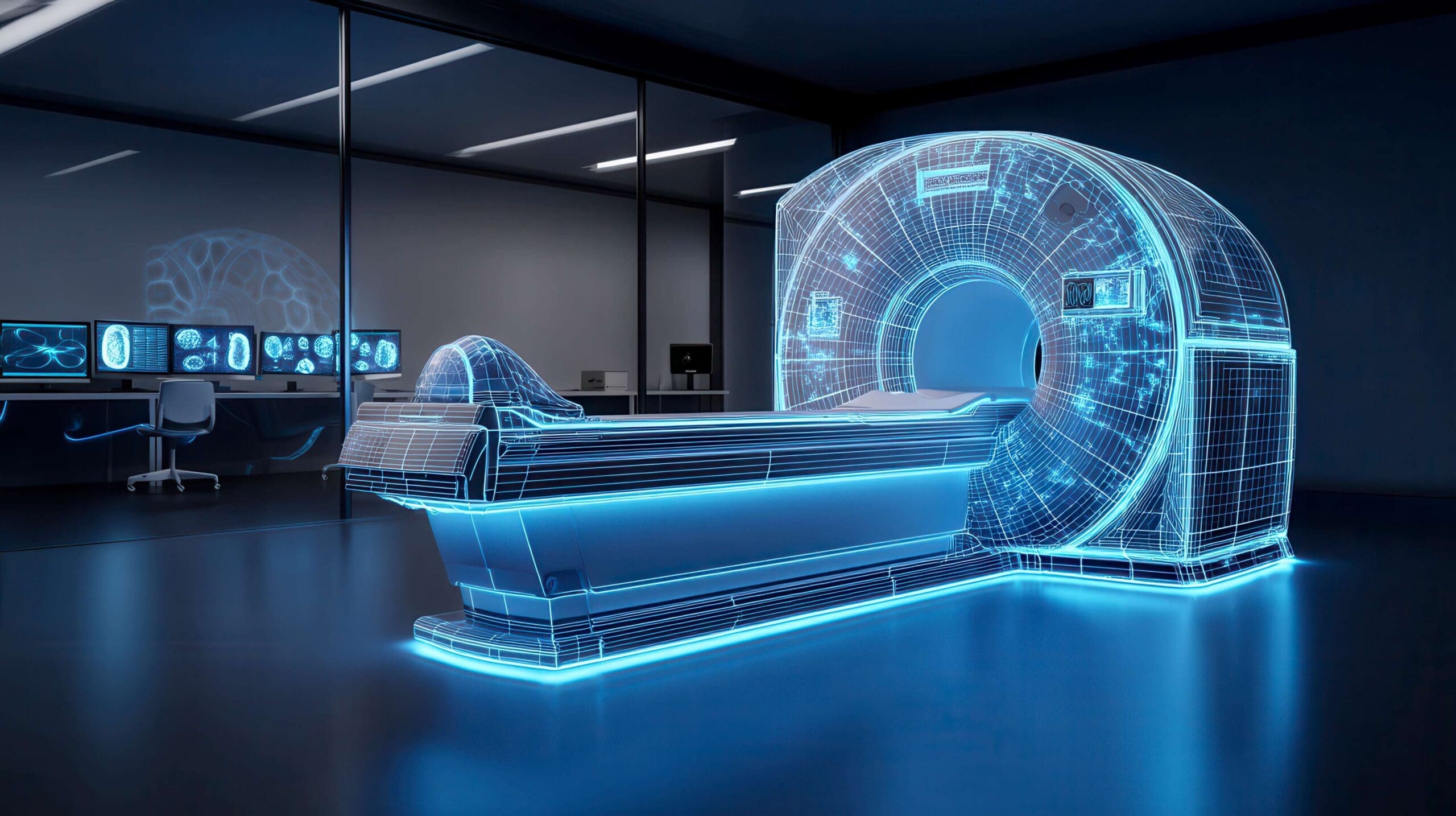
Led by a repeat founder and a world-renowned robotics pioneer, the Israeli startup EndoCure has developed a robotic platform capable of producing 3D images with 10 times the density of an MRI. “Current imaging methods, MRI, CT, and manual ultrasound, often fail to detect small or deep tumors, are highly operator-dependent, and are either expensive, invasive, or inconsistent,” says EndoCure. “This creates major gaps in diagnosis, delays in treatment, unnecessary surgeries, and poor patient outcomes.” Founded in 2023 by Dr. Hadas Ziso, a repeat founder with 20 years of MedTech experience, and Prof. Moshe Shoham, a robotics pioneer who was…
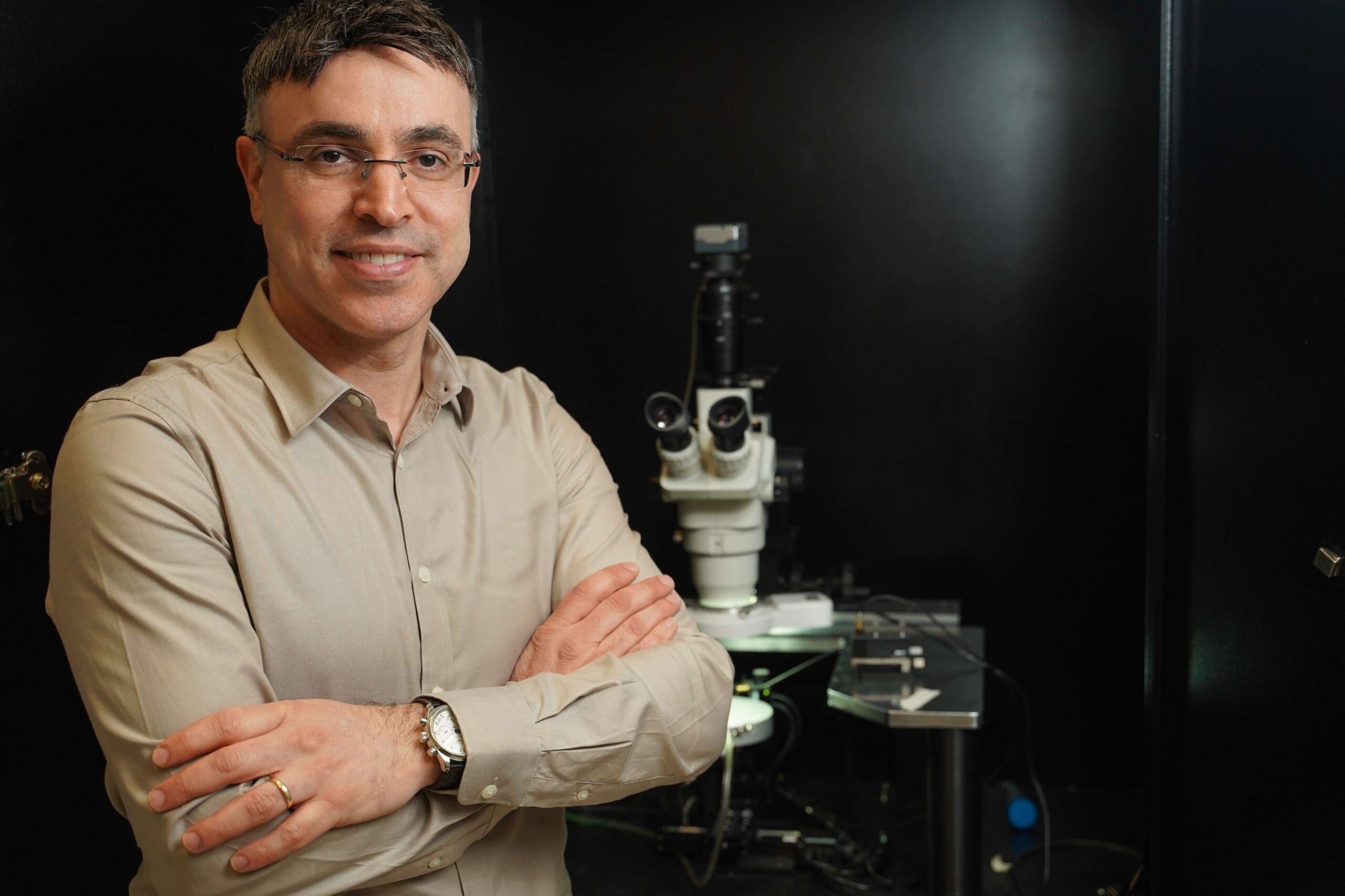
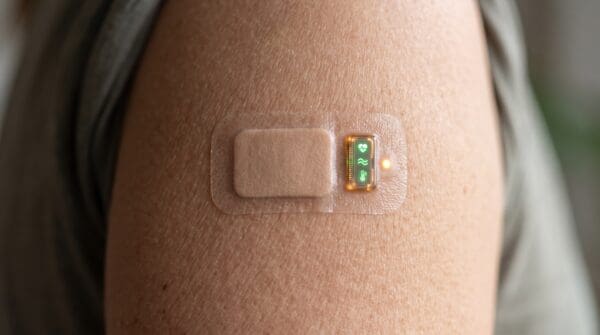
What if a single breath — or a small wearable patch — could reveal disease long before symptoms appear? For years, Prof. Hossam Haick of the Technion – Israel Institute of Technology has been turning that revolutionary idea into a reality. By identifying invisible chemical signals emitted by the human body, Prof. Haick has helped […]
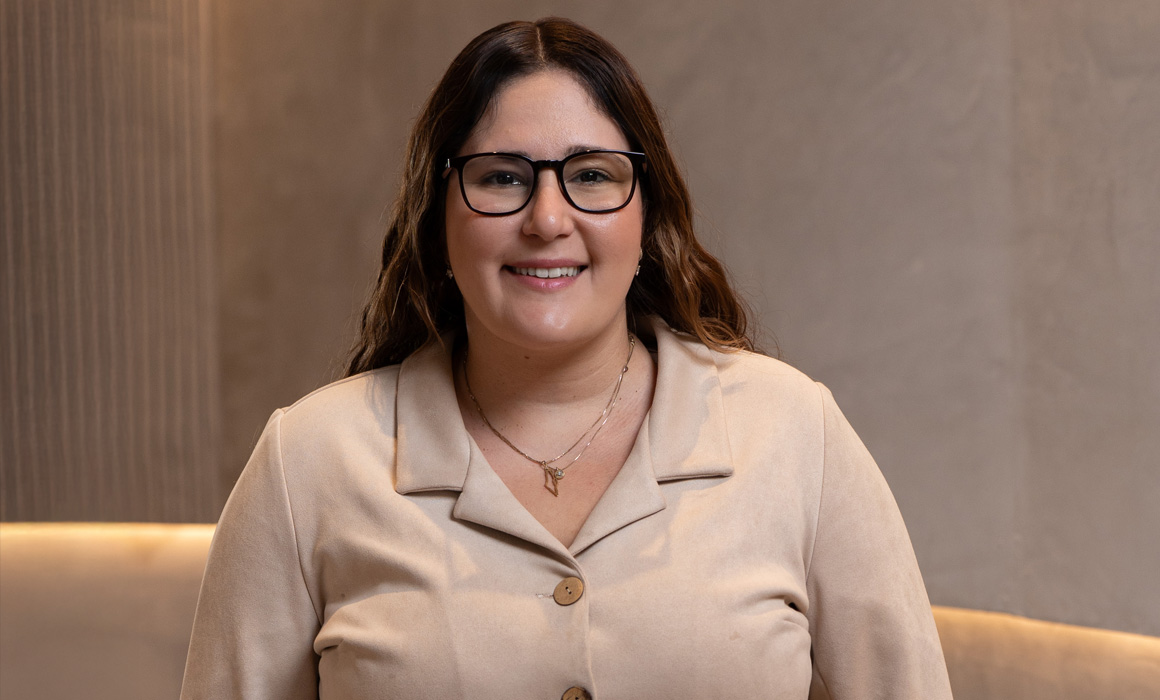
In my final year as a Technion undergraduate, I tested positive for a BRCA mutation. This means I face an increased risk for breast and other cancers. This revelation altered the course of my life — making my longstanding desire to do scientific research not just an academic pursuit, but a personal one. I earned […]
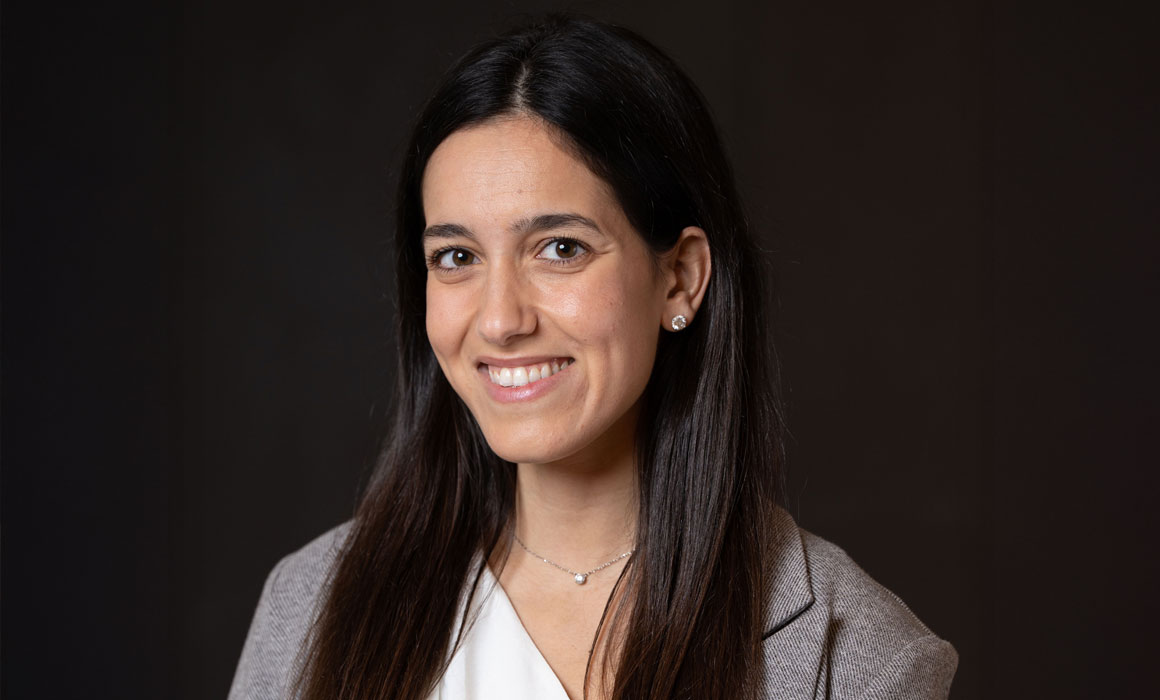
I am 27 years old and was born and raised in Even Yehuda, a small town in central Israel, where I learned early on the value of community, responsibility, and giving of myself to others. From a young age, I was motivated academically and socially. I completed high school in three years with high honors, […]
Israeli researchers have developed an innovative method that enables medicine to be manufactured within the body itself. The pioneering approach, not yet tested on humans, uses live, harmless bacteria that act like tiny factories, producing therapeutic proteins inside the body, exactly where they are needed. “We are accustomed to thinking that to introduce a drug into the body, it must be manufactured in a factory and then delivered via a capsule or an injection,” said Prof. Boaz Mizrahi of the Technion – Israel Institute of Technology’s lab for biomaterials in the Faculty of Biotechnology and Food Engineering. “This could be…
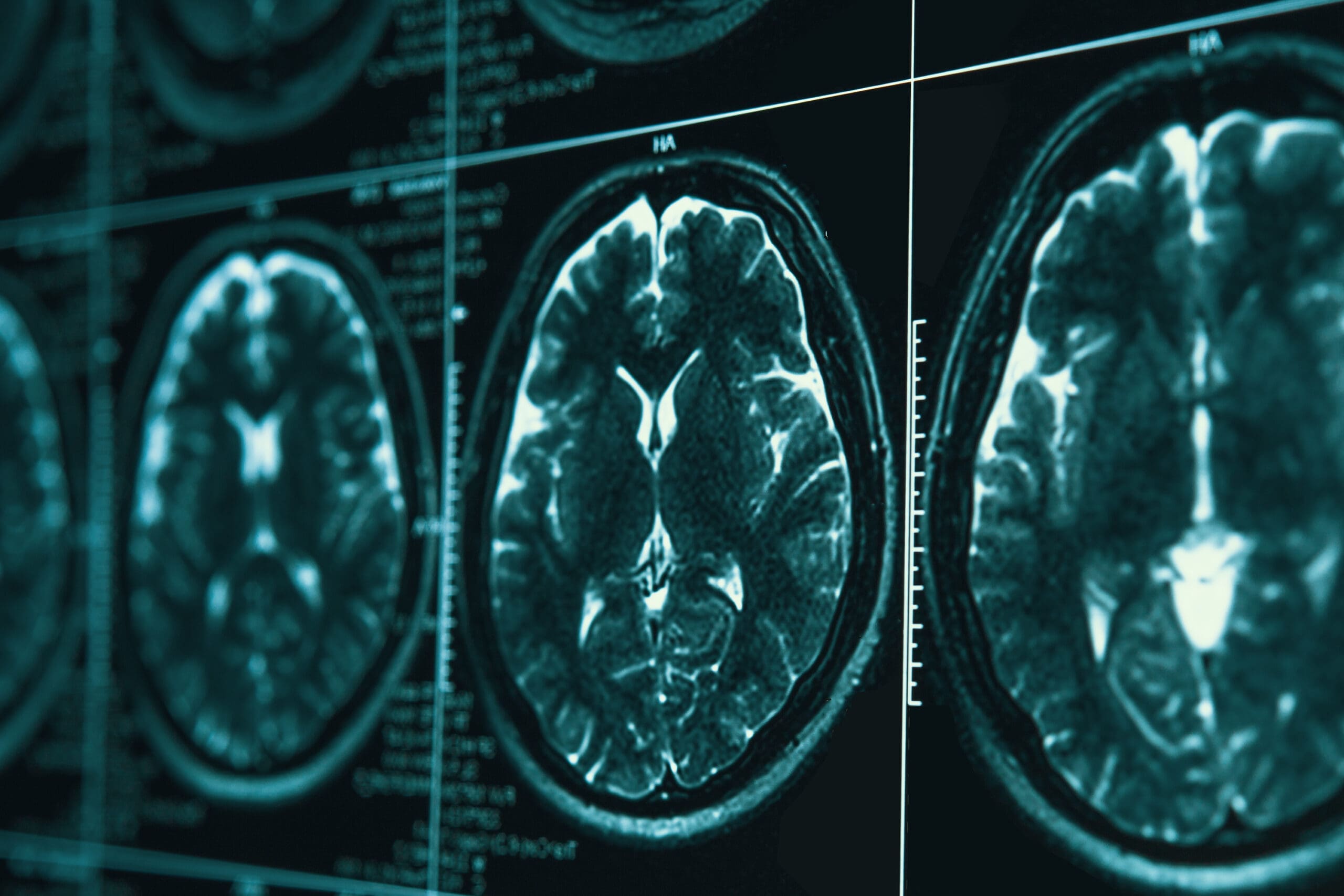
In a surprising discovery, researchers at the Technion – Israel Institute of Technology have found that a cellular system tasked with disposing of toxic proteins—crucial in preventing Alzheimer’s disease—may actually be helping the disease spread across the brain. The study, led by Professor Michael Glickman, dean of the Technion’s Faculty of Biology, and postdoctoral researcher Dr. Ajay Wagh, reveals that, instead of breaking down defective proteins inside the cell, neurons may be pushing this “trash” into surrounding brain tissue. Their findings were published recently in the journal Proceedings of the National Academy of Sciences (PNAS). At the heart of the…
In this webinar, discover how the Technion’s leading minds are realizing this vision while also tackling issues of how to overcome age-related motor and cognitive decline. Technion alumnus Prof. Nir Barzilai, M.D., and Prof. Firas Mawase discuss their groundbreaking research on health across the lifespan — and how their work promises to make life’s next […]
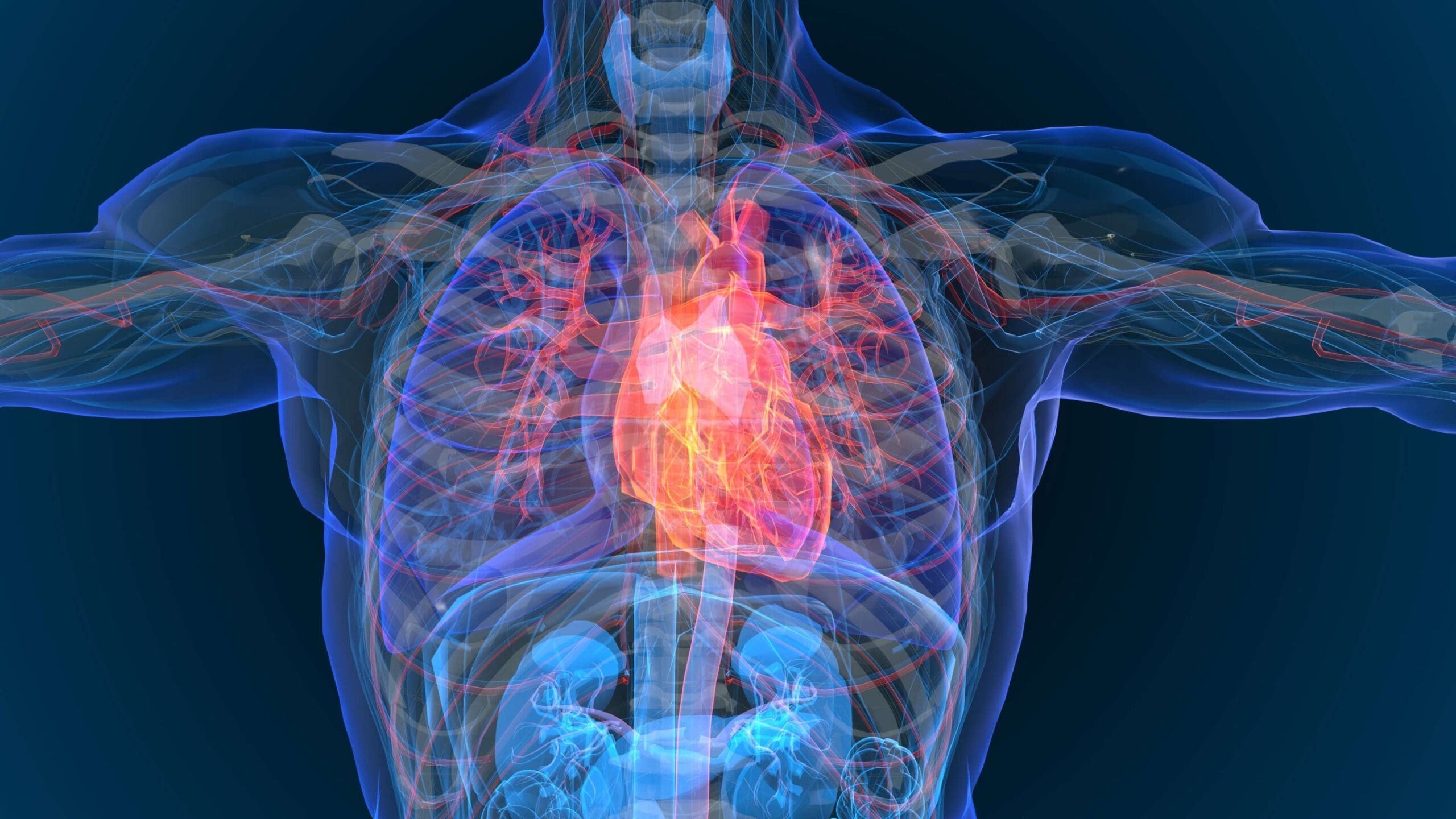
A discovery by Prof. Ami Aronheim and his team at the Technion–Israel Institute of Technology shows that the growth of cancerous tumors may actually combat cardiac dysfunction and reduce fibrosis, the scarring process that stiffens the heart muscle. “The failing heart can beat much better in the presence of cancer cells or a tumor,” said lead investigator Aronheim, dean of the Technion’s Ruth and Bruce Rappaport Faculty of Medicine, speaking to The Times of Israel. “This is very surprising,” Aronheim said. Currently, no drugs exist that can reverse fibrosis or improve the heart muscle once it has been damaged, he…

NeuroKaire’s offices on Yigal Alon Street in Tel Aviv are about as far as one can get from the gleaming workspaces of a typical Israeli high-tech company. The parking lot is dark and dirty, the elevator creaks, and there is no doorman, nor a sea view, unlike the surrounding luxury towers. The surprise begins only after stepping through the wide office doors: giant microscopes, highly sophisticated robots, and some of the world’s most advanced medical equipment, all enabling one of the most complex biological feats in existence, turning ordinary blood cells into human brain cells. “We could have been, like…