Something Fresh in the State of Denmark
October 06, 2026















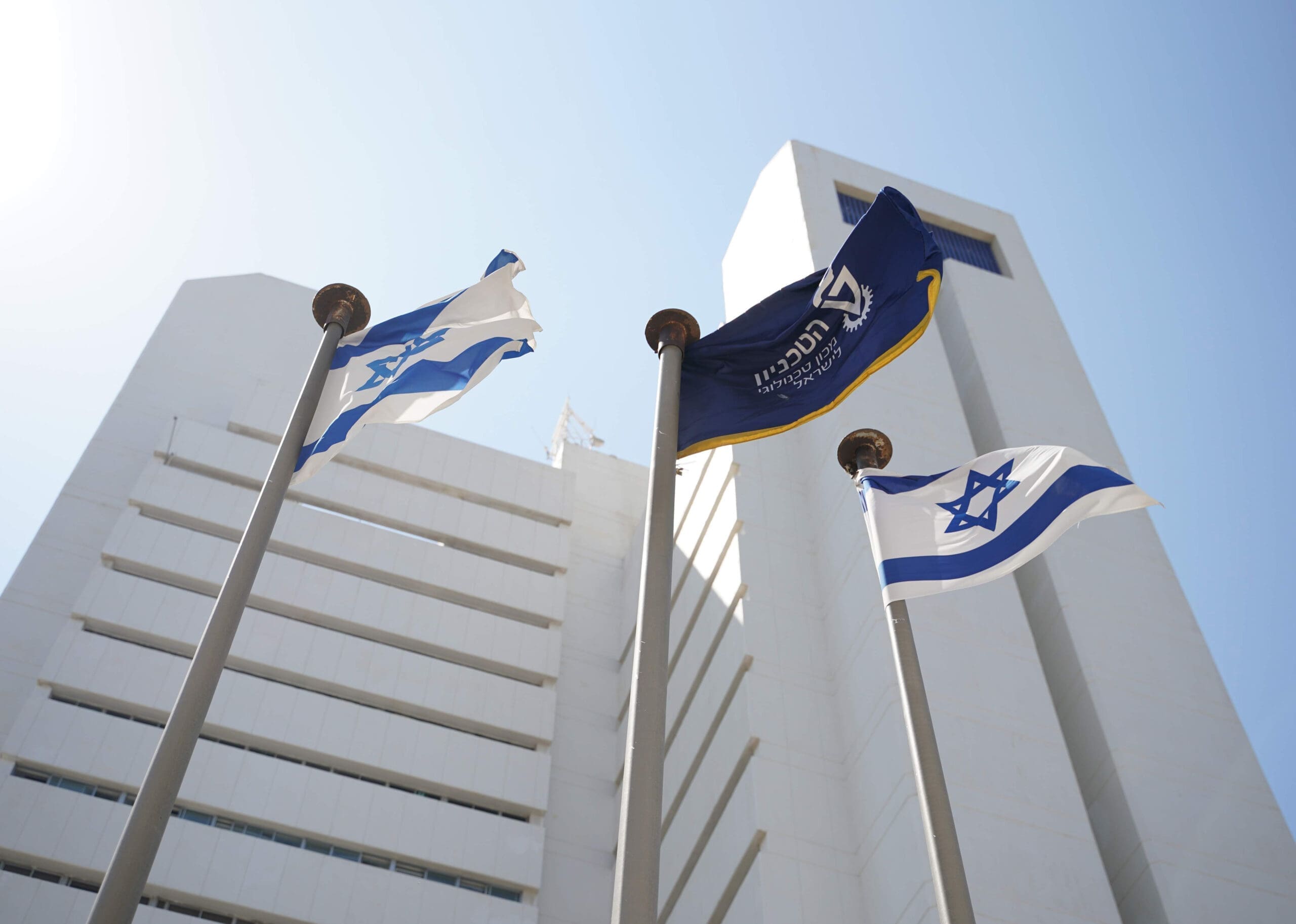






The Technion’s story has been intertwined with Israel’s for more than a century, from laying the foundations for a new nation to shaping its future.

Step inside Israeli innovation at the David and Janet Polak Visitors Center. Experience our 360° immersive movie and tech exhibition. Open to individuals and groups.
Learn More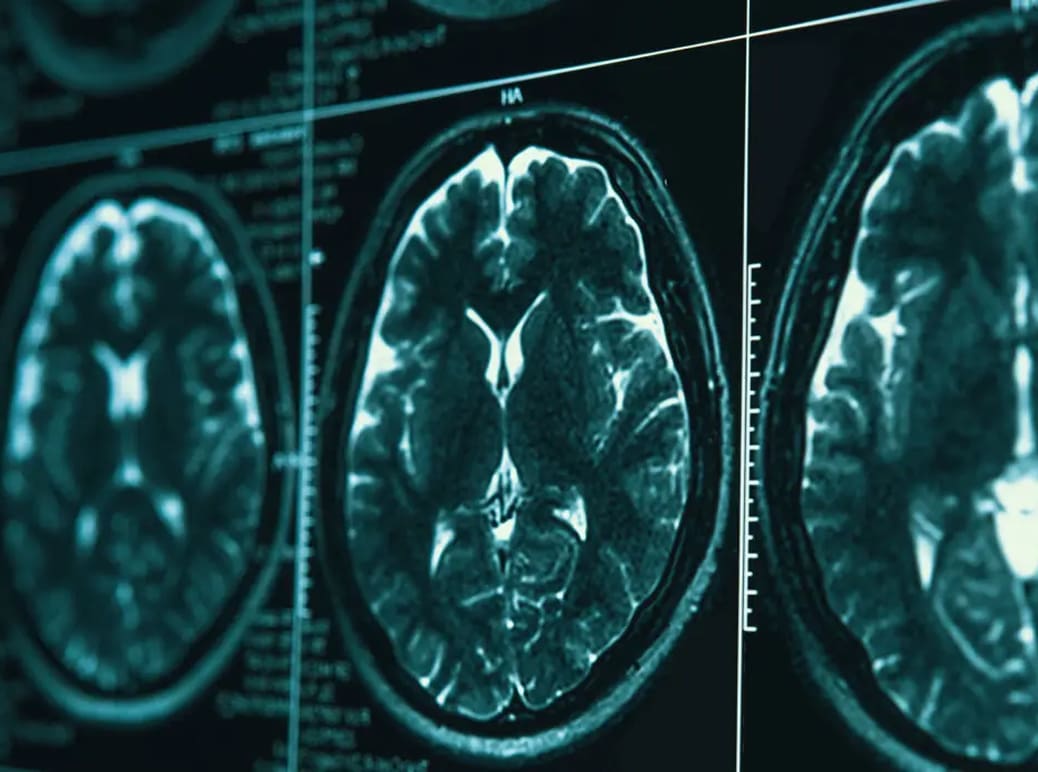
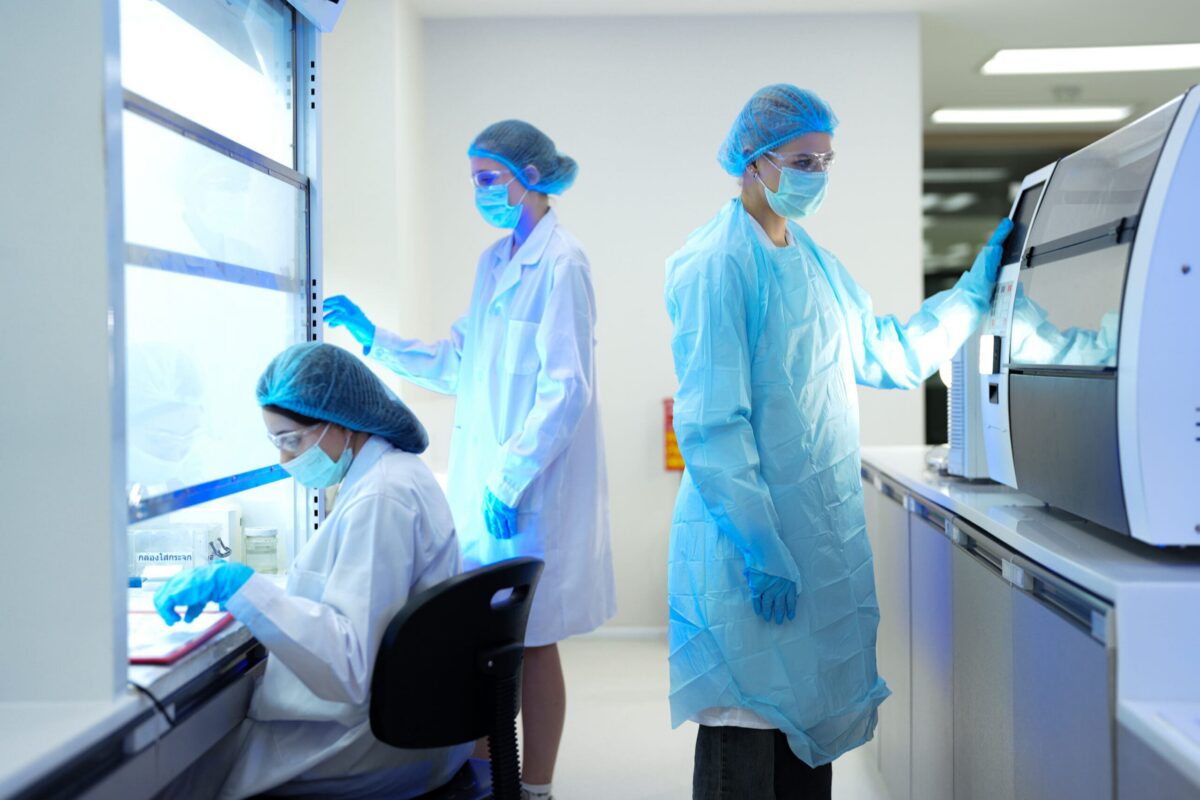
Three Technion – Israel Institute of Technology faculty members have been awarded research grants from the Israel Cancer Research Fund (ICRF), a fund dedicated to turning cancer into a manageable chronic disease by supporting Israeli cancer researchers until it can be eradicated. Professor Irit Ben Aharon received a Research Professorship grant to support her research […]
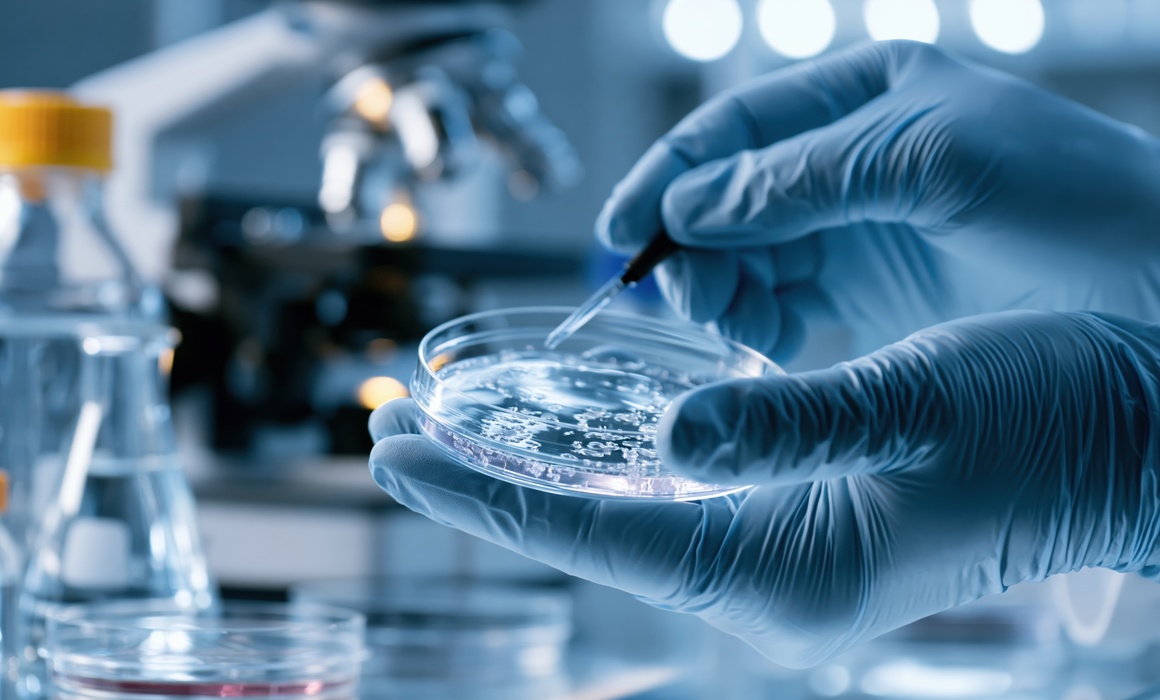
The dangers of antibiotic overuse have become increasingly clear in recent decades. Excessive use accelerates the evolution of bacterial resistance to antibiotics, raising the alarming prospect of infections that no longer respond to existing drugs and pose a serious threat to public health. Against this backdrop, Prof. Roy Kishony and Dr. Idan Yelin in the Technion – Israel Institute of Technology’s Faculty of Biology have published a study in Nature Microbiology revealing a previously unknown rapid pathway that bacteria use to develop antibiotic resistance. The newly identified mechanism is based on an “inflation” in the number of copies of specific…

A new artificial intelligence system operating at Rambam Health Care Campus analyzes the data of every patient in its emergency departments in real time, suggests possible diagnoses and treatments and identifies complex or unusual cases within seconds. The system, named Shaked, has been in use at the Haifa hospital for the past six months. According to its developers, it has already shortened the time required to admit patients by one hour and reduced waiting time for specialist consultations in the adult and pediatric emergency departments by 25 minutes. “This is the first AI system involved at highly important decision-making points…
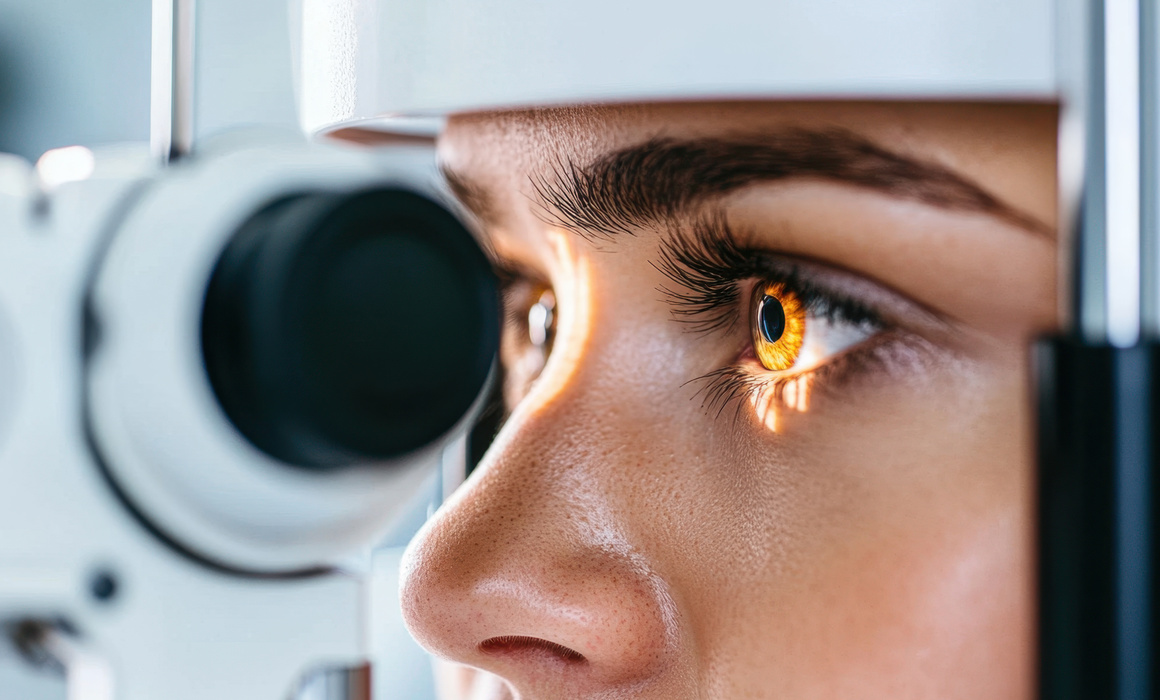
Researchers have found that old, fully mature cells in the cornea can become stem cells again. The cells rebuilt the eye’s stem cell supply even after every last stem cell had been destroyed. Cells that had nearly stopped dividing pulled off the reversal and kept the tissue healthy for the rest of the animal’s life. The cornea is the clear dome at the front of the eye, and losing its stem cells can rob a person of sight. A repair system the body runs on its own raises the prospect that some blindness could one day be reversed without a…
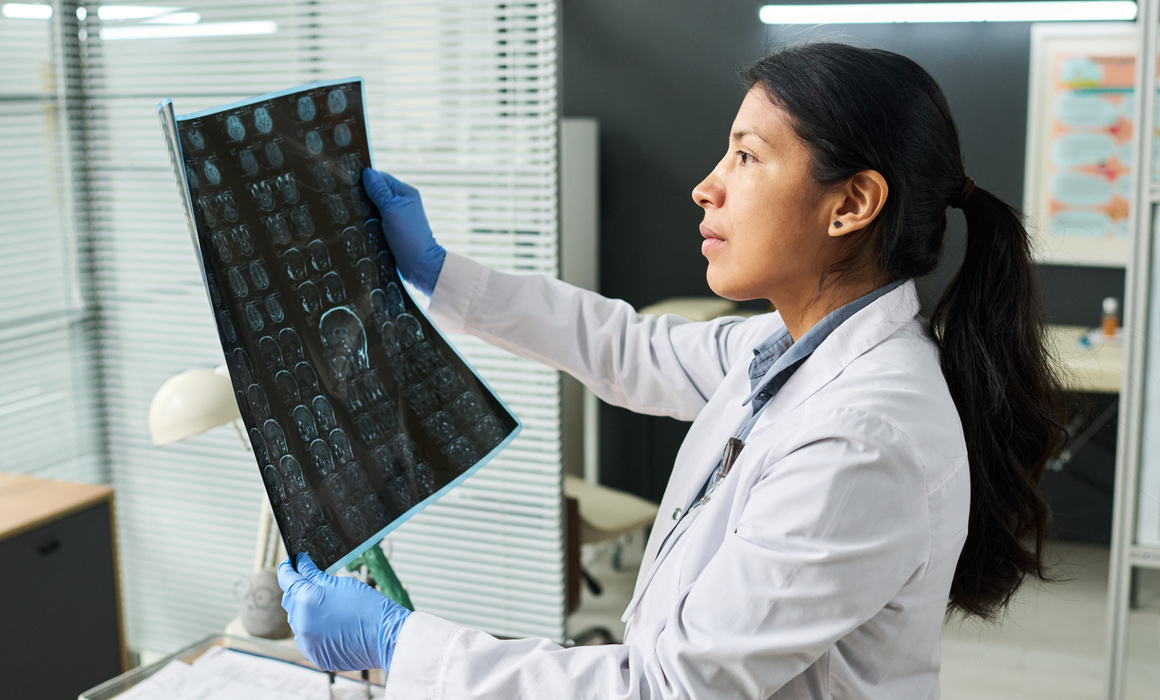
A Technion – Israel Institute of Technology – led research team has received a Gray Foundation Team Science grant to develop an artificial intelligence-powered MRI method aimed at improving early detection of ovarian cancer, particularly among women with inherited BRCA gene mutations. The project, led by Prof. Moti Freiman of the Technion Faculty of Biomedical Engineering and the May-Blum-Dahl Technion Human MRI Research Center, was selected as part of the Gray Foundation’s latest $35 million funding round for research focused on preventing, intercepting and detecting BRCA-related cancers at earlier stages. The research brings together teams from the Technion, the University…
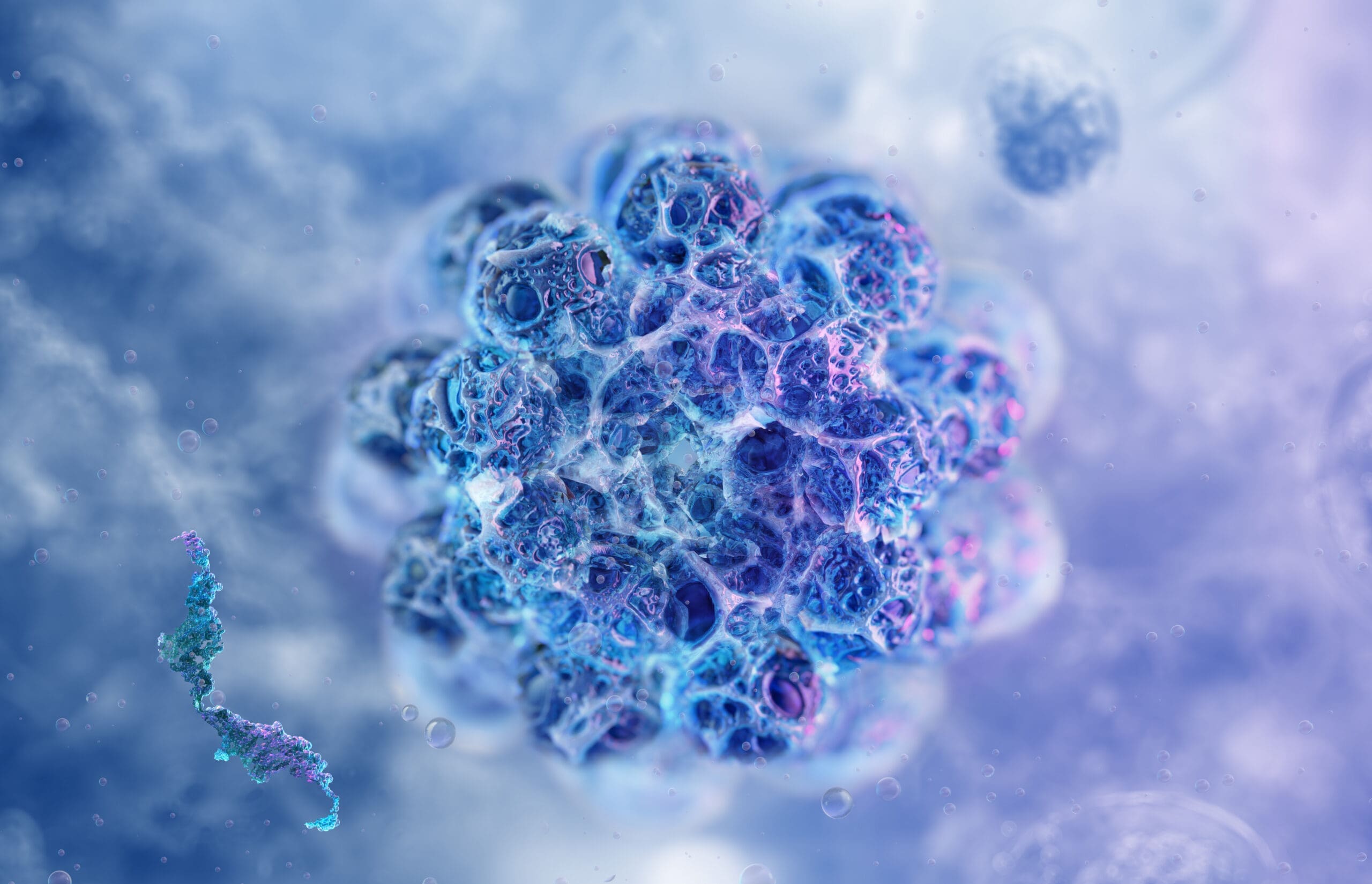
In a paper published in Proceedings of the National Academy of Sciences, researchers from the Technion – Israel Institute of Technology and Tel Aviv University present BetaDescribe, an AI system that translates protein sequences into natural-language descriptions, opening a new path toward understanding protein functions and accelerating drug development and material design. Protein analysis is essential in medicine and biotechnology, as demonstrated by breakthroughs such as Ozempic, a drug whose development was inspired by a peptide found in the saliva of a rare desert lizard and is used to treat obesity, diabetes and other conditions. However, experimental protein characterization remains…

Lior Jankelson is professor of medicine and biomedical engineering at NYU, where he is a Cardiac Electrophysiologist, and serves as director of the Inherited Arrhythmia Program; as well as leading the “AI in Cardiology group”. He is an entrepreneur, a surfer, and – a proud Technion Alum! In this episode we talk about AI and […]

A study published in Oncogene presents an innovative strategy for the particularly complex medical challenge of destroying aggressive, treatment-resistant tumors. The research was jointly led by early-career scientists Dr. Avital Oknin Vaisman and Dr. Deepanjan Panda from the laboratories of Prof. Amir Orian, head of the Rappaport Center for Cancer Research at the Technion – Israel Institute of Technology, and a faculty member in the Ruth and Bruce Rappaport Faculty of Medicine, and Prof. Ashraf Brik of the Schulich Faculty of Chemistry. Aggressive cancers such as bone tumors (sarcomas) and melanoma that do not respond to molecular therapies have very…
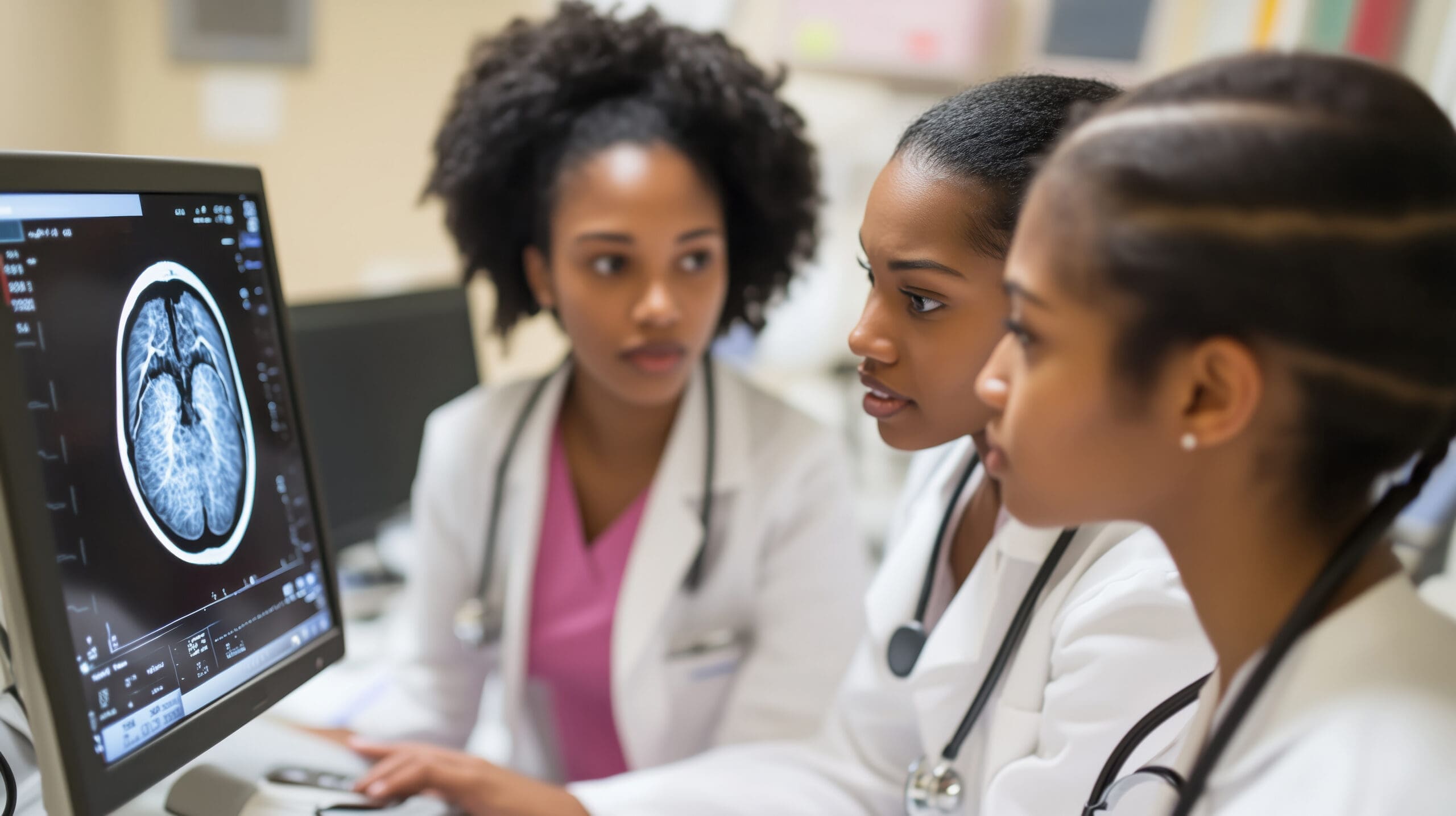
A first-of-its-kind treatment in Israel was recently performed at Rambam Health Care Campus, where specialists helped a man in his 40s detox from an extreme dependence on opioid painkillers, which had reached about 130 pills a day, in a procedure that lasted just 20 minutes. The treatment was carried out using unique Israeli technology developed by Insightec, as part of an international study underway at a small number of medical centers in the United States, and now also in Israel. “This is a new therapeutic platform that allows us to offer a range of noninvasive treatments for many problems affecting…
Seven researchers from Israel have won prestigious ERC Advanced Grants from the European Union’s Horizon Europe program, awarded to senior scientists with exceptional research achievements over the past decade. Four of the recipients are from the Weizmann Institute of Science, two are from the Hebrew University of Jerusalem, and one is affiliated with both the Technion – Israel Institute of Technology and Rambam Health Care Campus. The grants give outstanding researchers the opportunity to pursue ambitious, curiosity-driven projects that could lead to major breakthroughs. They cover a broad range of fields at the forefront of research, from life sciences and exact sciences…
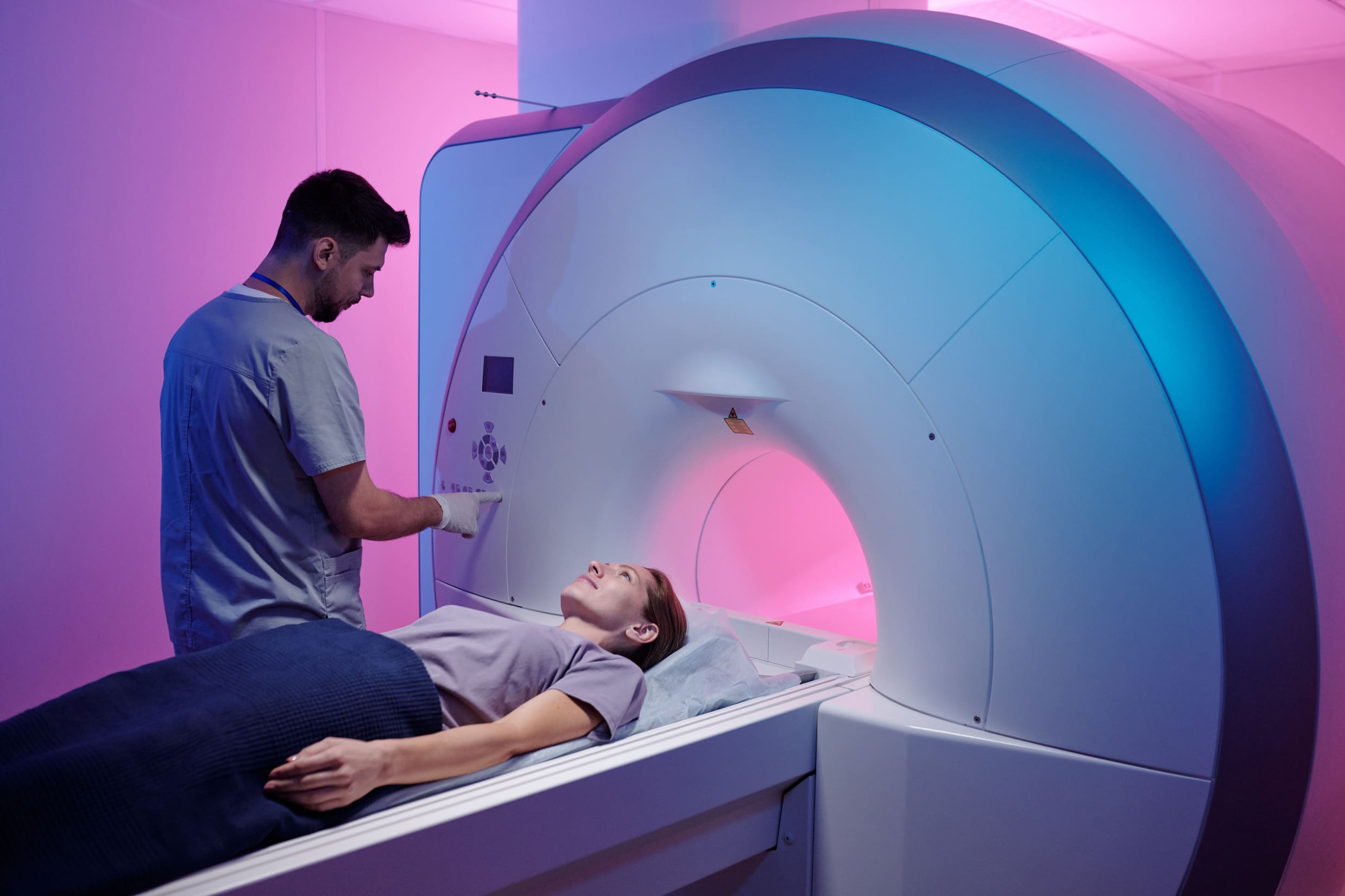
A group of researchers from the Technion – Israel Institute of Technology, and the United States has reported a breakthrough in MRI scanning that could significantly improve breast cancer diagnosis, according to a paper published in Nature Communications. The researchers developed a new method, called ELITE, that accelerates and enhances MRI scans used in breast cancer imaging, a disease diagnosed in approximately 2.3 million people each year, most of them women. The approach combines artificial intelligence with advanced mathematical modeling to enable dynamic MRI imaging at what the researchers describe as unprecedented speed and accuracy. The international study brings together…

The startup company Kimba has raised $6.5 million in a Seed round. The round was led by Selva Ventures and included Resolute Ventures, Able Partners, Barrel Ventures, Palette Ventures, Supermoon Capital, Air Ventures, Beyond 22, and Fresh Fund, which was the first investor in the company. The funding was raised in two stages: $1.1 million in a pre-Seed round, followed by an additional $5.4 million in the Seed round. The company has developed an AI-based device designed to improve sleep quality through scent therapy. It was developed in collaboration with sleep and neuroscience researchers and is intended to actively enhance…