Something Fresh in the State of Denmark
October 06, 2026
























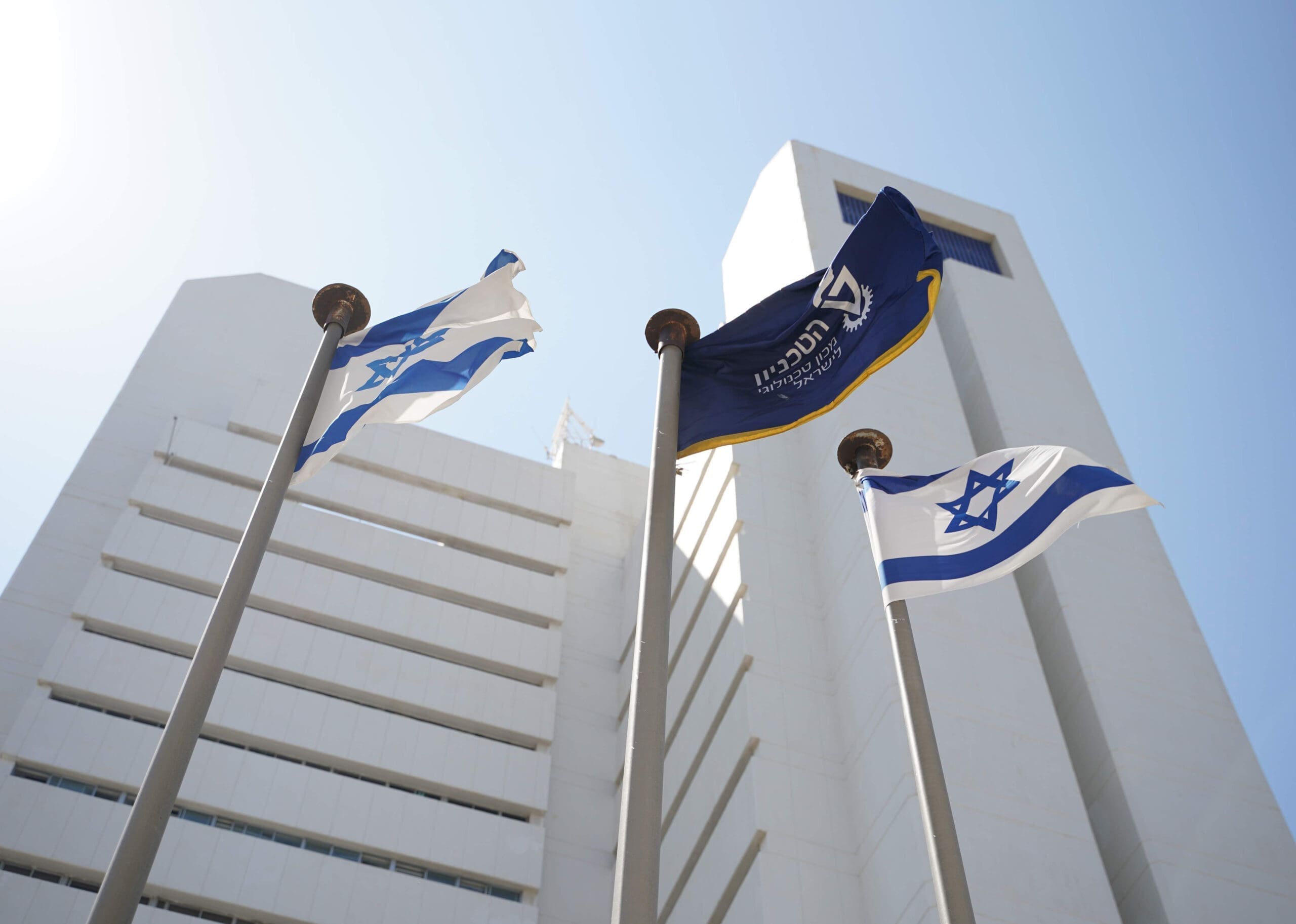






The Technion’s story has been intertwined with Israel’s for more than a century, from laying the foundations for a new nation to shaping its future.

Step inside Israeli innovation at the David and Janet Polak Visitors Center. Experience our 360° immersive movie and tech exhibition. Open to individuals and groups.
Learn More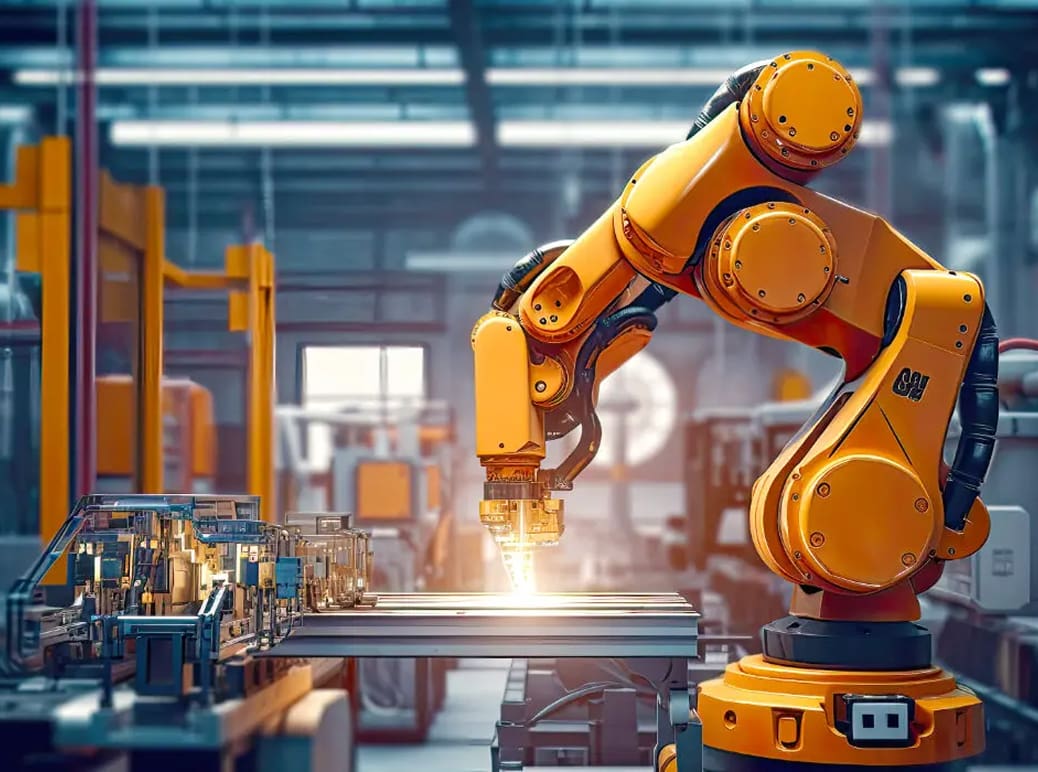

We all push the boundaries and cut corners, whether it’s using our cellphone while driving, jaywalking, wearing a mask under our nose or chin, or some other transgression. These minor behavioral violations never make the headlines. Yet even these small infractions can, cumulatively, cause extensive damage to society — with life or death consequences. For example, if no one wears their mask properly, COVID-19 could spread unabated, endangering countless lives. How can society crack down on these behaviors? More frequent enforcement requires more resources like security cameras. More severe punishment for such infractions may lead to public opposition. There’s no…
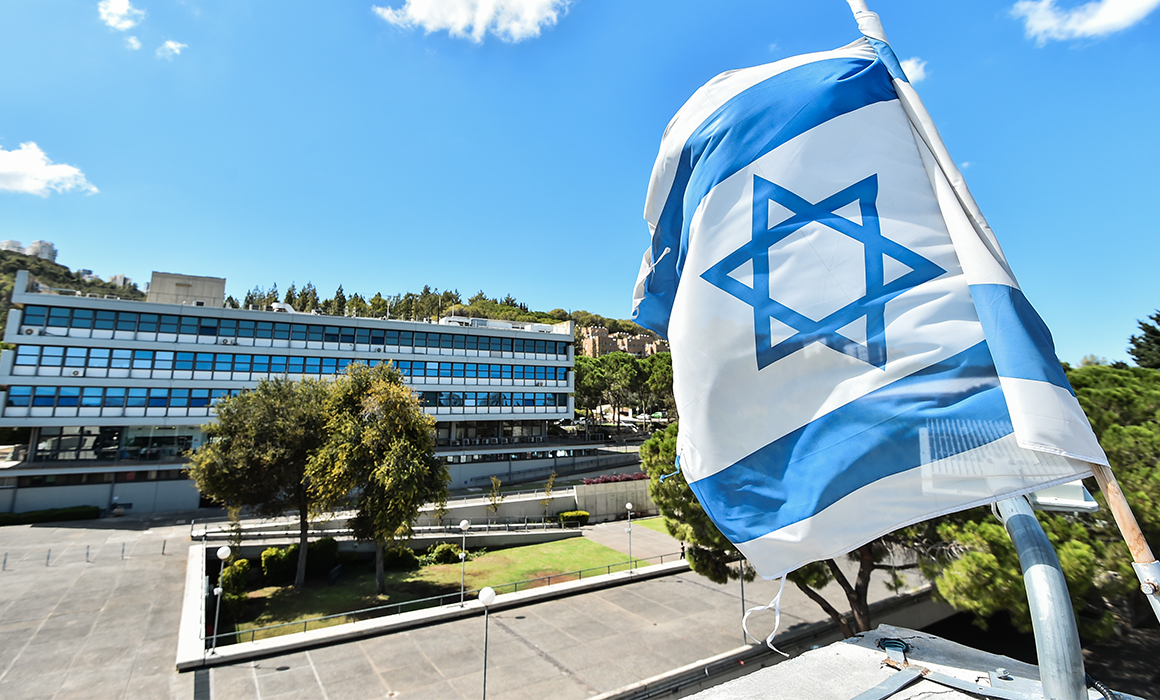
The National Academy of Inventors and the Intellectual Property Owners Association (collectively known as NAI-IPO) has ranked the Technion – Israel Institute of Technology as one of the top 100 worldwide universities granted U.S. utility patents. The achievement is yet another international recognition of the Technion’s rigorously entrepreneurial and innovative spirit on campus — an ethos that has produced thousands of inventions from both researchers and alumni, including a device that uses AI to detect the scent of more than 23 specific disease biomarkers in a person’s breath, the USB flash drive, and a robotic suit that enables paraplegics to…

Every day, manufacturing companies face costly equipment failures. What if they could detect that leaky valve before it leaked? Alumni-founded Feelit Technologies Ltd. predicts and solves machinery problems before they happen — preventing potentially dangerous equipment failures and reducing the cost of manual inspections and production downtime associated with finding and fixing faults. Feelit technology is based on sensor-packed stickers printed with nanoparticle ink. When affixed to pipes, pumps, or valves, the sensors monitor pressure, temperature, vibration, leakage, wall integrity, thickness, and other industrial parameters. The data is then analyzed in the cloud in real time and sent back to…

Pictured Above / Prof. Mirela Ben-Chen To anyone who’s seen videos of robotic arms in motion, lifting and interlocking parts in construction, it’s clear that computer science has everyday applications. In fact, the use of increasingly sophisticated robots in architectural design and manufacturing is seen as a major technological trend in the construction industry. But while complex architectural projects are often planned on computers, they are executed using construction methods that have remained virtually unchanged for decades. Human intervention is usually necessary, especially when architectural planning is based on complex spatial systems such as thin, doubly curved surfaces, known as…

What’s in store for aerospace engineering in the coming years? A peek at projects being spearheaded by the Technion reveals technology of science fiction caliber, but the next frontier is closer than we think. The Technion’s Faculty of Aerospace Engineering and its Norman and Helen Asher Space Research Institute (ASRI) are exploring impressive projects from a hyper-sonic aircraft that travels at five times the speed of sound to telescopes that self-assemble in space. Often referred to as a “mini-NASA,” the Technion Faculty of Aerospace Engineering is the only department of its kind in Israel and has trained most of the…

Lead Researcher for New Space Missions and a Candidate for the Astronaut Selection Program The Netflix space drama Away follows the perils of a fictional expedition to Mars while gradually revealing the personal odysseys of its crew members. Listen to alumnus Eliad Peretz ’13 explore the challenges that instilled him with the right stuff to launch […]

Often referred to as a mini-NASA, the Technion Faculty of Aerospace Engineering is the only department of its kind in Israel and has trained most of the nation’s rocket scientists. Its researchers are involved in Israel’s priority space projects and have played an outsized role in building Israel’s aerospace industry. In this webinar, Aerospace Engineering […]

Digital platforms and technology — from Facebook and mobile phones to Zoom and virtual reality to online recommendations and shopping —now serve as the core fabric of our lives and our society, with consequences that are not always positive. In this Jacobs Technion-Cornell Institute webinar, hear how the Connective Media Hub is building new human-centered […]

Technion Webinar With Professor Yasha Grobman Moving beyond traditional drafting boards, protractors, and mechanical pencils, Professor Yasha Grobman, an award-winning practicing architect, is developing innovative digital tools and techniques for architectural design and fabrication. His cutting-edge, digital Technion Computer Oriented Design Laboratory (T_CODE) and manufacturing workshop allow students to conduct interdisciplinary projects using methods such as virtual reality and physiological sensors. Hear Prof. Grobman examine ways high-tech can influence architectural design and performance. As the former Dean of the Faculty of Architecture and Town Planning, Israel’s first such department, he talked about his vision for the department, which covers disciplines ranging…
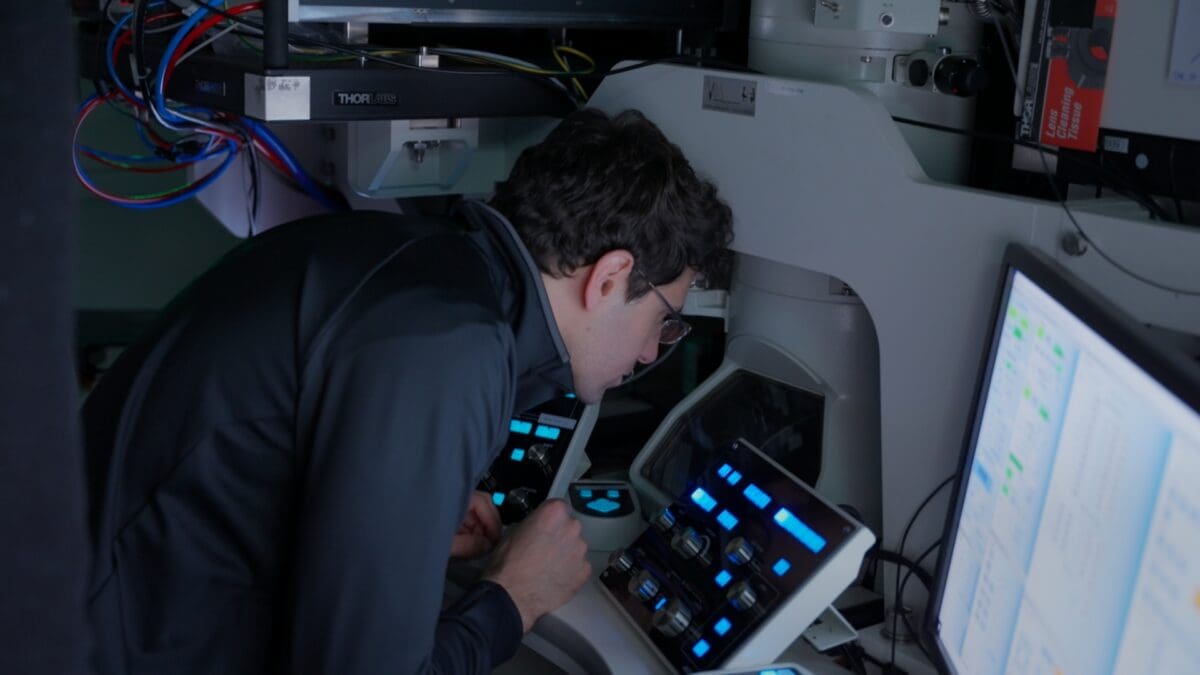
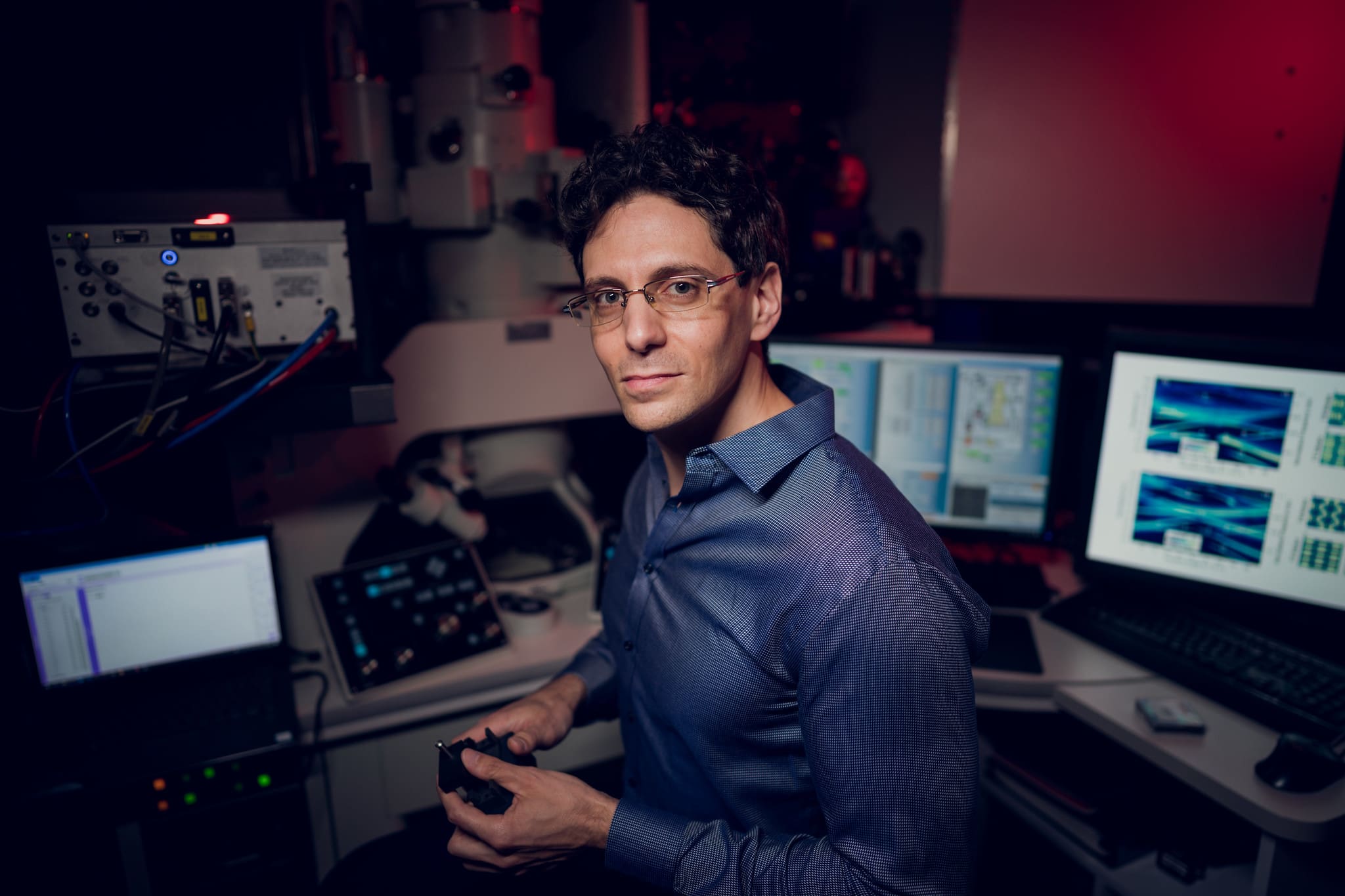
Professor Ido Kaminer brings you inside the Robert and Ruth Magid Electron Beam Quantum Dynamics Lab, which houses an ultrafast transmission electron microscope. He discusses using the microscope, among the latest and most versatile of its kind in the scientific world, to see for the first time ever how light flows inside a tiny photonic […]
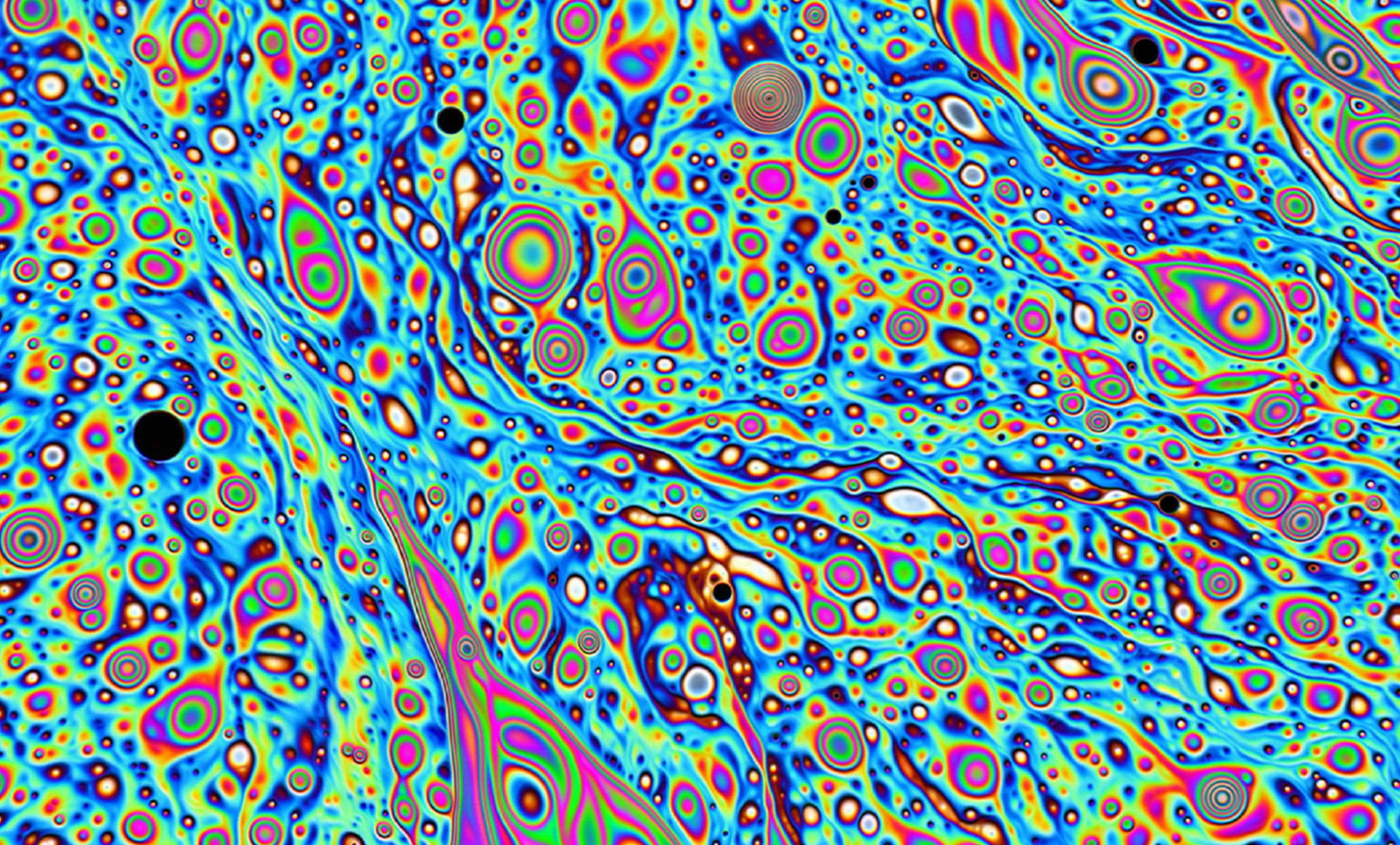
Technion physicists led by President Uri Sivan and Distinguished Professor Moti Segev conducted an experiment to see how light behaves around curves. They froze a soap bubble so that it wouldn’t explode. Then they shined a light through the bubble. The scientists got their answer — as well as an unexpected breakthrough, featured on the […]
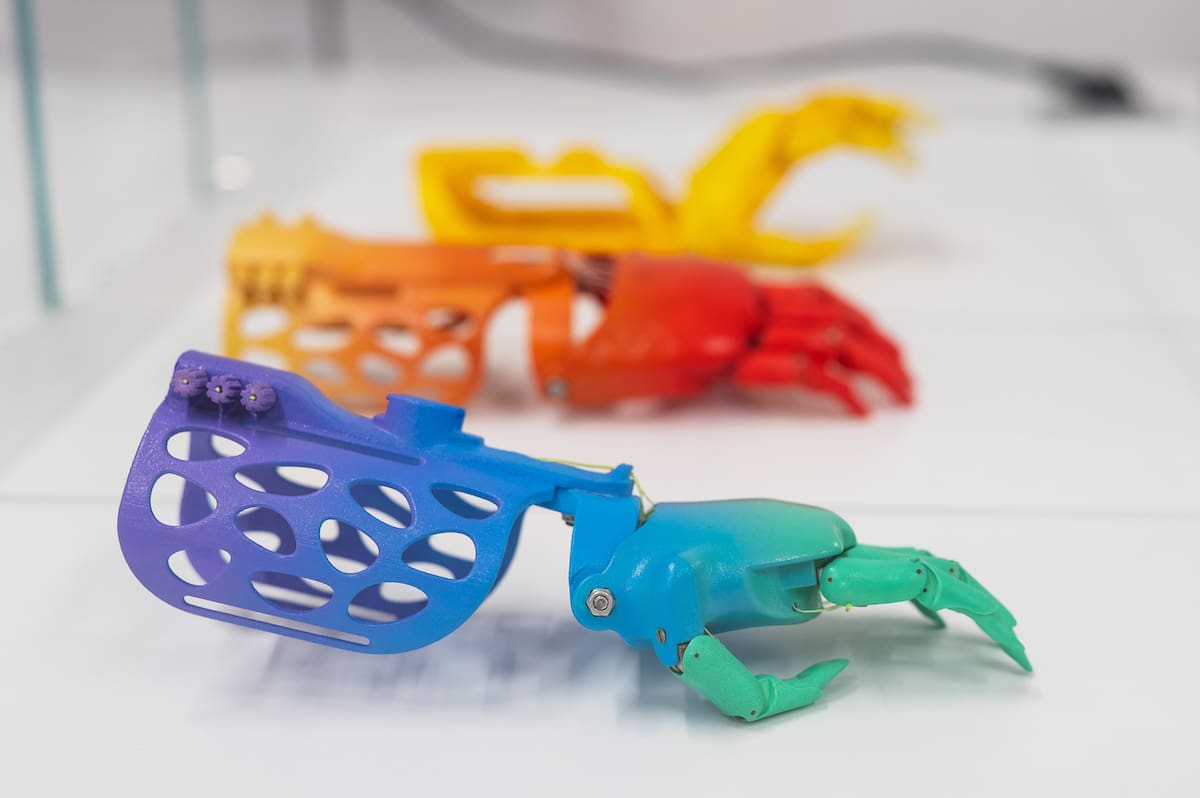
Using innovative 3D printing technology, scientists from the Technion-Israel Institute of Technology had been able to help amputee children by creating prosthetic hands for them, an info-video revealed on Sunday. The children are involved in the design of the artificial hand and often view it in comic-book heroes’ terms such as Iron Man’s hand or Superman’s hand. The finished prosthetic is able to hold lightweight objects and provide the children a better sense of balance. The most immediate benefit is psychological, as the children no longer feel that their amputation makes them unusual and instead have a “cool bionic hand”…