Something Fresh in the State of Denmark
October 06, 2026














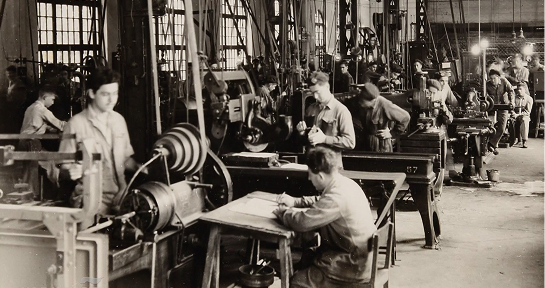
The Technion’s story has been intertwined with Israel’s for more than a century, from laying the foundations for a new nation to shaping its future.
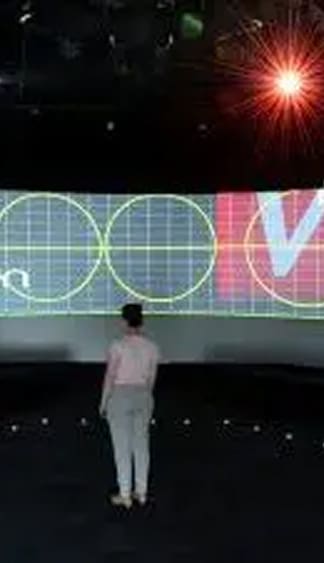
Step inside Israeli innovation at the David and Janet Polak Visitors Center. Experience our 360° immersive movie and tech exhibition. Open to individuals and groups.
Learn More

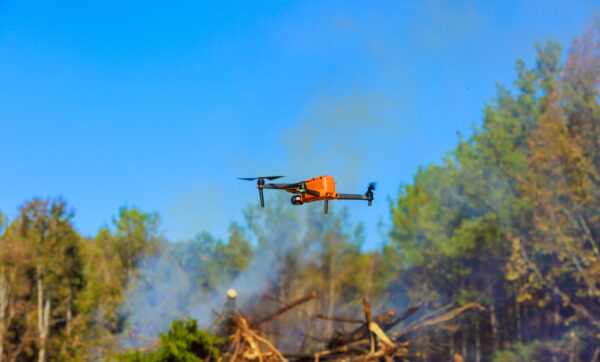
Used in many aspects of everyday life, programmable logic controllers (PLCs) control systems such as transportation services, factories, power stations, smart buildings, traffic lights, and more. Since such systems control automatic responses to changing environmental stimuli within frequently encountered structures, preventing them from being hacked into by those with nefarious intentions is of the utmost importance. Siemens, a multinational industrial manufacturer, is known across the industry to have the top security measures in place for their controller firmware systems. But a team of researchers from the Technion’s Henry and Marilyn Taub Faculty of Computer Science recently found a way to…

Astrophysicist Prof. Ehud Behar is intent on unearthing the mysteries of extragalactic events. Stellar explosions. The merging of neutron stars. Black holes. Outer space hosts jaw-dropping phenomena. But too often, we’re late to the viewing party. These spectacular occurrences emit flashes of light, sometimes including prompt, intense gamma-ray bursts, alerting physicists to their presence. Yet by the time we record them here on Earth, we lose the early time windows to study the events. Professor Ehud Behar and his team are looking to fix this time lag with their Gamma-Ray Burst Localizing Instrument (GALI). This shoebox-sized device can identify the…
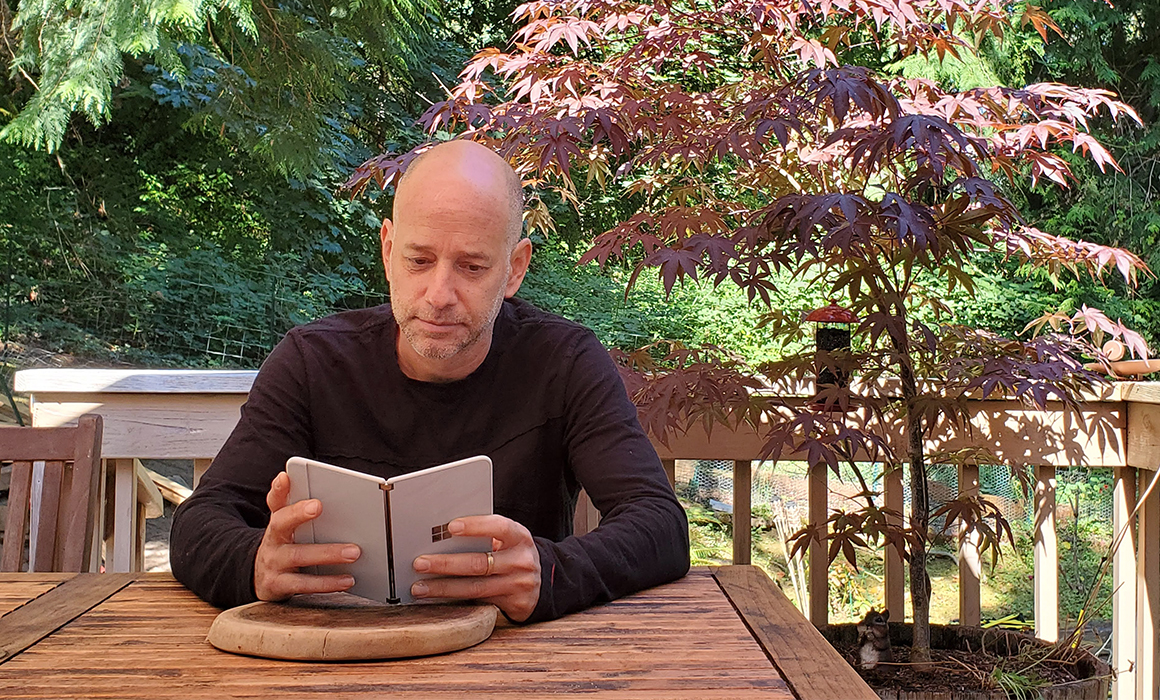
The Journey of One Technion Alum The 1983 Cold War science fiction techno-thriller WarGames was a box-office hit that garnered three Academy Award nominations. The film about a young hacker who unwittingly accesses a Pentagon supercomputer also made its mark on then 12-year-old Guy Merin. “I went straight from the theater to K-Mart and bought my first computer,” he recalled. “I started my journey there.” It’s a journey that took him from earning a bachelor’s degree in computer science at the Technion to Microsoft, where he played a key role in the recent release of Surface Duo 2 — the…
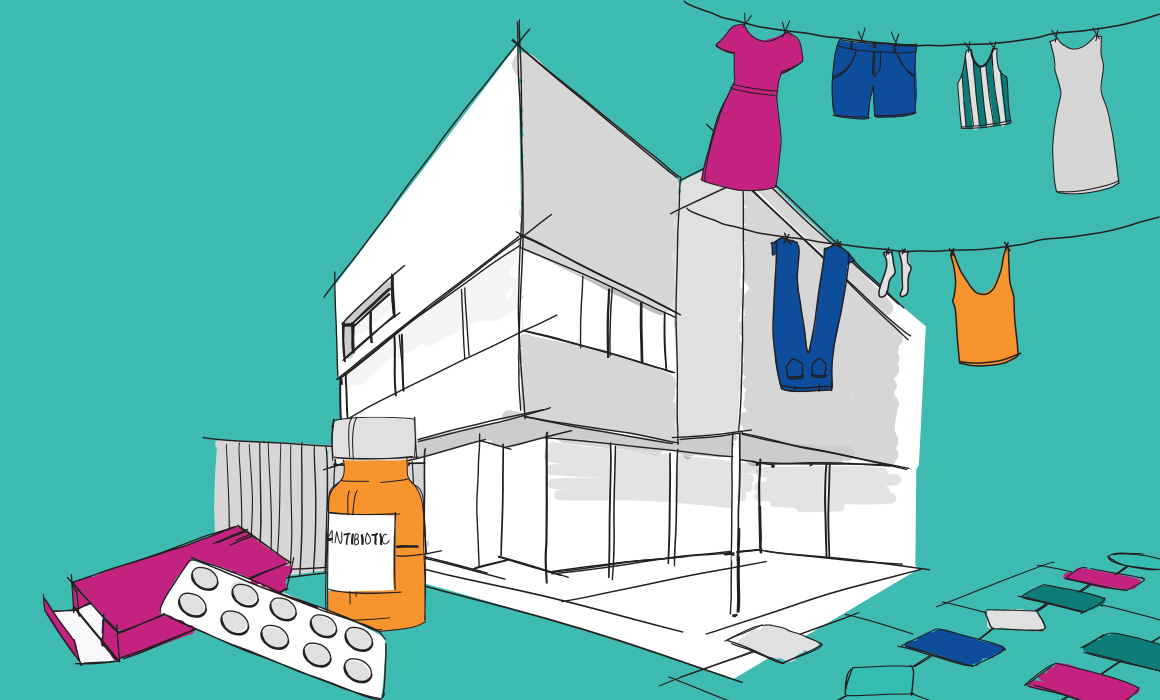
Have you filled a prescription for antibiotics recently? Used a virtual fitting room to try on clothes at home? Admired a new building going up in your community? You have computer science to thank — yes, even for that virtual fitting room! Computer science has improved almost every aspect of our modern lives, even for the Luddites among us. Researchers at the Technion are taking it one step further, pushing the boundaries of computer science to deliver useful, innovative solutions to complex problems plaguing our society. Minimizing Antibiotic Resistance … with Computers The use of antibiotics, while essential to curing…
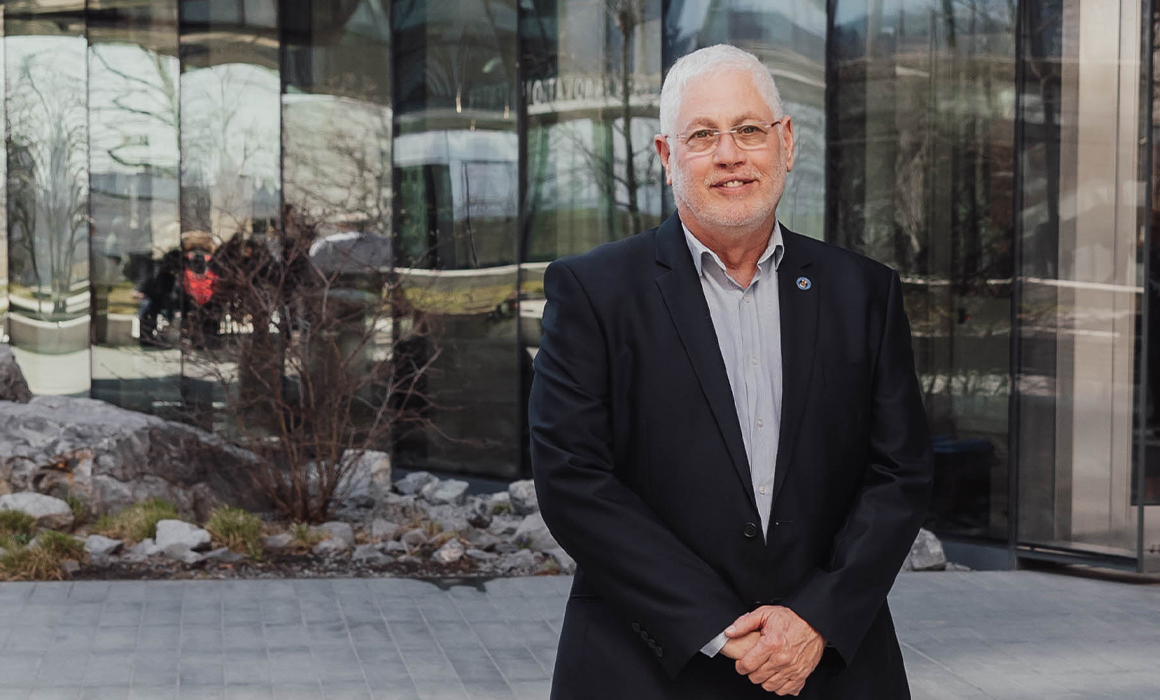
What the Next 100 Years Will Look Like Almost 100 years ago, 17 students began studying at the Technikum, a new university on the slopes of Mount Carmel. The first courses at what we now know as the Technion marked a defining moment for the Jewish settlement in Palestine — The Technikum was Palestine’s first academic institution and the Middle East’s first technological-scientific university. Back then, the Technion offered just two tracks of study: civil engineering and architecture. Today, about 14,000 students can choose from more than 50 undergraduate and 83 graduate programs clustered into 18 academic faculties. The Technion…

In most accidents involving a vehicle and a two-wheeler, the latter almost always ends up in worse shape – but a new device strives to help decrease the frequency of these accidents. Israel-based tech company Autotalks has developed a handlebar device that warns cyclists and scooter riders of the presence of another vehicle close to them. Led by Founder, CTO, and Technion alumnus Onn Haran, Autotalks is determined to make the road a safer place for cyclists, motorists, and scooter riders alike. The new device, called the ZooZ 2, warns cyclists and scooter riders of vehicles approaching their blind spots…
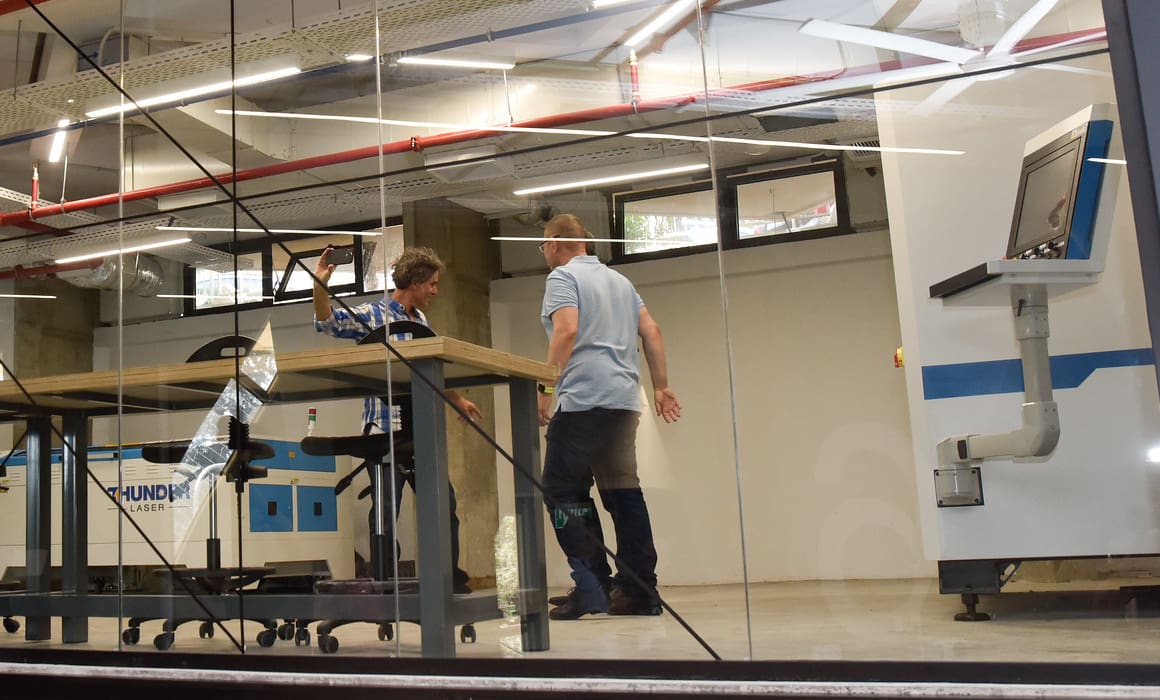
Technion Inaugurates Center for Creative and Engineering Design The Technion recently inaugurated the Mehoudar Center for Inventors, a center for creative and engineering design. The center will become a home for multidisciplinary collaboration, providing faculty, students, and inventors with the resources and technical assistance to build and test engineering prototypes. The center is named in honor of Technion graduate Raphael (Rafi) Mehoudar, a 1966 graduate of the Faculty of Mechanical Engineering who received an Honorary Doctorate from his alma mater in 2014. At the age of 20, while still at the Technion, he developed the dual flush toilet mechanism, currently…

Researchers in the Faculty of Biotechnology and Food Engineering at the Technion have developed “bionic bacteria.” The innovative technology has many potential applications in industry, the environment, and precise medicine. For example, bionic bacteria could be used to sense hazardous substances, or aid in the targeted release of drugs in the body. The study was led by Assistant Professor Omer Yehezkeli and Ph.D. student Oren Bachar, and co-authored by doctoral student Matan Meirovich and master’s student Yara Zeibaq. “My research group deals with the interface between engineering and biotechnology at the nanoscale level,” explained Prof. Yehezkeli. “Our goal is to…
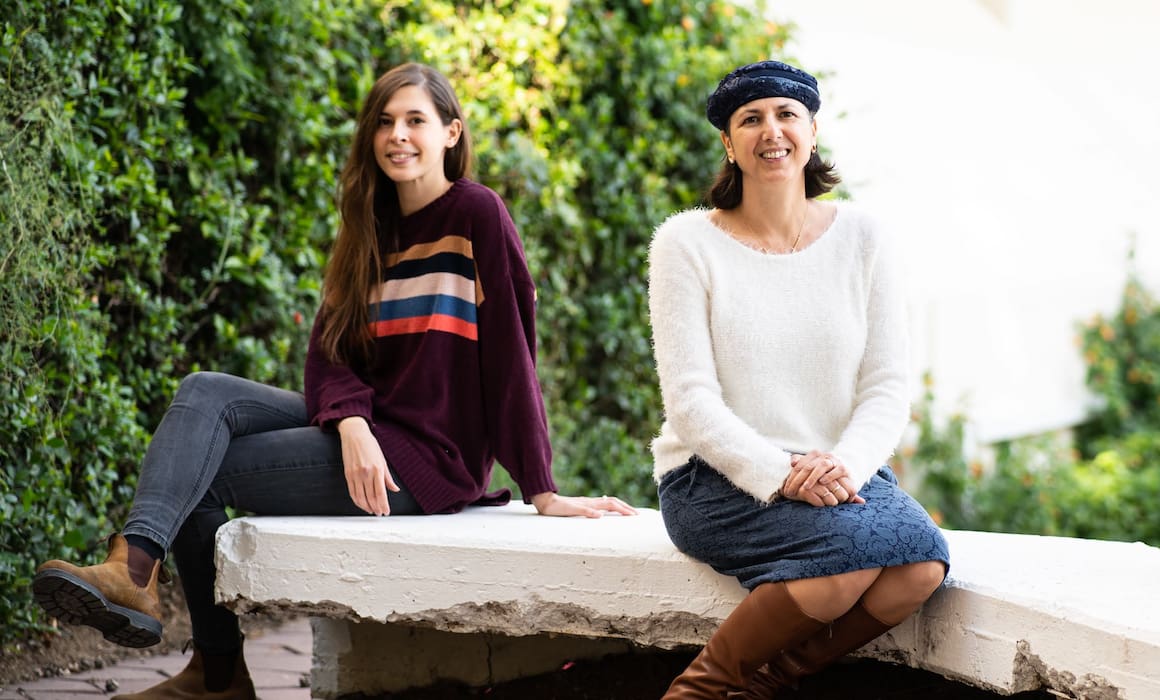
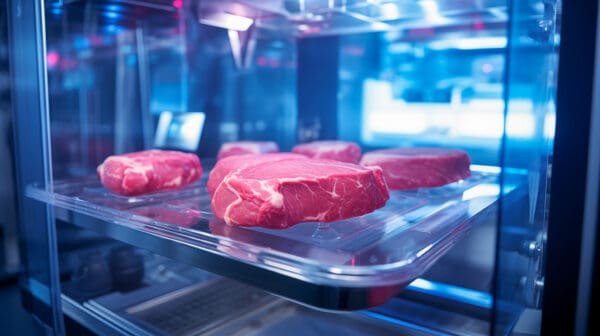
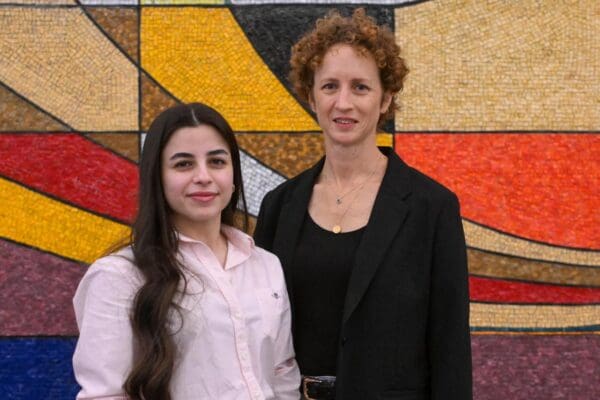
Pictured Above / L to R: Ph.D. student Iris Ianovici and Prof. Shulamit Levenberg. Researchers at the Technion have successfully created edible muscle fibers by bioprinting a plant-based scaffold and living animal cells. The development of cultivated meat — meat that does not involve the raising and slaughtering of animals — is a potential solution for the growing need for meat products following population growth, the environmental damage caused by breeding cattle, and the increasing awareness of animal welfare. To fulfill the promise of cultivated meat to meet various consumer expectations, there is a need for technologies that allow for…
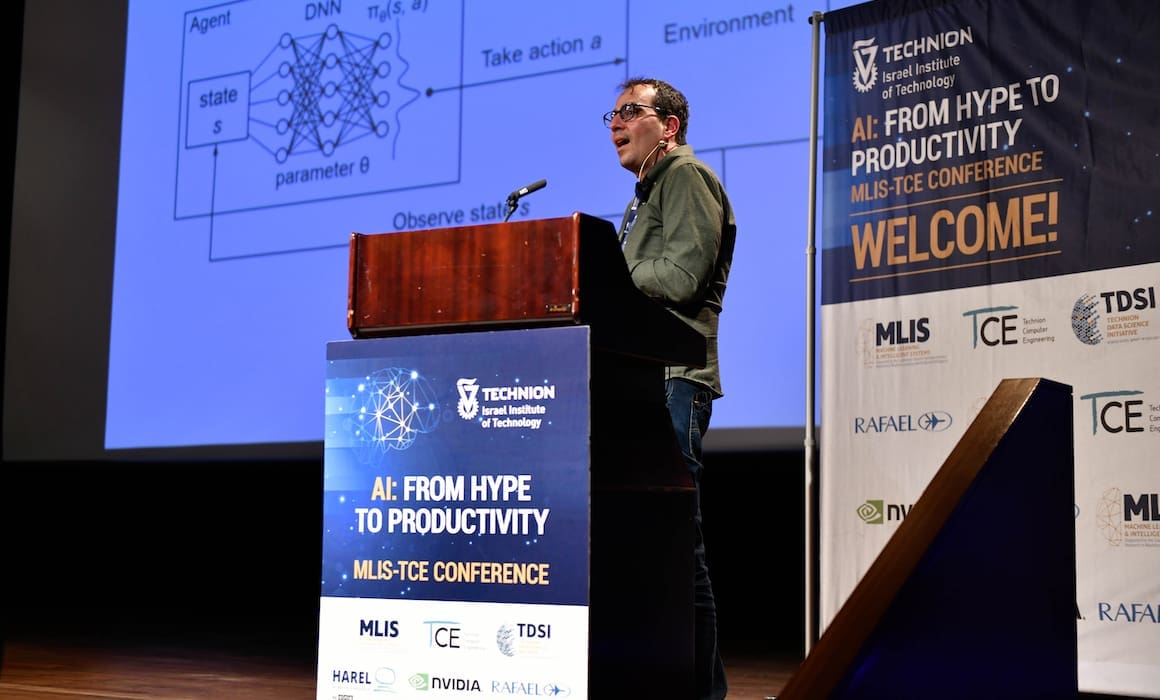
Pictured Above / Professor Assaf Schuster The Technion recently hosted “Artificial Intelligence (AI): From Hype to Productivity,” a conference that included leading figures from the Technion, local AI industry, and the governmental sector. The conference was created by the Machine Learning and Intelligent Systems Center (MLIS), the Technion Center for Computer Engineering (TCE), and the Technion Data Science Institute (TDSI), and led by Professors Assaf Schuster and Shie Mannor, who co-lead MLIS at the Technion. Professor Lihi Manor-Zelnik of the Andrew and Erna Viterbi Faculty of Electrical and Computer Engineering moderated the event. The Technion’s President, Professor Uri Sivan, said…
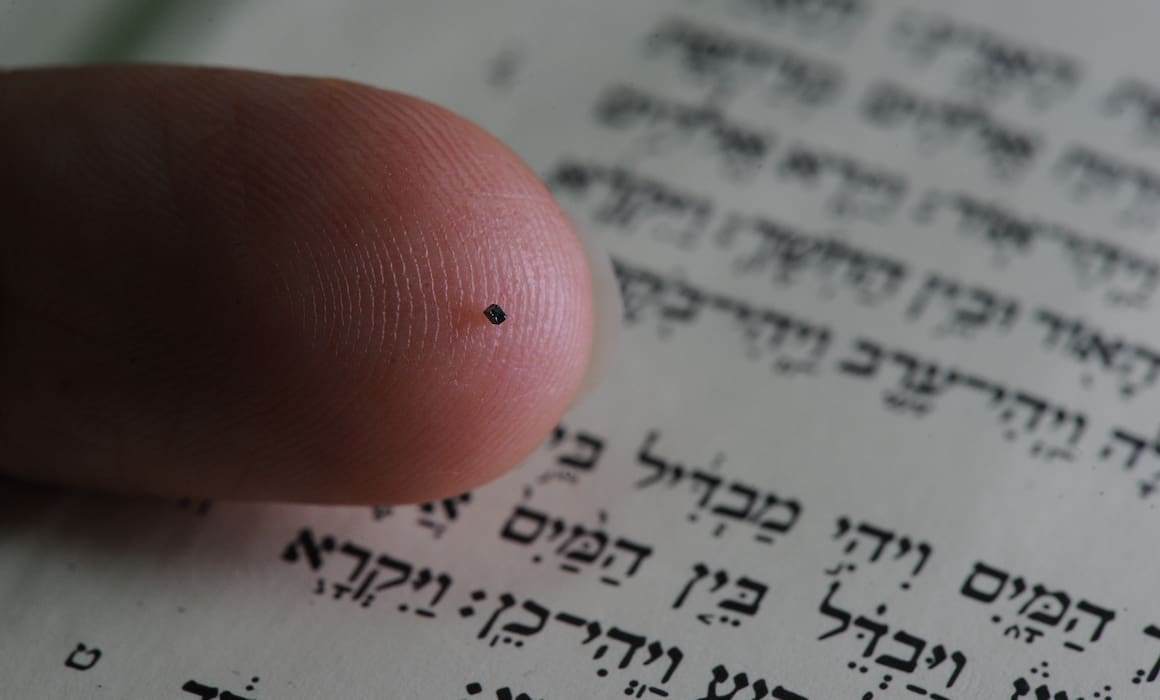
When astronaut Eytan Stibbe takes off into space at the end of March, he will take with him a copy of the Nano Bible, developed at the Technion. This unique technological item was lent to him by the Israel Museum in Jerusalem, where it is currently on display in the Shrine of the Book alongside the Dead Sea Scrolls. The Nano Bible is the most innovative and smallest copy of the Bible that exists. Technion scientists engraved the 1.2 million letters of the Bible on a gold-plated layer of silicon (on a surface the size of a grain of sugar)…
Antibiotics are a double-edged sword: on the one hand, antibiotics are essential to curing bacterial infections. On the other hand, their use promotes proliferation of antibiotic-resistant bacteria. Using genomic sequencing techniques and machine learning analysis of patient records, researchers from the Technion – Israel institute of Technology and Maccabi KSM Research and Innovation Center have developed an antibiotic-prescribing algorithm that cuts the risk of emergence of antibiotic resistance by half. The paper, published in Science, is a collaboration between the research group of Professor Roy Kishony from the Technion Faculty of Biology and the Henry and Marilyn Taub Faculty of…